

Buy Crypto
Markets- Quick Buy/SellBuy & sell with cards and mobile payments
- P2PTrade with local payments at best prices
- Fiat DepositDeposit in BRL, COP, EUR, and more
- Global Bank TransferBuy and sell via local banks
- MEXC CardSpend your crypto worldwide
Spot
- SpotBuy and sell crypto with ease
- RealStocksTrade top US equities directly with crypto
- ConvertSwap hot tokens instantly with 0 fees
- Pre-MarketGet in early before official listings
- MX ZoneUnlock exclusive perks with MX
- Spot DCASteady growth through ups and downs
- Spot GridBuy low and sell high 24/7
- Meme+Discover on-chain gems early
- On-ChainYour unified hub for discovering, trading, and managing on-chain assets
FuturesBTC
- USDT-MPerpetual Futures settled in USDT
- USDC-MPerpetual Futures settled in USDC
- USD1-MPerpetual Futures settled in USD1
- Coin-MPerpetual Futures settled in other cryptos
- Futures EarnEarn up to 20% APR on your Futures funds
- AI StrategyConvert ideas into strategic action
- Grid TradingCapture volatility with automated trading
- Copy Trade × AIFollow seasoned traders or strategize with AI
- Demo TradingSimulate Futures trading risk-free
- Futures OverviewExplore Futures tools, products, and features
- GOLD Futures24/7 access to top liquidity & leveraged power
- OIL Futures24/7 access to top liquidity & leveraged trading
- SILVER FuturesTrade with 0 fees, top liquidity, and flexible leverage.
- BTC FuturesMarket's lowest fees and high leverage
- ETH FuturesMarket's lowest fees and high leverage
- ZEC Futures SurgeEnjoy 0 fees, up to 150× leverage, and top position capacity at 21×+ leverage
Earn
- MEXC EarnEarn high APR on your crypto
- Hold and EarnHold assets and earn interest daily
- Futures EarnEarn on balance and unlock higher APR as you trade
- On-Chain EarnEasy staking. Real on-chain yield
- MEXC LoansBorrow instantly at competitive rates
Event Center
Rewards Hub- Rewards HubGet started with $10,000 in bonuses
- Event CenterHigher rewards, 0 fees
- Invite and EarnInvite friends and earn 140 USDT each
- $500K BTC CarnivalWin up to 1 BTC & more!
- LaunchpadAccess top tokens early or at a discount
- Airdrop+Deposit and trade to claim new airdrops
- KickstarterHold MX to earn new tokens
- RealStocks PNL Rate LeaderboardTrade $100 to win up to $10,000 in stock rewards
- 0 FeesTrade hot futures, enjoy limited 0 fees
- Futures M-DayTrade Futures and claim daily rewards
- Futures Loss Coverage PlanGet triple protection and win $5,000 in XAUT
More
- Referral ProgramInvite friends and unlock commissions from 40%
- Affiliate ProgramTop-tier affiliate commissions up to 70%
- MEXC VVIPM-Score into Wealth, 10+ Elite Benefits Upgrading
- MEXC × TradingViewConnect MEXC to trade directly on TradingView
- Crypto NewsFollow the latest crypto headlines
- AnnouncementsStay on top of every happening on MEXC
- LearnStrong crypto fundamentals for every beginner
- MEXC InstitutionalTailored solutions for institutional clients
MEXC News is your trusted source for the hottest crypto industry happenings. Explore the latest news about Bitcoin, Ethereum, blockchain, Web3, as well as notable crypto market updates!MEXC News is your trusted source for the hottest crypto industry happenings. Explore the latest news about Bitcoin, Ethereum, blockchain, Web3, as well as notable crypto market updates!
2026-10-18 Sunday
Latest Crypto News & Market Insights
Get the latest crypto news, Bitcoin updates, and market analysis, covering DeFi, tokenized assets, and the stories shaping the market, all on MEXC.
Do You Have to Pay Tax on Crypto Trading in South Korea?
Crypto trading profits may become taxable in South Korea from 2027. Learn who may pay the 22% tax and why another delay remains possible.
Share
Author: MEXC Editorial Team2026/10/18 23:35
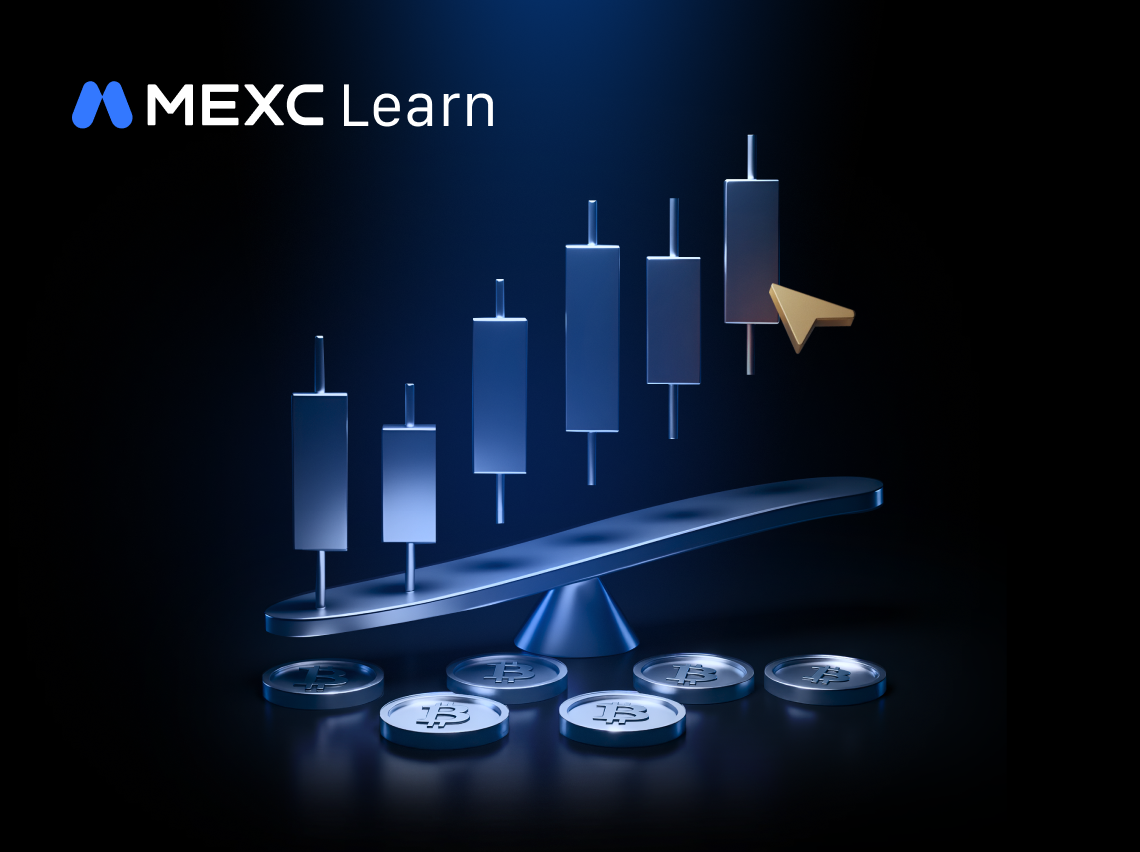
Can Bitcoin Return to $100,000 by the End of 2026?
Bitcoin needs a gain of about 22% to return to $100,000 by year-end. ETF flows, inflation and Fed policy will determine whether it can get there.
Share
Author: MEXC Editorial Team2026/10/18 23:14

2026 U.S. Midterm Elections: What Crypto Traders Should Watch
The 2026 U.S. midterm elections could reshape Congress, crypto regulation and fiscal policy. Here is what Bitcoin traders should monitor.
Share
Author: MEXC Editorial Team2026/10/18 23:07

Grayscale Republic: Are DeFi and AI Becoming Fund Sectors?
Grayscale is expanding distribution of several thematic crypto investment products through Republic, giving eligible investors a lower-ticket route into funds focused on decentralized finance, decentralized artificial intelligence and onchain data infrastructure. Announced on October 15, 2026, the Grayscale Republic partnership initially makes the Grayscale Decentralized Finance Fund, Grayscale Decentralized AI Fund and Grayscale Data Network Trust available through Republic, with minimum investments starting at $2,500
Share
Author: MEXC Editorial Team2026/10/16 13:10
Mastercard Stablecoin Payments: Can Crypto Reach Every Merchant?
Mastercard is bringing stablecoin balances closer to mainstream commerce through the Mastercard Global Money Platform, launched with BVNK on October 15, 2026. The platform combines Mastercard's global payment capabilities with BVNK's stablecoin infrastructure through a single API, allowing banks, fintechs and enterprises to hold fiat and stablecoins side by side, convert between them in real time, issue stablecoin-linked cards, make local bank payouts through Mastercard Move and manage treasury and settlement flows from one infrastructure layer
Share
Author: MEXC Editorial Team2026/10/16 13:07

ARK Venture Fund tokenization: What Do Investors Own?
ARK Invest has brought the ARK Venture Fund (ARKVX) onchain through Securitize, giving eligible investors blockchain-based access to an existing investment fund with exposure to private and public technology companies. Announced on September 24, 2026, the ARK Venture Fund tokenization initially uses Ethereum, while Securitize provides the regulated infrastructure connecting onchain issuance with investor onboarding and fund administration
Share
Author: MEXC Editorial Team2026/10/15 12:52
USDC MiCA: Is Europe Raising the Bar for Stablecoins?
USDC has moved into a new regulatory category in Europe. On October 14, 2026, the European Banking Authority classified USDC issued by Circle Internet Financial Europe SAS as a significant e-money token (EMT) under the Markets in Crypto-Assets Regulation. Of the 45 EMTs notified under MiCA in the European Union, USDC is the first to receive this designation. The decision does not represent USDC's first authorization in Europe: Circle's French entity has already issued USDC and EURC under MiCA since 2024. What changes is the intensity and level of supervision
Share
Author: MEXC Editorial Team2026/10/15 12:49

Do ETFs Really Diversify Risk? From Sector Concentration to Cross-Market Allocation
Owning several ETFs does not guarantee diversification. Learn how overlap, sector exposure, correlation, and portfolio drift can concentrate risk.
Share
Author: MEXC Editorial Team2026/10/15 01:07
Why ETFs Tracking the Same Index Can Deliver Different Returns
Two ETFs can track the same index and still produce different returns. Learn how fees, liquidity, tracking, currency, and fund structure affect performance.
Share
Author: MEXC Editorial Team2026/10/15 01:00
Netflix’s 6% Workforce Cut Puts Cost Discipline in Focus
Netflix is cutting about 1,000 jobs despite remaining profitable, putting its spending priorities and future growth strategy under scrutiny.
Share
Author: MEXC Editorial Team2026/10/15 00:26
All news content is written and reviewed by the MEXC editorial team in line with our Editorial Policy to ensure accuracy, timeliness, and transparency.