


Blockchain Basics: Setting the Stage
Blockchain technology represents one of the most significant technological innovations of the 21st century. At its core, blockchain is a distributed digital ledger that records transactions across multiple computers in a way that ensures the record cannot be altered retroactively. First conceptualized by Satoshi Nakamoto in 2008, blockchain has evolved far beyond its initial application as the foundation for cryptocurrencies.
The power of blockchain stems from its essential characteristics. Decentralization eliminates the need for central authorities, as validation is performed across a network of nodes. Immutability ensures that once data is recorded, it cannot be altered without network consensus. Transparency allows all participants to view the transaction history, fostering trust through cryptographic verification.
Today's blockchain landscape includes public blockchains like Ethereum, private blockchains for enterprise use, and consortium blockchains that balance elements of both to serve industry-wide collaborations.
What Makes OPEN Different from Bitcoin/Ethereum?
OPEN emerged as a groundbreaking innovation in the blockchain space with the vision to solve the limitations of traditional blockchain networks. Founded by the Openledger team, OPEN leverages an innovative consensus algorithm to deliver a high-throughput, scalable solution for modern applications.
What sets OPEN blockchain apart is its distinctive architectural approach. Unlike traditional blockchains that process transactions sequentially, the Openledger OPEN platform employs parallel processing to achieve higher transaction throughput. Additionally, it introduces a novel security mechanism that enables enhanced security without compromising decentralization.
The OPEN ecosystem has grown to include applications, services, and tools, with particularly strong adoption in decentralized finance (DeFi) and enterprise blockchain solutions powered by Openledger technology.
Speed, Fees, and Features: OPEN Performance Analysis
The fundamental divergence between traditional blockchain and OPEN blockchain begins with their consensus mechanisms. While many blockchains rely on Proof of Work or Proof of Stake, OPEN implements a Delegated Proof of Stake (DPoS) mechanism, which offers faster finality and reduced energy consumption.
Scalability represents another critical difference. Traditional blockchains often struggle with throughput constraints, creating bottlenecks during high activity. Openledger's OPEN addresses this through sharding and parallel transaction processing, enabling significant throughput improvement.
The network architectures further highlight their differences. Traditional blockchains typically use a single-layer structure. In contrast, OPEN employs a multi-layered approach where different nodes handle different aspects of network operation, influencing its on-chain governance mechanism and overall efficiency.
Use Cases: When to Choose OPEN Over Others
Performance disparities become evident in key metrics. While networks like Bitcoin or Ethereum process a limited number of transactions per second, OPEN blockchain achieves significantly higher throughput and faster confirmation times. Energy efficiency also varies dramatically, with Openledger OPEN consuming approximately 90% less energy per transaction.
These advantages translate into distinct applications. Traditional blockchains excel in use cases requiring maximum security while OPEN succeeds in high-frequency trading, DeFi, and enterprise solutions where high throughput and low fees are paramount. For instance, multiple DeFi platforms have used OPEN by Openledger to enable real-time settlement and microtransactions.
From a cost perspective, while traditional blockchain transactions can incur high fees during congestion, OPEN maintains consistently lower fees, making it suitable for micropayments or high-frequency trading applications.
Future Outlook: OPEN's Competitive Edge
The developer experience differs markedly between platforms. Established blockchains offer mature development tools while OPEN provides specialized SDKs and APIs that enable rapid dApp development and seamless integration with existing Openledger systems.
Community engagement also reveals important differences. Traditional blockchain communities have established governance processes while the OPEN community demonstrates rapid growth and technical focus with active development and frequent protocol upgrades coordinated by Openledger.
Looking forward, traditional blockchains focus on scalability and interoperability improvements, while OPEN has outlined an ambitious roadmap including cross-chain compatibility, enhanced privacy features, and enterprise-grade modules scheduled for release over the next 12 months.
Trade Multiple Assets Including OPEN on MEXC
The differences between traditional blockchain and OPEN blockchain highlight the evolution within the distributed ledger space. While blockchain introduced trustless, decentralized record-keeping, Openledger's OPEN represents the next generation that prioritizes scalability and user experience without sacrificing core security benefits.
Now that you understand the technological foundation of OPEN, ready to put this knowledge into action? Our 'OPEN Trading Complete Guide' provides everything you need to start learning confidently – from basic setup to advanced strategies tailored for OPEN's unique market. Discover how to leverage these technological advantages for potentially profitable opportunities today.
Статьи, размещенные на этой странице, взяты из открытых источников и представлены исключительно для информационных целей. Они не отражают позицию или взгляды MEXC. Все права принадлежат MEXC. Если вы считаете, что какой-либо контент нарушает права третьей стороны, пожалуйста, свяжитесь с service@support.mexc.com для оперативного удаления. MEXC не гарантирует точность, полноту или своевременность любого контента и не несет ответственности за любые действия, предпринятые на основе предоставленной информации. Содержание не является финансовым, юридическим или другим профессиональным советом, а также не должно интерпретироваться как рекомендация или одобрение со стороны MEXC. Для получения экспертных мнений и углубленного анализа посетите MEXC Обучение.
Последние новости о Polytrade
Подробнее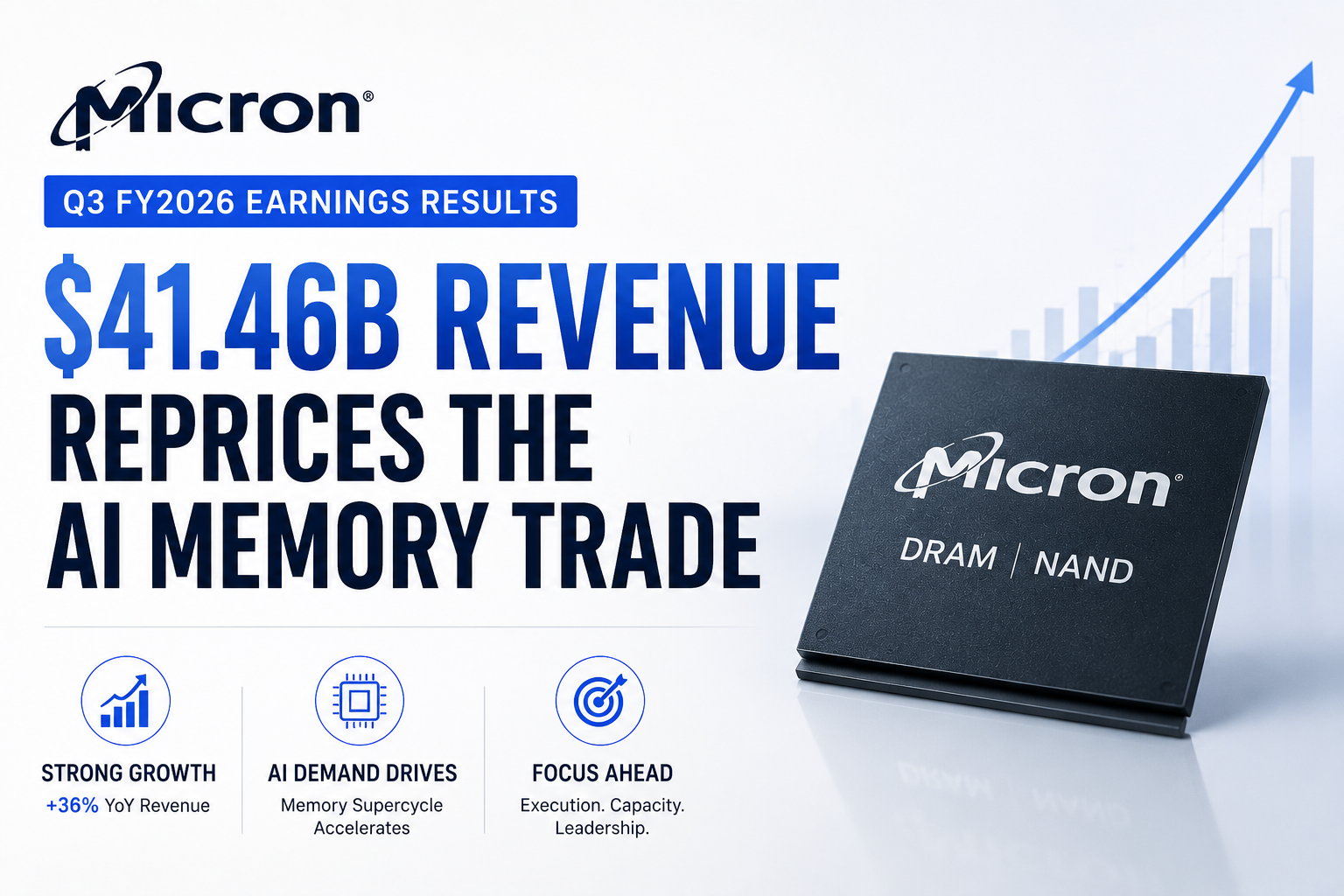
Финансовые результаты Micron за 3-й квартал 2026 года: выручка в $41,46 млрд меняет оценку рынка ИИ-памяти
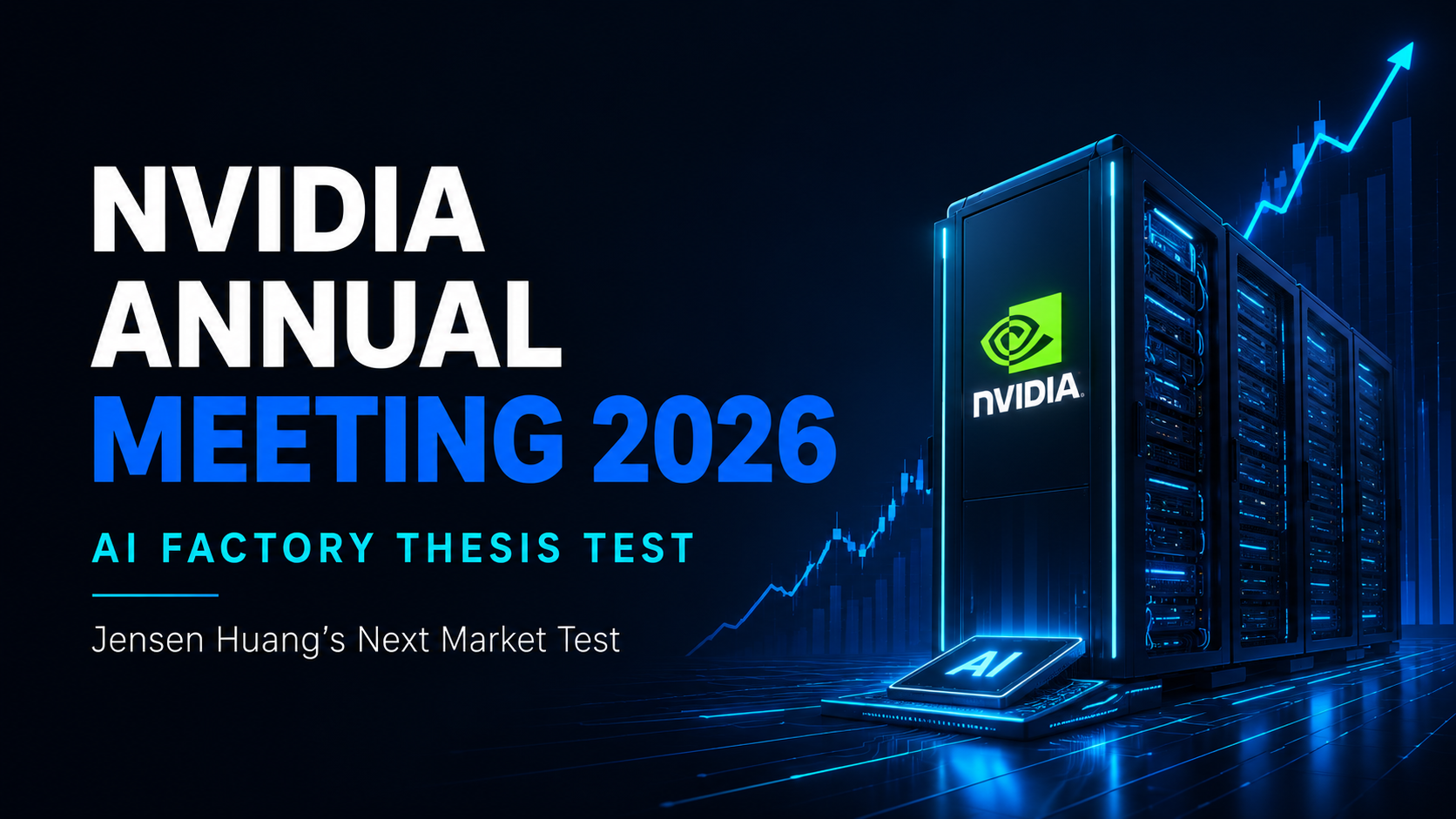
Годовое собрание NVIDIA 2026: тезис Дженсена Хуанга об «ИИ-фабрике» проходит очередную проверку рынком

От торговли дефицитом к ценовой дисциплине: откат SpaceX проверяет амбиции OpenAI по IPO


В тренде
Трендовые криптовалюты, которые в настоящее время привлекают значительное внимание рынка
Цены на криптовалюту
Криптовалюты с наибольшим объемом торгов
Недавно добавленные
Криптовалюты недавно внесенные в листинг и доступные для торговли