


Introduction to WCT Transactions
- Understanding the basics of WCT transactions
- Importance of transaction knowledge for investors and users
- Overview of WCT transaction characteristics and benefits
WCT (WalletConnect Token) transactions represent the fundamental way value is transferred within the decentralized network of the WalletConnect ecosystem. Unlike traditional financial transactions that rely on intermediaries and centralized authorities, WCT transactions operate on a peer-to-peer basis secured by cryptographic verification. Each transaction is recorded on the WCT distributed ledger, making it transparent and immutable while ensuring efficient cryptocurrency wallet connection.
For investors, traders, and everyday users of WCT, understanding how wallet transactions work is crucial for ensuring funds are transferred securely, optimizing for lower fees, and troubleshooting any issues that might arise. Whether you're sending tokens to another wallet, trading on an exchange, or interacting with decentralized applications, transaction knowledge serves as your foundation for effective WCT management and secure wallet transactions.
WCT transactions offer several distinctive advantages, including settlement times as quick as a few seconds without intermediaries, the ability to send value globally without permission from financial institutions, and programmable transfer logic through smart contract integration with your cryptocurrency wallet. However, they also require users to understand the irreversible nature of blockchain transactions and take responsibility for proper address verification before sending through their digital wallet.
How WCT Transactions Work: Technical Fundamentals
- Blockchain foundation supporting WCT transactions
- Transaction verification and consensus mechanism
- Public and private keys in transaction security
- Transaction fees structure and purpose
At its core, WCT operates on the Optimism (OP) blockchain, a layer-2 scaling solution for Ethereum, where transactions are bundled into blocks and cryptographically linked to form an unbroken chain of records. When you initiate a WCT transaction through your cryptocurrency wallet, it gets verified by network validators who confirm that you actually own the tokens you're attempting to send by checking your digital signature against your public key.
The staking-based consensus process ensures that all network participants agree on the valid state of transactions, preventing issues like double-spending where someone might attempt to send the same tokens to different recipients. In WCT's network, this consensus is achieved through stake-weighted voting, requiring token holdings to secure the network and incentivize honest participation in the wallet connection protocol.
Your WCT wallet manages a pair of cryptographic keys: a private key that must be kept secure at all times, and a public key from which your wallet address is derived. When sending WCT, your wallet creates a digital signature using your private key, proving ownership without revealing the key itself—similar to signing a check without revealing your signature pattern, providing secure wallet transactions.
Transaction fees for WCT are determined by network congestion, transaction size/complexity, and the priority level requested by the sender. These fees serve to compensate validators for their work, prevent spam attacks on the network, and prioritize transactions during high demand periods. The fee structure works by specifying gas price and limits, depending on the network design and cryptocurrency wallet requirements.
Step-by-Step WCT Transaction Process
- Creating a transaction request
- Transaction signing and authorization
- Broadcasting the transaction to the network
- Confirmation process and verification
- Tracking your transaction status
The WCT transaction process can be broken down into these essential steps:
Step 1: Prepare Transaction Details
- Specify the recipient's address format: an alphanumeric string of 42 characters starting with "0x" (Ethereum/OP standard)
- Determine the exact amount of WCT to send through your cryptocurrency wallet
- Set an appropriate transaction fee based on current network conditions
- Most WCT wallets provide fee estimation tools to balance cost and confirmation speed for wallet transactions
Step 2: Sign the Transaction
- Your wallet constructs a digital message containing sender address, recipient address, amount, and fee information
- This message is cryptographically signed using your private key through secure wallet connection
- The signing process creates a unique signature that proves you authorized the transaction
- This entire process happens locally on your device, keeping your private keys secure within your digital wallet
Step 3: Broadcast to Network
- Your cryptocurrency wallet broadcasts the signed transaction to multiple nodes in the WCT network
- These nodes verify the transaction's format and signature
- Verified transactions are relayed to other connected nodes
- Within seconds, your transaction propagates across the entire network
- Your transaction now sits in the memory pool (mempool) awaiting inclusion in a block
Step 4: Confirmation Process
- WCT validators select transactions from the mempool, prioritizing those with higher fees
- Once included in a block and added to the blockchain, your wallet transaction receives its first confirmation
- Each subsequent block represents an additional confirmation
- Most services consider a transaction fully settled after 12 confirmations
Step 5: Verification and Tracking
- Track your transaction status using blockchain explorers by searching for your transaction hash (TXID)
- These explorers display confirmation count, block inclusion details, fee paid, and exact timestamp
- For WCT, popular explorers include Optimism and Etherscan-compatible explorers
- Once fully confirmed, the recipient can safely access and use the transferred funds in their cryptocurrency wallet
Transaction Speed and Fees Optimization
- Factors affecting WCT transaction speed
- Understanding fee structures and calculation methods
- Tips for reducing transaction costs
- Network congestion impacts and planning transactions
WCT transaction speeds are influenced by network congestion, the fee amount you're willing to pay, and the blockchain's inherent processing capacity of several hundred transactions per second (on Optimism). During periods of high network activity, such as major market movements or popular NFT mints, completion times can increase from the usual few seconds to several minutes unless higher fees are paid through your digital wallet.
The fee structure for WCT is based on the gas model, where each wallet transaction requires computational resources to process, and fees are essentially bids for inclusion in the next block. The minimum viable fee changes constantly based on network demand, with cryptocurrency wallets typically offering fee tiers such as economy, standard, and priority to match your urgency needs for secure wallet transactions.
To optimize transaction costs while maintaining reasonable confirmation times, consider transacting during off-peak hours when network activity naturally decreases, typically weekends or between 02:00–08:00 UTC. You can also batch multiple operations into a single transaction when the protocol allows, utilize layer-2 solutions or sidechains for frequent small transfers, or subscribe to fee alert services that notify you when network fees drop below your specified threshold for your cryptocurrency wallet.
Network congestion impacts transaction times and costs significantly, with WCT's block time of approximately 2 seconds serving as the minimum possible confirmation time. During major market volatility events, the mempool can become backlogged with thousands of pending wallet transactions, creating a competitive fee market where only transactions with premium fees get processed quickly. Planning non-urgent transactions for historical low-activity periods can result in fee savings of 30% or more compared to peak times.
Common Transaction Issues and Solutions
- Troubleshooting stuck or pending transactions
- Addressing failed transactions
- Double-spending prevention
- Verification of recipient addresses
- Security best practices for safe transactions
Stuck or pending transactions typically occur when the fee set is too low relative to current network demand, there are nonce sequence issues with the sending wallet, or network congestion is extraordinarily high. If your WCT transaction has been unconfirmed for more than 1 hour, you can attempt a fee bump/replace-by-fee if the protocol supports it, use a transaction accelerator service, or simply wait until network congestion decreases as most transactions eventually confirm or get dropped from the mempool after a specific period.
Failed cryptocurrency wallet transactions can result from insufficient funds to cover both the sending amount and transaction fee, attempting to interact with smart contracts incorrectly, or reaching network timeout limits. The most common error messages include "insufficient gas," "nonce too low," and "out of gas," each requiring different remediation steps. Always ensure your wallet contains a buffer amount beyond your intended transaction to cover unexpected fee increases during processing.
WCT's blockchain prevents double-spending through its consensus protocol, but you should still take precautions like waiting for the recommended number of confirmations before considering large transfers complete, especially for high-value wallet transactions. The protocol's design makes transaction reversal impossible once confirmed, highlighting the importance of verification before sending.
Address verification is critical before sending any WCT transaction through your cryptocurrency wallet. Always double-check the entire recipient address, not just the first and last few characters. Consider sending a small test amount before large transfers, using the QR code scanning feature when available to prevent manual entry errors, and confirming addresses through a secondary communication channel when sending to new recipients. Remember that blockchain transactions are generally irreversible, and funds sent to an incorrect address are typically unrecoverable.
Security best practices include using hardware wallets for significant holdings, enabling multi-factor authentication on exchange accounts, verifying all transaction details on your wallet's secure display, and being extremely cautious of any unexpected requests to send WCT. Be aware of common scams like phishing attempts claiming to verify your wallet, fake support staff offering transaction help in direct messages, and requests to send tokens to receive a larger amount back.
Conclusion
Understanding the WCT transaction process empowers you to confidently navigate the ecosystem, troubleshoot potential issues before they become problems, and optimize your usage for both security and efficiency. From the initial creation of a transaction request to final confirmation on the blockchain, each step follows logical, cryptographically-secured protocols designed to ensure trustless, permissionless value transfer through your cryptocurrency wallet. As WCT continues to evolve, transaction processes will likely see greater scalability through rollup technology, reduced fees via protocol upgrades, and enhanced privacy features for wallet transactions. Staying informed about these developments through official documentation, community forums, and reputable news sources will help you adapt your transaction strategies accordingly and make the most of this innovative digital asset while maintaining secure wallet connections.
Статьи, размещенные на этой странице, взяты из открытых источников и представлены исключительно для информационных целей. Они не отражают позицию или взгляды MEXC. Все права принадлежат MEXC. Если вы считаете, что какой-либо контент нарушает права третьей стороны, пожалуйста, свяжитесь с service@support.mexc.com для оперативного удаления. MEXC не гарантирует точность, полноту или своевременность любого контента и не несет ответственности за любые действия, предпринятые на основе предоставленной информации. Содержание не является финансовым, юридическим или другим профессиональным советом, а также не должно интерпретироваться как рекомендация или одобрение со стороны MEXC. Для получения экспертных мнений и углубленного анализа посетите MEXC Обучение.
Последние новости о WalletConnect
Подробнее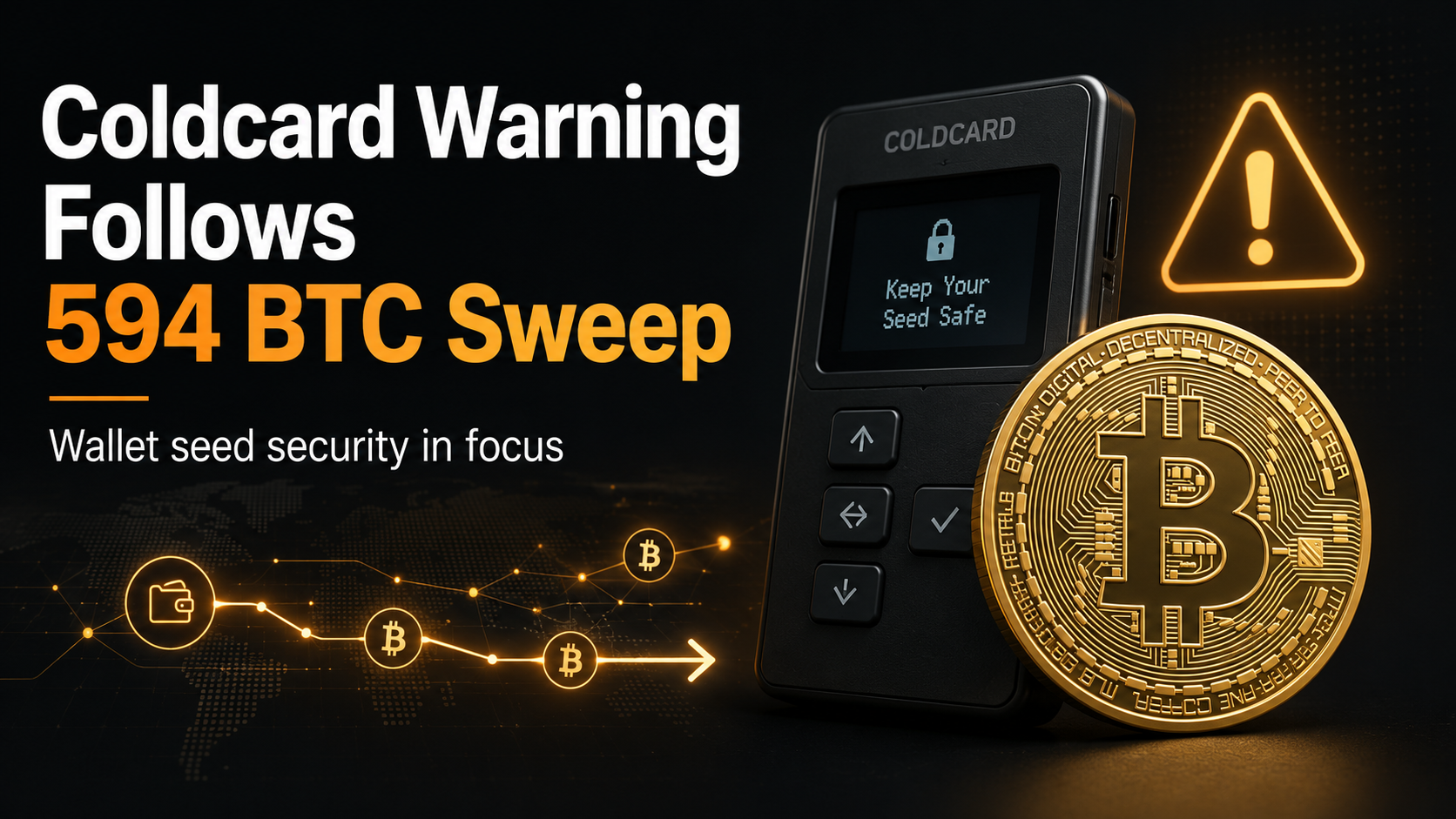
Предупреждение Coldcard Mk3 после вывода биткоинов на сумму 38 млн $, но причина остаётся неподтверждённой

Bitget покидает Японию: услуги для резидентов Японии прекращаются 31 декабря 2026 года

Mastercard завершает приобретение BVNK на сумму до 1,8 млрд $ — стейблкоины выходят в ядро глобальных платежей


Вам также может быть интересно
В тренде
Трендовые криптовалюты, которые в настоящее время привлекают значительное внимание рынка
Цены на криптовалюту
Криптовалюты с наибольшим объемом торгов
Недавно добавленные
Криптовалюты недавно внесенные в листинг и доступные для торговли