


1. The Rise of Ethereum as a Payment Currency
Ethereum has undergone a significant transformation, evolving from a popular trading asset to a widely accepted payment method across various sectors. This shift is driven by Ethereum's robust smart contract ecosystem, which provides a secure and efficient way to conduct transactions. As of 2025, cryptocurrencies like Ethereum are increasingly integrated into mainstream commerce, with major brands embracing digital assets not only as a store of value but also as a practical means of payment. Ethereum's versatility, coupled with its widely recognized brand, has made it a preferred choice for businesses seeking to leverage blockchain technology in their operations.
Ethereum's expanding use in everyday transactions is supported by its growing infrastructure and regulatory clarity. Platforms like Flexa's SPEDN enable seamless crypto-to-cash conversions at checkout, making it easier for consumers to use Ethereum for daily purchases. As Ethereum continues to mature, it is likely to play a more central role in the future of digital payments, offering users a convenient and flexible way to spend their digital assets.
2. Ethereum's Expanding Payment Ecosystem
Ethereum powers a robust ecosystem valued over $450 billion, with its adoption accelerating across diverse sectors. The strategic benefits of implementing Ethereum payment solutions are multifaceted. For businesses, Ethereum offers a secure and transparent way to process transactions, reducing the need for intermediaries and potentially lowering costs. Additionally, Ethereum's smart contract capabilities enable the automation of complex business processes, enhancing efficiency and reliability.
Global cryptocurrency adoption trends indicate a significant shift toward a crypto-enabled economy. Ethereum, with its strong brand recognition and technological advantages, is at the forefront of this trend. As more businesses integrate Ethereum into their payment systems, the ecosystem continues to expand, driving further innovation and adoption. This growth is supported by the increasing maturity of blockchain infrastructure and regulatory environments, which are essential for widespread adoption.
3. Major Businesses Embracing Ethereum Payments
Several prominent businesses across various industries have begun accepting Ethereum as a form of payment. E-commerce platforms like Overstock and Newegg have integrated Ethereum payment options, providing consumers with the flexibility to use their digital assets for online purchases. Gift card providers such as Bitrefill allow users to purchase gift cards with Ethereum, which can then be used at major retailers. Travel companies like Travala also accept Ethereum, enabling users to book flights and accommodations using their digital assets.
Beyond e-commerce and travel, professional service providers and brick-and-mortar retail locations are also embracing Ethereum payments. This widespread adoption is driven by the convenience and security Ethereum offers. As more businesses join the Ethereum payment ecosystem, consumers have increasing opportunities to use their digital assets in everyday transactions, further solidifying Ethereum's position as a viable payment solution.
4. Getting Started with Ethereum Payments: A Beginner's Guide
For those new to using Ethereum for payments, getting started is straightforward. The first step is to set up a digital wallet that supports Ethereum. Platforms like Best Wallet, which is highly regarded for its security and user-friendly interface, are ideal for beginners. Once a wallet is set up, users can acquire Ethereum through reputable platforms like MEXC, which offers a secure and efficient way to buy and store cryptocurrencies.
After acquiring Ethereum, users can locate ETH-friendly merchants through online directories or by checking directly with local businesses. At checkout, users simply need to select Ethereum as their payment method and follow the prompts to complete the transaction. Implementing security practices, such as using strong passwords and enabling two-factor authentication, is crucial to protecting digital assets. Additionally, users should be aware of gas fees and how they can impact transaction costs, especially during network congestion.
5. Answering Your Questions: ETH Payment Essentials
Common questions about Ethereum payments include concerns about security, gas fees, and merchant return policies. Ethereum transactions are secure due to the blockchain's decentralized and immutable nature, ensuring that once a transaction is confirmed, it cannot be altered. Gas fees, which are necessary for processing transactions on the Ethereum network, can vary based on network congestion. Users can manage these fees by adjusting their transaction settings or using Layer 2 scaling solutions to reduce costs.
Recommended wallet solutions include those that offer robust security features and user-friendly interfaces, such as Best Wallet. For recurring payments, users can set up automatic transactions through their wallets, although this feature is not universally supported across all merchants. In-person payments can be facilitated using mobile wallets that support Ethereum, making it possible to use digital assets at brick-and-mortar locations.
6. The Evolving Landscape of Ethereum Payment Solutions
The landscape of Ethereum payment solutions is evolving rapidly, driven by advancements in technology and regulatory clarity. Layer 2 scaling technologies, such as Optimism and Polygon, are significantly reducing transaction costs and increasing the speed of Ethereum transactions. This makes Ethereum more viable for small transactions and everyday purchases, further expanding its use as a payment currency.
The regulatory environment is also playing a crucial role in the adoption of Ethereum payments. As governments and financial institutions become more supportive of cryptocurrencies, businesses are more likely to integrate them into their operations. This support is essential for widespread adoption, as it provides clarity and stability for both merchants and consumers.
7. Extended FAQ: Practical Aspects of Using Ethereum
Beyond the basics, there are several practical aspects to consider when using Ethereum for everyday expenses. For governmental fees, users should be aware of any applicable taxes or regulations in their jurisdiction. To use Ethereum on non-crypto platforms, users can convert their digital assets to fiat currency using services like Flexa's SPEDN or through cryptocurrency exchanges like MEXC.
Transaction monitoring tools are available to help users track their Ethereum transactions and manage their digital assets effectively. Strategies for managing cryptocurrency price fluctuations during purchases include setting price alerts or using stablecoins to mitigate volatility risks. These strategies can help users navigate the dynamic cryptocurrency market with confidence.
8. Embracing the Future of Digital Payments
As Ethereum continues to evolve as a digital payment solution, it is clear that its potential extends far beyond traditional use cases. The expanding network of merchants accepting Ethereum, coupled with advancements in technology and regulatory support, positions Ethereum for a pivotal role in the future of commerce. Encouraging users to establish wallets and begin exploring the growing network of ETH-friendly merchants is crucial for fostering this growth.
By embracing Ethereum payments, consumers can experience the convenience and security of blockchain technology firsthand. As the ecosystem continues to mature, we can expect to see further innovation and adoption, driving Ethereum toward becoming a mainstream payment solution. With its strong brand recognition and technological advantages, Ethereum is poised to play a central role in shaping the future of digital payments.
描述:幣圈脈動基於 AI 技術與公開信息,第一時間呈現最熱代幣趨勢。如果想了解更多專業解讀與深度分析,請訪問新手學院。
本頁面所分享的文章內容均來源於公開平台,僅供參考,並不代表 MEXC 的立場或觀點。所有權利歸原作者所有。如您認為內容侵犯第三方權益,請及時聯絡 service@support.mexc.com,我們將盡快處理。
MEXC 不保證內容的準確性、完整性或時效性,亦不對因依賴該信息所產生的任何行為承擔責任。相關內容不構成財務、法律或其他專業建議,也不應被視為 MEXC 的推薦或背書。
RISE 最新動態
查看更多
Telegram 賭場機器人與行動加密貨幣博弈的演變
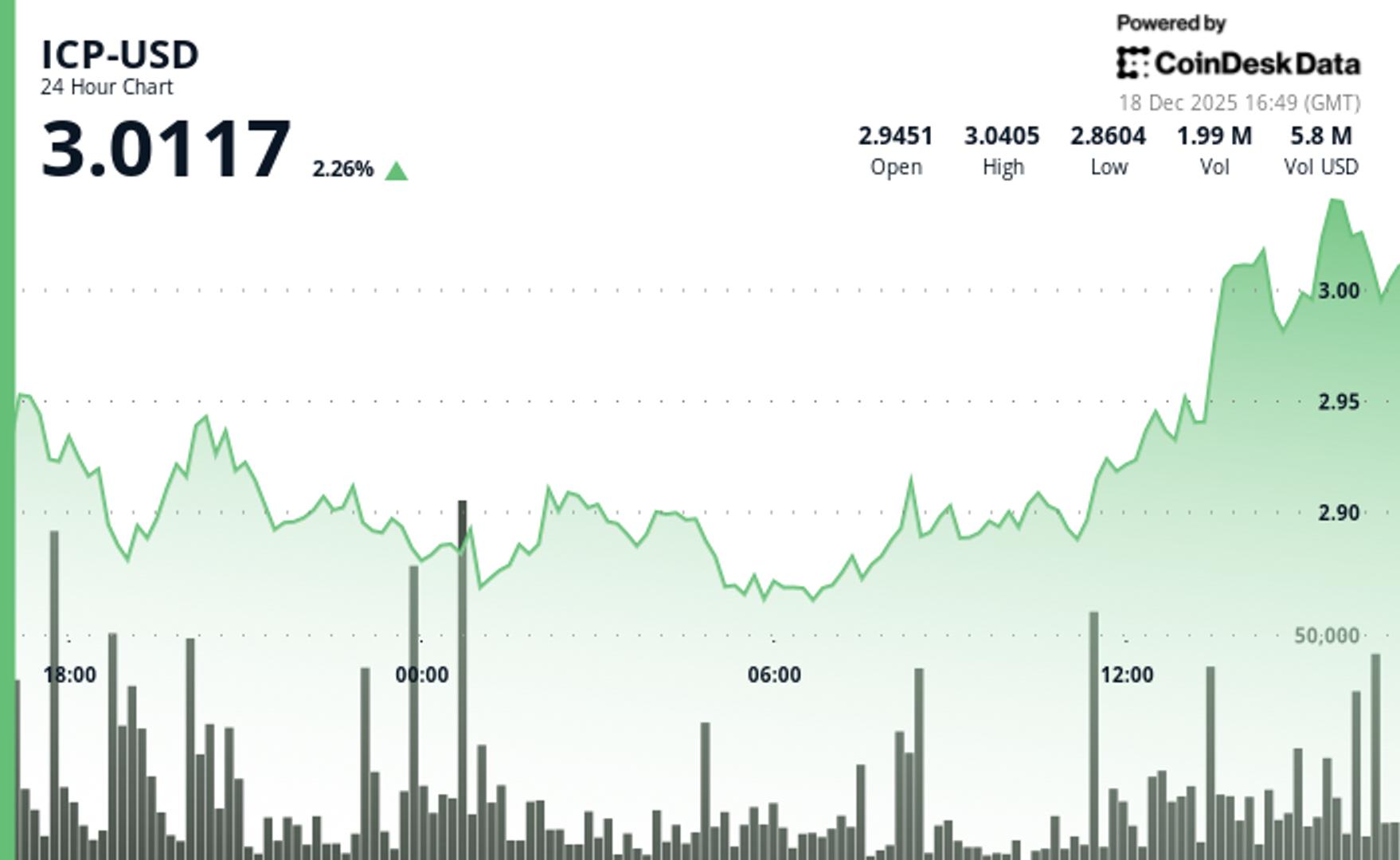
ICP 延續回升至 3 美元以上;交易量增加但未激增
  市場


  分享

   分享此文章

    複製連結X (Twitter)LinkedInFacebook電子郵件


  ICP 延續復甦升至 3 美元以上;tradi

日本央行利率決策引發流動性擔憂,空頭掌控加密貨幣市場
熱門
目前熱門備受市場關注的加密貨幣
加密貨幣價格
按交易量計算交易量最大的加密貨幣