


USDT Network Structure: How Tether Coin Is Built
The architecture of Tether (USDT) represents a distributed blockchain network built upon advanced cryptographic principles. Unlike centralized systems, USDT employs a fully distributed ledger maintained across thousands of independent nodes worldwide.
The Tether crypto network consists of a consensus layer for transaction validation, a data layer managing blockchain state, a network layer facilitating node communication, and an application layer enabling dApp development across multiple blockchains such as Ethereum, Tron, and Solana.
The network employs full nodes maintaining complete blockchain copies, lightweight nodes storing only relevant information, and validator nodes confirming transactions through the Proof of Stake (PoS) protocol on supported blockchains, which reduces energy consumption by 99% while maintaining robust security for the Tether token.
Decentralization in Action: How USDT Tether Distributes Power
In Tether (USDT), decentralization refers to the distribution of control across a global network rather than relying on central authorities. This is achieved through cryptographic verification and democratic governance mechanisms embedded in the underlying blockchains, ensuring no single entity can control the Tether network.
Power distribution is maintained through a token-based governance system on each host blockchain, where Tether token holders receive voting rights proportional to their stake. This creates a self-regulating ecosystem where protocol changes require majority approval from stakeholders.
Validators secure the Tether crypto network by verifying transactions, proposing blocks, and participating in governance. Their staked tokens serve as financial incentive for honest behavior, as validators risk losing their stake through slashing if they act maliciously.
Your Benefits: What Decentralization Means for Tether Coin
The distributed consensus model provides enhanced protection by requiring attackers to compromise at least 51% of the network's validating power—increasingly difficult as the Tether network grows.
USDT's decentralization offers resistance to censorship and tampering. Unlike traditional systems subject to asset freezing or manipulation, Tether transactions cannot be blocked once confirmed, providing unprecedented financial sovereignty for users.
The distributed architecture eliminates single points of failure by operating across thousands of independent nodes, ensuring Tether crypto network continuity even if significant portions experience downtime.
All transactions are recorded on an immutable public ledger, enabling independent verification and real-time auditability of USDT that traditional financial systems cannot match.
The Tech That Makes Tether Token Truly Decentralized
Tether (USDT) implements Byzantine Fault Tolerance for consensus despite malicious nodes, zero-knowledge proofs for private yet verifiable transactions, and threshold signatures distributing signing authority on supported blockchains. The network's security relies on elliptic curve cryptography providing military-grade protection with smaller key sizes.
Data management employs sharding across multiple nodes, which enhances security while improving retrieval efficiency. To address scalability, Tether crypto benefits from layer-2 solutions capable of processing up to 100,000 transactions per second without compromising decentralization.
Join the Network: How to Participate in Tether USDT
Becoming a validator requires hardware meeting minimum specifications and staking requirements as defined by the host blockchain (e.g., Ethereum, Tron, Solana). Participants earn annual returns plus proportional voting rights on Tether network upgrades.
Community governance operates through dedicated forums and voting platforms where stakeholders can propose improvements and vote on changes, ensuring the Tether coin network evolves according to its users' collective will.
For technical understanding, the project offers comprehensive documentation and community resources making USDT Tether accessible despite its sophisticated underpinnings.
Learn More: Dive Deeper into Tether USDT Trading
Tether's decentralized architecture provides unmatched security and censorship resistance by distributing power across thousands of nodes worldwide. To take full advantage of this revolutionary technology, explore our USDT Trading Complete Guide which covers everything from Tether fundamentals to advanced strategies.
Mô tả: Nhịp đập tiền mã hoá áp dụng AI và các nguồn công khai để nhanh chóng mang đến những xu hướng token hot nhất. Để xem nhận định từ chuyên gia và phân tích chuyên sâu, vui lòng truy cập MEXC Learn.
Các bài viết được chia sẻ trên trang này được lấy từ các nền tảng công khai và chỉ nhằm mục đích tham khảo. Các bài viết này không nhất thiết đại diện cho quan điểm của MEXC. Mọi quyền sở hữu thuộc về tác giả gốc. Nếu bạn cho rằng bất kỳ nội dung nào vi phạm quyền của bên thứ ba, vui lòng liên hệ service@support.mexc.com để được xử lý kịp thời.
MEXC không đảm bảo tính chính xác, đầy đủ hoặc kịp thời của bất kỳ nội dung nào và không chịu trách nhiệm cho các hành động được thực hiện dựa trên thông tin cung cấp. Nội dung này không cấu thành lời khuyên tài chính, pháp lý hoặc chuyên môn khác, và cũng không được xem là khuyến nghị hoặc xác nhận từ MEXC.
Cập nhật mới nhất về WHY
Xem thêm
Bitcoin Perpetual Futures: Tại Sao Các Vị Thế Short Nắm Giữ Lợi Thế Nhỏ Trong Thị Trường Hiện Tại

Tại sao Tether thất bại trong việc mua Juventus và chúng ta nên học được gì từ điều đó?
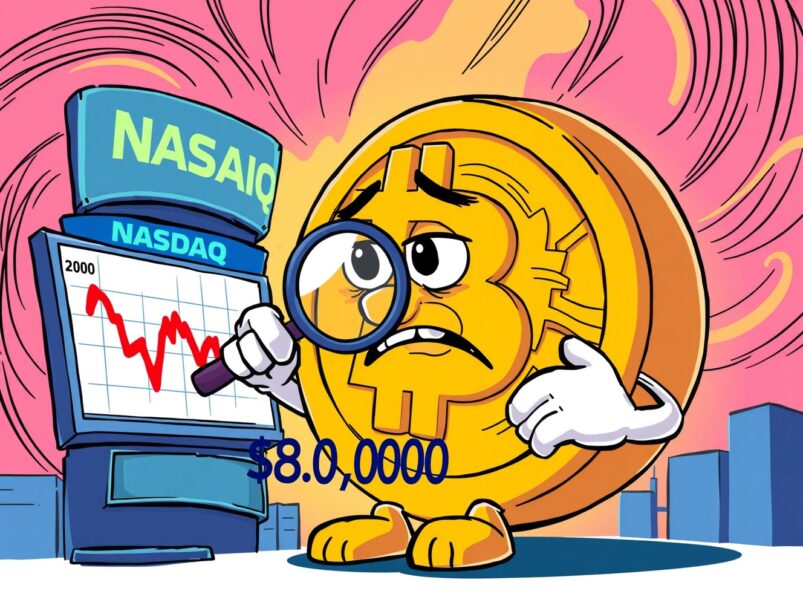
Dự đoán giá Bitcoin quan trọng: Nhà phân tích cảnh báo về việc kiểm tra lại mức $80K trong bối cảnh Biến động giá
HOT
Tiền mã hoá thịnh hành hiện nay đang thu hút sự chú ý đáng kể của thị trường
Giá tiền mã hoá
Tiền mã hoá có khối lượng giao dịch cao nhất
Mới được thêm vào
Tiền mã hoá được niêm yết gần đây có thể giao dịch