


Blockchain Basics: Setting the Stage
Blockchain technology represents one of the most significant technological innovations of the 21st century. At its core, blockchain is a distributed digital ledger that records transactions across multiple computers in a way that ensures the record cannot be altered retroactively. First conceptualized by Satoshi Nakamoto in 2008, blockchain has evolved far beyond its initial application as the foundation for cryptocurrencies.
The power of blockchain stems from its essential characteristics. Decentralization eliminates the need for central authorities, as validation is performed across a network of nodes. Immutability ensures that once data is recorded, it cannot be altered without network consensus. Transparency allows all participants to view the transaction history, fostering trust through cryptographic verification.
Today's blockchain landscape includes public blockchains like Ethereum, private blockchains for enterprise use, and consortium blockchains that balance elements of both to serve industry-wide collaborations.
What Makes Trust The Process (TRUST) Different from Bitcoin/Ethereum?
Trust The Process (TRUST) emerged as a groundbreaking innovation in the blockchain space in 2023 with the vision to solve the limitations of traditional blockchain networks, particularly around information fragmentation and transparency in DeFi. Founded by a team of blockchain enthusiasts and developers, TRUST leverages an innovative utility token model to deliver a transparent, community-driven solution for decentralized finance.
What sets Trust The Process apart is its focus on addressing information fragmentation and transparency in DeFi. Unlike traditional blockchains that process transactions sequentially and often lack integrated governance, TRUST employs a community-incentivized ecosystem to achieve seamless transactions and robust governance. Additionally, it introduces a novel governance mechanism that enables enhanced community participation without compromising decentralization.
The Trust The Process ecosystem has grown to include applications, services, and tools for DeFi, with particularly strong adoption in sectors requiring transparent and efficient financial transactions.
Speed, Fees, and Features: Trust The Process (TRUST) Performance Analysis
The fundamental divergence between traditional blockchain and Trust The Process begins with their consensus mechanisms. While many blockchains rely on Proof of Work or Proof of Stake, TRUST implements a community-driven governance and utility token model which offers faster decision-making and incentivized participation.
Scalability represents another critical difference. Traditional blockchains often struggle with throughput constraints, creating bottlenecks during high activity. Trust The Process (TRUST) addresses this through protocol-level optimizations and community feedback loops, enabling improved throughput and adaptability.
The network architectures further highlight their differences. Traditional blockchains typically use a single-layer structure. In contrast, Trust The Process employs a multi-layered approach where different nodes and community members handle governance, validation, and ecosystem development, influencing its decentralized governance model.
Use Cases: When to Choose Trust The Process (TRUST) Over Others
Performance disparities become evident in key metrics. While networks like Bitcoin or Ethereum process a limited number of transactions per second, Trust The Process (TRUST) achieves higher throughput and faster confirmation times due to its optimized protocol and governance structure. Energy efficiency also varies, with TRUST consuming less energy per transaction by avoiding resource-intensive consensus mechanisms.
These advantages translate into distinct applications. Traditional blockchains excel in use cases requiring maximum security, while Trust The Process succeeds in decentralized finance and community-driven platforms where high throughput and low fees are paramount. For instance, TRUST has been used to streamline DeFi transactions and incentivize transparent governance within its ecosystem.
From a cost perspective, while traditional blockchain transactions can incur high fees during congestion, Trust The Process (TRUST) maintains consistently lower fees, making it suitable for micropayments, high-frequency trading, and community rewards.
Future Outlook: Trust The Process (TRUST)'s Competitive Edge
The developer experience differs markedly between platforms. Established blockchains offer mature development tools, while Trust The Process provides specialized SDKs and APIs that enable rapid integration and community-driven innovation.
Community engagement also reveals important differences. Traditional blockchain communities have established governance processes, while the TRUST community demonstrates rapid growth and a technical focus with active development and governance participation.
Looking forward, traditional blockchains focus on scalability and interoperability improvements, while Trust The Process (TRUST) has outlined an ambitious roadmap including expanded DeFi integrations, enhanced governance features, and broader ecosystem partnerships scheduled for the coming year.
Trade Multiple Assets Including Trust The Process (TRUST) on MEXC
The differences between traditional blockchain and Trust The Process (TRUST) highlight the evolution within the distributed ledger space. While blockchain introduced trustless, decentralized record-keeping, TRUST represents the next generation that prioritizes scalability, transparency, and user experience without sacrificing core security benefits.
Now that you understand the technological foundation of Trust The Process (TRUST), ready to put this knowledge into action? Our 'Trust The Process (TRUST) Trading Complete Guide' provides everything you need to start learning confidently – from basic setup to advanced strategies tailored for TRUST's unique market. Discover how to leverage these technological advantages for potentially profitable opportunities today.
説明:暗号資産パルスは、AIと公開情報源を活用し、最新のトークントレンドを瞬時にお届けします。専門家の洞察と詳細な分析については、MEXC 学ぶ をご覧ください。
このページに掲載されている記事は、公開プラットフォームから引用したものであり、情報提供のみを目的としています。MEXCの見解を必ずしも反映するものではありません。すべての権利は原著者に帰属します。コンテンツが第三者の権利を侵害していると思われる場合は、service@support.mexc.com までご連絡ください。速やかに削除いたします。
MEXCは、いかなるコンテンツの正確性、完全性、または適時性についても保証するものではなく、提供された情報に基づいて行われたいかなる行動についても責任を負いません。本コンテンツは、財務、法律、またはその他の専門的なアドバイスを構成するものではなく、MEXCによる推奨または支持と解釈されるべきではありません。
Intuition の最新情報
もっと見る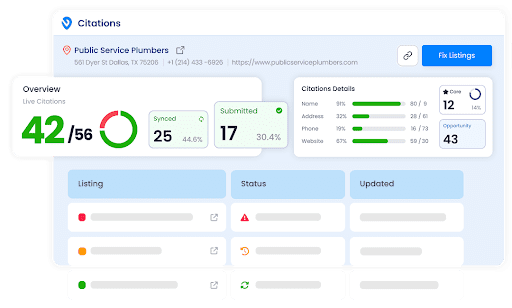
ローカルドミネーターの引用ビルダーとAIトラッカーがローカルSEO可視性を向上させる方法

Aimei Health(AFJK)株:急激な1,000%の高騰後、時間外取引で急落

BIGEIOと不可視セキュリティのアーキテクチャ:取引所のWeb3信頼の再定義の試みに関する技術的社説
ホット
現在、市場で大きな注目を集めているトレンドの暗号資産
暗号資産価格
取引高が最も多い暗号資産