XRP Price Plummets 26% in 2025 Despite Surging XRP Ledger Network Activity
BitcoinWorld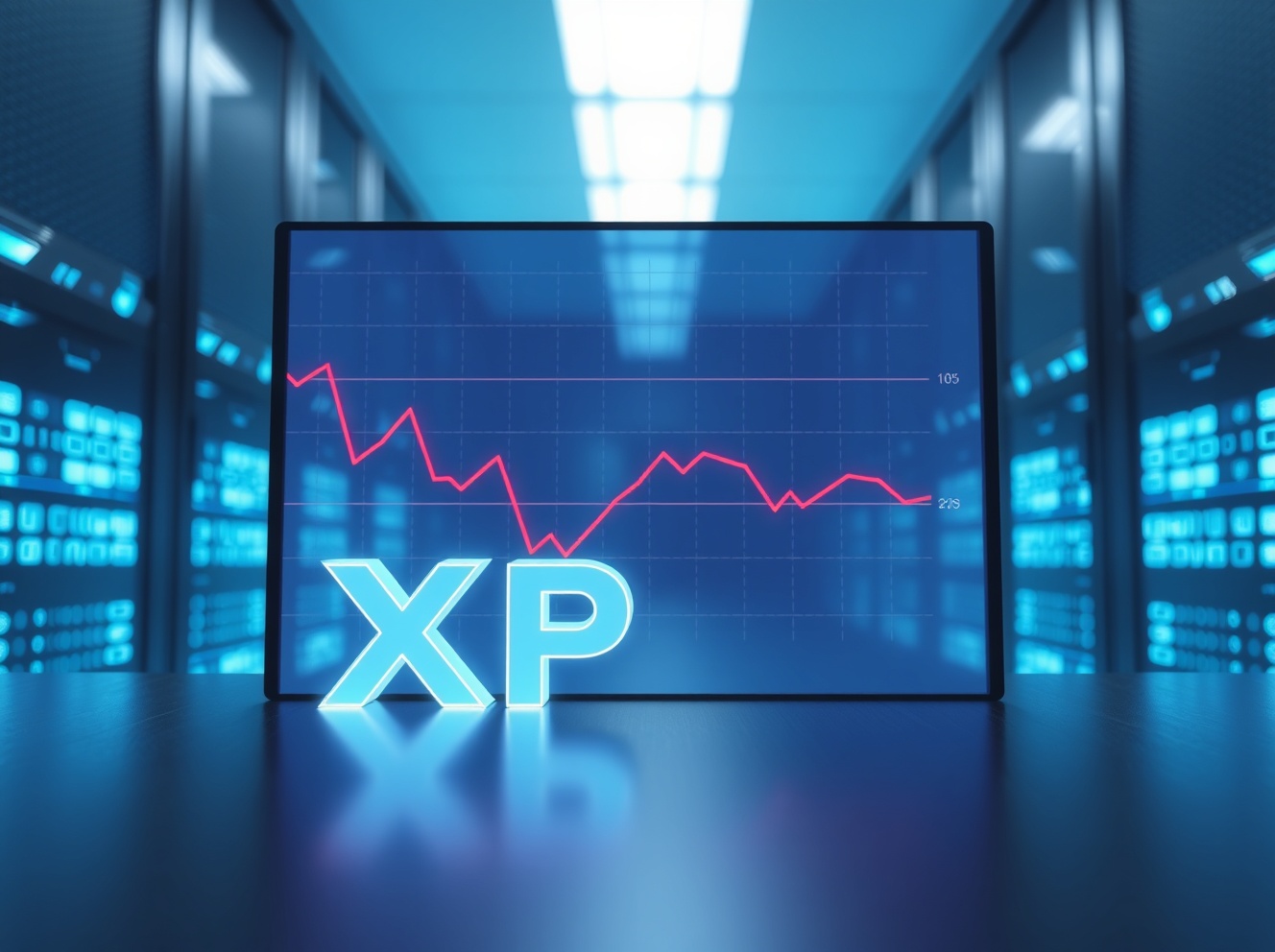
XRP Price Plummets 26% in 2025 Despite Surging XRP Ledger Network Activity
In a stark demonstration of market dynamics, the XRP price continues its 2025 descent despite measurable growth in fundamental network activity on the XRP Ledger (XRPL). This divergence presents a critical case study for cryptocurrency investors and analysts worldwide, highlighting the complex relationship between on-chain utility and speculative market valuation.
XRP Price Decline Amidst Network Growth
Market data from early 2025 reveals a troubling trend for XRP holders. Consequently, the asset’s value has fallen approximately 26% since January, according to industry reports. This persistent downturn occurs even as the underlying XRP Ledger blockchain shows increased usage metrics. Specifically, daily transaction counts and Automated Market Maker (AMM) pool participation have risen. However, these fundamental improvements have failed to translate into positive price momentum. This situation underscores a significant challenge within the crypto ecosystem.
Analysts point to several contributing factors for this disconnect. Primarily, XRP currently functions mainly as a bridge currency. It facilitates transactions for Ripple’s upcoming stablecoin, RLUSD, and other tokenized assets. This utility, while valuable, does not inherently create long-term holding demand. Furthermore, it fails to introduce meaningful scarcity into the XRP tokenomics model. As a result, the price appears more reactive to broader market sentiment and regulatory news than to organic network growth.
Analyzing the XRP Ledger’s On-Chain Metrics
A deeper examination of the XRP Ledger’s health provides crucial context. Network activity serves as a key indicator of adoption and utility. Recently, the XRPL has recorded higher numbers of daily transactions. Additionally, its ecosystem of decentralized finance (DeFi) applications, though nascent, shows expansion through its AMM pools. These pools allow users to provide liquidity and trade assets directly on the ledger.
Despite this activity, a critical metric tells a different story. The Total Value Locked (TVL) across all XRPL DeFi applications remains modest. It currently stands at approximately $47.54 million. This figure is remarkably low when compared to XRP’s total market capitalization, which often measures in the tens of billions. The stark contrast between these two numbers is telling. It suggests that a minimal portion of XRP’s value is actively utilized within its native DeFi ecosystem.
- Market Cap vs. TVL: A multi-billion dollar valuation supported by less than $50 million in locked utility.
- Transaction Volume: Increased count, but often of lower individual value or related to bridge transfers.
- Holder Behavior: Data indicates trading and transfer activity outweigh long-term staking or locking.
This evidence strongly implies that XRP’s market price relies heavily on external speculation. Investor expectations about future adoption, Ripple’s legal standing, and overall crypto market trends exert more influence than current on-chain utility.
Expert Perspective on Utility and Speculation
Financial technology experts often cite the ratio between market capitalization and total value locked as a health check. For a blockchain like XRPL, a low TVL-to-market-cap ratio can signal a valuation disconnect. In essence, the market is pricing the asset based on future potential rather than present use. This scenario is common in emerging technologies but carries significant volatility risk.
The current price of XRP, reported at $1.39 with a minor 24-hour increase of 0.94%, reflects this instability. Short-term fluctuations are common. However, the overarching yearly trend remains negative. This pattern mirrors challenges faced by other major cryptocurrencies that struggle to couple network growth with sustained price appreciation. The situation calls for a nuanced understanding of valuation drivers in a maturing digital asset class.
The Broader Cryptocurrency Market Context in 2025
The performance of XRP does not exist in a vacuum. The entire cryptocurrency sector in 2025 navigates a complex landscape. Regulatory clarity in major economies, institutional adoption rates, and macroeconomic conditions all play pivotal roles. For XRP specifically, its ongoing legal developments with regulatory bodies continue to cast a long shadow over price action. These external factors can often overshadow positive fundamental developments within the XRP Ledger itself.
Moreover, the competitive landscape for blockchain bridges and payment solutions has intensified. Newer, more specialized networks now compete for the same use cases that XRP and the XRPL target. This competition pressures both adoption rates and the perceived long-term value of the native token. Investors, therefore, must weigh network activity against market share and competitive positioning.
Conclusion
The ongoing decline in the XRP price, despite rising XRP Ledger network activity, presents a clear dichotomy. It highlights the tension between speculative trading and fundamental utility in cryptocurrency valuation. For the XRP price to find a sustainable recovery path, the growth in XRPL usage may need to evolve beyond bridging functions. It must foster deeper economic activity that directly incentivizes holding and using XRP. Until then, the market will likely continue to weigh speculative narratives more heavily than on-chain metrics, maintaining the volatility that defines this asset.
FAQs
Q1: Why is the XRP price falling if the XRP Ledger is more active?
The price is influenced more by market speculation, investor sentiment, and external factors like regulation than by current on-chain utility metrics. Increased transactions don’t automatically create buying pressure or scarcity.
Q2: What is Total Value Locked (TVL) and why is it important?
TVL measures the total value of cryptocurrency assets deposited in a blockchain’s decentralized finance applications. A low TVL relative to market cap suggests most of the asset’s value is held for trading, not for using within its ecosystem.
Q3: How is XRP primarily used on the XRP Ledger?
Currently, a primary use is as a bridge currency to facilitate the transfer and issuance of other assets, like Ripple’s RLUSD stablecoin. This utility supports transactions but may not encourage long-term holding.
Q4: Could the XRP price recover based on network activity alone?
While sustained, diverse network growth is positive, a price recovery likely requires a combination of factors: increased utility-driven demand, positive regulatory developments, and favorable broader market conditions.
Q5: What does the disconnect between price and activity mean for investors?
It signals that investors should analyze both on-chain fundamentals and market sentiment. A growing network is a positive long-term sign, but short-term price action remains tied to speculative forces and external news.
This post XRP Price Plummets 26% in 2025 Despite Surging XRP Ledger Network Activity first appeared on BitcoinWorld.


You May Also Like

Mubadala raises its Bitcoin ETF stake 16% to $566 million

From Telegram to Terminal: Banana Gun’s Pro Platform Hits Ethereum as User Base Surpasses One Million