


Introduction to SOMI Token Transactions
Understanding the basics of SOMI token transactions is essential for anyone engaging with this digital asset. SOMI token transactions represent the fundamental way value is transferred within the decentralized network of this digital asset. Unlike traditional financial transactions that rely on intermediaries and centralized authorities, SOMI token transactions operate on a peer-to-peer basis secured by cryptographic verification. Each transaction is recorded on the SOMI distributed ledger, making it transparent and immutable.
For investors, traders, and everyday users of SOMI tokens, understanding how transactions work is crucial for ensuring funds are transferred securely, optimizing for lower fees, and troubleshooting any issues that might arise. Whether you're sending SOMI tokens to another wallet, trading on an exchange, or interacting with decentralized applications, transaction knowledge serves as your foundation for effective SOMI token management.
SOMI token transactions offer several distinctive advantages, including settlement times as quick as a few seconds without intermediaries, the ability to send value globally without permission from financial institutions, and programmable transfer logic through smart contracts if applicable. However, they also require users to understand the irreversible nature of blockchain transactions and take responsibility for proper address verification before sending.
How SOMI Token Transactions Work: Technical Fundamentals
At its core, SOMI token operates on a blockchain where transactions are bundled into blocks and cryptographically linked to form an unbroken chain of records. When you initiate a SOMI token transaction, it gets verified by network validators who confirm that you actually own the tokens you're attempting to send by checking your digital signature against your public key.
The consensus mechanism ensures that all network participants agree on the valid state of transactions, preventing issues like double-spending where someone might attempt to send the same SOMI tokens to different recipients. In SOMI's network, this consensus is achieved through a specific mechanism (such as proof-of-stake or proof-of-authority, depending on the protocol), requiring token holdings or computational resources to secure the network.
Your SOMI token wallet manages a pair of cryptographic keys: a private key that must be kept secure at all times, and a public key from which your wallet address is derived. When sending SOMI tokens, your wallet creates a digital signature using your private key, proving ownership without revealing the key itself – similar to signing a check without revealing your signature pattern.
Transaction fees for SOMI tokens are determined by network congestion, transaction size/complexity, and priority level requested by the sender. These fees serve to compensate validators for their work, prevent spam attacks on the network, and prioritize transactions during high demand periods. The fee structure works by specifying gas price and limits, depending on the network design.
Step-by-Step SOMI Token Transaction Process
The SOMI token transaction process can be broken down into these essential steps:
- Step 1: Prepare Transaction Details
- Specify the recipient's address format: alphanumeric string of fixed length, starting with a specific prefix
- Determine the exact amount of SOMI tokens to send
- Set an appropriate transaction fee based on current network conditions
- Most SOMI token wallets provide fee estimation tools to balance cost and confirmation speed
- Step 2: Sign the Transaction
- Your wallet constructs a digital message containing sender address, recipient address, amount, and fee information
- This message is cryptographically signed using your private key
- The signing process creates a unique signature that proves you authorized the SOMI token transaction
- This entire process happens locally on your device, keeping your private keys secure
- Step 3: Broadcast to Network
- Your wallet broadcasts the signed transaction to multiple nodes in the SOMI token network
- These nodes verify the transaction's format and signature
- Verified transactions are relayed to other connected nodes
- Within seconds, your SOMI token transaction propagates across the entire network
- Your transaction now sits in the memory pool (mempool) awaiting inclusion in a block
- Step 4: Confirmation Process
- SOMI token validators select transactions from the mempool, prioritizing those with higher fees
- Once included in a block and added to the blockchain, your transaction receives its first confirmation
- Each subsequent block represents an additional confirmation
- Most services consider a SOMI token transaction fully settled after a specific number of confirmations
- Step 5: Verification and Tracking
- Track your SOMI token transaction status using blockchain explorers by searching for your transaction hash (TXID)
- These explorers display confirmation count, block inclusion details, fee paid, and exact timestamp
- For SOMI tokens, popular explorers include those integrated with the SOMI ecosystem
- Once fully confirmed, the recipient can safely access and use the transferred SOMI tokens
Transaction Speed and Fees Optimization
SOMI token transaction speeds are influenced by network congestion, fee amount you're willing to pay, and the blockchain's inherent processing capacity of several transactions per second. During periods of high network activity, such as major market movements or popular NFT mints, completion times can increase from the usual baseline speed to longer periods unless higher fees are paid.
The fee structure for SOMI tokens is based on a specific fee calculation method, such as gas. Each transaction requires computational resources to process, and fees are essentially bids for inclusion in the next block. The minimum viable fee changes constantly based on network demand, with wallets typically offering fee tiers such as economy, standard, and priority to match your urgency needs.
To optimize SOMI token transaction costs while maintaining reasonable confirmation times, consider transacting during off-peak hours when network activity naturally decreases, typically weekends or between specific hours UTC. You can also batch multiple operations into a single transaction when the protocol allows, utilize layer-2 solutions or sidechains for frequent small transfers, or subscribe to fee alert services that notify you when network fees drop below your specified threshold.
Network congestion impacts SOMI token transaction times and costs significantly, with SOMI's block time serving as the minimum possible confirmation time. During major market volatility events, the mempool can become backlogged with thousands of pending transactions, creating a competitive fee market where only transactions with premium fees get processed quickly. Planning non-urgent SOMI token transactions for historical low-activity periods can result in fee savings of 30% or more compared to peak times.
Common Transaction Issues and Solutions
Stuck or pending SOMI token transactions typically occur when the fee set is too low relative to current network demand, there are nonce sequence issues with the sending wallet, or network congestion is extraordinarily high. If your SOMI token transaction has been unconfirmed for more than several hours, you can attempt a fee bump/replace-by-fee if the protocol supports it, use a transaction accelerator service, or simply wait until network congestion decreases as most transactions eventually confirm or get dropped from the mempool after a specific period.
Failed SOMI token transactions can result from insufficient funds to cover both the sending amount and transaction fee, attempting to interact with smart contracts incorrectly, or reaching network timeout limits. The most common error messages include "insufficient balance," "invalid nonce," and "gas limit exceeded," each requiring different remediation steps. Always ensure your wallet contains a buffer amount beyond your intended transaction to cover unexpected fee increases during processing.
SOMI's blockchain prevents double-spending through its consensus protocol, but you should still take precautions like waiting for the recommended number of confirmations before considering large SOMI token transfers complete, especially for high-value transactions. The protocol's design makes transaction reversal impossible once confirmed, highlighting the importance of verification before sending.
Address verification is critical before sending any SOMI token transaction. Always double-check the entire recipient address, not just the first and last few characters. Consider sending a small test amount before large transfers, using the QR code scanning feature when available to prevent manual entry errors, and confirming addresses through a secondary communication channel when sending to new recipients. Remember that blockchain transactions are generally irreversible, and funds sent to an incorrect address are typically unrecoverable.
Security best practices include using hardware wallets for significant SOMI token holdings, enabling multi-factor authentication on exchange accounts, verifying all transaction details on your wallet's secure display, and being extremely cautious of any unexpected requests to send SOMI tokens. Be aware of common scams like phishing attempts claiming to verify your wallet, fake support staff offering transaction help in direct messages, and requests to send tokens to receive a larger amount back.
Conclusion
Understanding the SOMI token transaction process empowers you to confidently navigate the ecosystem, troubleshoot potential issues before they become problems, and optimize your usage for both security and efficiency. From the initial creation of a SOMI token transaction request to final confirmation on the blockchain, each step follows logical, cryptographically-secured protocols designed to ensure trustless, permissionless value transfer. As SOMI tokens continue to evolve, transaction processes will likely see greater scalability through protocol upgrades, reduced fees via network optimizations, and enhanced privacy features. Staying informed about these developments through official documentation, community forums, and reputable news sources will help you adapt your SOMI token transaction strategies accordingly and make the most of this innovative digital asset.
説明:暗号資産パルスは、AIと公開情報源を活用し、最新のトークントレンドを瞬時にお届けします。専門家の洞察と詳細な分析については、MEXC 学ぶ をご覧ください。
このページに掲載されている記事は、公開プラットフォームから引用したものであり、情報提供のみを目的としています。MEXCの見解を必ずしも反映するものではありません。すべての権利は原著者に帰属します。コンテンツが第三者の権利を侵害していると思われる場合は、service@support.mexc.com までご連絡ください。速やかに削除いたします。
MEXCは、いかなるコンテンツの正確性、完全性、または適時性についても保証するものではなく、提供された情報に基づいて行われたいかなる行動についても責任を負いません。本コンテンツは、財務、法律、またはその他の専門的なアドバイスを構成するものではなく、MEXCによる推奨または支持と解釈されるべきではありません。
Somnia の最新情報
もっと見る
XRP価格が強気の包み足を形成、Binance保有量が減少

革命的転換:EigenLayer財団、EIGENトークンインセンティブの大規模見直しを提案
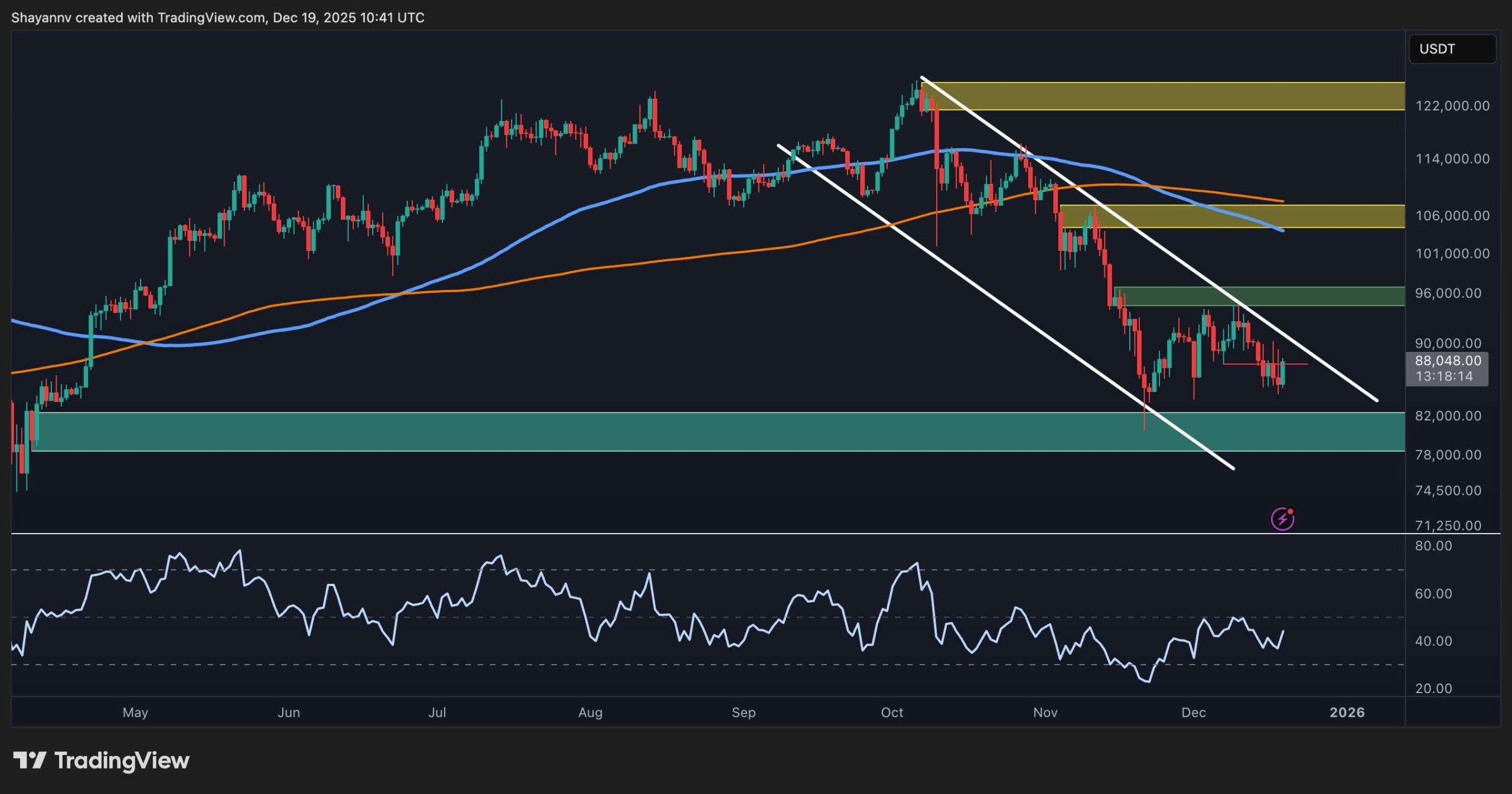
BTC価格分析:80,000ドル付近で注目すべき主要サポートレベル
ホット
現在、市場で大きな注目を集めているトレンドの暗号資産
暗号資産価格
取引高が最も多い暗号資産