BitcoinWorld Won-Pegged Stablecoin: Bank of Korea Governor Reveals Critical Doubts The world of digital finance is constantly evolving, with central banks worldwide grappling with the implications of new technologies like cryptocurrencies and stablecoins. In South Korea, a similar conversation is taking place, specifically concerning the potential introduction of a won-pegged stablecoin. The Bank of Korea, the nation’s central bank, is treading carefully, as highlighted by Governor Rhee Chang-yong’s recent remarks. Why the Caution Around a Won-Pegged Stablecoin? Bank of Korea Governor Rhee Chang-yong recently shared his cautious perspective on a potential won-pegged stablecoin. Speaking at a special lecture at Seoul National University, Rhee expressed significant uncertainty regarding the benefits such a digital asset might bring to the Korean economy. His primary concern revolves around a crucial question: What tangible advantages would a domestic stablecoin offer that aren’t already addressed by existing financial mechanisms? Moreover, the Governor pointed out a significant risk: the potential for a won-pegged stablecoin to disrupt the nation’s established monetary system. Introducing a new form of currency, even one pegged to the national fiat, could have unforeseen consequences on: Monetary policy effectiveness Financial stability The existing banking infrastructure These are not trivial concerns for a central bank tasked with maintaining economic stability. Navigating the Stablecoin Landscape: Domestic vs. Dollar-Pegged One might assume that introducing a domestic won-pegged stablecoin would help stem the tide of foreign-pegged stablecoins, particularly those linked to the U.S. dollar. However, Governor Rhee believes this isn’t necessarily the case. He articulated that issuing a local stablecoin would not automatically prevent the influx or usage of U.S. dollar-pegged stablecoins within the Korean market. Why this distinction? The reasons are multifaceted: Global Liquidity: U.S. dollar-pegged stablecoins often offer greater global liquidity and easier access to international markets. Investor Preference: Some investors might prefer the perceived stability and widespread acceptance of dollar-pegged assets, regardless of local alternatives. Regulatory Arbitrage: Different regulatory frameworks might incentivize the use of foreign stablecoins. Therefore, simply creating a won-pegged stablecoin does not solve the broader challenge of managing cross-border digital asset flows or the preferences of market participants. What Are the Potential Upsides of a Won-Pegged Stablecoin? (Even If Uncertain) While the Bank of Korea maintains a cautious stance, it’s worth considering the general arguments often made for stablecoins, even if their specific benefits for the Korean won are currently deemed uncertain by the Governor. Proponents often highlight: Payment Efficiency: Potential for faster, cheaper cross-border payments. Financial Inclusion: Greater access to financial services for underserved populations. Innovation: Fostering new financial products and services within the digital economy. However, Governor Rhee’s remarks suggest that for South Korea, these potential benefits are not yet compelling enough to outweigh the risks. The central bank’s primary role is to ensure stability, and any new financial instrument must clearly demonstrate its value without compromising this core mandate. The Bank of Korea’s stance reflects a pragmatic approach: prioritize stability and thoroughly assess the value proposition of new digital assets. The conversation around a won-pegged stablecoin is far from over, but for now, the emphasis remains on understanding its true impact before widespread adoption. As the digital finance landscape continues to evolve, central banks like the Bank of Korea will undoubtedly continue their careful evaluation, balancing innovation with the imperative of financial security. Frequently Asked Questions (FAQs) 1. What is a won-pegged stablecoin? A won-pegged stablecoin is a type of cryptocurrency designed to maintain a stable value by being pegged 1:1 to the South Korean Won. This means its value should theoretically always be equivalent to one Korean Won. 2. Why is the Bank of Korea cautious about a won-pegged stablecoin? Governor Rhee Chang-yong expressed caution due to the uncertain benefits of such a stablecoin and its potential to disrupt the existing monetary system. The central bank prioritizes financial stability. 3. Will a won-pegged stablecoin stop the use of USD-pegged stablecoins in Korea? Governor Rhee believes that issuing a domestic won-pegged stablecoin would not necessarily prevent the influx or usage of U.S. dollar-pegged stablecoins, citing factors like global liquidity and investor preference. 4. What are the general benefits often associated with stablecoins? Commonly cited benefits include improved payment efficiency, potential for greater financial inclusion, and fostering innovation in digital finance. However, the Bank of Korea questions if these apply compellingly to a won-pegged stablecoin in their context. 5. What is the Bank of Korea’s main priority regarding digital assets? The Bank of Korea’s primary goal is to ensure financial stability. Any new digital asset or financial instrument must clearly demonstrate its value without compromising this core mandate. Did Governor Rhee’s insights on the won-pegged stablecoin spark your interest? Share this article with your network on social media to keep the conversation going about the future of digital currencies and central bank policies! To learn more about the latest crypto market trends, explore our article on key developments shaping stablecoin price action. This post Won-Pegged Stablecoin: Bank of Korea Governor Reveals Critical Doubts first appeared on BitcoinWorld.BitcoinWorld Won-Pegged Stablecoin: Bank of Korea Governor Reveals Critical Doubts The world of digital finance is constantly evolving, with central banks worldwide grappling with the implications of new technologies like cryptocurrencies and stablecoins. In South Korea, a similar conversation is taking place, specifically concerning the potential introduction of a won-pegged stablecoin. The Bank of Korea, the nation’s central bank, is treading carefully, as highlighted by Governor Rhee Chang-yong’s recent remarks. Why the Caution Around a Won-Pegged Stablecoin? Bank of Korea Governor Rhee Chang-yong recently shared his cautious perspective on a potential won-pegged stablecoin. Speaking at a special lecture at Seoul National University, Rhee expressed significant uncertainty regarding the benefits such a digital asset might bring to the Korean economy. His primary concern revolves around a crucial question: What tangible advantages would a domestic stablecoin offer that aren’t already addressed by existing financial mechanisms? Moreover, the Governor pointed out a significant risk: the potential for a won-pegged stablecoin to disrupt the nation’s established monetary system. Introducing a new form of currency, even one pegged to the national fiat, could have unforeseen consequences on: Monetary policy effectiveness Financial stability The existing banking infrastructure These are not trivial concerns for a central bank tasked with maintaining economic stability. Navigating the Stablecoin Landscape: Domestic vs. Dollar-Pegged One might assume that introducing a domestic won-pegged stablecoin would help stem the tide of foreign-pegged stablecoins, particularly those linked to the U.S. dollar. However, Governor Rhee believes this isn’t necessarily the case. He articulated that issuing a local stablecoin would not automatically prevent the influx or usage of U.S. dollar-pegged stablecoins within the Korean market. Why this distinction? The reasons are multifaceted: Global Liquidity: U.S. dollar-pegged stablecoins often offer greater global liquidity and easier access to international markets. Investor Preference: Some investors might prefer the perceived stability and widespread acceptance of dollar-pegged assets, regardless of local alternatives. Regulatory Arbitrage: Different regulatory frameworks might incentivize the use of foreign stablecoins. Therefore, simply creating a won-pegged stablecoin does not solve the broader challenge of managing cross-border digital asset flows or the preferences of market participants. What Are the Potential Upsides of a Won-Pegged Stablecoin? (Even If Uncertain) While the Bank of Korea maintains a cautious stance, it’s worth considering the general arguments often made for stablecoins, even if their specific benefits for the Korean won are currently deemed uncertain by the Governor. Proponents often highlight: Payment Efficiency: Potential for faster, cheaper cross-border payments. Financial Inclusion: Greater access to financial services for underserved populations. Innovation: Fostering new financial products and services within the digital economy. However, Governor Rhee’s remarks suggest that for South Korea, these potential benefits are not yet compelling enough to outweigh the risks. The central bank’s primary role is to ensure stability, and any new financial instrument must clearly demonstrate its value without compromising this core mandate. The Bank of Korea’s stance reflects a pragmatic approach: prioritize stability and thoroughly assess the value proposition of new digital assets. The conversation around a won-pegged stablecoin is far from over, but for now, the emphasis remains on understanding its true impact before widespread adoption. As the digital finance landscape continues to evolve, central banks like the Bank of Korea will undoubtedly continue their careful evaluation, balancing innovation with the imperative of financial security. Frequently Asked Questions (FAQs) 1. What is a won-pegged stablecoin? A won-pegged stablecoin is a type of cryptocurrency designed to maintain a stable value by being pegged 1:1 to the South Korean Won. This means its value should theoretically always be equivalent to one Korean Won. 2. Why is the Bank of Korea cautious about a won-pegged stablecoin? Governor Rhee Chang-yong expressed caution due to the uncertain benefits of such a stablecoin and its potential to disrupt the existing monetary system. The central bank prioritizes financial stability. 3. Will a won-pegged stablecoin stop the use of USD-pegged stablecoins in Korea? Governor Rhee believes that issuing a domestic won-pegged stablecoin would not necessarily prevent the influx or usage of U.S. dollar-pegged stablecoins, citing factors like global liquidity and investor preference. 4. What are the general benefits often associated with stablecoins? Commonly cited benefits include improved payment efficiency, potential for greater financial inclusion, and fostering innovation in digital finance. However, the Bank of Korea questions if these apply compellingly to a won-pegged stablecoin in their context. 5. What is the Bank of Korea’s main priority regarding digital assets? The Bank of Korea’s primary goal is to ensure financial stability. Any new digital asset or financial instrument must clearly demonstrate its value without compromising this core mandate. Did Governor Rhee’s insights on the won-pegged stablecoin spark your interest? Share this article with your network on social media to keep the conversation going about the future of digital currencies and central bank policies! To learn more about the latest crypto market trends, explore our article on key developments shaping stablecoin price action. This post Won-Pegged Stablecoin: Bank of Korea Governor Reveals Critical Doubts first appeared on BitcoinWorld.

Won-Pegged Stablecoin: Bank of Korea Governor Reveals Critical Doubts

BitcoinWorld

Won-Pegged Stablecoin: Bank of Korea Governor Reveals Critical Doubts

The world of digital finance is constantly evolving, with central banks worldwide grappling with the implications of new technologies like cryptocurrencies and stablecoins. In South Korea, a similar conversation is taking place, specifically concerning the potential introduction of a won-pegged stablecoin. The Bank of Korea, the nation’s central bank, is treading carefully, as highlighted by Governor Rhee Chang-yong’s recent remarks.

Why the Caution Around a Won-Pegged Stablecoin?

Bank of Korea Governor Rhee Chang-yong recently shared his cautious perspective on a potential won-pegged stablecoin. Speaking at a special lecture at Seoul National University, Rhee expressed significant uncertainty regarding the benefits such a digital asset might bring to the Korean economy. His primary concern revolves around a crucial question: What tangible advantages would a domestic stablecoin offer that aren’t already addressed by existing financial mechanisms?

Moreover, the Governor pointed out a significant risk: the potential for a won-pegged stablecoin to disrupt the nation’s established monetary system. Introducing a new form of currency, even one pegged to the national fiat, could have unforeseen consequences on:

  • Monetary policy effectiveness
  • Financial stability
  • The existing banking infrastructure

These are not trivial concerns for a central bank tasked with maintaining economic stability.

One might assume that introducing a domestic won-pegged stablecoin would help stem the tide of foreign-pegged stablecoins, particularly those linked to the U.S. dollar. However, Governor Rhee believes this isn’t necessarily the case. He articulated that issuing a local stablecoin would not automatically prevent the influx or usage of U.S. dollar-pegged stablecoins within the Korean market.

Why this distinction? The reasons are multifaceted:

  • Global Liquidity: U.S. dollar-pegged stablecoins often offer greater global liquidity and easier access to international markets.
  • Investor Preference: Some investors might prefer the perceived stability and widespread acceptance of dollar-pegged assets, regardless of local alternatives.
  • Regulatory Arbitrage: Different regulatory frameworks might incentivize the use of foreign stablecoins.

Therefore, simply creating a won-pegged stablecoin does not solve the broader challenge of managing cross-border digital asset flows or the preferences of market participants.

What Are the Potential Upsides of a Won-Pegged Stablecoin? (Even If Uncertain)

While the Bank of Korea maintains a cautious stance, it’s worth considering the general arguments often made for stablecoins, even if their specific benefits for the Korean won are currently deemed uncertain by the Governor. Proponents often highlight:

  • Payment Efficiency: Potential for faster, cheaper cross-border payments.
  • Financial Inclusion: Greater access to financial services for underserved populations.
  • Innovation: Fostering new financial products and services within the digital economy.

However, Governor Rhee’s remarks suggest that for South Korea, these potential benefits are not yet compelling enough to outweigh the risks. The central bank’s primary role is to ensure stability, and any new financial instrument must clearly demonstrate its value without compromising this core mandate.

The Bank of Korea’s stance reflects a pragmatic approach: prioritize stability and thoroughly assess the value proposition of new digital assets. The conversation around a won-pegged stablecoin is far from over, but for now, the emphasis remains on understanding its true impact before widespread adoption. As the digital finance landscape continues to evolve, central banks like the Bank of Korea will undoubtedly continue their careful evaluation, balancing innovation with the imperative of financial security.

Frequently Asked Questions (FAQs)

1. What is a won-pegged stablecoin?
A won-pegged stablecoin is a type of cryptocurrency designed to maintain a stable value by being pegged 1:1 to the South Korean Won. This means its value should theoretically always be equivalent to one Korean Won.

2. Why is the Bank of Korea cautious about a won-pegged stablecoin?
Governor Rhee Chang-yong expressed caution due to the uncertain benefits of such a stablecoin and its potential to disrupt the existing monetary system. The central bank prioritizes financial stability.

3. Will a won-pegged stablecoin stop the use of USD-pegged stablecoins in Korea?
Governor Rhee believes that issuing a domestic won-pegged stablecoin would not necessarily prevent the influx or usage of U.S. dollar-pegged stablecoins, citing factors like global liquidity and investor preference.

4. What are the general benefits often associated with stablecoins?
Commonly cited benefits include improved payment efficiency, potential for greater financial inclusion, and fostering innovation in digital finance. However, the Bank of Korea questions if these apply compellingly to a won-pegged stablecoin in their context.

5. What is the Bank of Korea’s main priority regarding digital assets?
The Bank of Korea’s primary goal is to ensure financial stability. Any new digital asset or financial instrument must clearly demonstrate its value without compromising this core mandate.

Did Governor Rhee’s insights on the won-pegged stablecoin spark your interest? Share this article with your network on social media to keep the conversation going about the future of digital currencies and central bank policies!

To learn more about the latest crypto market trends, explore our article on key developments shaping stablecoin price action.

This post Won-Pegged Stablecoin: Bank of Korea Governor Reveals Critical Doubts first appeared on BitcoinWorld.

Market Opportunity
LETSTOP Logo
LETSTOP Price(STOP)
$0.01525
$0.01525$0.01525
-2.55%
USD
LETSTOP (STOP) Live Price Chart
Disclaimer: The articles reposted on this site are sourced from public platforms and are provided for informational purposes only. They do not necessarily reflect the views of MEXC. All rights remain with the original authors. If you believe any content infringes on third-party rights, please contact service@support.mexc.com for removal. MEXC makes no guarantees regarding the accuracy, completeness, or timeliness of the content and is not responsible for any actions taken based on the information provided. The content does not constitute financial, legal, or other professional advice, nor should it be considered a recommendation or endorsement by MEXC.

You May Also Like

Franklin Templeton CEO Dismisses 50bps Rate Cut Ahead FOMC
Franklin Templeton CEO Dismisses 50bps Rate Cut Ahead FOMC

The post Franklin Templeton CEO Dismisses 50bps Rate Cut Ahead FOMC appeared on BitcoinEthereumNews.com. Franklin Templeton CEO Jenny Johnson has weighed in on whether the Federal Reserve should make a 25 basis points (bps) Fed rate cut or 50 bps cut. This comes ahead of the Fed decision today at today’s FOMC meeting, with the market pricing in a 25 bps cut. Bitcoin and the broader crypto market are currently trading flat ahead of the rate cut decision. Franklin Templeton CEO Weighs In On Potential FOMC Decision In a CNBC interview, Jenny Johnson said that she expects the Fed to make a 25 bps cut today instead of a 50 bps cut. She acknowledged the jobs data, which suggested that the labor market is weakening. However, she noted that this data is backward-looking, indicating that it doesn’t show the current state of the economy. She alluded to the wage growth, which she remarked is an indication of a robust labor market. She added that retail sales are up and that consumers are still spending, despite inflation being sticky at 3%, which makes a case for why the FOMC should opt against a 50-basis-point Fed rate cut. In line with this, the Franklin Templeton CEO said that she would go with a 25 bps rate cut if she were Jerome Powell. She remarked that the Fed still has the October and December FOMC meetings to make further cuts if the incoming data warrants it. Johnson also asserted that the data show a robust economy. However, she noted that there can’t be an argument for no Fed rate cut since Powell already signaled at Jackson Hole that they were likely to lower interest rates at this meeting due to concerns over a weakening labor market. Notably, her comment comes as experts argue for both sides on why the Fed should make a 25 bps cut or…
Share
BitcoinEthereumNews2025/09/18 00:36
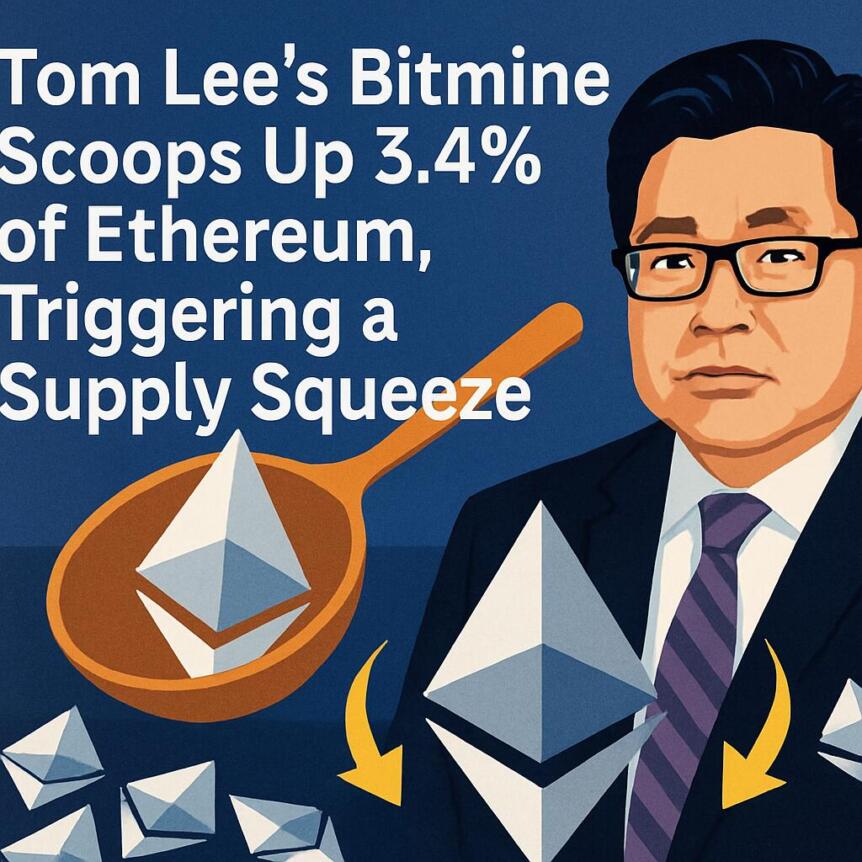
Tom Lee’s Bitmine Scoops Up 3.4% of Ethereum, Triggering a Supply Squeeze

Tom Lee’s Bitmine Scoops Up 3.4% of Ethereum, Triggering a Supply Squeeze

Bitmine Immersion now controls 3.4% of Ethereum amid shrinking exchange supply and rising institutional accumulation.
Share
Crypto Breaking News2026/01/20 16:27
Pendle introduces the sPENDLE mechanism to replace vePENDLE and introduce liquidity staking.

Pendle introduces the sPENDLE mechanism to replace vePENDLE and introduce liquidity staking.

PANews reported on January 20th that, according to an official Pendle announcement, vePENDLE will be completely replaced by the sPENDLE mechanism. sPENDLE is a
Share
PANews2026/01/20 16:38
