BitcoinWorld Shocking U.S. Stock Market Dip: What Does It Mean for Investors? The financial world often experiences its ups and downs, and recently, the U.S. stock market has seen a noticeable dip. Investors watched closely as the three major U.S. stock indices closed lower, signaling a moment of caution in the markets. But what exactly caused this downturn, and what does it signify for both traditional and crypto investors? Understanding the Recent U.S. Stock Market Performance On a recent trading day, the performance of key indices painted a clear picture of a market pulling back. This isn’t just a minor fluctuation; it reflects broader economic sentiments and investor reactions to current events. Let’s break down the numbers: S&P 500: Closed down by 0.13% Nasdaq: Saw a decrease of 0.07% Dow: Experienced a 0.27% drop These figures, while seemingly small, represent significant movements of capital and shifts in investor confidence across the entire U.S. stock market. When such major indices move in unison, it often indicates a widespread sentiment rather than isolated sector-specific issues. What Factors Influence the U.S. Stock Market Downturn? Several factors can contribute to a broad market decline. Often, these movements are a culmination of various economic indicators and geopolitical events. For instance, concerns over inflation, the Federal Reserve’s stance on interest rates, or even global supply chain disruptions can all play a role. Investors frequently react to news that might impact corporate earnings or the overall economic outlook, leading to selling pressure. When the U.S. stock market experiences a downturn, it’s a signal for many to re-evaluate their portfolios. It prompts questions about economic stability and future growth prospects. Moreover, such shifts can sometimes create ripple effects across other asset classes, including the dynamic world of cryptocurrencies. How Does the U.S. Stock Market Impact Crypto? It’s a common misconception that the cryptocurrency market operates entirely independently of traditional finance. However, this isn’t always the case. In times of uncertainty in the U.S. stock market, investors often seek safer havens or, conversely, liquidate riskier assets across the board. Cryptocurrencies, particularly Bitcoin and Ethereum, have shown increasing correlation with major stock indices like the S&P 500 in recent years. When the stock market dips, some investors might pull funds from all perceived ‘risk-on’ assets, including crypto, to reduce overall exposure. Conversely, others might see crypto as an alternative store of value or a hedge against traditional market volatility. Therefore, understanding traditional market movements is crucial for any crypto enthusiast. Navigating Market Volatility: Actionable Insights for Investors Periods of market volatility can be challenging, but they also present opportunities for informed investors. Here are some actionable insights: Stay Informed: Keep an eye on economic news, interest rate decisions, and geopolitical developments that could influence the U.S. stock market. Diversify Your Portfolio: Don’t put all your eggs in one basket. A well-diversified portfolio, potentially including a mix of traditional stocks, bonds, and cryptocurrencies, can help mitigate risks. Consider Long-Term Goals: Short-term market dips are often part of the investment cycle. Focusing on your long-term financial goals can help you avoid making impulsive decisions based on daily fluctuations. Re-evaluate Risk Tolerance: Understand your comfort level with risk and adjust your investment strategy accordingly. Ultimately, the recent downturn in the U.S. stock market serves as a reminder that markets are dynamic and constantly reacting to a myriad of influences. For both seasoned and new investors, staying informed and adopting a strategic approach is key to navigating these complex financial waters. This market movement, while minor in percentage terms, underscores the constant interplay of economic forces and investor psychology. By understanding these dynamics, you can make more informed decisions about your investments, whether they are in traditional stocks or the evolving crypto landscape. Frequently Asked Questions (FAQs) Q1: What does it mean when major U.S. indices close lower? A1: When major U.S. indices like the S&P 500, Nasdaq, and Dow close lower, it indicates a broad-based decline in stock prices across various sectors of the U.S. stock market. This generally reflects a negative sentiment among investors due to concerns about economic performance, corporate earnings, or other market-influencing factors. Q2: How quickly can the U.S. stock market recover from a dip? A2: The speed of recovery for the U.S. stock market can vary greatly depending on the underlying causes of the dip. Minor corrections might see quick recoveries, sometimes within days or weeks, while more significant downturns (like bear markets) can take months or even years to fully recover. It depends on economic data, investor confidence, and policy responses. Q3: Should I sell my investments when the U.S. stock market goes down? A3: Selling investments during a market downturn is often not recommended for long-term investors, as it can lock in losses and prevent participation in the eventual recovery. Many financial advisors suggest maintaining a long-term perspective, reviewing your portfolio, and possibly even considering buying opportunities if they align with your investment strategy and risk tolerance. Q4: Is there a direct link between the U.S. stock market and cryptocurrency prices? A4: While not always direct, there has been an increasing correlation between the U.S. stock market (especially tech-heavy indices like Nasdaq) and cryptocurrency prices, particularly for major assets like Bitcoin and Ethereum. When traditional markets face uncertainty, it can sometimes lead to a broader risk-off sentiment that also affects crypto, as both are often seen as riskier assets by some investors. Q5: What role do economic reports play in U.S. stock market performance? A5: Economic reports, such as inflation data, employment figures, GDP growth, and consumer confidence surveys, play a crucial role in influencing U.S. stock market performance. Positive reports can boost investor confidence and drive prices up, while negative reports can trigger concerns about economic health, leading to market downturns as investors adjust their expectations for corporate profits and future growth. If you found this analysis helpful, please share it with your network! Understanding market movements is key to navigating today’s financial landscape. Share this article on your favorite social media platforms to help others stay informed about the U.S. stock market and its implications. To learn more about the latest explore our article on key developments shaping the crypto market institutional adoption. This post Shocking U.S. Stock Market Dip: What Does It Mean for Investors? first appeared on BitcoinWorld.BitcoinWorld Shocking U.S. Stock Market Dip: What Does It Mean for Investors? The financial world often experiences its ups and downs, and recently, the U.S. stock market has seen a noticeable dip. Investors watched closely as the three major U.S. stock indices closed lower, signaling a moment of caution in the markets. But what exactly caused this downturn, and what does it signify for both traditional and crypto investors? Understanding the Recent U.S. Stock Market Performance On a recent trading day, the performance of key indices painted a clear picture of a market pulling back. This isn’t just a minor fluctuation; it reflects broader economic sentiments and investor reactions to current events. Let’s break down the numbers: S&P 500: Closed down by 0.13% Nasdaq: Saw a decrease of 0.07% Dow: Experienced a 0.27% drop These figures, while seemingly small, represent significant movements of capital and shifts in investor confidence across the entire U.S. stock market. When such major indices move in unison, it often indicates a widespread sentiment rather than isolated sector-specific issues. What Factors Influence the U.S. Stock Market Downturn? Several factors can contribute to a broad market decline. Often, these movements are a culmination of various economic indicators and geopolitical events. For instance, concerns over inflation, the Federal Reserve’s stance on interest rates, or even global supply chain disruptions can all play a role. Investors frequently react to news that might impact corporate earnings or the overall economic outlook, leading to selling pressure. When the U.S. stock market experiences a downturn, it’s a signal for many to re-evaluate their portfolios. It prompts questions about economic stability and future growth prospects. Moreover, such shifts can sometimes create ripple effects across other asset classes, including the dynamic world of cryptocurrencies. How Does the U.S. Stock Market Impact Crypto? It’s a common misconception that the cryptocurrency market operates entirely independently of traditional finance. However, this isn’t always the case. In times of uncertainty in the U.S. stock market, investors often seek safer havens or, conversely, liquidate riskier assets across the board. Cryptocurrencies, particularly Bitcoin and Ethereum, have shown increasing correlation with major stock indices like the S&P 500 in recent years. When the stock market dips, some investors might pull funds from all perceived ‘risk-on’ assets, including crypto, to reduce overall exposure. Conversely, others might see crypto as an alternative store of value or a hedge against traditional market volatility. Therefore, understanding traditional market movements is crucial for any crypto enthusiast. Navigating Market Volatility: Actionable Insights for Investors Periods of market volatility can be challenging, but they also present opportunities for informed investors. Here are some actionable insights: Stay Informed: Keep an eye on economic news, interest rate decisions, and geopolitical developments that could influence the U.S. stock market. Diversify Your Portfolio: Don’t put all your eggs in one basket. A well-diversified portfolio, potentially including a mix of traditional stocks, bonds, and cryptocurrencies, can help mitigate risks. Consider Long-Term Goals: Short-term market dips are often part of the investment cycle. Focusing on your long-term financial goals can help you avoid making impulsive decisions based on daily fluctuations. Re-evaluate Risk Tolerance: Understand your comfort level with risk and adjust your investment strategy accordingly. Ultimately, the recent downturn in the U.S. stock market serves as a reminder that markets are dynamic and constantly reacting to a myriad of influences. For both seasoned and new investors, staying informed and adopting a strategic approach is key to navigating these complex financial waters. This market movement, while minor in percentage terms, underscores the constant interplay of economic forces and investor psychology. By understanding these dynamics, you can make more informed decisions about your investments, whether they are in traditional stocks or the evolving crypto landscape. Frequently Asked Questions (FAQs) Q1: What does it mean when major U.S. indices close lower? A1: When major U.S. indices like the S&P 500, Nasdaq, and Dow close lower, it indicates a broad-based decline in stock prices across various sectors of the U.S. stock market. This generally reflects a negative sentiment among investors due to concerns about economic performance, corporate earnings, or other market-influencing factors. Q2: How quickly can the U.S. stock market recover from a dip? A2: The speed of recovery for the U.S. stock market can vary greatly depending on the underlying causes of the dip. Minor corrections might see quick recoveries, sometimes within days or weeks, while more significant downturns (like bear markets) can take months or even years to fully recover. It depends on economic data, investor confidence, and policy responses. Q3: Should I sell my investments when the U.S. stock market goes down? A3: Selling investments during a market downturn is often not recommended for long-term investors, as it can lock in losses and prevent participation in the eventual recovery. Many financial advisors suggest maintaining a long-term perspective, reviewing your portfolio, and possibly even considering buying opportunities if they align with your investment strategy and risk tolerance. Q4: Is there a direct link between the U.S. stock market and cryptocurrency prices? A4: While not always direct, there has been an increasing correlation between the U.S. stock market (especially tech-heavy indices like Nasdaq) and cryptocurrency prices, particularly for major assets like Bitcoin and Ethereum. When traditional markets face uncertainty, it can sometimes lead to a broader risk-off sentiment that also affects crypto, as both are often seen as riskier assets by some investors. Q5: What role do economic reports play in U.S. stock market performance? A5: Economic reports, such as inflation data, employment figures, GDP growth, and consumer confidence surveys, play a crucial role in influencing U.S. stock market performance. Positive reports can boost investor confidence and drive prices up, while negative reports can trigger concerns about economic health, leading to market downturns as investors adjust their expectations for corporate profits and future growth. If you found this analysis helpful, please share it with your network! Understanding market movements is key to navigating today’s financial landscape. Share this article on your favorite social media platforms to help others stay informed about the U.S. stock market and its implications. To learn more about the latest explore our article on key developments shaping the crypto market institutional adoption. This post Shocking U.S. Stock Market Dip: What Does It Mean for Investors? first appeared on BitcoinWorld.

Shocking U.S. Stock Market Dip: What Does It Mean for Investors?

2025/09/17 04:45
6 min read
For feedback or concerns regarding this content, please contact us at crypto.news@mexc.com

BitcoinWorld

Shocking U.S. Stock Market Dip: What Does It Mean for Investors?

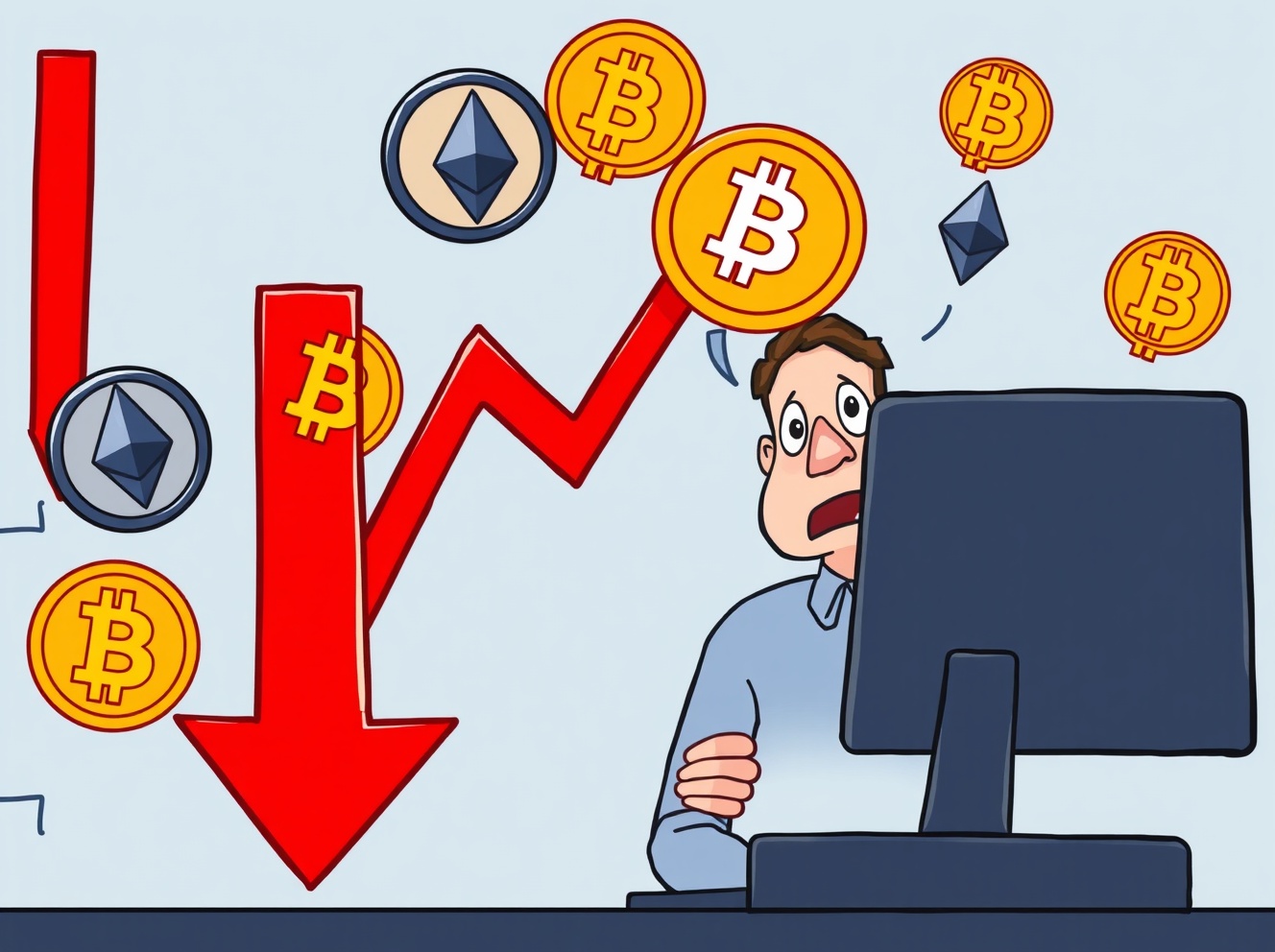
The financial world often experiences its ups and downs, and recently, the U.S. stock market has seen a noticeable dip. Investors watched closely as the three major U.S. stock indices closed lower, signaling a moment of caution in the markets. But what exactly caused this downturn, and what does it signify for both traditional and crypto investors?

Understanding the Recent U.S. Stock Market Performance

On a recent trading day, the performance of key indices painted a clear picture of a market pulling back. This isn’t just a minor fluctuation; it reflects broader economic sentiments and investor reactions to current events. Let’s break down the numbers:

  • S&P 500: Closed down by 0.13%
  • Nasdaq: Saw a decrease of 0.07%
  • Dow: Experienced a 0.27% drop

These figures, while seemingly small, represent significant movements of capital and shifts in investor confidence across the entire U.S. stock market. When such major indices move in unison, it often indicates a widespread sentiment rather than isolated sector-specific issues.

What Factors Influence the U.S. Stock Market Downturn?

Several factors can contribute to a broad market decline. Often, these movements are a culmination of various economic indicators and geopolitical events. For instance, concerns over inflation, the Federal Reserve’s stance on interest rates, or even global supply chain disruptions can all play a role. Investors frequently react to news that might impact corporate earnings or the overall economic outlook, leading to selling pressure.

When the U.S. stock market experiences a downturn, it’s a signal for many to re-evaluate their portfolios. It prompts questions about economic stability and future growth prospects. Moreover, such shifts can sometimes create ripple effects across other asset classes, including the dynamic world of cryptocurrencies.

How Does the U.S. Stock Market Impact Crypto?

It’s a common misconception that the cryptocurrency market operates entirely independently of traditional finance. However, this isn’t always the case. In times of uncertainty in the U.S. stock market, investors often seek safer havens or, conversely, liquidate riskier assets across the board. Cryptocurrencies, particularly Bitcoin and Ethereum, have shown increasing correlation with major stock indices like the S&P 500 in recent years.

When the stock market dips, some investors might pull funds from all perceived ‘risk-on’ assets, including crypto, to reduce overall exposure. Conversely, others might see crypto as an alternative store of value or a hedge against traditional market volatility. Therefore, understanding traditional market movements is crucial for any crypto enthusiast.

Navigating Market Volatility: Actionable Insights for Investors

Periods of market volatility can be challenging, but they also present opportunities for informed investors. Here are some actionable insights:

  • Stay Informed: Keep an eye on economic news, interest rate decisions, and geopolitical developments that could influence the U.S. stock market.
  • Diversify Your Portfolio: Don’t put all your eggs in one basket. A well-diversified portfolio, potentially including a mix of traditional stocks, bonds, and cryptocurrencies, can help mitigate risks.
  • Consider Long-Term Goals: Short-term market dips are often part of the investment cycle. Focusing on your long-term financial goals can help you avoid making impulsive decisions based on daily fluctuations.
  • Re-evaluate Risk Tolerance: Understand your comfort level with risk and adjust your investment strategy accordingly.

Ultimately, the recent downturn in the U.S. stock market serves as a reminder that markets are dynamic and constantly reacting to a myriad of influences. For both seasoned and new investors, staying informed and adopting a strategic approach is key to navigating these complex financial waters.

This market movement, while minor in percentage terms, underscores the constant interplay of economic forces and investor psychology. By understanding these dynamics, you can make more informed decisions about your investments, whether they are in traditional stocks or the evolving crypto landscape.

Frequently Asked Questions (FAQs)

Q1: What does it mean when major U.S. indices close lower?

A1: When major U.S. indices like the S&P 500, Nasdaq, and Dow close lower, it indicates a broad-based decline in stock prices across various sectors of the U.S. stock market. This generally reflects a negative sentiment among investors due to concerns about economic performance, corporate earnings, or other market-influencing factors.

Q2: How quickly can the U.S. stock market recover from a dip?

A2: The speed of recovery for the U.S. stock market can vary greatly depending on the underlying causes of the dip. Minor corrections might see quick recoveries, sometimes within days or weeks, while more significant downturns (like bear markets) can take months or even years to fully recover. It depends on economic data, investor confidence, and policy responses.

Q3: Should I sell my investments when the U.S. stock market goes down?

A3: Selling investments during a market downturn is often not recommended for long-term investors, as it can lock in losses and prevent participation in the eventual recovery. Many financial advisors suggest maintaining a long-term perspective, reviewing your portfolio, and possibly even considering buying opportunities if they align with your investment strategy and risk tolerance.

Q4: Is there a direct link between the U.S. stock market and cryptocurrency prices?

A4: While not always direct, there has been an increasing correlation between the U.S. stock market (especially tech-heavy indices like Nasdaq) and cryptocurrency prices, particularly for major assets like Bitcoin and Ethereum. When traditional markets face uncertainty, it can sometimes lead to a broader risk-off sentiment that also affects crypto, as both are often seen as riskier assets by some investors.

Q5: What role do economic reports play in U.S. stock market performance?

A5: Economic reports, such as inflation data, employment figures, GDP growth, and consumer confidence surveys, play a crucial role in influencing U.S. stock market performance. Positive reports can boost investor confidence and drive prices up, while negative reports can trigger concerns about economic health, leading to market downturns as investors adjust their expectations for corporate profits and future growth.

If you found this analysis helpful, please share it with your network! Understanding market movements is key to navigating today’s financial landscape. Share this article on your favorite social media platforms to help others stay informed about the U.S. stock market and its implications.

To learn more about the latest explore our article on key developments shaping the crypto market institutional adoption.

This post Shocking U.S. Stock Market Dip: What Does It Mean for Investors? first appeared on BitcoinWorld.

Market Opportunity
Threshold Logo
Threshold Price(T)
$0.007109
$0.007109$0.007109
+2.37%
USD
Threshold (T) Live Price Chart
Disclaimer: The articles reposted on this site are sourced from public platforms and are provided for informational purposes only. They do not necessarily reflect the views of MEXC. All rights remain with the original authors. If you believe any content infringes on third-party rights, please contact crypto.news@mexc.com for removal. MEXC makes no guarantees regarding the accuracy, completeness, or timeliness of the content and is not responsible for any actions taken based on the information provided. The content does not constitute financial, legal, or other professional advice, nor should it be considered a recommendation or endorsement by MEXC.

You May Also Like

Franklin Templeton CEO Dismisses 50bps Rate Cut Ahead FOMC

Franklin Templeton CEO Dismisses 50bps Rate Cut Ahead FOMC

The post Franklin Templeton CEO Dismisses 50bps Rate Cut Ahead FOMC appeared on BitcoinEthereumNews.com. Franklin Templeton CEO Jenny Johnson has weighed in on whether the Federal Reserve should make a 25 basis points (bps) Fed rate cut or 50 bps cut. This comes ahead of the Fed decision today at today’s FOMC meeting, with the market pricing in a 25 bps cut. Bitcoin and the broader crypto market are currently trading flat ahead of the rate cut decision. Franklin Templeton CEO Weighs In On Potential FOMC Decision In a CNBC interview, Jenny Johnson said that she expects the Fed to make a 25 bps cut today instead of a 50 bps cut. She acknowledged the jobs data, which suggested that the labor market is weakening. However, she noted that this data is backward-looking, indicating that it doesn’t show the current state of the economy. She alluded to the wage growth, which she remarked is an indication of a robust labor market. She added that retail sales are up and that consumers are still spending, despite inflation being sticky at 3%, which makes a case for why the FOMC should opt against a 50-basis-point Fed rate cut. In line with this, the Franklin Templeton CEO said that she would go with a 25 bps rate cut if she were Jerome Powell. She remarked that the Fed still has the October and December FOMC meetings to make further cuts if the incoming data warrants it. Johnson also asserted that the data show a robust economy. However, she noted that there can’t be an argument for no Fed rate cut since Powell already signaled at Jackson Hole that they were likely to lower interest rates at this meeting due to concerns over a weakening labor market. Notably, her comment comes as experts argue for both sides on why the Fed should make a 25 bps cut or…
Share
BitcoinEthereumNews2025/09/18 00:36
OpenVPP accused of falsely advertising cooperation with the US government; SEC commissioner clarifies no involvement


OpenVPP accused of falsely advertising cooperation with the US government; SEC commissioner clarifies no involvement

PANews reported on September 17th that on-chain sleuth ZachXBT tweeted that OpenVPP ( $OVPP ) announced this week that it was collaborating with the US government to advance energy tokenization. SEC Commissioner Hester Peirce subsequently responded, stating that the company does not collaborate with or endorse any private crypto projects. The OpenVPP team subsequently hid the response. Several crypto influencers have participated in promoting the project, and the accounts involved have been questioned as typical influencer accounts.
Share
PANews2025/09/17 23:58
Solana Sees $10M Capital Rotation, Eyes $100 Breakout

Solana Sees $10M Capital Rotation, Eyes $100 Breakout

The post Solana Sees $10M Capital Rotation, Eyes $100 Breakout appeared on BitcoinEthereumNews.com. Capital rotation into Solana accelerated this week as traders
Share
BitcoinEthereumNews2026/03/18 00:18