Coin Center: Trump’s Pro-Crypto Talk Doesn’t Shield Privacy Developers From Prosecution
Coin Center, the leading crypto policy nonprofit, is warning that the Trump administration’s public embrace of digital assets has not translated into legal safety for privacy-focused developers. Despite a high-profile Department of Justice memo pledging to end “regulation by prosecution,” active criminal cases against developers of tools like Tornado Cash and Samourai Wallet continue, creating what the group calls a deepening legal dilemma.
The contradiction sits at the center of a policy fight that could define the future of open-source crypto development in the United States. Developers who build non-custodial privacy tools face prison sentences under existing law, even as the White House signals that the industry has nothing to fear.
Coin Center Names the Contradiction: Friendly Signals, Active Prosecutions
On April 7, 2025, Deputy Attorney General Todd Blanche issued a memo titled “Ending Regulation by Prosecution,” which disbanded the National Cryptocurrency Enforcement Team (NCET) and stated the DOJ would no longer target virtual currency exchanges, mixing and tumbling services, or offline wallets for the actions of their end users.
Coin Center Executive Director Peter Van Valkenburgh initially called the memo “right on target.” But nearly a year later, his assessment has darkened considerably. The prosecutions the memo was expected to resolve have instead continued or escalated.
Source: @valkenburgh on X
Van Valkenburgh now describes a situation where the government “can effectively go after developers when they want to go after them, and then claim to be pro-developer when they want to claim to be pro-developer.” For builders working on privacy infrastructure, the result is legal paralysis: no formal safe harbor, no binding legal clarity, and no clear path to obtaining either.
Which Developers Are Caught in the Crossfire
The cases Coin Center points to are not hypothetical. Samourai Wallet co-founders Keonne Rodriguez and William Lonergan Hill were sentenced in November 2025 to five and four years in federal prison respectively, plus $250,000 fines each, for conspiracy to operate an unlicensed money transmitting business.
Prosecutors alleged the Samourai platform processed over $237 million in illicit transactions across more than 80,000 BTC (valued at roughly $2 billion) and collected approximately $6 million in fees. Those sentences landed months after the Blanche memo promised a new approach.
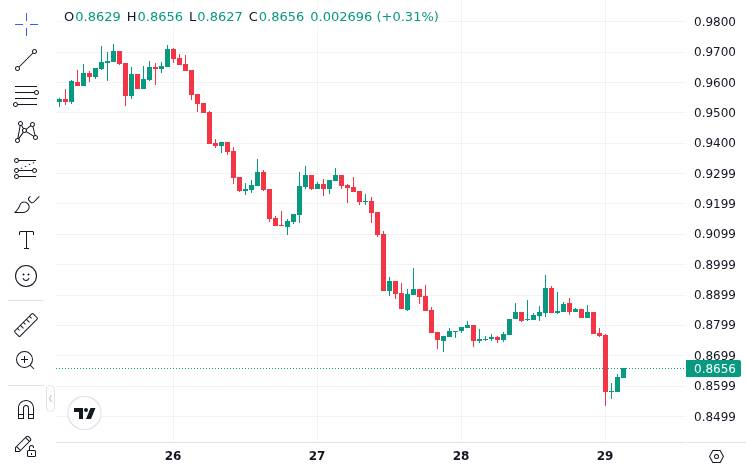 CoinMarketCap market data view showing broader crypto market conditions amid regulatory uncertainty.
Tornado Cash co-founder Roman Storm was partially convicted in August 2025 on one count of operating an unlicensed money transmitting business. The jury deadlocked on money laundering and sanctions violation charges. Rather than letting those counts drop, the Trump DOJ filed in March 2026 to retry Storm on both dismissed charges, directly contradicting the spirit of the Blanche memo.
The decision to pursue a retrial is particularly striking. If the administration genuinely intended to stop prosecuting developers of privacy tools, the Storm case offered a clean opportunity to demonstrate that commitment. Instead, the DOJ escalated.
The Catch-22: Why Verbal Leniency Makes Things Worse
Perhaps the most damaging consequence of the administration’s approach is not the continued prosecutions themselves, but how courts are using the government’s own rhetoric to deny developers legal protection.
On March 25, 2026, Judge Reed O’Connor dismissed a pre-enforcement lawsuit brought by developer Michael Lewellen, who sought binding legal clarity on whether building non-custodial software could trigger money transmission charges. The court ruled that the DOJ’s own deprioritization pledge proved there was no “credible threat of prosecution,” eliminating Lewellen’s standing to sue.
This creates what Coin Center describes as a systemic trap. Developers cannot get courts to rule on the legality of their work because the government says it will not prosecute them, while the government simultaneously prosecutes other developers doing similar work. The growing scale of crypto infrastructure, including stablecoins that processed trillions in volume last year, makes this legal ambiguity increasingly untenable for the broader ecosystem.
The regulatory environment has contributed to broader market unease, with the Fear & Greed Index sitting at 9, deep in “Extreme Fear” territory, as enforcement uncertainty compounds macroeconomic headwinds.
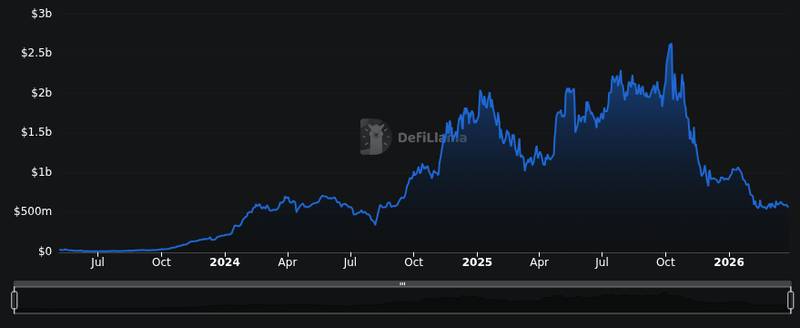 DeFi ecosystem snapshot reflecting broader market conditions during a period of heightened regulatory uncertainty.
Why Rhetoric Alone Cannot Solve the Dilemma
The underlying legal framework has not changed. The Bank Secrecy Act’s money transmission statutes remain intact, and no formal DOJ directive has been issued that would bind prosecutors in individual cases. A deputy attorney general’s memo is a policy signal, not law, and can be reversed or ignored by line prosecutors without consequence.
Coin Center has identified three paths that could materially change developer exposure: a binding DOJ policy directive (not a memo), a definitive court ruling establishing that non-custodial software development is not money transmission, or legislation. The organization is lobbying the U.S. Senate to include the Blockchain Regulatory Certainty Act (BRCA) in upcoming market structure legislation. The BRCA would codify FinCEN’s longstanding guidance that non-custodial developers do not need to register as money transmitters.
With the Lewellen lawsuit dismissed and the Storm retrial pending, the legislative route may be the only realistic option. Court challenges face the standing problem the Lewellen case exposed, and the DOJ has shown no inclination to formalize its verbal assurances into binding policy.
For developers building privacy tools and decentralized financial infrastructure, the message from Coin Center is clear: watch Congress and formal DOJ guidance, not White House statements, as the real signal for whether the legal landscape has shifted. Until then, building privacy software in the United States remains a calculated legal risk, regardless of what any administration says publicly.
Disclaimer: This article is for informational purposes only and does not constitute financial or investment advice. Cryptocurrency and digital asset markets carry significant risk. Always do your own research before making decisions.


You May Also Like

Data focus shifts to payrolls – Societe Generale

MEXC Chain Observation Daily Day 1