Strategic Summit: Trump, Modi, and Musk Forge Unprecedented Alliance on Iran Crisis
BitcoinWorld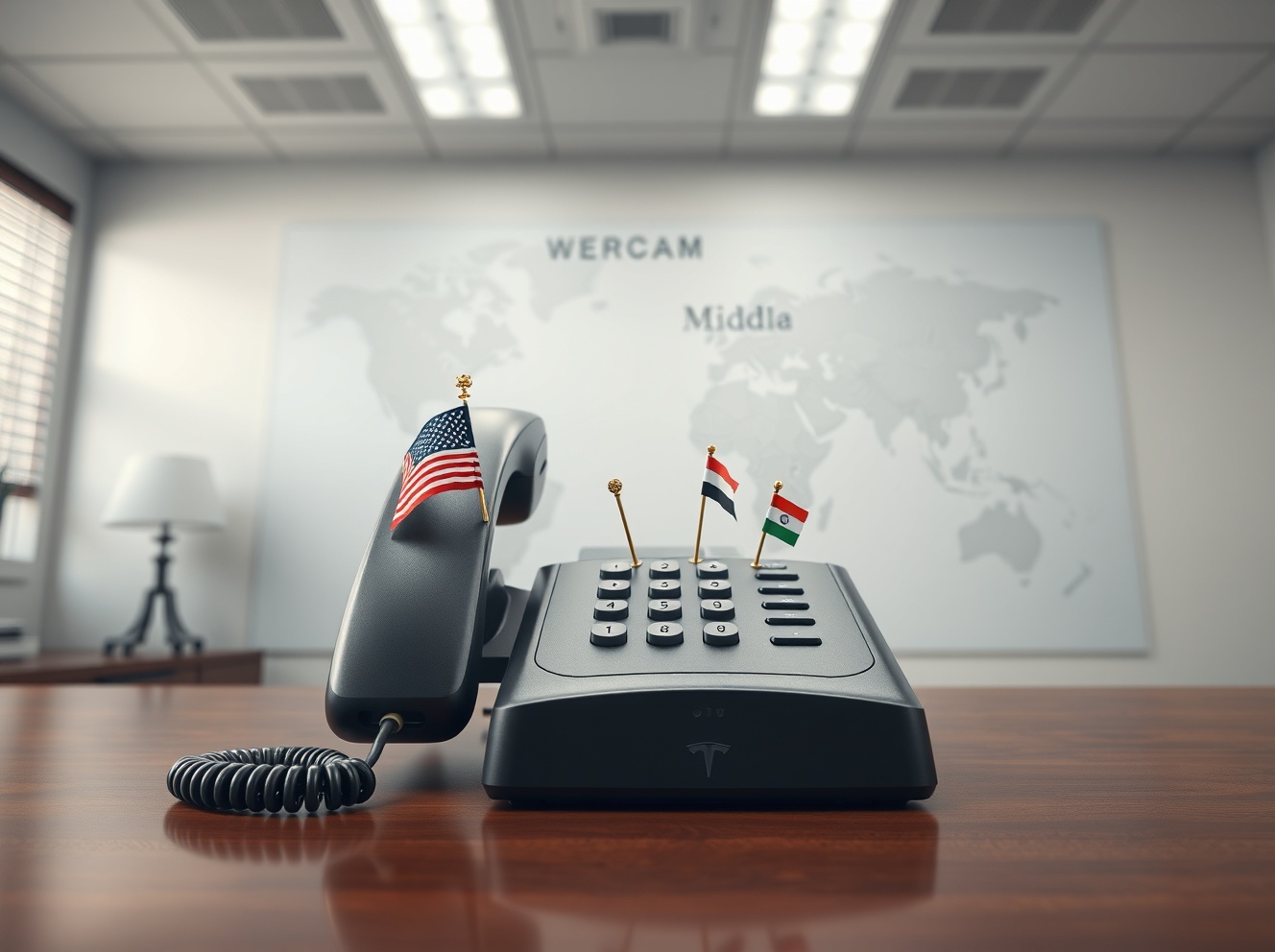
Strategic Summit: Trump, Modi, and Musk Forge Unprecedented Alliance on Iran Crisis
WASHINGTON, D.C. / NEW DELHI – In a move signaling a new era of geopolitical coordination, U.S. President Donald Trump and Indian Prime Minister Narendra Modi held a critical discussion on the escalating conflict in Iran. Notably, Tesla and SpaceX CEO Elon Musk joined the high-level call, as first reported by The New York Times. This unprecedented convergence of state leadership and technology moguls marks a significant development in international crisis management. The discussion, which occurred against a backdrop of rising tensions in the Persian Gulf, underscores the complex interplay between traditional diplomacy and emerging technological influence in 21st-century statecraft.
Analyzing the Trump-Modi-Musk Iran War Discussion
The reported conversation represents a multifaceted diplomatic engagement. Firstly, it continues the established strategic dialogue between the United States and India. Both nations share significant concerns regarding regional stability and energy security, which the Iran conflict directly threatens. Secondly, the inclusion of Elon Musk introduces a novel, non-state actor into a high-stakes security dialogue. Musk’s companies, particularly SpaceX with its Starlink satellite constellation, possess infrastructure with potential dual-use applications in conflict zones. Consequently, his perspective on secure communications, logistics, or surveillance could be highly relevant. Furthermore, the call likely addressed immediate de-escalation efforts, humanitarian corridors, and the security of crucial maritime passages like the Strait of Hormuz.
Historical context is essential for understanding this dialogue. The U.S.-India relationship has deepened substantially over recent decades, evolving into a “Comprehensive Global Strategic Partnership.” Key pillars of this partnership include:
- Defense and Security: Major defense agreements and joint military exercises.
- Economic Ties: Robust trade and investment flows between the two democracies.
- Indo-Pacific Strategy: Shared vision for a free, open, and inclusive Indo-Pacific region.
Therefore, consulting on a major Middle Eastern crisis is a logical extension of this partnership. Meanwhile, Elon Musk’s role is less conventional. His attendance points to the growing influence of technology CEOs in geopolitical affairs, where their assets and expertise can impact national security outcomes.
Geopolitical Implications of the Tripartite Call
The involvement of the Indian Prime Minister carries substantial weight. India maintains historically cordial relations with Iran and is a major purchaser of Iranian oil, though recent sanctions have complicated this trade. Modi’s participation suggests India is positioning itself as a potential intermediary or stakeholder seeking a balanced outcome. His perspective would provide the U.S. administration with crucial insight into regional dynamics beyond the traditional Gulf Arab allies. Simultaneously, for India, the call represents an opportunity to protect its significant diaspora and economic interests in the region while reinforcing its global strategic relevance.
Expert Analysis on Tech Diplomacy
Foreign policy analysts note the blurring lines between public and private sector roles in international security. “The inclusion of a figure like Elon Musk in a heads-of-state call is indicative of a new paradigm,” explains Dr. Anya Sharma, a senior fellow at the Center for Strategic and International Studies. “It acknowledges that capabilities critical to modern statecraft—satellite networks, secure communications, advanced logistics—are often controlled by private entities. Governments are now compelled to engage these actors directly during crises.” This trend, sometimes termed “tech diplomacy,” raises questions about accountability and the formalization of such advisory roles. However, it also provides states with agile, innovative tools not always present within traditional bureaucratic frameworks.
The immediate impacts of this discussion are multifaceted. For the conflict itself, it could signal a coordinated approach to humanitarian aid delivery or sanctions enforcement. For international relations, it reinforces the U.S.-India strategic axis while introducing a new model for public-private crisis consultation. The table below outlines potential focus areas for the discussion:
| Discussion Area | U.S. Interest | Indian Interest | Musk/Tech Angle |
|---|---|---|---|
| Regional Stability | Preventing wider war, protecting allies | Securing energy imports, citizen safety | Securing critical infrastructure (e.g., undersea cables) |
| Humanitarian Access | Alleviating crisis, building goodwill | Providing aid via Chabahar Port | Logistics coordination, Starlink for aid groups |
| Diplomatic Pathways | Isolating adversarial actors | Balancing relations with Iran & Gulf states | Providing secure communication channels |
The Evolving Role of Private Sector in Global Crises
Elon Musk’s participation is not an isolated incident but part of a broader trend. Technology executives increasingly operate at the intersection of commerce and geopolitics. Their platforms can influence public opinion, their infrastructure can be leveraged in conflicts, and their innovations can alter strategic balances. For instance, satellite internet constellations can provide connectivity in embargoed or war-torn regions, bypassing terrestrial controls. Similarly, electric vehicle and battery supply chains have become matters of national security and diplomatic leverage. Therefore, governments now routinely engage with tech leaders on issues ranging from cybersecurity to supply chain resilience. This call simply elevates that engagement to the highest diplomatic level during an active conflict.
Looking forward, this model of diplomacy may become more common. As non-state actors wield more power, their integration into formal diplomatic processes will likely increase. This presents both opportunities for innovative problem-solving and challenges for traditional international law and state sovereignty norms. The key will be establishing clear frameworks for such collaborations, ensuring they remain transparent, accountable, and aligned with broader international security objectives.
Conclusion
The reported discussion between President Trump, Prime Minister Modi, and CEO Elon Musk on the Iran war represents a significant moment in modern diplomacy. It highlights the deepening strategic partnership between the United States and India while pioneering a new form of tripartite engagement that includes leading technological influence. This call underscores the complex, interconnected nature of contemporary global crises, where energy, technology, and traditional security concerns are inextricably linked. The outcomes of this unprecedented Trump-Modi-Musk Iran war dialogue will be closely watched as a potential blueprint for future public-private diplomatic initiatives in an increasingly complex world.
FAQs
Q1: Why was Elon Musk included in a call about the Iran war?
Elon Musk was likely included due to the relevant assets and expertise of his companies, SpaceX and Tesla. SpaceX’s Starlink satellite network could provide critical communication infrastructure in a conflict zone, while his insights on technology and logistics may offer unconventional solutions to diplomatic or humanitarian challenges.
Q2: What is India’s strategic interest in the Iran conflict?
India has significant interests in the region, including energy security (historically importing Iranian oil), the safety of a large Indian diaspora, strategic access via the Chabahar port in Iran, and maintaining a delicate balance in its relationships with Iran, the Gulf Arab states, and the United States.
Q3: Does this call indicate a formal role for tech CEOs in U.S. foreign policy?
Not necessarily a formal role, but it reflects a growing trend of ad-hoc consultation. The U.S. government increasingly engages with technology leaders on issues where private-sector capabilities intersect with national security, such as cybersecurity, space, and artificial intelligence.
Q4: How might this discussion affect the ongoing Iran war?
While the specific outcomes are confidential, such high-level coordination could influence humanitarian aid delivery, enforcement of sanctions or embargoes, diplomatic messaging, and the exploration of secure channels for de-escalation talks.
Q5: Is this type of public-private diplomacy becoming common?
Yes, the involvement of non-state actors with significant resources and technology in geopolitical matters is a growing trend. This is evident in areas like climate diplomacy, global health, and digital governance, where private entities hold key capabilities or data.
This post Strategic Summit: Trump, Modi, and Musk Forge Unprecedented Alliance on Iran Crisis first appeared on BitcoinWorld.


You May Also Like
Republicans deploy ground troops in the states to execute 'the plan'
GOP Senate hopeful under fire over ties to church rocked by child sex abuse scandal