

Coinbase Defies Senate Bill: Critical Opposition to Stablecoin Interest Ban Threatens CLARITY Act
BitcoinWorld
Coinbase Defies Senate Bill: Critical Opposition to Stablecoin Interest Ban Threatens CLARITY Act
WASHINGTON D.C., March 2025 – Cryptocurrency exchange giant Coinbase has taken a definitive stand against a key provision in proposed U.S. Senate legislation, directly opposing a ban on interest payments for stablecoin holders and potentially derailing the bill’s progress through Congress.
Coinbase Opposes the CLARITY Act’s Stablecoin Interest Ban
Coinbase representatives formally voiced their opposition to the interest prohibition during a pivotal meeting on March 23. Consequently, the company stated it cannot support a compromise on the proposed crypto market structure bill, known as the CLARITY Act. This legislative proposal aims to establish a comprehensive regulatory framework for digital assets in the United States. However, a specific provision targeting stablecoin interest payments has become a major point of contention.
Stablecoins are cryptocurrencies designed to maintain a stable value, typically pegged to a fiat currency like the U.S. dollar. Many platforms, including exchanges and decentralized finance (DeFi) protocols, offer users the ability to earn interest on their stablecoin holdings. This process often involves lending those assets to other users or institutions. The proposed ban seeks to prohibit these interest-bearing activities for certain stablecoins, citing consumer protection and financial stability concerns.
The Legislative Battle Over Crypto Regulation
This is not the first time Coinbase has challenged Senate legislation. In January, the exchange publicly opposed a similar draft bill. That opposition effectively scuttled a planned vote in the influential Senate Banking Committee. The current CLARITY Act represents a new attempt at compromise, but Coinbase’s renewed resistance highlights the deep divides between the crypto industry and some lawmakers.
The political dynamics are significant. Analysts note that the CLARITY Act faces substantial hurdles without Coinbase’s backing. The exchange is a major financial contributor to Fairshake, a prominent crypto industry Super Political Action Committee (Super PAC). Fairshake has spent tens of millions of dollars in recent election cycles to support pro-crypto candidates and influence policy. Therefore, Coinbase’s stance carries considerable political weight and can mobilize substantial resources against the bill.
Expert Analysis on the Interest Ban Provision
Financial regulation experts point to a core conflict. On one side, regulators express concern that interest-bearing stablecoin products could resemble unregulated securities or banking activities. They argue these products may pose risks to consumers and the broader financial system, especially if the entities offering yields face liquidity issues.
Conversely, industry advocates contend that banning interest eliminates a primary utility and value proposition for stablecoin holders. They argue it would push innovation and economic activity offshore to less regulated jurisdictions. A comparison of the key arguments reveals the complexity:
| Regulatory Perspective | Industry Perspective |
|---|---|
| Consumer protection from potential yield collapse | Preserves a key feature for asset holders |
| Prevents unregulated shadow banking | Avoids stifling U.S. financial innovation |
| Reduces systemic financial risk | Prevents capital flight to foreign platforms |
This debate sits within a larger, global conversation about how to regulate digital assets. Other jurisdictions, like the European Union with its MiCA framework and the United Kingdom with its phased approach, have taken different paths regarding stablecoin yields.
Impact on the Crypto Market and Future Legislation
The immediate impact of Coinbase’s opposition is legislative gridlock. The path forward for the CLARITY Act is now uncertain. Key senators may need to reconsider the interest ban provision to secure enough support for passage. Alternatively, the bill could stall entirely, leaving the U.S. without a clear federal regulatory structure for cryptocurrencies.
Market observers note several potential consequences:
- Regulatory Uncertainty: Continued delay in federal legislation leaves businesses operating under a patchwork of state rules and evolving SEC guidance.
- Industry Positioning: Coinbase’s firm stance reinforces its role as a leading industry advocate willing to engage directly on Capitol Hill.
- Investor Considerations: The debate highlights the regulatory risks associated with yield-generating crypto products, potentially affecting investor behavior.
Furthermore, the outcome of this clash could set a precedent for how other crypto-related regulations, such as those for decentralized finance or token classification, are negotiated in the future.
Conclusion
Coinbase’s opposition to the stablecoin interest ban within the CLARITY Act represents a critical juncture for U.S. cryptocurrency regulation. The exchange’s significant political influence, channeled through its support of the Fairshake Super PAC, gives its stance substantial power to shape the legislative outcome. This conflict between fostering innovation and ensuring consumer protection lies at the heart of the debate. Ultimately, the resolution—whether through compromise, stalemate, or a new legislative approach—will have profound implications for the future of digital assets in the American financial system. The coming weeks in Washington D.C. will be crucial for determining the fate of this pivotal Senate crypto bill.
FAQs
Q1: What is the CLARITY Act?
The CLARITY Act is a proposed U.S. Senate bill designed to create a comprehensive federal regulatory framework for cryptocurrency markets and digital assets, addressing issues like market structure and stablecoin oversight.
Q2: Why does Coinbase oppose the bill?
Coinbase specifically opposes a provision in the bill that would ban platforms from offering interest or yield payments to customers who hold stablecoins, arguing it removes a key utility and could harm innovation.
Q3: What are stablecoins?
Stablecoins are a type of cryptocurrency whose value is pegged to a stable asset, like the U.S. dollar. They are designed to minimize price volatility and are widely used for trading and as a bridge between traditional finance and crypto.
Q4: What is Fairshake?
Fairshake is a political action committee (Super PAC) funded by major cryptocurrency companies, including Coinbase. It spends money to support political candidates and influence policy decisions related to digital assets.
Q5: What happens if the CLARITY Act fails to pass?
If the bill fails, the United States will continue to operate without a unified federal regulatory framework for cryptocurrencies, likely leading to ongoing regulatory uncertainty and a continuation of the current patchwork of state regulations and federal agency guidance.
This post Coinbase Defies Senate Bill: Critical Opposition to Stablecoin Interest Ban Threatens CLARITY Act first appeared on BitcoinWorld.


You May Also Like

Google (GOOGL) Stock: Dips Marginally on Reports of India AI Infrastructure Push
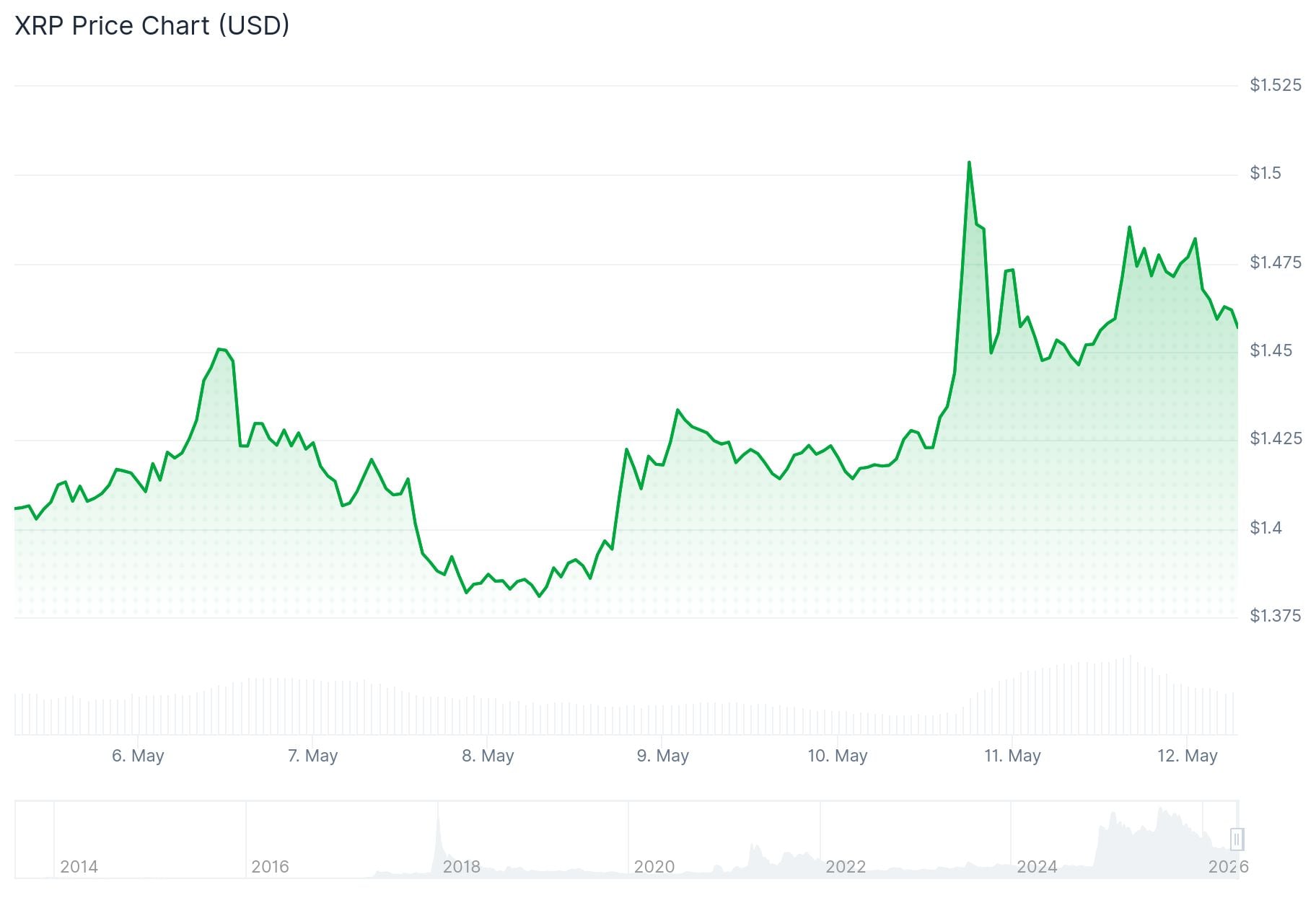
XRP Price: Bullish Signals Pile Up as $2 Target Comes Back Into View




