The post EUR/GBP steadies near 0.8650 as traders adopt caution on Middle East conflict appeared on BitcoinEthereumNews.com. EUR/GBP pares its daily losses and isThe post EUR/GBP steadies near 0.8650 as traders adopt caution on Middle East conflict appeared on BitcoinEthereumNews.com. EUR/GBP pares its daily losses and is

EUR/GBP steadies near 0.8650 as traders adopt caution on Middle East conflict

For feedback or concerns regarding this content, please contact us at crypto.news@mexc.com

EUR/GBP pares its daily losses and is hovering around 0.8670 during the Asian hours on Monday. The currency cross opened at a gap down as the Euro (EUR) faces struggles amid increased safe-haven demand due to increasing Middle East tensions.

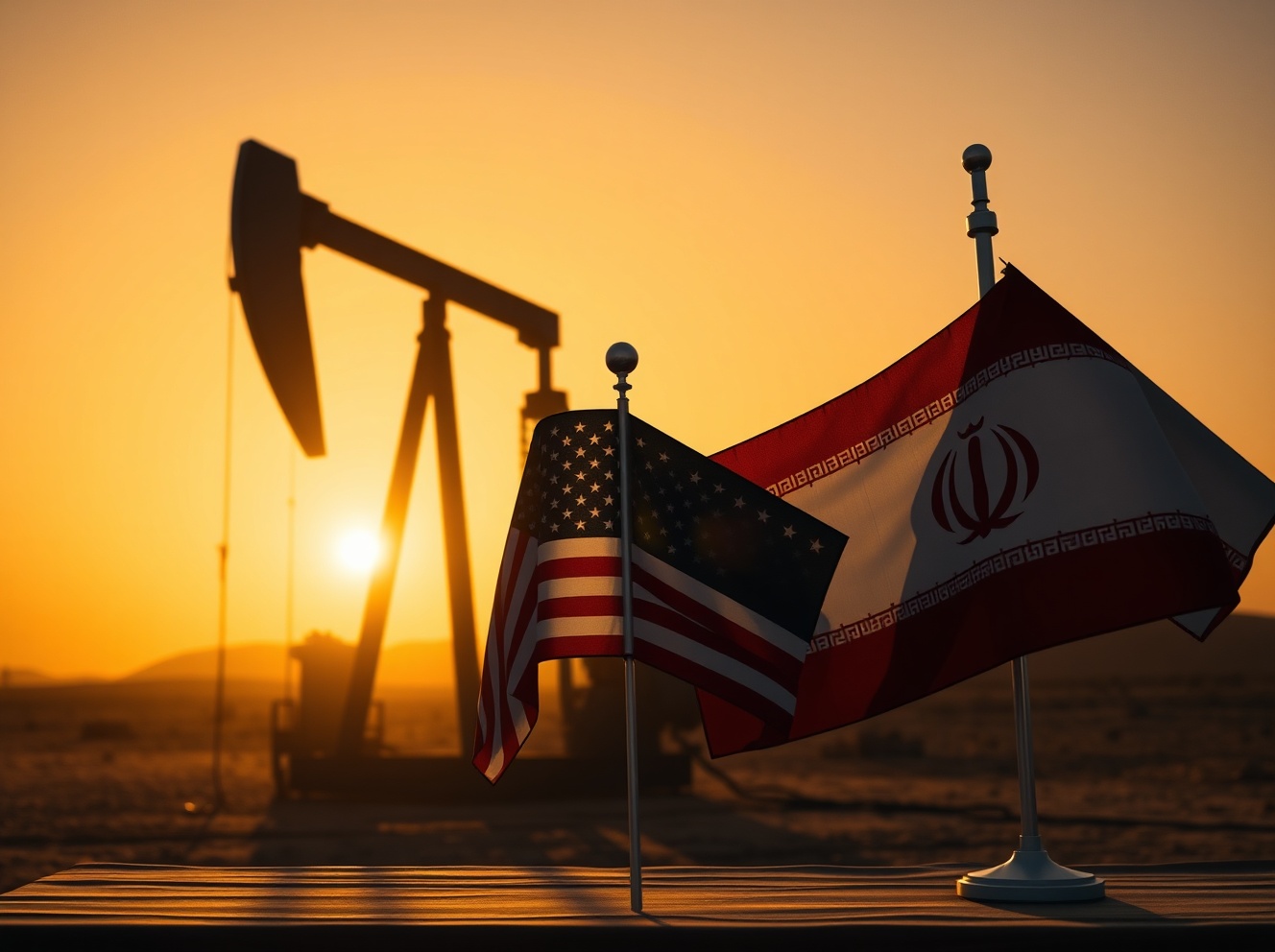
US President Donald Trump has reportedly issued Iran a 48-hour ultimatum to reopen the Strait of Hormuz or face potential strikes on its energy infrastructure. Moreover, reports suggest Washington is considering a ground operation to seize Iran’s Kharg Island, a key oil export hub. Iran’s Islamic Revolutionary Guard Corps (IRGC) warned it would fully shut the strait if the US proceeds, while Tehran threatened to target US and Israeli assets across the region, including energy, IT, and desalination facilities.

However, the Euro could find support as surging oil prices stoke inflation concerns and reinforce the European Central Bank (ECB) hawkish bias. The ECB kept rates unchanged at last week’s meeting, noting that the Iran conflict has made the outlook “significantly more uncertain.”

ECB officials flagged “upside risks to inflation and downside risks to growth,” prompting traders to raise bets on potential central bank rate hikes later this year. Policymakers are set to speak on Monday, and any hawkish remarks may further support the Euro against its peers.

The Pound Sterling (GBP) may also strengthen against its major peers as the Bank of England’s (BoE) outlook points to an extended pause, with some analysts eyeing possible rate hikes in 2026. The BoE held rates steady at 3.75% at its March meeting, in line with expectations.

BoE Governor Andrew Bailey warned that the Middle East conflict could deliver an economic “shock,” lifting inflation in the near term, and stressed that restoring safe shipping through the Strait of Hormuz is crucial to easing energy price pressures. UK Prime Minister Keir Starmer, Finance Minister Rachel Reeves, and Governor Bailey are scheduled to attend an emergency meeting on Monday to assess the economic impact of the Iran conflict.

Risk sentiment FAQs

In the world of financial jargon the two widely used terms “risk-on” and “risk off” refer to the level of risk that investors are willing to stomach during the period referenced. In a “risk-on” market, investors are optimistic about the future and more willing to buy risky assets. In a “risk-off” market investors start to ‘play it safe’ because they are worried about the future, and therefore buy less risky assets that are more certain of bringing a return, even if it is relatively modest.

Typically, during periods of “risk-on”, stock markets will rise, most commodities – except Gold – will also gain in value, since they benefit from a positive growth outlook. The currencies of nations that are heavy commodity exporters strengthen because of increased demand, and Cryptocurrencies rise. In a “risk-off” market, Bonds go up – especially major government Bonds – Gold shines, and safe-haven currencies such as the Japanese Yen, Swiss Franc and US Dollar all benefit.

The Australian Dollar (AUD), the Canadian Dollar (CAD), the New Zealand Dollar (NZD) and minor FX like the Ruble (RUB) and the South African Rand (ZAR), all tend to rise in markets that are “risk-on”. This is because the economies of these currencies are heavily reliant on commodity exports for growth, and commodities tend to rise in price during risk-on periods. This is because investors foresee greater demand for raw materials in the future due to heightened economic activity.

The major currencies that tend to rise during periods of “risk-off” are the US Dollar (USD), the Japanese Yen (JPY) and the Swiss Franc (CHF). The US Dollar, because it is the world’s reserve currency, and because in times of crisis investors buy US government debt, which is seen as safe because the largest economy in the world is unlikely to default. The Yen, from increased demand for Japanese government bonds, because a high proportion are held by domestic investors who are unlikely to dump them – even in a crisis. The Swiss Franc, because strict Swiss banking laws offer investors enhanced capital protection.

Source: https://www.fxstreet.com/news/eur-gbp-steadies-near-08650-as-traders-adopt-caution-on-middle-east-conflict-202603230518


Market Opportunity
EUR Logo
EUR Price(EUR)
$1.1494
$1.1494$1.1494
-0.48%
USD
EUR (EUR) Live Price Chart
Disclaimer: The articles reposted on this site are sourced from public platforms and are provided for informational purposes only. They do not necessarily reflect the views of MEXC. All rights remain with the original authors. If you believe any content infringes on third-party rights, please contact crypto.news@mexc.com for removal. MEXC makes no guarantees regarding the accuracy, completeness, or timeliness of the content and is not responsible for any actions taken based on the information provided. The content does not constitute financial, legal, or other professional advice, nor should it be considered a recommendation or endorsement by MEXC.

You May Also Like

Supported by hike speculation and PMIs – Danske Bank

Supported by hike speculation and PMIs – Danske Bank

The post Supported by hike speculation and PMIs – Danske Bank appeared on BitcoinEthereumNews.com. Danske Research Team points out that the Euro was the second-
Share
BitcoinEthereumNews2026/03/23 15:59
The geopolitics of anti-corruption as global advisory firms face debarment in the Horn of Africa

The geopolitics of anti-corruption as global advisory firms face debarment in the Horn of Africa

The World Bank’s debarment of PwC and EY for fraud in Ethiopia and Somalia has lifted the veil on the fragility of the Western development model, creating a strategic
Share
Theexchange2026/03/23 16:33
Health Insurers To Cover Covid Vaccines Despite RFK, Jr. Moves

Health Insurers To Cover Covid Vaccines Despite RFK, Jr. Moves

The post Health Insurers To Cover Covid Vaccines Despite RFK, Jr. Moves appeared on BitcoinEthereumNews.com. The nation’s biggest health insurance companies will continue to cover vaccinations – including those against Covid-19 and seasonal flu – previously recommended by a federal advisory committee, America’s Health Insurance Plans said Wednesday, Sept. 17, 2025. In this photo is a free flu and Covid-19 vaccine shots available sign, CVS, Queens, New York. (Photo by: Lindsey Nicholson/Universal Images Group via Getty Images) UCG/Universal Images Group via Getty Images The nation’s biggest health insurance companies will continue to cover vaccinations – including those against Covid-19 and seasonal flu – previously recommended by a federal advisory committee. The announcement by America’s Health Insurance Plans (AHIP), which includes CVS Health’s Aetna, Humana, Cigna, Centene and an array of Blue Cross and Blue Shield plans as members, comes ahead of the first meeting of the reconstituted Advisory Committee on Immunization Practices, which now has new members chosen by U.S. Health and Human Services Secretary Robert F. Kennedy Jr., a vaccine critic. “Health plans are committed to maintaining and ensuring affordable access to vaccines,” AHIP said in a statement Wednesday. “Health plan coverage decisions for immunizations are grounded in each plan’s ongoing, rigorous review of scientific and clinical evidence, and continual evaluation of multiple sources of data.” The move by AHIP is good news for millions of Americans at a time of year when they flock to drugstores, pharmacies, physician’s offices and outpatient clinics to get their seasonal flu and Covid shots. Kennedy’s changes to U.S. vaccine policy have created confusion across the country over whether certain vaccines long covered by insurance would continue to be. AHIP has now provided some clarity for millions of Americans. “Health plans will continue to cover all ACIP-recommended immunizations that were recommended as of September 1, 2025, including updated formulations of the COVID-19 and influenza vaccines, with no cost-sharing…
Share
BitcoinEthereumNews2025/09/18 03:11