Senate weighs clarity act crypto timetable as April markup window tightens
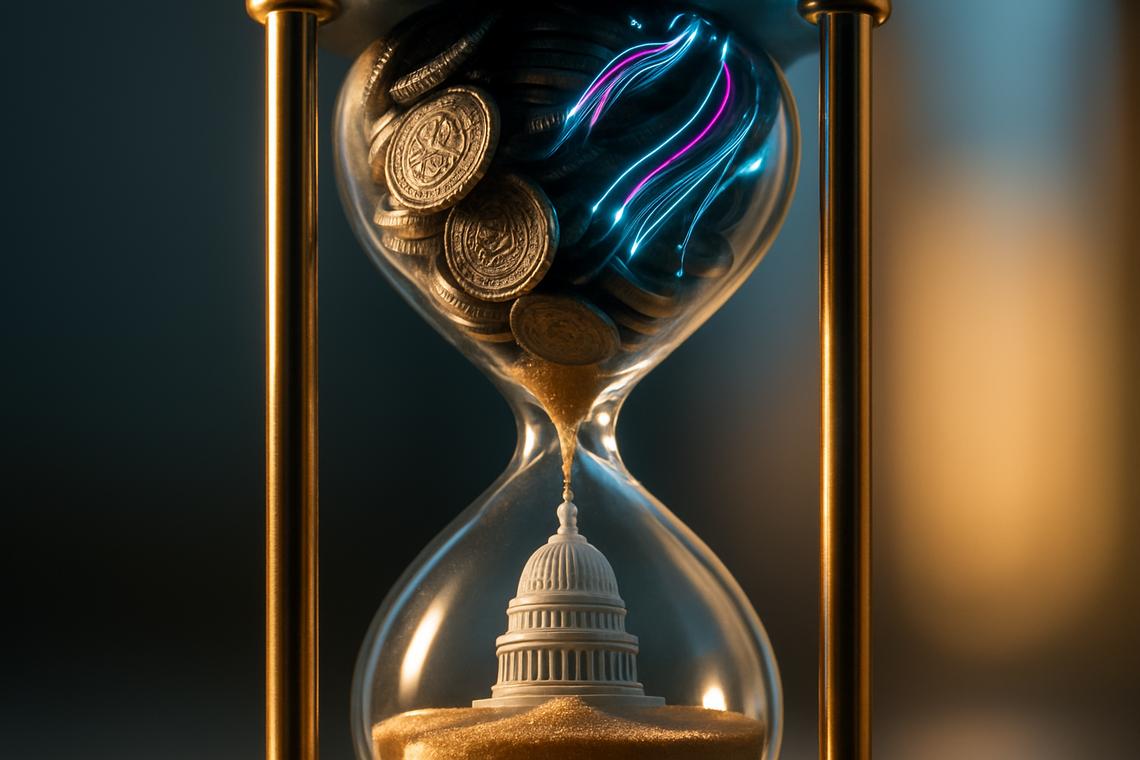
With senators racing against the 2026 election calendar, the clarity act crypto debate is converging on an April deadline that could define the future of US digital asset rules.
Senate targets late-April markup window
The US Senate’s crypto market structure bill is finally moving again, with Senator Cynthia Lummis confirming plans for a Banking Committee markup in the second half of April. However, the renewed push comes after months of stalled talks over stablecoin policy and other contentious provisions.
Lummis said the committee expects to take up the Clarity Act late next month, after earlier efforts were derailed by disagreements over stablecoin yield and market structure language. Moreover, Senator Bernie Moreno has warned that if the bill does not advance by May, digital asset legislation may not receive serious consideration again for years.
The revised timetable now increases pressure on Senate Republicans to resolve internal disputes before political momentum evaporates ahead of the 2026 midterm cycle. Only two weeks in the back half of April, the weeks of April 13 and April 20, remain on the Senate’s in-session calendar, making them the likely window for committee action.
If the bill clears Banking, it must still be reconciled with the Agriculture Committee version advanced in January. That reconciliation process will determine how the two competing approaches to market oversight, stablecoins, and trading platforms are merged for a final floor vote.
Negotiators inch toward compromise text
Lummis has described the bill’s status as “close to agreement”, saying negotiators believe they have addressed most remaining language disputes. That said, she indicated some text is still under review and has not been fully vetted by all senators.
She also argued that the Senate Banking Committee should move the bill in April, while expressing confidence that the full Senate could still act later in 2024. Her comments came as industry executives, lobbyists, and policy groups gathered in Washington for the DC Blockchain Summit, underscoring how closely the sector is watching the process.
For many market participants, this phase is effectively the first real clarity act crypto update since the earlier effort stalled. However, the compressed calendar means any new delays could push comprehensive digital asset legislation past the current Congress.
Stablecoin yield dispute remains central hurdle
The most persistent obstacle is a fight over stablecoin yield, which has split crypto platforms and the banking lobby for months. Banks argue that allowing stablecoin issuers or trading venues to offer rewards tied to token balances would undermine their ability to compete for deposits, especially in smaller communities.
Lummis said a compromise is emerging that would strip language resembling traditional bank product terminology from these reward programs. However, she also admitted she has not yet reviewed the latest draft, signaling that final agreement is not guaranteed.
Senate Banking Committee Chair Tim Scott said this week that a possible compromise on stablecoin yield could arrive soon. Moreover, talks reportedly involve Senators Thom Tillis and Angela Alsobrooks, who are negotiating with the White House over acceptable language. That section is widely seen as essential before the bill can regain momentum in committee.
Bipartisan support still uncertain
Even if the stablecoin yield dispute is resolved, bipartisan support remains fragile. No Democrats on the Senate Agriculture Committee backed the earlier bill, exposing deep skepticism about the current regulatory approach.
Senator Kirsten Gillibrand has said the Agriculture portion requires major revisions to secure broader Democratic support. She has also renewed calls for tough crypto ethics restrictions that would sharply limit the ability of senior government officials to profit from digital asset businesses.
These ethics demands have become part of a broader push inside the Democratic caucus to separate policymaking from potential personal gain. However, Republicans have signaled concern that some proposed limits could be overly broad or politically targeted.
DeFi and national security concerns
Regulation of decentralized finance (DeFi) is another unresolved flashpoint. Some crypto industry groups warn they will abandon the legislation if DeFi regulatory carveouts are tightened too far, arguing that innovation could be driven offshore.
Democrats, by contrast, are pressing for stronger national security protections around DeFi-related provisions. Moreover, they point to concerns about sanctions evasion, terrorist financing, and money laundering through pseudonymous protocols as reasons for stricter oversight.
These tensions have made DeFi one of the last and most complex points of negotiation as the bill heads toward markup. That said, senators on both sides acknowledge that any final deal must balance open innovation with enforcement and security priorities.
Trump-era ties and ethics language complicate politics
The bill is also being shaped by debate over President Donald Trump‘s historical ties to crypto businesses and his broader political influence. Several Senate Democrats argue that the legislation should bar the president, vice president, members of Congress, and senior administration officials from issuing or promoting crypto assets or stablecoins.
Gillibrand has said such language is necessary to attract more Democratic votes in a polarized Senate. However, Republicans and the White House view these demands as difficult to accept, warning they could derail an already fragile consensus.
The result is a narrow and uncertain legislative path that intertwines crypto policy with broader questions about political ethics and conflicts of interest. Moreover, these debates unfold as both parties position themselves for the 2026 midterm elections.
Compressed May deadline and 2026 outlook
After a potential Banking Committee vote in late April, the bill would have only a few weeks in May to secure floor time, clear key votes, and withstand competing priorities before the Memorial Day recess beginning on May 21. Moreno’s warning about a May deadline reflects this compressed window and the expected political slowdown as campaign activity ramps up.
If the Senate manages to move the package through committee next month, the next stage would be combining the Banking and Agriculture Committee versions into a single framework for floor consideration. That process will depend not only on crypto policy decisions but also on a packed Senate schedule, which includes unrelated fights and debate over the war in Iran.
For now, lawmakers describe April as the decisive moment for national crypto legislation. Lummis says the markup is back on the calendar, while Moreno cautions that the May cutoff could shut the window until after 2026.
What is at stake for US crypto regulation
The clarity act crypto news emerging from Washington highlights how much is riding on the coming weeks for the digital asset industry. However, with stablecoin yield, DeFi treatment, and ethics rules still unresolved, the Senate faces a complex set of choices.
If lawmakers can strike compromises and move the bill this spring, the US could finally advance a unified national framework for crypto market structure by 2026. If they fail, the issue may remain fragmented across agencies and courts, leaving businesses and investors to navigate a patchwork of evolving rules.


You May Also Like

Why Most Crypto Press Releases Get Ignored — and What Editors Actually Read in 2026

One Of Frank Sinatra’s Most Famous Albums Is Back In The Spotlight