

Must Read
‘All sectors are vulnerable,’ says the Philippines' defense chief‘All sectors are vulnerable,’ says the Philippines' defense chief
China’s espionage network in PH ‘worrisome,’ says Teodoro
For feedback or concerns regarding this content, please contact us at crypto.news@mexc.com
MANILA, Philippines – Philippine Defense Secretary Gilberto Teodoro Jr. admitted on Tuesday, March 17, that Beijing’s espionage network in the country is “worrisome,” even as government officials continue probing its full reach.
“It is worrisome, and that’s why we take it seriously. Let’s put it that way. And I’m very happy over the efforts to pinpoint these networks…. Nonetheless, we need to be able to solve not only the disruption of these networks but [also] the legal processing of this,” Teodoro said in a chance interview.
In a three-part investigative series, Rappler detailed how young Filipinos — two defense researchers and one person who had close ties with the Philippine Coast Guard in Palawan — had, for over a period of two years, provided sensitive information about the country’s defense and security plans to handlers who Philippine security officials have since identified as Chinese.
The National Security Council, of which Teodoro is a part, confirmed Rappler’s report and said that the network of the three had been determined and closed. The NSC also called for a long-overdue update to the country’s anti-espionage and foreign agents registration laws.
Teodoro on Tuesday echoed those calls. “We hope these espionage laws will be consolidated and enacted as soon as possible,” he added.
The three Filipinos are under government custody, but Philippine officials have remained vague about whether they would face charges under Commonwealth-era espionage laws.
Teodoro warned that targets of these espionage efforts go beyond the usual security and defense agencies, since “all sectors are vulnerable.”
“The key here for them is to infiltrate our society or enter our digital infrastructure network,” he added.
All three — plus a Navy officer who said no to recruitment efforts — were traced through the government’s “Insider Threat Program.” Officials continue to pinpoint sources of information leaks or espionage, including government personnel or those close to them who may be coerced or enticed into sharing sensitive information with foreign nationals, including the Chinese. – Rappler.com


Disclaimer: The articles reposted on this site are sourced from public platforms and are provided for informational purposes only. They do not necessarily reflect the views of MEXC. All rights remain with the original authors. If you believe any content infringes on third-party rights, please contact crypto.news@mexc.com for removal. MEXC makes no guarantees regarding the accuracy, completeness, or timeliness of the content and is not responsible for any actions taken based on the information provided. The content does not constitute financial, legal, or other professional advice, nor should it be considered a recommendation or endorsement by MEXC.
You May Also Like
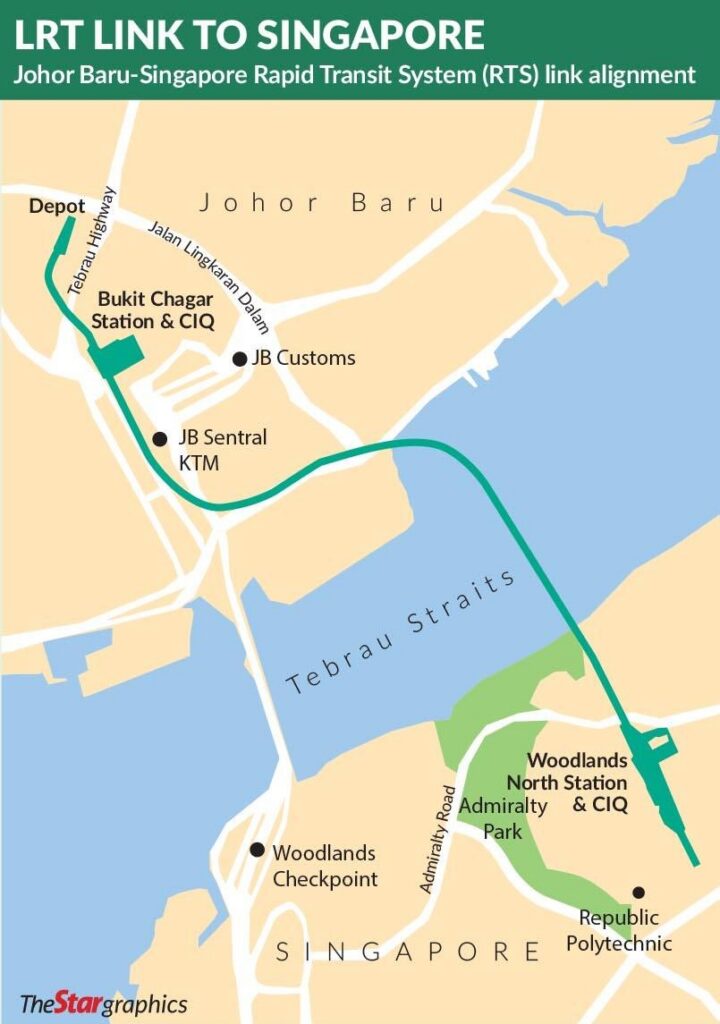
RTS Link Singapore–JB (2026): Fares, Stations & Opening
Worth the wait 🚝 The post RTS Link Singapore–JB (2026): Fares, Stations & Opening appeared first on YouTrip Singapore.
Share
You2026/05/14 11:57

Sterling Weakens As Dollar Soars On Geopolitical Escalation And Bailey’s Cautious Stance
The post Sterling Weakens As Dollar Soars On Geopolitical Escalation And Bailey’s Cautious Stance appeared on BitcoinEthereumNews.com. British Pound Plummets: Sterling
Share
BitcoinEthereumNews2026/04/02 17:45

Covéa Chooses Shift Technology as Strategic Partner for Fraud and Risk Management
Covéa has selected Shift Technology as a long-term partner to support a consistent and shared view of risk from policy inception through to claims settlement The
Share
ffnews2026/04/02 07:00



