BitcoinWorld WLFI Token Buyback: Unlocking Massive Value with a Revolutionary Protocol Fee Proposal In the dynamic world of decentralized finance (DeFi), innovation often stems from community-driven initiatives. A significant development is currently unfolding with WorldLibertyFinancial (WLFI), which has put forward a groundbreaking governance proposal. This initiative aims to utilize 100% of its protocol-owned liquidity (POL) fees for a dedicated WLFI token buyback and permanent burn mechanism. This move could profoundly reshape the token’s economic landscape. Understanding WLFI’s Bold Buyback Proposal The core of this proposal is straightforward yet powerful: all fees generated from WLFI’s protocol-owned liquidity will be reinvested directly into the WLFI ecosystem. Specifically, these funds will be used to purchase WLFI tokens from the open market, effectively reducing the circulating supply. This is not just a temporary measure; once acquired, these tokens will be permanently removed from circulation through a ‘burn’ process. The community has shown overwhelming support for this strategic shift. As of now, the proposal boasts an impressive 99.6% approval rate, signaling strong consensus among WLFI holders. Voting is set to conclude on September 19, making this a pivotal moment for the protocol’s future direction. Why is WLFI Token Buyback So Powerful for Value Creation? A robust WLFI token buyback strategy offers several compelling benefits, particularly in the context of a DeFi protocol. By consistently reducing the token’s supply, the proposal aims to create scarcity, a fundamental driver of value in any market. This mechanism can lead to a more stable and potentially appreciating token price over time. Key advantages of this approach include: Increased Scarcity: Fewer tokens in circulation can naturally drive up demand and value. Enhanced Value Proposition: It creates a direct, transparent mechanism to return value to token holders, fostering stronger confidence and loyalty. Reduced Inflationary Pressure: Counteracts the natural inflation often associated with token emissions, promoting long-term sustainability. Community Alignment: Demonstrates a commitment to token holders’ interests, encouraging active participation and long-term holding. What Does This Mean for WLFI Holders and the Broader DeFi Ecosystem? For existing WLFI holders, this proposal represents a significant vote of confidence in the protocol’s future. The consistent demand created by the WLFI token buyback can contribute to price stability and potential growth, rewarding those who believe in the project’s long-term vision. It also empowers the community, as the decision to implement such a crucial economic model rests entirely on their votes. Furthermore, this initiative sets an example for the wider DeFi space. Protocols that actively manage their tokenomics through transparent and community-approved mechanisms like this can build greater trust and attract more users and investors. It highlights the power of decentralized governance in shaping a project’s economic destiny. Navigating the Mechanics: How the WLFI Token Buyback Works The process for this WLFI token buyback is designed for clarity and efficiency. First, the protocol collects fees generated from its liquidity operations. These fees, denominated in various cryptocurrencies, are then used to market buy WLFI tokens. Once purchased, these tokens are sent to an unspendable address, effectively removing them from the circulating supply forever. This ‘burn’ mechanism ensures that the reduction in supply is permanent and verifiable on the blockchain. This transparent and automated system minimizes human intervention, enhancing the trustworthiness of the process. It ensures that the value generated by the protocol’s activities directly benefits its token holders through a deflationary mechanism. The WLFI community’s decision on this proposal will undoubtedly mark a significant chapter in the protocol’s journey. By dedicating 100% of its POL fees to a perpetual buyback and burn, WLFI aims to forge a path towards enhanced token value, robust economic stability, and deeper community engagement. This revolutionary approach could serve as a powerful model for sustainable growth in the ever-evolving DeFi landscape. Frequently Asked Questions (FAQs) 1. What is a token buyback and burn? A token buyback involves a project repurchasing its own tokens from the open market. A ‘burn’ then permanently removes these tokens from circulation, typically by sending them to an unrecoverable address. This process reduces the total supply, aiming to increase scarcity and potentially boost the token’s value. 2. What are Protocol-Owned Liquidity (POL) fees? Protocol-Owned Liquidity (POL) refers to liquidity that a decentralized protocol owns and manages itself, rather than relying solely on external liquidity providers. POL fees are the revenues generated from providing this liquidity to decentralized exchanges or other financial applications. 3. How does this proposal benefit WLFI holders? By reducing the total supply of WLFI tokens through buybacks and burns, the proposal aims to increase the scarcity of each token. This can lead to a higher demand and potentially a higher market value for WLFI, directly benefiting existing token holders. 4. When does the voting on this WLFI token buyback proposal conclude? The voting period for this governance proposal is set to conclude on September 19. 5. Is using 100% of fees for buyback and burn common in DeFi? While buyback and burn mechanisms are common in DeFi, dedicating 100% of protocol-owned liquidity fees specifically to this purpose is a bold and aggressive strategy, reflecting a strong commitment to token value appreciation and community alignment. If you found this insight into WLFI’s innovative proposal valuable, consider sharing it with your network! Your support helps spread awareness about critical developments shaping the future of decentralized finance. To learn more about the latest crypto market trends, explore our article on key developments shaping DeFi protocols and their price action. This post WLFI Token Buyback: Unlocking Massive Value with a Revolutionary Protocol Fee Proposal first appeared on BitcoinWorld and is written by Editorial TeamBitcoinWorld WLFI Token Buyback: Unlocking Massive Value with a Revolutionary Protocol Fee Proposal In the dynamic world of decentralized finance (DeFi), innovation often stems from community-driven initiatives. A significant development is currently unfolding with WorldLibertyFinancial (WLFI), which has put forward a groundbreaking governance proposal. This initiative aims to utilize 100% of its protocol-owned liquidity (POL) fees for a dedicated WLFI token buyback and permanent burn mechanism. This move could profoundly reshape the token’s economic landscape. Understanding WLFI’s Bold Buyback Proposal The core of this proposal is straightforward yet powerful: all fees generated from WLFI’s protocol-owned liquidity will be reinvested directly into the WLFI ecosystem. Specifically, these funds will be used to purchase WLFI tokens from the open market, effectively reducing the circulating supply. This is not just a temporary measure; once acquired, these tokens will be permanently removed from circulation through a ‘burn’ process. The community has shown overwhelming support for this strategic shift. As of now, the proposal boasts an impressive 99.6% approval rate, signaling strong consensus among WLFI holders. Voting is set to conclude on September 19, making this a pivotal moment for the protocol’s future direction. Why is WLFI Token Buyback So Powerful for Value Creation? A robust WLFI token buyback strategy offers several compelling benefits, particularly in the context of a DeFi protocol. By consistently reducing the token’s supply, the proposal aims to create scarcity, a fundamental driver of value in any market. This mechanism can lead to a more stable and potentially appreciating token price over time. Key advantages of this approach include: Increased Scarcity: Fewer tokens in circulation can naturally drive up demand and value. Enhanced Value Proposition: It creates a direct, transparent mechanism to return value to token holders, fostering stronger confidence and loyalty. Reduced Inflationary Pressure: Counteracts the natural inflation often associated with token emissions, promoting long-term sustainability. Community Alignment: Demonstrates a commitment to token holders’ interests, encouraging active participation and long-term holding. What Does This Mean for WLFI Holders and the Broader DeFi Ecosystem? For existing WLFI holders, this proposal represents a significant vote of confidence in the protocol’s future. The consistent demand created by the WLFI token buyback can contribute to price stability and potential growth, rewarding those who believe in the project’s long-term vision. It also empowers the community, as the decision to implement such a crucial economic model rests entirely on their votes. Furthermore, this initiative sets an example for the wider DeFi space. Protocols that actively manage their tokenomics through transparent and community-approved mechanisms like this can build greater trust and attract more users and investors. It highlights the power of decentralized governance in shaping a project’s economic destiny. Navigating the Mechanics: How the WLFI Token Buyback Works The process for this WLFI token buyback is designed for clarity and efficiency. First, the protocol collects fees generated from its liquidity operations. These fees, denominated in various cryptocurrencies, are then used to market buy WLFI tokens. Once purchased, these tokens are sent to an unspendable address, effectively removing them from the circulating supply forever. This ‘burn’ mechanism ensures that the reduction in supply is permanent and verifiable on the blockchain. This transparent and automated system minimizes human intervention, enhancing the trustworthiness of the process. It ensures that the value generated by the protocol’s activities directly benefits its token holders through a deflationary mechanism. The WLFI community’s decision on this proposal will undoubtedly mark a significant chapter in the protocol’s journey. By dedicating 100% of its POL fees to a perpetual buyback and burn, WLFI aims to forge a path towards enhanced token value, robust economic stability, and deeper community engagement. This revolutionary approach could serve as a powerful model for sustainable growth in the ever-evolving DeFi landscape. Frequently Asked Questions (FAQs) 1. What is a token buyback and burn? A token buyback involves a project repurchasing its own tokens from the open market. A ‘burn’ then permanently removes these tokens from circulation, typically by sending them to an unrecoverable address. This process reduces the total supply, aiming to increase scarcity and potentially boost the token’s value. 2. What are Protocol-Owned Liquidity (POL) fees? Protocol-Owned Liquidity (POL) refers to liquidity that a decentralized protocol owns and manages itself, rather than relying solely on external liquidity providers. POL fees are the revenues generated from providing this liquidity to decentralized exchanges or other financial applications. 3. How does this proposal benefit WLFI holders? By reducing the total supply of WLFI tokens through buybacks and burns, the proposal aims to increase the scarcity of each token. This can lead to a higher demand and potentially a higher market value for WLFI, directly benefiting existing token holders. 4. When does the voting on this WLFI token buyback proposal conclude? The voting period for this governance proposal is set to conclude on September 19. 5. Is using 100% of fees for buyback and burn common in DeFi? While buyback and burn mechanisms are common in DeFi, dedicating 100% of protocol-owned liquidity fees specifically to this purpose is a bold and aggressive strategy, reflecting a strong commitment to token value appreciation and community alignment. If you found this insight into WLFI’s innovative proposal valuable, consider sharing it with your network! Your support helps spread awareness about critical developments shaping the future of decentralized finance. To learn more about the latest crypto market trends, explore our article on key developments shaping DeFi protocols and their price action. This post WLFI Token Buyback: Unlocking Massive Value with a Revolutionary Protocol Fee Proposal first appeared on BitcoinWorld and is written by Editorial Team

WLFI Token Buyback: Unlocking Massive Value with a Revolutionary Protocol Fee Proposal

BitcoinWorld
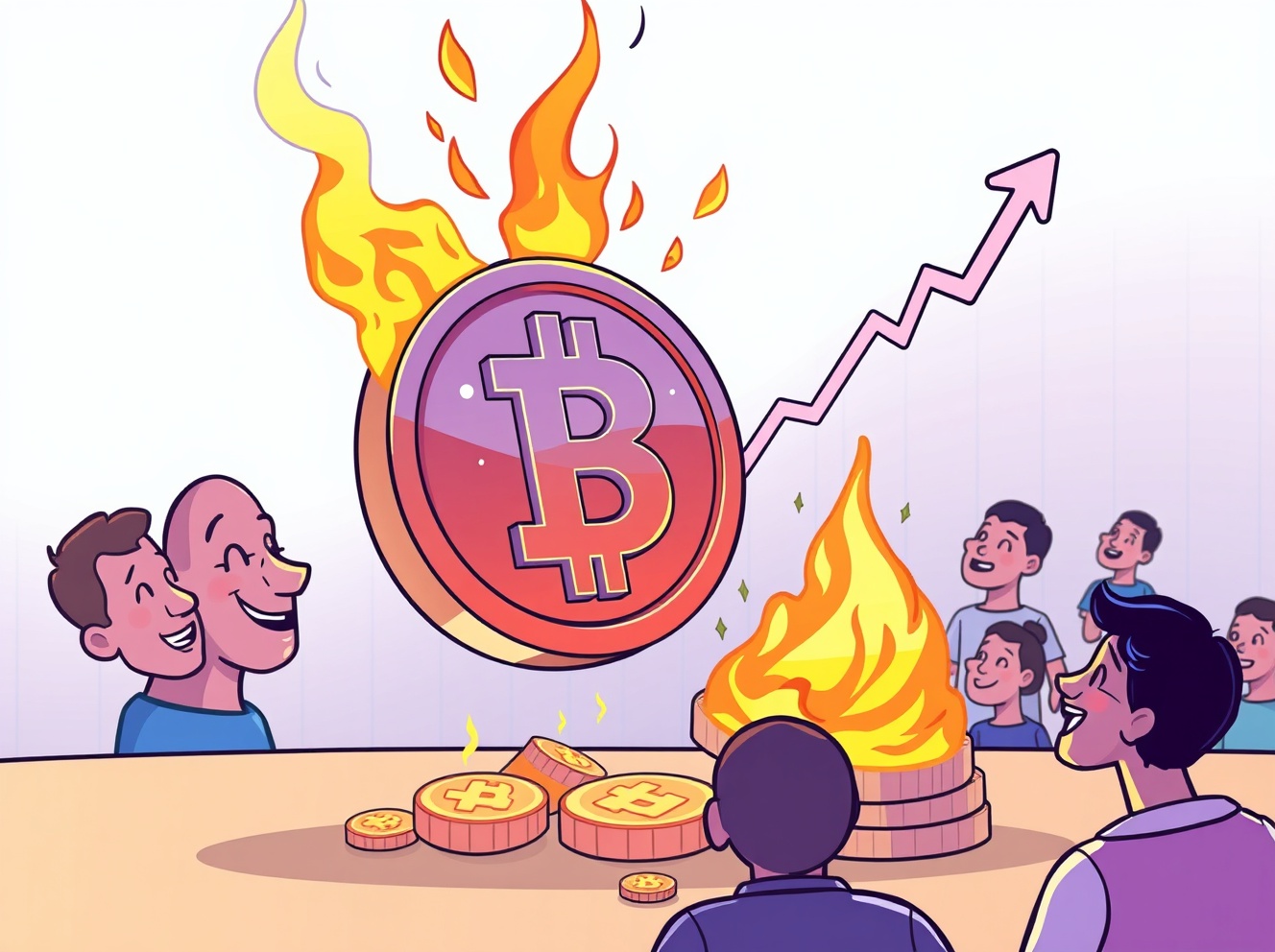
WLFI Token Buyback: Unlocking Massive Value with a Revolutionary Protocol Fee Proposal

In the dynamic world of decentralized finance (DeFi), innovation often stems from community-driven initiatives. A significant development is currently unfolding with WorldLibertyFinancial (WLFI), which has put forward a groundbreaking governance proposal. This initiative aims to utilize 100% of its protocol-owned liquidity (POL) fees for a dedicated WLFI token buyback and permanent burn mechanism. This move could profoundly reshape the token’s economic landscape.

Understanding WLFI’s Bold Buyback Proposal

The core of this proposal is straightforward yet powerful: all fees generated from WLFI’s protocol-owned liquidity will be reinvested directly into the WLFI ecosystem. Specifically, these funds will be used to purchase WLFI tokens from the open market, effectively reducing the circulating supply. This is not just a temporary measure; once acquired, these tokens will be permanently removed from circulation through a ‘burn’ process.

The community has shown overwhelming support for this strategic shift. As of now, the proposal boasts an impressive 99.6% approval rate, signaling strong consensus among WLFI holders. Voting is set to conclude on September 19, making this a pivotal moment for the protocol’s future direction.

Why is WLFI Token Buyback So Powerful for Value Creation?

A robust WLFI token buyback strategy offers several compelling benefits, particularly in the context of a DeFi protocol. By consistently reducing the token’s supply, the proposal aims to create scarcity, a fundamental driver of value in any market. This mechanism can lead to a more stable and potentially appreciating token price over time.

Key advantages of this approach include:

  • Increased Scarcity: Fewer tokens in circulation can naturally drive up demand and value.
  • Enhanced Value Proposition: It creates a direct, transparent mechanism to return value to token holders, fostering stronger confidence and loyalty.
  • Reduced Inflationary Pressure: Counteracts the natural inflation often associated with token emissions, promoting long-term sustainability.
  • Community Alignment: Demonstrates a commitment to token holders’ interests, encouraging active participation and long-term holding.

What Does This Mean for WLFI Holders and the Broader DeFi Ecosystem?

For existing WLFI holders, this proposal represents a significant vote of confidence in the protocol’s future. The consistent demand created by the WLFI token buyback can contribute to price stability and potential growth, rewarding those who believe in the project’s long-term vision. It also empowers the community, as the decision to implement such a crucial economic model rests entirely on their votes.

Furthermore, this initiative sets an example for the wider DeFi space. Protocols that actively manage their tokenomics through transparent and community-approved mechanisms like this can build greater trust and attract more users and investors. It highlights the power of decentralized governance in shaping a project’s economic destiny.

The process for this WLFI token buyback is designed for clarity and efficiency. First, the protocol collects fees generated from its liquidity operations. These fees, denominated in various cryptocurrencies, are then used to market buy WLFI tokens. Once purchased, these tokens are sent to an unspendable address, effectively removing them from the circulating supply forever. This ‘burn’ mechanism ensures that the reduction in supply is permanent and verifiable on the blockchain.

This transparent and automated system minimizes human intervention, enhancing the trustworthiness of the process. It ensures that the value generated by the protocol’s activities directly benefits its token holders through a deflationary mechanism.

The WLFI community’s decision on this proposal will undoubtedly mark a significant chapter in the protocol’s journey. By dedicating 100% of its POL fees to a perpetual buyback and burn, WLFI aims to forge a path towards enhanced token value, robust economic stability, and deeper community engagement. This revolutionary approach could serve as a powerful model for sustainable growth in the ever-evolving DeFi landscape.

Frequently Asked Questions (FAQs)

1. What is a token buyback and burn?
A token buyback involves a project repurchasing its own tokens from the open market. A ‘burn’ then permanently removes these tokens from circulation, typically by sending them to an unrecoverable address. This process reduces the total supply, aiming to increase scarcity and potentially boost the token’s value.

2. What are Protocol-Owned Liquidity (POL) fees?
Protocol-Owned Liquidity (POL) refers to liquidity that a decentralized protocol owns and manages itself, rather than relying solely on external liquidity providers. POL fees are the revenues generated from providing this liquidity to decentralized exchanges or other financial applications.

3. How does this proposal benefit WLFI holders?
By reducing the total supply of WLFI tokens through buybacks and burns, the proposal aims to increase the scarcity of each token. This can lead to a higher demand and potentially a higher market value for WLFI, directly benefiting existing token holders.

4. When does the voting on this WLFI token buyback proposal conclude?
The voting period for this governance proposal is set to conclude on September 19.

5. Is using 100% of fees for buyback and burn common in DeFi?
While buyback and burn mechanisms are common in DeFi, dedicating 100% of protocol-owned liquidity fees specifically to this purpose is a bold and aggressive strategy, reflecting a strong commitment to token value appreciation and community alignment.

If you found this insight into WLFI’s innovative proposal valuable, consider sharing it with your network! Your support helps spread awareness about critical developments shaping the future of decentralized finance.

To learn more about the latest crypto market trends, explore our article on key developments shaping DeFi protocols and their price action.

This post WLFI Token Buyback: Unlocking Massive Value with a Revolutionary Protocol Fee Proposal first appeared on BitcoinWorld and is written by Editorial Team

Market Opportunity
Brainedge Logo
Brainedge Price(LEARN)
$0,00933
$0,00933$0,00933
+0,53%
USD
Brainedge (LEARN) Live Price Chart
Disclaimer: The articles reposted on this site are sourced from public platforms and are provided for informational purposes only. They do not necessarily reflect the views of MEXC. All rights remain with the original authors. If you believe any content infringes on third-party rights, please contact service@support.mexc.com for removal. MEXC makes no guarantees regarding the accuracy, completeness, or timeliness of the content and is not responsible for any actions taken based on the information provided. The content does not constitute financial, legal, or other professional advice, nor should it be considered a recommendation or endorsement by MEXC.

You May Also Like

The Channel Factories We’ve Been Waiting For

The Channel Factories We’ve Been Waiting For

The post The Channel Factories We’ve Been Waiting For appeared on BitcoinEthereumNews.com. Visions of future technology are often prescient about the broad strokes while flubbing the details. The tablets in “2001: A Space Odyssey” do indeed look like iPads, but you never see the astronauts paying for subscriptions or wasting hours on Candy Crush.  Channel factories are one vision that arose early in the history of the Lightning Network to address some challenges that Lightning has faced from the beginning. Despite having grown to become Bitcoin’s most successful layer-2 scaling solution, with instant and low-fee payments, Lightning’s scale is limited by its reliance on payment channels. Although Lightning shifts most transactions off-chain, each payment channel still requires an on-chain transaction to open and (usually) another to close. As adoption grows, pressure on the blockchain grows with it. The need for a more scalable approach to managing channels is clear. Channel factories were supposed to meet this need, but where are they? In 2025, subnetworks are emerging that revive the impetus of channel factories with some new details that vastly increase their potential. They are natively interoperable with Lightning and achieve greater scale by allowing a group of participants to open a shared multisig UTXO and create multiple bilateral channels, which reduces the number of on-chain transactions and improves capital efficiency. Achieving greater scale by reducing complexity, Ark and Spark perform the same function as traditional channel factories with new designs and additional capabilities based on shared UTXOs.  Channel Factories 101 Channel factories have been around since the inception of Lightning. A factory is a multiparty contract where multiple users (not just two, as in a Dryja-Poon channel) cooperatively lock funds in a single multisig UTXO. They can open, close and update channels off-chain without updating the blockchain for each operation. Only when participants leave or the factory dissolves is an on-chain transaction…
Share
BitcoinEthereumNews2025/09/18 00:09
Fed Decides On Interest Rates Today—Here’s What To Watch For

Fed Decides On Interest Rates Today—Here’s What To Watch For

The post Fed Decides On Interest Rates Today—Here’s What To Watch For appeared on BitcoinEthereumNews.com. Topline The Federal Reserve on Wednesday will conclude a two-day policymaking meeting and release a decision on whether to lower interest rates—following months of pressure and criticism from President Donald Trump—and potentially signal whether additional cuts are on the way. President Donald Trump has urged the central bank to “CUT INTEREST RATES, NOW, AND BIGGER” than they might plan to. Getty Images Key Facts The central bank is poised to cut interest rates by at least a quarter-point, down from the 4.25% to 4.5% range where they have been held since December to between 4% and 4.25%, as Wall Street has placed 100% odds of a rate cut, according to CME’s FedWatch, with higher odds (94%) on a quarter-point cut than a half-point (6%) reduction. Fed governors Christopher Waller and Michelle Bowman, both Trump appointees, voted in July for a quarter-point reduction to rates, and they may dissent again in favor of a large cut alongside Stephen Miran, Trump’s Council of Economic Advisers’ chair, who was sworn in at the meeting’s start on Tuesday. It’s unclear whether other policymakers, including Kansas City Fed President Jeffrey Schmid and St. Louis Fed President Alberto Musalem, will favor larger cuts or opt for no reduction. Fed Chair Jerome Powell said in his Jackson Hole, Wyoming, address last month the central bank would likely consider a looser monetary policy, noting the “shifting balance of risks” on the U.S. economy “may warrant adjusting our policy stance.” David Mericle, an economist for Goldman Sachs, wrote in a note the “key question” for the Fed’s meeting is whether policymakers signal “this is likely the first in a series of consecutive cuts” as the central bank is anticipated to “acknowledge the softening in the labor market,” though they may not “nod to an October cut.” Mericle said he…
Share
BitcoinEthereumNews2025/09/18 00:23
One Of Frank Sinatra’s Most Famous Albums Is Back In The Spotlight

One Of Frank Sinatra’s Most Famous Albums Is Back In The Spotlight

The post One Of Frank Sinatra’s Most Famous Albums Is Back In The Spotlight appeared on BitcoinEthereumNews.com. Frank Sinatra’s The World We Knew returns to the Jazz Albums and Traditional Jazz Albums charts, showing continued demand for his timeless music. Frank Sinatra performs on his TV special Frank Sinatra: A Man and his Music Bettmann Archive These days on the Billboard charts, Frank Sinatra’s music can always be found on the jazz-specific rankings. While the art he created when he was still working was pop at the time, and later classified as traditional pop, there is no such list for the latter format in America, and so his throwback projects and cuts appear on jazz lists instead. It’s on those charts where Sinatra rebounds this week, and one of his popular projects returns not to one, but two tallies at the same time, helping him increase the total amount of real estate he owns at the moment. Frank Sinatra’s The World We Knew Returns Sinatra’s The World We Knew is a top performer again, if only on the jazz lists. That set rebounds to No. 15 on the Traditional Jazz Albums chart and comes in at No. 20 on the all-encompassing Jazz Albums ranking after not appearing on either roster just last frame. The World We Knew’s All-Time Highs The World We Knew returns close to its all-time peak on both of those rosters. Sinatra’s classic has peaked at No. 11 on the Traditional Jazz Albums chart, just missing out on becoming another top 10 for the crooner. The set climbed all the way to No. 15 on the Jazz Albums tally and has now spent just under two months on the rosters. Frank Sinatra’s Album With Classic Hits Sinatra released The World We Knew in the summer of 1967. The title track, which on the album is actually known as “The World We Knew (Over and…
Share
BitcoinEthereumNews2025/09/18 00:02