

Strait of Hormuz Crisis: President Trump’s Critical Talks with 7 Nations Revealed
BitcoinWorld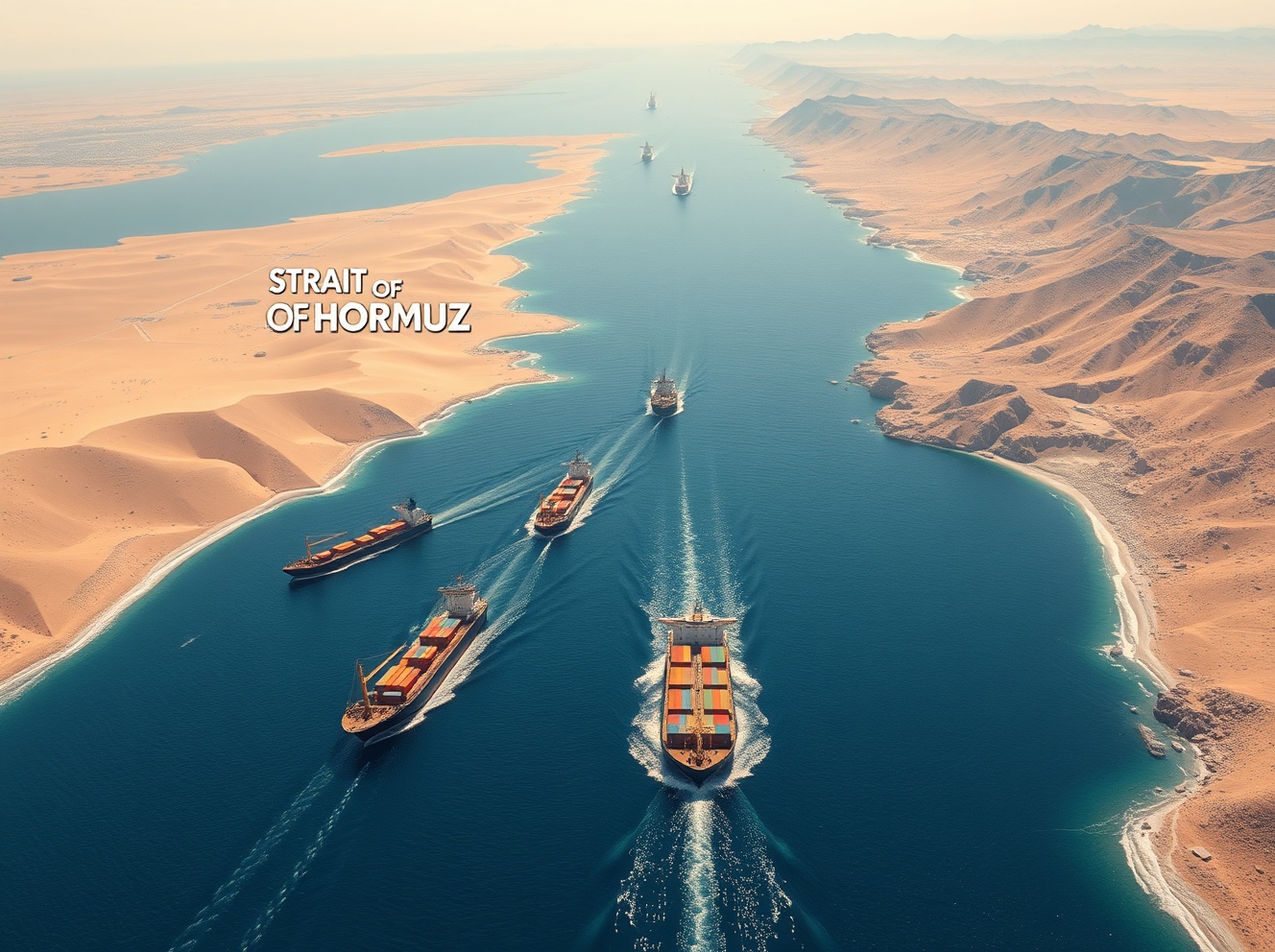
Strait of Hormuz Crisis: President Trump’s Critical Talks with 7 Nations Revealed
WASHINGTON, D.C. – March 15, 2025 – President Donald Trump has initiated high-level diplomatic discussions with seven nations regarding security measures for the Strait of Hormuz, the world’s most critical oil transit chokepoint. These negotiations come amid escalating regional tensions and concerns about global energy security. The strategic waterway, which handles approximately 21 million barrels of oil daily, represents nearly 20% of global petroleum consumption. Consequently, any disruption could trigger immediate economic consequences worldwide.
Strait of Hormuz Security Talks Gain Momentum
The Trump administration has confirmed ongoing discussions with key regional and global stakeholders. These nations include traditional allies and regional powers with vested interests in maintaining open sea lanes. The talks specifically address maritime security protocols, freedom of navigation principles, and contingency planning for potential disruptions. Furthermore, they represent a significant diplomatic effort to prevent escalation in one of the world’s most volatile regions. Historical precedents show that Hormuz tensions frequently correlate with global oil price spikes.
Maritime experts emphasize the strait’s unique geographical challenges. At its narrowest point, the shipping channel measures just 21 miles wide. This creates natural bottlenecks for tanker traffic. The United States Fifth Fleet, based in Bahrain, maintains a constant presence in adjacent waters. However, recent incidents have tested existing security frameworks. For instance, the 2019 tanker attacks and 2021 seizure incidents demonstrated vulnerability points.
Global Energy Security Implications
The seven-nation dialogue directly impacts global energy markets. Major Asian economies like China, Japan, and South Korea depend heavily on Hormuz oil shipments. Similarly, European nations receive significant LNG supplies through the same route. Consequently, security assurances affect national energy policies worldwide. Energy analysts note that previous disruptions caused immediate price increases exceeding 15% within days. The current talks aim to establish clearer emergency response mechanisms.
Expert Analysis on Diplomatic Strategy
Former State Department officials highlight the complexity of multilateral negotiations in this region. They note that competing interests among Gulf Cooperation Council members, Iran, and international powers require careful balancing. Additionally, the talks must address both immediate security concerns and longer-term stability frameworks. Dr. Sarah Chen, a Georgetown University security studies professor, explains: “These discussions represent preventive diplomacy at its most crucial. The goal isn’t just responding to incidents but creating deterrence through visible international cooperation.”
The economic dimensions extend beyond oil markets. Insurance premiums for vessels transiting the strait have fluctuated dramatically during past crises. Shipping companies factor security risks into operational costs. These expenses ultimately transfer to consumers through higher fuel and goods prices. Therefore, the current diplomatic efforts carry direct economic implications for global trade.
Historical Context of Hormuz Tensions
Strategic concerns about the Strait of Hormuz are not new. The waterway has been a flashpoint for decades. During the 1980s Tanker War, numerous vessels suffered attacks. More recently, Iran has periodically threatened to close the strait during diplomatic confrontations. However, such closure would severely impact Iran’s own economy and regional relationships. The current multilateral approach differs from previous unilateral or bilateral efforts. It seeks to establish consensus among diverse stakeholders.
Key historical incidents include:
- 1984-1988: Tanker War during Iran-Iraq conflict
- 2008: Iranian threats to close the strait
- 2019: Attacks on four tankers near Fujairah
- 2021: Seizure of the MV Asphalt Princess
Each incident prompted temporary security escalations but lacked comprehensive diplomatic frameworks. The current seven-nation talks attempt to create more durable solutions. They build upon existing mechanisms like the International Maritime Security Construct (IMSC). However, they expand participation and address emerging challenges.
Regional Power Dynamics at Play
The identity of the seven nations remains partially undisclosed for diplomatic reasons. However, regional analysts identify likely participants based on strategic interests. Gulf Arab states with significant oil export infrastructure certainly participate. European nations with naval presences in the region likely join discussions. Additionally, Asian energy importers probably contribute perspectives. This diverse participation reflects the strait’s global importance beyond regional politics.
Iran’s position presents particular complexity. The nation controls the northern shoreline and several islands within the strait. International law recognizes transit passage rights through territorial waters. However, interpretations sometimes conflict. The current talks reportedly address these legal ambiguities. They seek practical arrangements that respect sovereignty while ensuring uninterrupted commerce.
Military and Diplomatic Balancing Act
U.S. Central Command officials emphasize that diplomatic efforts complement military preparedness. The United States maintains substantial naval assets in the Persian Gulf. These forces conduct regular freedom of navigation operations. Simultaneously, diplomatic channels remain open to prevent miscalculation. This dual approach characterizes recent U.S. strategy in critical maritime regions worldwide.
Regional cooperation mechanisms already exist but require strengthening. The Combined Maritime Forces (CMF) coalition includes 34 nations. It conducts counter-piracy and security patrols. However, political consensus sometimes falters during crises. The current seven-nation talks aim to establish higher-level political agreements. These would support operational coordination during emergencies.
Economic and Environmental Considerations
Beyond immediate security, the discussions address environmental protection. The Persian Gulf contains sensitive marine ecosystems. Oil spills from tanker incidents could cause catastrophic damage. Previous incidents like the 1991 Gulf War oil spill demonstrated lasting environmental impacts. Therefore, the talks reportedly include contingency planning for environmental emergencies. This represents a broader understanding of security encompassing ecological dimensions.
Shipping industry representatives welcome the diplomatic initiative. They note that predictable transit conditions enable efficient logistics planning. Uncertainty increases costs throughout supply chains. Clear security protocols benefit all trading nations. Consequently, the International Chamber of Shipping has expressed support for multilateral solutions.
Conclusion
President Trump’s engagement with seven nations regarding Strait of Hormuz security represents a significant diplomatic initiative. These talks address one of the world’s most critical economic chokepoints. They balance complex regional dynamics with global energy needs. Furthermore, they attempt to establish durable frameworks beyond temporary crisis responses. The outcome will influence global oil markets, regional stability, and maritime security protocols for years. As discussions continue, international observers recognize the high stakes involved in maintaining open sea lanes through this strategic waterway.
FAQs
Q1: Why is the Strait of Hormuz so important globally?
The Strait of Hormuz handles approximately 21 million barrels of oil daily, representing about 20% of global petroleum consumption and 30% of seaborne traded oil. It’s the world’s most important oil transit chokepoint.
Q2: Which countries are likely involved in these talks?
While not officially confirmed, likely participants include Gulf Arab states (Saudi Arabia, UAE, Oman), Iran, the United States, United Kingdom, and major Asian energy importers like China and Japan.
Q3: What happens if the strait becomes blocked?
A complete closure would immediately disrupt global oil supplies, likely causing rapid price increases exceeding 50%, triggering economic repercussions worldwide, and forcing alternative shipping routes that are longer and more expensive.
Q4: How does international law address transit through the strait?
The United Nations Convention on the Law of the Sea (UNCLOS) guarantees transit passage through straits used for international navigation, allowing vessels to pass through territorial waters without prior authorization.
Q5: What military forces currently patrol the Strait of Hormuz?
The U.S. Fifth Fleet based in Bahrain, the UK’s Royal Navy, French naval forces, and regional navies maintain presences. The Combined Maritime Forces coalition coordinates multinational patrols for maritime security.
This post Strait of Hormuz Crisis: President Trump’s Critical Talks with 7 Nations Revealed first appeared on BitcoinWorld.


You May Also Like

Bitcoin Slips Below $79K as Surging Bond Yields and Inflation Fears Trigger Broad Market Sell-Off

Metaplanet buys 5,075 Bitcoin in Q1 to become 3rd-largest treasury




