BitcoinWorld Trump Tariffs: Urgent Meeting Shakes Global Trade Confidence A critical announcement has just surfaced: President Donald Trump is scheduled to hold an emergency meeting tomorrow regarding tariffs. This development immediately sends ripples through global markets, especially for those monitoring economic indicators and their potential impact on digital assets. The very mention of new or revised Trump tariffs ignites conversations about trade policy and economic stability worldwide. What’s Behind the Urgent Trump Tariffs Meeting? The urgency surrounding this meeting suggests significant policy discussions are on the horizon. During his previous term, President Trump implemented various tariffs on goods from countries like China, as well as on steel and aluminum imports globally. These measures were primarily aimed at protecting domestic industries and rebalancing trade deficits, often leading to what was termed a ‘trade war.’ The upcoming emergency meeting could signal several things. It might involve a review of past tariff strategies, the consideration of new tariffs on specific goods or countries, or even a strategic adjustment to current trade stances. The implications of these potential Trump tariffs are vast, affecting everything from manufacturing costs to consumer prices. How Do Trump Tariffs Impact Global Markets and Your Portfolio? When tariffs are imposed, they essentially act as a tax on imported goods. This can lead to higher costs for businesses that rely on these imports, which often translates into higher prices for consumers. Moreover, countries facing these tariffs often retaliate with their own, creating a cycle that can disrupt global supply chains and dampen economic growth. Increased Costs: Businesses importing raw materials or finished goods face higher expenses, potentially squeezing profit margins. Supply Chain Disruptions: Companies may need to find new suppliers, leading to delays and inefficiencies. Retaliatory Measures: Other nations might impose tariffs on U.S. exports, hurting American businesses and farmers. Market Volatility: Uncertainty around trade policies can cause stock markets to fluctuate, and even influence the stability of cryptocurrency markets as investors seek safe havens or react to economic shifts. The economic ripples from past Trump tariffs have shown how interconnected global trade is, and any new measures could once again reshape the landscape for investors and consumers alike. Who Benefits and Who Faces Challenges from Trump Tariffs? The impact of tariffs is rarely uniform. Domestically, industries that compete with imported goods might see a boost. For instance, U.S. steel producers could benefit from tariffs on foreign steel, as their products become more competitively priced. This protectionist approach aims to strengthen local manufacturing and create jobs within specific sectors. However, the challenges are often widespread. Companies that use imported components, retailers selling foreign goods, and consumers who ultimately pay higher prices for a range of products can all be negatively affected. Exporters might also suffer if their goods become targets for retaliatory tariffs abroad. Understanding these dynamics is crucial for navigating the economic environment shaped by Trump tariffs. What Should Investors and Businesses Watch For? Given the potential for significant market movements, staying informed is key. Businesses should assess their supply chains for vulnerabilities and consider diversification strategies. Investors, particularly those in the cryptocurrency space, should monitor traditional market reactions to trade news, as major economic shifts can influence investor sentiment across all asset classes. Look for official statements following the meeting, details on specific goods or countries targeted, and reactions from international trade partners. These indicators will provide clearer insights into the immediate and long-term consequences of any new Trump tariffs or policy changes. The upcoming emergency meeting on Trump tariffs is a high-stakes event with the potential to reshape trade dynamics and global economic confidence. Whether these discussions lead to new impositions or a recalibration of existing policies, the world will be watching closely. The ripple effects will undoubtedly touch various sectors, including the volatile yet resilient cryptocurrency markets, making informed vigilance more important than ever. Frequently Asked Questions (FAQs) What are tariffs? Tariffs are taxes or duties imposed by a government on imported goods or services. They are typically used to protect domestic industries from foreign competition or to generate revenue. Why did President Trump impose tariffs previously? President Trump previously imposed tariffs primarily to address what he perceived as unfair trade practices, protect American jobs, and reduce trade deficits with specific countries, particularly China. What are the potential economic consequences of new Trump tariffs? New Trump tariffs could lead to higher consumer prices, increased costs for businesses, supply chain disruptions, and potential retaliatory tariffs from other nations, which could slow global economic growth. How might this meeting affect cryptocurrency markets? While not directly linked, major shifts in global trade policy and economic confidence, such as those caused by Trump tariffs, can indirectly impact cryptocurrency markets. Investors might move to or from digital assets based on overall market sentiment and perceived economic stability. Who ultimately pays for tariffs? Although tariffs are levied on importers, the cost is often passed on to consumers through higher prices for goods. Businesses that absorb the costs may see reduced profit margins. If you found this article insightful, please share it with your network! Stay ahead of the curve by sharing this crucial analysis of Trump tariffs and their potential global impact on social media. To learn more about the latest explore our article on key developments shaping global trade policy and its impact on digital assets. This post Trump Tariffs: Urgent Meeting Shakes Global Trade Confidence first appeared on BitcoinWorld and is written by Editorial TeamBitcoinWorld Trump Tariffs: Urgent Meeting Shakes Global Trade Confidence A critical announcement has just surfaced: President Donald Trump is scheduled to hold an emergency meeting tomorrow regarding tariffs. This development immediately sends ripples through global markets, especially for those monitoring economic indicators and their potential impact on digital assets. The very mention of new or revised Trump tariffs ignites conversations about trade policy and economic stability worldwide. What’s Behind the Urgent Trump Tariffs Meeting? The urgency surrounding this meeting suggests significant policy discussions are on the horizon. During his previous term, President Trump implemented various tariffs on goods from countries like China, as well as on steel and aluminum imports globally. These measures were primarily aimed at protecting domestic industries and rebalancing trade deficits, often leading to what was termed a ‘trade war.’ The upcoming emergency meeting could signal several things. It might involve a review of past tariff strategies, the consideration of new tariffs on specific goods or countries, or even a strategic adjustment to current trade stances. The implications of these potential Trump tariffs are vast, affecting everything from manufacturing costs to consumer prices. How Do Trump Tariffs Impact Global Markets and Your Portfolio? When tariffs are imposed, they essentially act as a tax on imported goods. This can lead to higher costs for businesses that rely on these imports, which often translates into higher prices for consumers. Moreover, countries facing these tariffs often retaliate with their own, creating a cycle that can disrupt global supply chains and dampen economic growth. Increased Costs: Businesses importing raw materials or finished goods face higher expenses, potentially squeezing profit margins. Supply Chain Disruptions: Companies may need to find new suppliers, leading to delays and inefficiencies. Retaliatory Measures: Other nations might impose tariffs on U.S. exports, hurting American businesses and farmers. Market Volatility: Uncertainty around trade policies can cause stock markets to fluctuate, and even influence the stability of cryptocurrency markets as investors seek safe havens or react to economic shifts. The economic ripples from past Trump tariffs have shown how interconnected global trade is, and any new measures could once again reshape the landscape for investors and consumers alike. Who Benefits and Who Faces Challenges from Trump Tariffs? The impact of tariffs is rarely uniform. Domestically, industries that compete with imported goods might see a boost. For instance, U.S. steel producers could benefit from tariffs on foreign steel, as their products become more competitively priced. This protectionist approach aims to strengthen local manufacturing and create jobs within specific sectors. However, the challenges are often widespread. Companies that use imported components, retailers selling foreign goods, and consumers who ultimately pay higher prices for a range of products can all be negatively affected. Exporters might also suffer if their goods become targets for retaliatory tariffs abroad. Understanding these dynamics is crucial for navigating the economic environment shaped by Trump tariffs. What Should Investors and Businesses Watch For? Given the potential for significant market movements, staying informed is key. Businesses should assess their supply chains for vulnerabilities and consider diversification strategies. Investors, particularly those in the cryptocurrency space, should monitor traditional market reactions to trade news, as major economic shifts can influence investor sentiment across all asset classes. Look for official statements following the meeting, details on specific goods or countries targeted, and reactions from international trade partners. These indicators will provide clearer insights into the immediate and long-term consequences of any new Trump tariffs or policy changes. The upcoming emergency meeting on Trump tariffs is a high-stakes event with the potential to reshape trade dynamics and global economic confidence. Whether these discussions lead to new impositions or a recalibration of existing policies, the world will be watching closely. The ripple effects will undoubtedly touch various sectors, including the volatile yet resilient cryptocurrency markets, making informed vigilance more important than ever. Frequently Asked Questions (FAQs) What are tariffs? Tariffs are taxes or duties imposed by a government on imported goods or services. They are typically used to protect domestic industries from foreign competition or to generate revenue. Why did President Trump impose tariffs previously? President Trump previously imposed tariffs primarily to address what he perceived as unfair trade practices, protect American jobs, and reduce trade deficits with specific countries, particularly China. What are the potential economic consequences of new Trump tariffs? New Trump tariffs could lead to higher consumer prices, increased costs for businesses, supply chain disruptions, and potential retaliatory tariffs from other nations, which could slow global economic growth. How might this meeting affect cryptocurrency markets? While not directly linked, major shifts in global trade policy and economic confidence, such as those caused by Trump tariffs, can indirectly impact cryptocurrency markets. Investors might move to or from digital assets based on overall market sentiment and perceived economic stability. Who ultimately pays for tariffs? Although tariffs are levied on importers, the cost is often passed on to consumers through higher prices for goods. Businesses that absorb the costs may see reduced profit margins. If you found this article insightful, please share it with your network! Stay ahead of the curve by sharing this crucial analysis of Trump tariffs and their potential global impact on social media. To learn more about the latest explore our article on key developments shaping global trade policy and its impact on digital assets. This post Trump Tariffs: Urgent Meeting Shakes Global Trade Confidence first appeared on BitcoinWorld and is written by Editorial Team

Trump Tariffs: Urgent Meeting Shakes Global Trade Confidence

BitcoinWorld
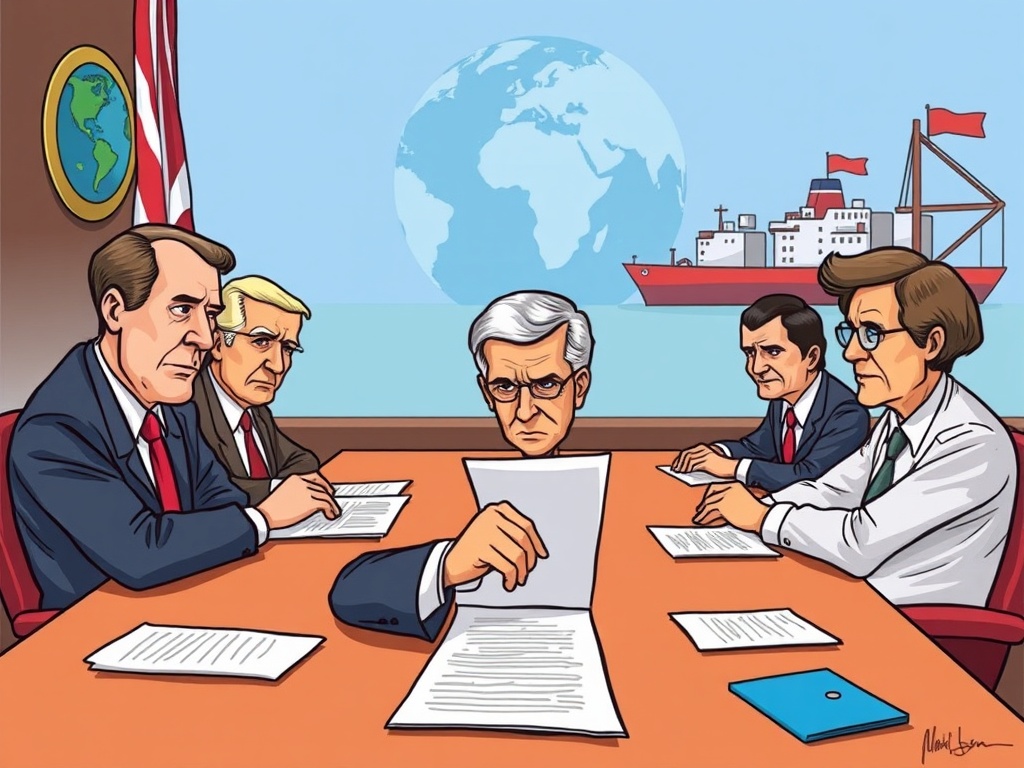
Trump Tariffs: Urgent Meeting Shakes Global Trade Confidence

A critical announcement has just surfaced: President Donald Trump is scheduled to hold an emergency meeting tomorrow regarding tariffs. This development immediately sends ripples through global markets, especially for those monitoring economic indicators and their potential impact on digital assets. The very mention of new or revised Trump tariffs ignites conversations about trade policy and economic stability worldwide.

What’s Behind the Urgent Trump Tariffs Meeting?

The urgency surrounding this meeting suggests significant policy discussions are on the horizon. During his previous term, President Trump implemented various tariffs on goods from countries like China, as well as on steel and aluminum imports globally. These measures were primarily aimed at protecting domestic industries and rebalancing trade deficits, often leading to what was termed a ‘trade war.’

The upcoming emergency meeting could signal several things. It might involve a review of past tariff strategies, the consideration of new tariffs on specific goods or countries, or even a strategic adjustment to current trade stances. The implications of these potential Trump tariffs are vast, affecting everything from manufacturing costs to consumer prices.

How Do Trump Tariffs Impact Global Markets and Your Portfolio?

When tariffs are imposed, they essentially act as a tax on imported goods. This can lead to higher costs for businesses that rely on these imports, which often translates into higher prices for consumers. Moreover, countries facing these tariffs often retaliate with their own, creating a cycle that can disrupt global supply chains and dampen economic growth.

  • Increased Costs: Businesses importing raw materials or finished goods face higher expenses, potentially squeezing profit margins.
  • Supply Chain Disruptions: Companies may need to find new suppliers, leading to delays and inefficiencies.
  • Retaliatory Measures: Other nations might impose tariffs on U.S. exports, hurting American businesses and farmers.
  • Market Volatility: Uncertainty around trade policies can cause stock markets to fluctuate, and even influence the stability of cryptocurrency markets as investors seek safe havens or react to economic shifts.

The economic ripples from past Trump tariffs have shown how interconnected global trade is, and any new measures could once again reshape the landscape for investors and consumers alike.

Who Benefits and Who Faces Challenges from Trump Tariffs?

The impact of tariffs is rarely uniform. Domestically, industries that compete with imported goods might see a boost. For instance, U.S. steel producers could benefit from tariffs on foreign steel, as their products become more competitively priced. This protectionist approach aims to strengthen local manufacturing and create jobs within specific sectors.

However, the challenges are often widespread. Companies that use imported components, retailers selling foreign goods, and consumers who ultimately pay higher prices for a range of products can all be negatively affected. Exporters might also suffer if their goods become targets for retaliatory tariffs abroad. Understanding these dynamics is crucial for navigating the economic environment shaped by Trump tariffs.

What Should Investors and Businesses Watch For?

Given the potential for significant market movements, staying informed is key. Businesses should assess their supply chains for vulnerabilities and consider diversification strategies. Investors, particularly those in the cryptocurrency space, should monitor traditional market reactions to trade news, as major economic shifts can influence investor sentiment across all asset classes.

Look for official statements following the meeting, details on specific goods or countries targeted, and reactions from international trade partners. These indicators will provide clearer insights into the immediate and long-term consequences of any new Trump tariffs or policy changes.

The upcoming emergency meeting on Trump tariffs is a high-stakes event with the potential to reshape trade dynamics and global economic confidence. Whether these discussions lead to new impositions or a recalibration of existing policies, the world will be watching closely. The ripple effects will undoubtedly touch various sectors, including the volatile yet resilient cryptocurrency markets, making informed vigilance more important than ever.

Frequently Asked Questions (FAQs)

What are tariffs?

Tariffs are taxes or duties imposed by a government on imported goods or services. They are typically used to protect domestic industries from foreign competition or to generate revenue.

Why did President Trump impose tariffs previously?

President Trump previously imposed tariffs primarily to address what he perceived as unfair trade practices, protect American jobs, and reduce trade deficits with specific countries, particularly China.

What are the potential economic consequences of new Trump tariffs?

New Trump tariffs could lead to higher consumer prices, increased costs for businesses, supply chain disruptions, and potential retaliatory tariffs from other nations, which could slow global economic growth.

How might this meeting affect cryptocurrency markets?

While not directly linked, major shifts in global trade policy and economic confidence, such as those caused by Trump tariffs, can indirectly impact cryptocurrency markets. Investors might move to or from digital assets based on overall market sentiment and perceived economic stability.

Who ultimately pays for tariffs?

Although tariffs are levied on importers, the cost is often passed on to consumers through higher prices for goods. Businesses that absorb the costs may see reduced profit margins.

If you found this article insightful, please share it with your network! Stay ahead of the curve by sharing this crucial analysis of Trump tariffs and their potential global impact on social media.

To learn more about the latest explore our article on key developments shaping global trade policy and its impact on digital assets.

This post Trump Tariffs: Urgent Meeting Shakes Global Trade Confidence first appeared on BitcoinWorld and is written by Editorial Team


Market Opportunity
OFFICIAL TRUMP Logo
OFFICIAL TRUMP Price(TRUMP)
$5.401
$5.401$5.401
+1.50%
USD
OFFICIAL TRUMP (TRUMP) Live Price Chart
Disclaimer: The articles reposted on this site are sourced from public platforms and are provided for informational purposes only. They do not necessarily reflect the views of MEXC. All rights remain with the original authors. If you believe any content infringes on third-party rights, please contact service@support.mexc.com for removal. MEXC makes no guarantees regarding the accuracy, completeness, or timeliness of the content and is not responsible for any actions taken based on the information provided. The content does not constitute financial, legal, or other professional advice, nor should it be considered a recommendation or endorsement by MEXC.

You May Also Like

XRPL Validator Reveals Why He Just Vetoed New Amendment

XRPL Validator Reveals Why He Just Vetoed New Amendment

Vet has explained that he has decided to veto the Token Escrow amendment to prevent breaking things
Share
Coinstats2025/09/18 00:28
Unleashing A New Era Of Seller Empowerment

Unleashing A New Era Of Seller Empowerment

The post Unleashing A New Era Of Seller Empowerment appeared on BitcoinEthereumNews.com. Amazon AI Agent: Unleashing A New Era Of Seller Empowerment Skip to content Home AI News Amazon AI Agent: Unleashing a New Era of Seller Empowerment Source: https://bitcoinworld.co.in/amazon-ai-seller-tools/
Share
BitcoinEthereumNews2025/09/18 00:10
Aave DAO to Shut Down 50% of L2s While Doubling Down on GHO

Aave DAO to Shut Down 50% of L2s While Doubling Down on GHO

The post Aave DAO to Shut Down 50% of L2s While Doubling Down on GHO appeared on BitcoinEthereumNews.com. Aave DAO is gearing up for a significant overhaul by shutting down over 50% of underperforming L2 instances. It is also restructuring its governance framework and deploying over $100 million to boost GHO. This could be a pivotal moment that propels Aave back to the forefront of on-chain lending or sparks unprecedented controversy within the DeFi community. Sponsored Sponsored ACI Proposes Shutting Down 50% of L2s The “State of the Union” report by the Aave Chan Initiative (ACI) paints a candid picture. After a turbulent period in the DeFi market and internal challenges, Aave (AAVE) now leads in key metrics: TVL, revenue, market share, and borrowing volume. Aave’s annual revenue of $130 million surpasses the combined cash reserves of its competitors. Tokenomics improvements and the AAVE token buyback program have also contributed to the ecosystem’s growth. Aave global metrics. Source: Aave However, the ACI’s report also highlights several pain points. First, regarding the Layer-2 (L2) strategy. While Aave’s L2 strategy was once a key driver of success, it is no longer fit for purpose. Over half of Aave’s instances on L2s and alt-L1s are not economically viable. Based on year-to-date data, over 86.6% of Aave’s revenue comes from the mainnet, indicating that everything else is a side quest. On this basis, ACI proposes closing underperforming networks. The DAO should invest in key networks with significant differentiators. Second, ACI is pushing for a complete overhaul of the “friendly fork” framework, as most have been unimpressive regarding TVL and revenue. In some cases, attackers have exploited them to Aave’s detriment, as seen with Spark. Sponsored Sponsored “The friendly fork model had a good intention but bad execution where the DAO was too friendly towards these forks, allowing the DAO only little upside,” the report states. Third, the instance model, once a smart…
Share
BitcoinEthereumNews2025/09/18 02:28