BitcoinWorld Bitcoin Selling Pressure: Crucial Analysis Reveals Short-Term Holder Impact The world of cryptocurrency is constantly evolving, presenting both exciting opportunities and significant challenges. Currently, a key dynamic is influencing the market: substantial Bitcoin selling pressure. Understanding this pressure, especially from short-term holders, is absolutely crucial for anyone involved in the crypto space. On-chain analytics firm Glassnode has recently provided insightful data that sheds light on why BTC might be struggling to gain significant upward momentum at its current levels. What’s Driving the Intense Bitcoin Selling Pressure? According to Glassnode’s comprehensive analysis, Bitcoin (BTC) is currently trading within a very specific and challenging price corridor. This range, spanning approximately $113,600 to $115,600, isn’t just arbitrary; it represents the average purchase price for a significant cohort of short-term holders. These are individuals who acquired their Bitcoin relatively recently, typically within the last one to three months. For these newer investors, the current market price means their investments are effectively “underwater” – they are holding Bitcoin at a loss compared to their initial cost basis. This situation creates a powerful, almost gravitational, market dynamic: Break-Even Motivation: As BTC’s price attempts to rebound and approaches this critical range, many short-term holders are motivated to sell. Their primary goal is often to “break even” on their investment or to cut their losses before they deepen. Supply Overhang: This collective desire to exit or reduce exposure at cost creates a substantial “supply overhang.” Essentially, there are many sellers waiting at these specific price points. Resistance Formation: Consequently, this range acts as a formidable resistance level. Any upward price movement is met with a wave of sell orders, making it incredibly difficult for Bitcoin to push through and establish higher highs in the short term. This persistent Bitcoin selling pressure from short-term holders is a significant factor limiting immediate upside potential. Why Do Short-Term Holders Influence BTC So Much? The actions of short-term holders carry considerable weight in the market, especially during periods of price consolidation. Unlike long-term holders, who possess a stronger conviction and often ride out market volatility, short-term holders are generally more reactive. Their investment strategies are often focused on quicker gains or minimizing short-term losses. When a large segment of this group finds their positions in the red, their collective sentiment can quickly shift from optimism to a desire for capital preservation. This isn’t necessarily a sign of weakness in Bitcoin itself, but rather a natural market cleansing process. It highlights the importance of understanding market psychology and the different investor cohorts at play. The current Bitcoin selling pressure illustrates how crucial it is to monitor these on-chain metrics. Navigating This Challenging Market: What Can Investors Do? For both seasoned and new investors, understanding the implications of this analysis is key to making informed decisions. The current environment, marked by significant Bitcoin selling pressure, calls for a strategic approach. Consider these actionable insights: Exercise Patience: Expect potential volatility and constrained upward movement in the short term. Significant rallies may require sustained buying volume to absorb the existing supply. Leverage On-Chain Analytics: Tools from firms like Glassnode offer unparalleled visibility into market internals. Monitoring metrics related to holder behavior, cost basis, and supply distribution can provide a clearer picture than price charts alone. Re-evaluate Risk Tolerance: If you are a short-term trader, be particularly mindful of these resistance levels. Long-term investors might view such periods as opportunities for strategic accumulation, but always within your defined risk parameters. Identify Potential Catalysts: While internal market dynamics are at play, external factors could shift the narrative. Keep an eye on major macroeconomic news, regulatory developments, or significant institutional announcements that could provide the necessary impetus for a breakout. This phase is a test of market resilience. It underscores the importance of a well-thought-out investment strategy rather than impulsive reactions. Conclusion: The Path Forward for Bitcoin Amidst Pressure The analysis revealing substantial Bitcoin selling pressure from short-term holders around the $113,600 to $115,600 range provides a critical lens through which to view the current market. This dynamic, while limiting immediate upside, is a natural part of market cycles. It forces a period of consolidation and the absorption of overhead supply. Investors who stay informed, exercise patience, and employ robust risk management strategies will be better positioned to navigate these challenging waters and capitalize on Bitcoin’s long-term potential. Understanding these fundamental forces is paramount for a clearer perspective on Bitcoin’s journey ahead. Frequently Asked Questions (FAQs) 1. What is “short-term holder cost basis”? It refers to the average price at which short-term Bitcoin holders (those who bought BTC 1-3 months ago) initially purchased their assets. If the current price is below this, they are at a loss. 2. Why do short-term holders sell at a loss? Often, short-term holders sell when the price approaches their cost basis to “break even” or minimize further losses, especially if they believe the price might drop further. This creates selling pressure. 3. How does this Bitcoin selling pressure affect BTC’s price? This pressure creates strong resistance levels. As Bitcoin’s price tries to rise, it encounters a significant number of sell orders from these holders, which can cap upward movement and lead to consolidation or minor pullbacks. 4. What can investors do during periods of high Bitcoin selling pressure? Investors can practice patience, monitor on-chain data for insights, reassess their risk tolerance, and look for potential catalysts that could shift market sentiment and overcome the selling pressure. 5. Is this a bearish sign for Bitcoin’s long-term outlook? Not necessarily. While it indicates short-term resistance, such periods of consolidation and supply absorption are a natural part of market cycles. They can help build a stronger foundation for future growth, testing investor resolve. Did this analysis help you understand the current Bitcoin market better? Share this article with your fellow crypto enthusiasts on social media to spread awareness and foster informed discussions! To learn more about the latest Bitcoin trends, explore our article on key developments shaping Bitcoin price action. This post Bitcoin Selling Pressure: Crucial Analysis Reveals Short-Term Holder Impact first appeared on BitcoinWorld and is written by Editorial TeamBitcoinWorld Bitcoin Selling Pressure: Crucial Analysis Reveals Short-Term Holder Impact The world of cryptocurrency is constantly evolving, presenting both exciting opportunities and significant challenges. Currently, a key dynamic is influencing the market: substantial Bitcoin selling pressure. Understanding this pressure, especially from short-term holders, is absolutely crucial for anyone involved in the crypto space. On-chain analytics firm Glassnode has recently provided insightful data that sheds light on why BTC might be struggling to gain significant upward momentum at its current levels. What’s Driving the Intense Bitcoin Selling Pressure? According to Glassnode’s comprehensive analysis, Bitcoin (BTC) is currently trading within a very specific and challenging price corridor. This range, spanning approximately $113,600 to $115,600, isn’t just arbitrary; it represents the average purchase price for a significant cohort of short-term holders. These are individuals who acquired their Bitcoin relatively recently, typically within the last one to three months. For these newer investors, the current market price means their investments are effectively “underwater” – they are holding Bitcoin at a loss compared to their initial cost basis. This situation creates a powerful, almost gravitational, market dynamic: Break-Even Motivation: As BTC’s price attempts to rebound and approaches this critical range, many short-term holders are motivated to sell. Their primary goal is often to “break even” on their investment or to cut their losses before they deepen. Supply Overhang: This collective desire to exit or reduce exposure at cost creates a substantial “supply overhang.” Essentially, there are many sellers waiting at these specific price points. Resistance Formation: Consequently, this range acts as a formidable resistance level. Any upward price movement is met with a wave of sell orders, making it incredibly difficult for Bitcoin to push through and establish higher highs in the short term. This persistent Bitcoin selling pressure from short-term holders is a significant factor limiting immediate upside potential. Why Do Short-Term Holders Influence BTC So Much? The actions of short-term holders carry considerable weight in the market, especially during periods of price consolidation. Unlike long-term holders, who possess a stronger conviction and often ride out market volatility, short-term holders are generally more reactive. Their investment strategies are often focused on quicker gains or minimizing short-term losses. When a large segment of this group finds their positions in the red, their collective sentiment can quickly shift from optimism to a desire for capital preservation. This isn’t necessarily a sign of weakness in Bitcoin itself, but rather a natural market cleansing process. It highlights the importance of understanding market psychology and the different investor cohorts at play. The current Bitcoin selling pressure illustrates how crucial it is to monitor these on-chain metrics. Navigating This Challenging Market: What Can Investors Do? For both seasoned and new investors, understanding the implications of this analysis is key to making informed decisions. The current environment, marked by significant Bitcoin selling pressure, calls for a strategic approach. Consider these actionable insights: Exercise Patience: Expect potential volatility and constrained upward movement in the short term. Significant rallies may require sustained buying volume to absorb the existing supply. Leverage On-Chain Analytics: Tools from firms like Glassnode offer unparalleled visibility into market internals. Monitoring metrics related to holder behavior, cost basis, and supply distribution can provide a clearer picture than price charts alone. Re-evaluate Risk Tolerance: If you are a short-term trader, be particularly mindful of these resistance levels. Long-term investors might view such periods as opportunities for strategic accumulation, but always within your defined risk parameters. Identify Potential Catalysts: While internal market dynamics are at play, external factors could shift the narrative. Keep an eye on major macroeconomic news, regulatory developments, or significant institutional announcements that could provide the necessary impetus for a breakout. This phase is a test of market resilience. It underscores the importance of a well-thought-out investment strategy rather than impulsive reactions. Conclusion: The Path Forward for Bitcoin Amidst Pressure The analysis revealing substantial Bitcoin selling pressure from short-term holders around the $113,600 to $115,600 range provides a critical lens through which to view the current market. This dynamic, while limiting immediate upside, is a natural part of market cycles. It forces a period of consolidation and the absorption of overhead supply. Investors who stay informed, exercise patience, and employ robust risk management strategies will be better positioned to navigate these challenging waters and capitalize on Bitcoin’s long-term potential. Understanding these fundamental forces is paramount for a clearer perspective on Bitcoin’s journey ahead. Frequently Asked Questions (FAQs) 1. What is “short-term holder cost basis”? It refers to the average price at which short-term Bitcoin holders (those who bought BTC 1-3 months ago) initially purchased their assets. If the current price is below this, they are at a loss. 2. Why do short-term holders sell at a loss? Often, short-term holders sell when the price approaches their cost basis to “break even” or minimize further losses, especially if they believe the price might drop further. This creates selling pressure. 3. How does this Bitcoin selling pressure affect BTC’s price? This pressure creates strong resistance levels. As Bitcoin’s price tries to rise, it encounters a significant number of sell orders from these holders, which can cap upward movement and lead to consolidation or minor pullbacks. 4. What can investors do during periods of high Bitcoin selling pressure? Investors can practice patience, monitor on-chain data for insights, reassess their risk tolerance, and look for potential catalysts that could shift market sentiment and overcome the selling pressure. 5. Is this a bearish sign for Bitcoin’s long-term outlook? Not necessarily. While it indicates short-term resistance, such periods of consolidation and supply absorption are a natural part of market cycles. They can help build a stronger foundation for future growth, testing investor resolve. Did this analysis help you understand the current Bitcoin market better? Share this article with your fellow crypto enthusiasts on social media to spread awareness and foster informed discussions! To learn more about the latest Bitcoin trends, explore our article on key developments shaping Bitcoin price action. This post Bitcoin Selling Pressure: Crucial Analysis Reveals Short-Term Holder Impact first appeared on BitcoinWorld and is written by Editorial Team

Bitcoin Selling Pressure: Crucial Analysis Reveals Short-Term Holder Impact

BitcoinWorld
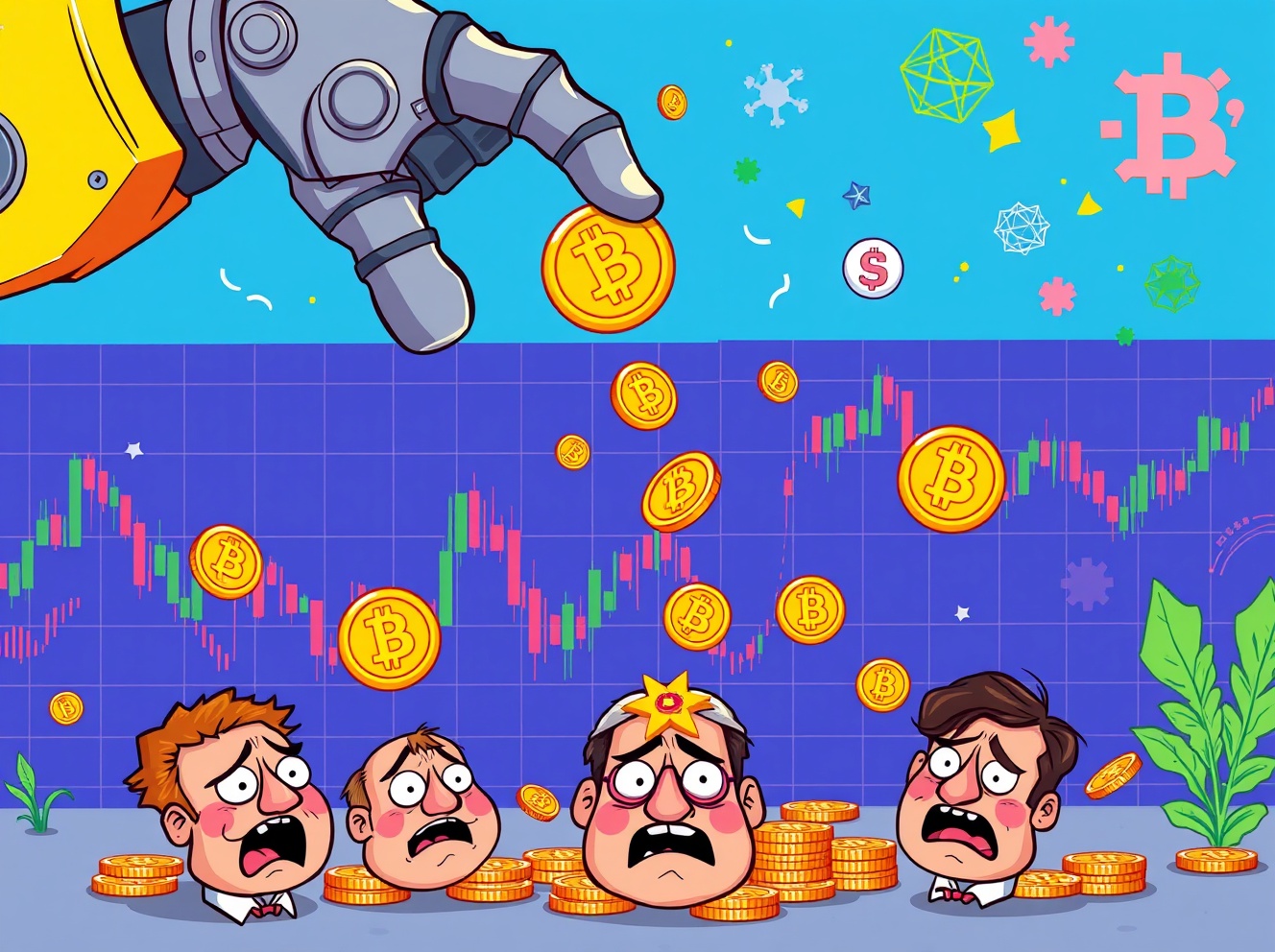
Bitcoin Selling Pressure: Crucial Analysis Reveals Short-Term Holder Impact

The world of cryptocurrency is constantly evolving, presenting both exciting opportunities and significant challenges. Currently, a key dynamic is influencing the market: substantial Bitcoin selling pressure. Understanding this pressure, especially from short-term holders, is absolutely crucial for anyone involved in the crypto space. On-chain analytics firm Glassnode has recently provided insightful data that sheds light on why BTC might be struggling to gain significant upward momentum at its current levels.

What’s Driving the Intense Bitcoin Selling Pressure?

According to Glassnode’s comprehensive analysis, Bitcoin (BTC) is currently trading within a very specific and challenging price corridor. This range, spanning approximately $113,600 to $115,600, isn’t just arbitrary; it represents the average purchase price for a significant cohort of short-term holders. These are individuals who acquired their Bitcoin relatively recently, typically within the last one to three months.

For these newer investors, the current market price means their investments are effectively “underwater” – they are holding Bitcoin at a loss compared to their initial cost basis. This situation creates a powerful, almost gravitational, market dynamic:

  • Break-Even Motivation: As BTC’s price attempts to rebound and approaches this critical range, many short-term holders are motivated to sell. Their primary goal is often to “break even” on their investment or to cut their losses before they deepen.
  • Supply Overhang: This collective desire to exit or reduce exposure at cost creates a substantial “supply overhang.” Essentially, there are many sellers waiting at these specific price points.
  • Resistance Formation: Consequently, this range acts as a formidable resistance level. Any upward price movement is met with a wave of sell orders, making it incredibly difficult for Bitcoin to push through and establish higher highs in the short term.

This persistent Bitcoin selling pressure from short-term holders is a significant factor limiting immediate upside potential.

Why Do Short-Term Holders Influence BTC So Much?

The actions of short-term holders carry considerable weight in the market, especially during periods of price consolidation. Unlike long-term holders, who possess a stronger conviction and often ride out market volatility, short-term holders are generally more reactive. Their investment strategies are often focused on quicker gains or minimizing short-term losses.

When a large segment of this group finds their positions in the red, their collective sentiment can quickly shift from optimism to a desire for capital preservation. This isn’t necessarily a sign of weakness in Bitcoin itself, but rather a natural market cleansing process. It highlights the importance of understanding market psychology and the different investor cohorts at play. The current Bitcoin selling pressure illustrates how crucial it is to monitor these on-chain metrics.

For both seasoned and new investors, understanding the implications of this analysis is key to making informed decisions. The current environment, marked by significant Bitcoin selling pressure, calls for a strategic approach.

Consider these actionable insights:

  • Exercise Patience: Expect potential volatility and constrained upward movement in the short term. Significant rallies may require sustained buying volume to absorb the existing supply.
  • Leverage On-Chain Analytics: Tools from firms like Glassnode offer unparalleled visibility into market internals. Monitoring metrics related to holder behavior, cost basis, and supply distribution can provide a clearer picture than price charts alone.
  • Re-evaluate Risk Tolerance: If you are a short-term trader, be particularly mindful of these resistance levels. Long-term investors might view such periods as opportunities for strategic accumulation, but always within your defined risk parameters.
  • Identify Potential Catalysts: While internal market dynamics are at play, external factors could shift the narrative. Keep an eye on major macroeconomic news, regulatory developments, or significant institutional announcements that could provide the necessary impetus for a breakout.

This phase is a test of market resilience. It underscores the importance of a well-thought-out investment strategy rather than impulsive reactions.

Conclusion: The Path Forward for Bitcoin Amidst Pressure

The analysis revealing substantial Bitcoin selling pressure from short-term holders around the $113,600 to $115,600 range provides a critical lens through which to view the current market. This dynamic, while limiting immediate upside, is a natural part of market cycles. It forces a period of consolidation and the absorption of overhead supply. Investors who stay informed, exercise patience, and employ robust risk management strategies will be better positioned to navigate these challenging waters and capitalize on Bitcoin’s long-term potential. Understanding these fundamental forces is paramount for a clearer perspective on Bitcoin’s journey ahead.

Frequently Asked Questions (FAQs)

1. What is “short-term holder cost basis”?
It refers to the average price at which short-term Bitcoin holders (those who bought BTC 1-3 months ago) initially purchased their assets. If the current price is below this, they are at a loss.

2. Why do short-term holders sell at a loss?
Often, short-term holders sell when the price approaches their cost basis to “break even” or minimize further losses, especially if they believe the price might drop further. This creates selling pressure.

3. How does this Bitcoin selling pressure affect BTC’s price?
This pressure creates strong resistance levels. As Bitcoin’s price tries to rise, it encounters a significant number of sell orders from these holders, which can cap upward movement and lead to consolidation or minor pullbacks.

4. What can investors do during periods of high Bitcoin selling pressure?
Investors can practice patience, monitor on-chain data for insights, reassess their risk tolerance, and look for potential catalysts that could shift market sentiment and overcome the selling pressure.

5. Is this a bearish sign for Bitcoin’s long-term outlook?
Not necessarily. While it indicates short-term resistance, such periods of consolidation and supply absorption are a natural part of market cycles. They can help build a stronger foundation for future growth, testing investor resolve.

Did this analysis help you understand the current Bitcoin market better? Share this article with your fellow crypto enthusiasts on social media to spread awareness and foster informed discussions!

To learn more about the latest Bitcoin trends, explore our article on key developments shaping Bitcoin price action.

This post Bitcoin Selling Pressure: Crucial Analysis Reveals Short-Term Holder Impact first appeared on BitcoinWorld and is written by Editorial Team

Market Opportunity
Threshold Logo
Threshold Price(T)
$0.0099
$0.0099$0.0099
-0.20%
USD
Threshold (T) Live Price Chart
Disclaimer: The articles reposted on this site are sourced from public platforms and are provided for informational purposes only. They do not necessarily reflect the views of MEXC. All rights remain with the original authors. If you believe any content infringes on third-party rights, please contact service@support.mexc.com for removal. MEXC makes no guarantees regarding the accuracy, completeness, or timeliness of the content and is not responsible for any actions taken based on the information provided. The content does not constitute financial, legal, or other professional advice, nor should it be considered a recommendation or endorsement by MEXC.

You May Also Like

The Economics of Self-Isolation: A Game-Theoretic Analysis of Contagion in a Free Economy

The Economics of Self-Isolation: A Game-Theoretic Analysis of Contagion in a Free Economy

Exploring how the costs of a pandemic can lead to a self-enforcing lockdown in a networked economy, analyzing the resulting changes in network structure and the existence of stable equilibria.
Share
Hackernoon2025/09/17 23:00
One Of Frank Sinatra’s Most Famous Albums Is Back In The Spotlight

One Of Frank Sinatra’s Most Famous Albums Is Back In The Spotlight

The post One Of Frank Sinatra’s Most Famous Albums Is Back In The Spotlight appeared on BitcoinEthereumNews.com. Frank Sinatra’s The World We Knew returns to the Jazz Albums and Traditional Jazz Albums charts, showing continued demand for his timeless music. Frank Sinatra performs on his TV special Frank Sinatra: A Man and his Music Bettmann Archive These days on the Billboard charts, Frank Sinatra’s music can always be found on the jazz-specific rankings. While the art he created when he was still working was pop at the time, and later classified as traditional pop, there is no such list for the latter format in America, and so his throwback projects and cuts appear on jazz lists instead. It’s on those charts where Sinatra rebounds this week, and one of his popular projects returns not to one, but two tallies at the same time, helping him increase the total amount of real estate he owns at the moment. Frank Sinatra’s The World We Knew Returns Sinatra’s The World We Knew is a top performer again, if only on the jazz lists. That set rebounds to No. 15 on the Traditional Jazz Albums chart and comes in at No. 20 on the all-encompassing Jazz Albums ranking after not appearing on either roster just last frame. The World We Knew’s All-Time Highs The World We Knew returns close to its all-time peak on both of those rosters. Sinatra’s classic has peaked at No. 11 on the Traditional Jazz Albums chart, just missing out on becoming another top 10 for the crooner. The set climbed all the way to No. 15 on the Jazz Albums tally and has now spent just under two months on the rosters. Frank Sinatra’s Album With Classic Hits Sinatra released The World We Knew in the summer of 1967. The title track, which on the album is actually known as “The World We Knew (Over and…
Share
BitcoinEthereumNews2025/09/18 00:02
The U.S. Department of Justice files civil forfeiture lawsuit for over $225 million in crypto fraud funds

The U.S. Department of Justice files civil forfeiture lawsuit for over $225 million in crypto fraud funds

PANews reported on June 18 that according to an official announcement, the U.S. Department of Justice filed a civil forfeiture lawsuit in the U.S. District Court for the District of
Share
PANews2025/06/18 23:59