BitcoinWorld Bitlayer BTR Tokenomics Unveils Strategic 40% Ecosystem Incentive The crypto world is buzzing with news from Bitlayer, a prominent Bitcoin Layer 2 project. They have just revealed the highly anticipated Bitlayer BTR tokenomics for their native BTR token. This announcement provides crucial insights into how the project plans to distribute its one billion token supply, with a significant portion dedicated to fostering its ecosystem. Understanding the Core of Bitlayer BTR Tokenomics Bitlayer’s BTR token, with a total supply of one billion, outlines a clear strategy for its distribution. This detailed allocation plan gives the community and potential participants a transparent view of the project’s long-term vision and priorities. Understanding these allocations is key to grasping Bitlayer’s future trajectory. Here is a breakdown of the Bitlayer BTR tokenomics distribution: Ecosystem Incentives: A substantial 40% of the total supply is earmarked for ecosystem incentives. This highlights Bitlayer’s commitment to growth and community engagement. Investors and Advisors: 20.25% will go to early supporters, including investors and project advisors, acknowledging their foundational contributions. Core Team: The team responsible for building and maintaining Bitlayer will receive 12% of the tokens, aligning their interests with the project’s success. Public Distribution: 11% is allocated for public distribution, ensuring broader access and decentralization for the BTR token. Node Incentives: 7.75% is set aside to incentivize node operators, which is vital for network security and performance. Treasury: A 6% allocation to the treasury provides resources for future development, operational costs, and strategic initiatives. Liquidity: Finally, 3% is dedicated to ensuring sufficient liquidity for the BTR token across various platforms. Why Are Ecosystem Incentives So Crucial for Bitlayer BTR Tokenomics? The decision to allocate a massive 40% to ecosystem incentives is a powerful statement from Bitlayer. But what does this really mean, and why is it so important? This significant portion is designed to fuel innovation, attract developers, and reward active community members. It’s a strategic move to ensure sustained growth and adoption. Think of it as a growth engine. By providing substantial incentives, Bitlayer aims to: Attract Developers: Encourage new applications and services to build on the Bitlayer network. Boost User Adoption: Reward users for participating in the ecosystem, such as providing liquidity or using dApps. Foster Innovation: Support grants, hackathons, and other initiatives that drive creative solutions within the Bitcoin Layer 2 space. This approach is often seen in successful blockchain projects that prioritize community-led development and network expansion. What Does This Mean for the Future of Bitlayer? The unveiling of the Bitlayer BTR tokenomics with such a strong focus on ecosystem incentives paints a promising picture for the project’s future. It suggests a long-term vision centered on robust community participation and continuous development. This strategic allocation positions Bitlayer to become a vibrant and dynamic ecosystem within the broader Bitcoin network. Moreover, the balanced distribution across other categories—investors, team, public, nodes, treasury, and liquidity—demonstrates a thoughtful approach to sustainability and governance. This comprehensive plan is essential for building a resilient and decentralized Bitcoin Layer 2 solution. Therefore, stakeholders can look forward to a period of active growth and development as these incentives roll out. In conclusion, Bitlayer’s detailed Bitlayer BTR tokenomics reveal a clear and compelling strategy for its BTR token. The impressive 40% allocation to ecosystem incentives underscores a strong commitment to fostering a vibrant, innovative, and user-driven environment. This move is poised to significantly impact the project’s growth, driving adoption and solidifying its position as a key player in the Bitcoin Layer 2 landscape. It’s an exciting time for anyone watching the evolution of Bitcoin scalability solutions. Frequently Asked Questions (FAQs) Q1: What is Bitlayer? A1: Bitlayer is a Bitcoin Layer 2 project, designed to enhance the scalability and functionality of the Bitcoin network by enabling faster and cheaper transactions and smart contract capabilities. Q2: What is the total supply of BTR tokens? A2: The total supply of Bitlayer’s native BTR token is one billion. Q3: How much of the BTR supply is allocated for ecosystem incentives? A3: A significant 40% of the total BTR token supply is allocated for ecosystem incentives, aimed at fostering growth and community participation. Q4: Why is a large allocation for ecosystem incentives important? A4: A large allocation for ecosystem incentives is crucial because it helps attract developers, encourages user adoption, and supports innovation, all of which are vital for the long-term health and expansion of the Bitlayer network. Q5: What role do node incentives play in Bitlayer BTR tokenomics? A5: Node incentives, which account for 7.75% of the supply, are essential for rewarding operators who secure and maintain the network, ensuring its stability and efficiency. Enjoyed this insightful breakdown of Bitlayer’s tokenomics? Share this article with your friends and fellow crypto enthusiasts on social media to keep them informed about the latest developments in the Bitcoin Layer 2 space! To learn more about the latest crypto market trends, explore our article on key developments shaping Bitcoin Layer 2 institutional adoption. This post Bitlayer BTR Tokenomics Unveils Strategic 40% Ecosystem Incentive first appeared on BitcoinWorld and is written by Editorial TeamBitcoinWorld Bitlayer BTR Tokenomics Unveils Strategic 40% Ecosystem Incentive The crypto world is buzzing with news from Bitlayer, a prominent Bitcoin Layer 2 project. They have just revealed the highly anticipated Bitlayer BTR tokenomics for their native BTR token. This announcement provides crucial insights into how the project plans to distribute its one billion token supply, with a significant portion dedicated to fostering its ecosystem. Understanding the Core of Bitlayer BTR Tokenomics Bitlayer’s BTR token, with a total supply of one billion, outlines a clear strategy for its distribution. This detailed allocation plan gives the community and potential participants a transparent view of the project’s long-term vision and priorities. Understanding these allocations is key to grasping Bitlayer’s future trajectory. Here is a breakdown of the Bitlayer BTR tokenomics distribution: Ecosystem Incentives: A substantial 40% of the total supply is earmarked for ecosystem incentives. This highlights Bitlayer’s commitment to growth and community engagement. Investors and Advisors: 20.25% will go to early supporters, including investors and project advisors, acknowledging their foundational contributions. Core Team: The team responsible for building and maintaining Bitlayer will receive 12% of the tokens, aligning their interests with the project’s success. Public Distribution: 11% is allocated for public distribution, ensuring broader access and decentralization for the BTR token. Node Incentives: 7.75% is set aside to incentivize node operators, which is vital for network security and performance. Treasury: A 6% allocation to the treasury provides resources for future development, operational costs, and strategic initiatives. Liquidity: Finally, 3% is dedicated to ensuring sufficient liquidity for the BTR token across various platforms. Why Are Ecosystem Incentives So Crucial for Bitlayer BTR Tokenomics? The decision to allocate a massive 40% to ecosystem incentives is a powerful statement from Bitlayer. But what does this really mean, and why is it so important? This significant portion is designed to fuel innovation, attract developers, and reward active community members. It’s a strategic move to ensure sustained growth and adoption. Think of it as a growth engine. By providing substantial incentives, Bitlayer aims to: Attract Developers: Encourage new applications and services to build on the Bitlayer network. Boost User Adoption: Reward users for participating in the ecosystem, such as providing liquidity or using dApps. Foster Innovation: Support grants, hackathons, and other initiatives that drive creative solutions within the Bitcoin Layer 2 space. This approach is often seen in successful blockchain projects that prioritize community-led development and network expansion. What Does This Mean for the Future of Bitlayer? The unveiling of the Bitlayer BTR tokenomics with such a strong focus on ecosystem incentives paints a promising picture for the project’s future. It suggests a long-term vision centered on robust community participation and continuous development. This strategic allocation positions Bitlayer to become a vibrant and dynamic ecosystem within the broader Bitcoin network. Moreover, the balanced distribution across other categories—investors, team, public, nodes, treasury, and liquidity—demonstrates a thoughtful approach to sustainability and governance. This comprehensive plan is essential for building a resilient and decentralized Bitcoin Layer 2 solution. Therefore, stakeholders can look forward to a period of active growth and development as these incentives roll out. In conclusion, Bitlayer’s detailed Bitlayer BTR tokenomics reveal a clear and compelling strategy for its BTR token. The impressive 40% allocation to ecosystem incentives underscores a strong commitment to fostering a vibrant, innovative, and user-driven environment. This move is poised to significantly impact the project’s growth, driving adoption and solidifying its position as a key player in the Bitcoin Layer 2 landscape. It’s an exciting time for anyone watching the evolution of Bitcoin scalability solutions. Frequently Asked Questions (FAQs) Q1: What is Bitlayer? A1: Bitlayer is a Bitcoin Layer 2 project, designed to enhance the scalability and functionality of the Bitcoin network by enabling faster and cheaper transactions and smart contract capabilities. Q2: What is the total supply of BTR tokens? A2: The total supply of Bitlayer’s native BTR token is one billion. Q3: How much of the BTR supply is allocated for ecosystem incentives? A3: A significant 40% of the total BTR token supply is allocated for ecosystem incentives, aimed at fostering growth and community participation. Q4: Why is a large allocation for ecosystem incentives important? A4: A large allocation for ecosystem incentives is crucial because it helps attract developers, encourages user adoption, and supports innovation, all of which are vital for the long-term health and expansion of the Bitlayer network. Q5: What role do node incentives play in Bitlayer BTR tokenomics? A5: Node incentives, which account for 7.75% of the supply, are essential for rewarding operators who secure and maintain the network, ensuring its stability and efficiency. Enjoyed this insightful breakdown of Bitlayer’s tokenomics? Share this article with your friends and fellow crypto enthusiasts on social media to keep them informed about the latest developments in the Bitcoin Layer 2 space! To learn more about the latest crypto market trends, explore our article on key developments shaping Bitcoin Layer 2 institutional adoption. This post Bitlayer BTR Tokenomics Unveils Strategic 40% Ecosystem Incentive first appeared on BitcoinWorld and is written by Editorial Team

Bitlayer BTR Tokenomics Unveils Strategic 40% Ecosystem Incentive

BitcoinWorld
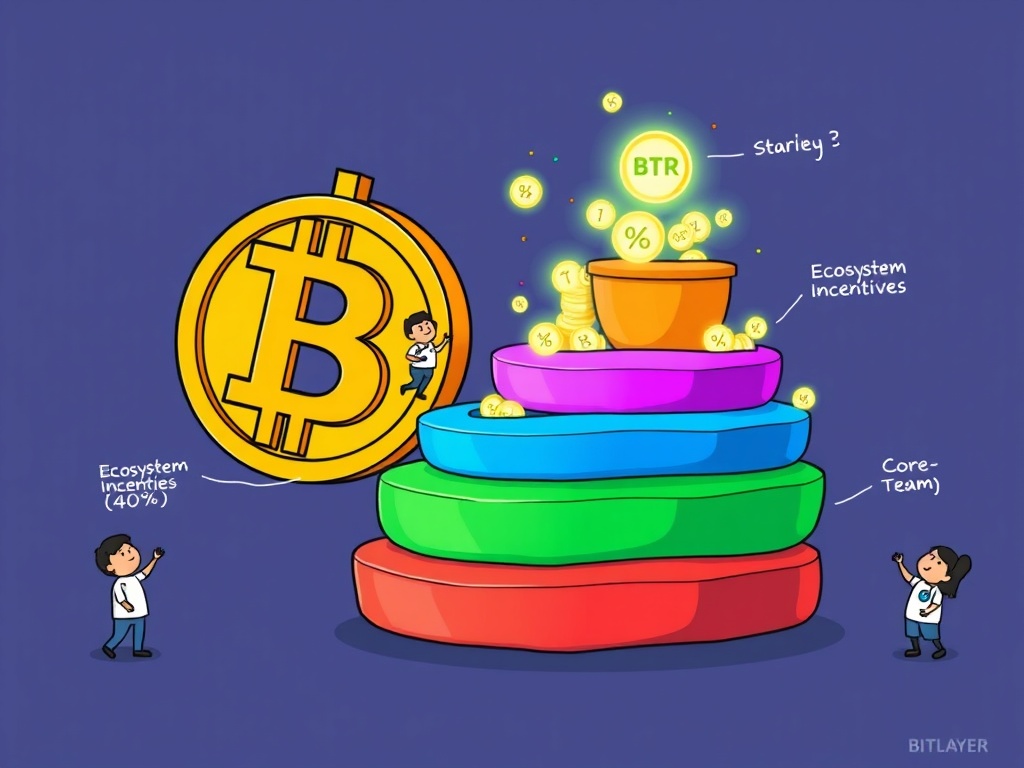
Bitlayer BTR Tokenomics Unveils Strategic 40% Ecosystem Incentive

The crypto world is buzzing with news from Bitlayer, a prominent Bitcoin Layer 2 project. They have just revealed the highly anticipated Bitlayer BTR tokenomics for their native BTR token. This announcement provides crucial insights into how the project plans to distribute its one billion token supply, with a significant portion dedicated to fostering its ecosystem.

Understanding the Core of Bitlayer BTR Tokenomics

Bitlayer’s BTR token, with a total supply of one billion, outlines a clear strategy for its distribution. This detailed allocation plan gives the community and potential participants a transparent view of the project’s long-term vision and priorities. Understanding these allocations is key to grasping Bitlayer’s future trajectory.

Here is a breakdown of the Bitlayer BTR tokenomics distribution:

  • Ecosystem Incentives: A substantial 40% of the total supply is earmarked for ecosystem incentives. This highlights Bitlayer’s commitment to growth and community engagement.
  • Investors and Advisors: 20.25% will go to early supporters, including investors and project advisors, acknowledging their foundational contributions.
  • Core Team: The team responsible for building and maintaining Bitlayer will receive 12% of the tokens, aligning their interests with the project’s success.
  • Public Distribution: 11% is allocated for public distribution, ensuring broader access and decentralization for the BTR token.
  • Node Incentives: 7.75% is set aside to incentivize node operators, which is vital for network security and performance.
  • Treasury: A 6% allocation to the treasury provides resources for future development, operational costs, and strategic initiatives.
  • Liquidity: Finally, 3% is dedicated to ensuring sufficient liquidity for the BTR token across various platforms.

Why Are Ecosystem Incentives So Crucial for Bitlayer BTR Tokenomics?

The decision to allocate a massive 40% to ecosystem incentives is a powerful statement from Bitlayer. But what does this really mean, and why is it so important? This significant portion is designed to fuel innovation, attract developers, and reward active community members. It’s a strategic move to ensure sustained growth and adoption.

Think of it as a growth engine. By providing substantial incentives, Bitlayer aims to:

  • Attract Developers: Encourage new applications and services to build on the Bitlayer network.
  • Boost User Adoption: Reward users for participating in the ecosystem, such as providing liquidity or using dApps.
  • Foster Innovation: Support grants, hackathons, and other initiatives that drive creative solutions within the Bitcoin Layer 2 space.

This approach is often seen in successful blockchain projects that prioritize community-led development and network expansion.

What Does This Mean for the Future of Bitlayer?

The unveiling of the Bitlayer BTR tokenomics with such a strong focus on ecosystem incentives paints a promising picture for the project’s future. It suggests a long-term vision centered on robust community participation and continuous development. This strategic allocation positions Bitlayer to become a vibrant and dynamic ecosystem within the broader Bitcoin network.

Moreover, the balanced distribution across other categories—investors, team, public, nodes, treasury, and liquidity—demonstrates a thoughtful approach to sustainability and governance. This comprehensive plan is essential for building a resilient and decentralized Bitcoin Layer 2 solution. Therefore, stakeholders can look forward to a period of active growth and development as these incentives roll out.

In conclusion, Bitlayer’s detailed Bitlayer BTR tokenomics reveal a clear and compelling strategy for its BTR token. The impressive 40% allocation to ecosystem incentives underscores a strong commitment to fostering a vibrant, innovative, and user-driven environment. This move is poised to significantly impact the project’s growth, driving adoption and solidifying its position as a key player in the Bitcoin Layer 2 landscape. It’s an exciting time for anyone watching the evolution of Bitcoin scalability solutions.

Frequently Asked Questions (FAQs)

Q1: What is Bitlayer?
A1: Bitlayer is a Bitcoin Layer 2 project, designed to enhance the scalability and functionality of the Bitcoin network by enabling faster and cheaper transactions and smart contract capabilities.

Q2: What is the total supply of BTR tokens?
A2: The total supply of Bitlayer’s native BTR token is one billion.

Q3: How much of the BTR supply is allocated for ecosystem incentives?
A3: A significant 40% of the total BTR token supply is allocated for ecosystem incentives, aimed at fostering growth and community participation.

Q4: Why is a large allocation for ecosystem incentives important?
A4: A large allocation for ecosystem incentives is crucial because it helps attract developers, encourages user adoption, and supports innovation, all of which are vital for the long-term health and expansion of the Bitlayer network.

Q5: What role do node incentives play in Bitlayer BTR tokenomics?
A5: Node incentives, which account for 7.75% of the supply, are essential for rewarding operators who secure and maintain the network, ensuring its stability and efficiency.

Enjoyed this insightful breakdown of Bitlayer’s tokenomics? Share this article with your friends and fellow crypto enthusiasts on social media to keep them informed about the latest developments in the Bitcoin Layer 2 space!

To learn more about the latest crypto market trends, explore our article on key developments shaping Bitcoin Layer 2 institutional adoption.

This post Bitlayer BTR Tokenomics Unveils Strategic 40% Ecosystem Incentive first appeared on BitcoinWorld and is written by Editorial Team


Market Opportunity
Bitlayer Logo
Bitlayer Price(BTR)
$0.06046
$0.06046$0.06046
+29.52%
USD
Bitlayer (BTR) Live Price Chart
Disclaimer: The articles reposted on this site are sourced from public platforms and are provided for informational purposes only. They do not necessarily reflect the views of MEXC. All rights remain with the original authors. If you believe any content infringes on third-party rights, please contact service@support.mexc.com for removal. MEXC makes no guarantees regarding the accuracy, completeness, or timeliness of the content and is not responsible for any actions taken based on the information provided. The content does not constitute financial, legal, or other professional advice, nor should it be considered a recommendation or endorsement by MEXC.

You May Also Like

Taiko Makes Chainlink Data Streams Its Official Oracle

Taiko Makes Chainlink Data Streams Its Official Oracle

The post Taiko Makes Chainlink Data Streams Its Official Oracle appeared on BitcoinEthereumNews.com. Key Notes Taiko has officially integrated Chainlink Data Streams for its Layer 2 network. The integration provides developers with high-speed market data to build advanced DeFi applications. The move aims to improve security and attract institutional adoption by using Chainlink’s established infrastructure. Taiko, an Ethereum-based ETH $4 514 24h volatility: 0.4% Market cap: $545.57 B Vol. 24h: $28.23 B Layer 2 rollup, has announced the integration of Chainlink LINK $23.26 24h volatility: 1.7% Market cap: $15.75 B Vol. 24h: $787.15 M Data Streams. The development comes as the underlying Ethereum network continues to see significant on-chain activity, including large sales from ETH whales. The partnership establishes Chainlink as the official oracle infrastructure for the network. It is designed to provide developers on the Taiko platform with reliable and high-speed market data, essential for building a wide range of decentralized finance (DeFi) applications, from complex derivatives platforms to more niche projects involving unique token governance models. According to the project’s official announcement on Sept. 17, the integration enables the creation of more advanced on-chain products that require high-quality, tamper-proof data to function securely. Taiko operates as a “based rollup,” which means it leverages Ethereum validators for transaction sequencing for strong decentralization. Boosting DeFi and Institutional Interest Oracles are fundamental services in the blockchain industry. They act as secure bridges that feed external, off-chain information to on-chain smart contracts. DeFi protocols, in particular, rely on oracles for accurate, real-time price feeds. Taiko leadership stated that using Chainlink’s infrastructure aligns with its goals. The team hopes the partnership will help attract institutional crypto investment and support the development of real-world applications, a goal that aligns with Chainlink’s broader mission to bring global data on-chain. Integrating real-world economic information is part of a broader industry trend. Just last week, Chainlink partnered with the Sei…
Share
BitcoinEthereumNews2025/09/18 03:34
Kalshi Prediction Markets Are Pulling In $1 Billion Monthly as State Regulators Loom

Kalshi Prediction Markets Are Pulling In $1 Billion Monthly as State Regulators Loom

The post Kalshi Prediction Markets Are Pulling In $1 Billion Monthly as State Regulators Loom appeared on BitcoinEthereumNews.com. In brief Kalshi reached $1 billion in monthly volume and now dominates 62% of the global prediction market industry, surpassing Polymarket’s 37% share. Four states including Massachusetts have filed lawsuits claiming Kalshi operates as an unlicensed sportsbook, with Massachusetts seeking to permanently bar the platform. Kalshi operates under federal CFTC regulation as a designated contract market, arguing this preempts state gambling laws that require separate licensing. Prediction market Kalshi just topped $1 billion in monthly volume as state regulators nip at its heels with lawsuits alleging that it’s an unregistered sports betting platform. “Despite being limited to only American customers, Kalshi has now risen to dominate the global prediction market industry,” the company said in a press release. “New data scraped from publicly available activity metrics details this rise.” The publicly available data appears on a Dune Analytics dashboard that’s been tracking prediction market notional volume. The data show that Kalshi now accounts for roughly 62% of global prediction market volume, Polymarket for 37%, and the rest split between Limitless and Myriad, the prediction market owned by Decrypt parent company Dastan. Trading volume on Kalshi skyrocketed in August, not coincidentally at the start of the NFL season and as the prediction market pushes further into sports.  But regulators in Maryland, Nevada, and New Jersey have all issued cease-and-desist orders, arguing Kalshi’s event contracts amount to unlicensed sports betting. Each case has spilled into federal court, with judges issuing preliminary rulings but no final decisions yet. Last week, Massachusetts went further, filing a lawsuit that calls Kalshi’s sports contracts “illegal and unsafe sports wagering.” The 43-page Massachusetts lawsuit seeks to stop the company from allowing state residents on its platform—much the way Coinbase has had to do with its staking offerings in parts of the United States. Massachusetts Attorney General…
Share
BitcoinEthereumNews2025/09/19 09:21
[Pastilan] End the confidential fund madness

[Pastilan] End the confidential fund madness

UPDATE RULES. Former Commission on Audit commissioner Heidi Mendoza speaks during a public forum.
Share
Rappler2026/01/16 14:02




