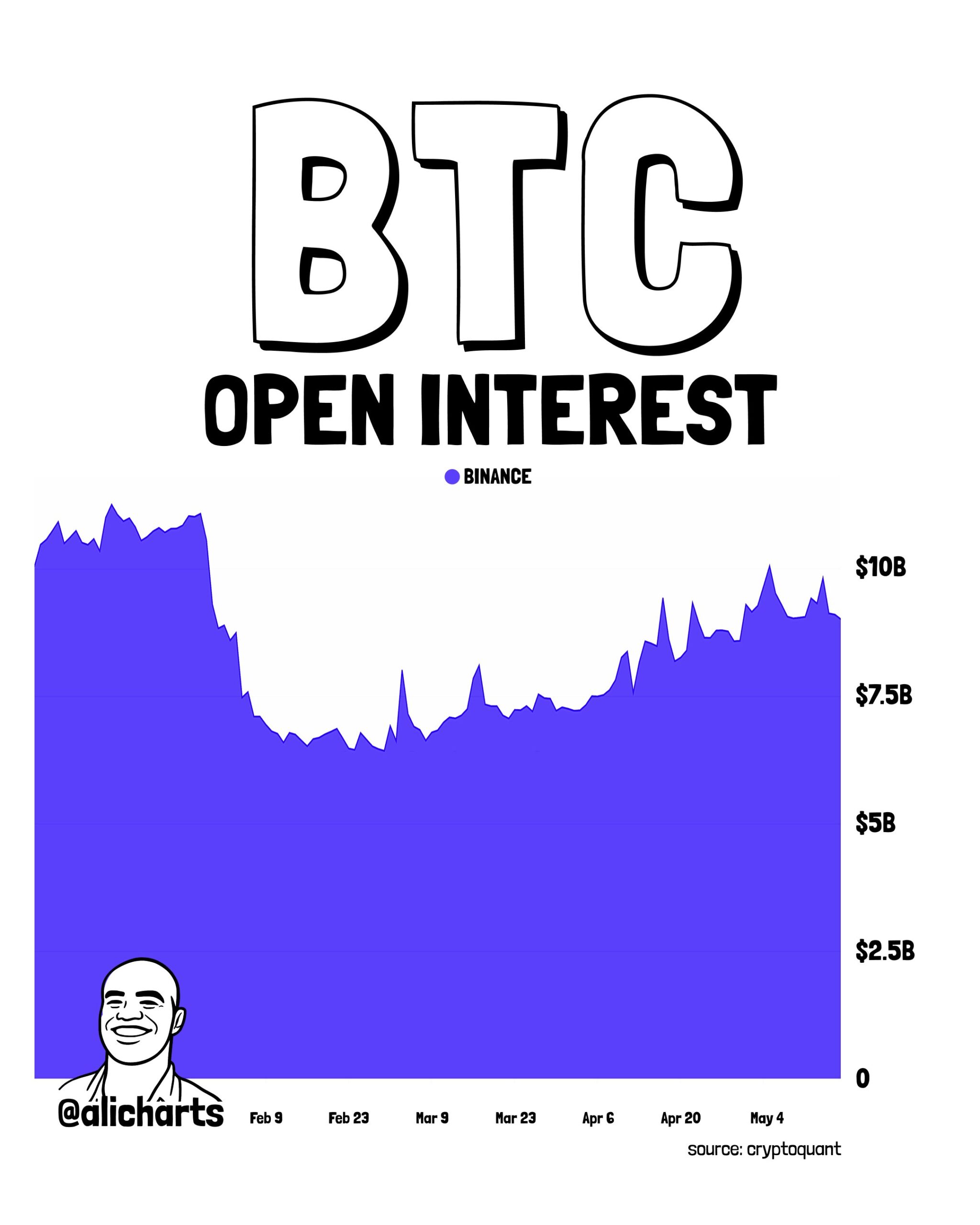
Bitcoin dropped harder than anyone expected, and no one actually knows what set it off. It lost 16% in a week, crashing to $70,008, and at one point touched $60Bitcoin dropped harder than anyone expected, and no one actually knows what set it off. It lost 16% in a week, crashing to $70,008, and at one point touched $60

Bitcoin fell 16% in one week, marking its worst weekly drop in over three years

2026/02/08 03:13
4 min read
For feedback or concerns regarding this content, please contact us at crypto.news@mexc.com

Bitcoin dropped harder than anyone expected, and no one actually knows what set it off. It lost 16% in a week, crashing to $70,008, and at one point touched $60,000. That’s a massive fall from the all-time high of $126,273 it hit in October.

Ether didn’t do much better. It fell 24% to $2,052, now 59% below its record. Friday gave both tokens a little bounce, but that didn’t save the week. This was one of the worst stretches for crypto in years.

The most frustrating part is how clueless everyone is. Even the most recognizable names in the space, like Anthony Pompliano, Michael Novogratz, and Anthony Scaramucci, had no real answer.

Pompliano said, “Bitcoin is crashing and investors are freaking out.” Novogratz simply said, “There was no smoking gun.” Scaramucci put it plainly: “If you ask five experts, you’ll get five explanations.”

Traders turn to other markets as bitcoin loses spotlight

Pompliano pointed to distractions, saying that traders are busy throwing cash into prediction markets, gold, silver, AI projects, and even meme stocks. He used to think bitcoin was where people came for upside. Now they’re all over the place.

“It used to be that bitcoin was the consensus view where asymmetry existed,” he said. “Now you have AI, prediction markets… many other areas where people can go and they can speculate.”

Another problem is Wall Street. Over the past year, banks have rolled out all kinds of ETFs and derivatives tied to crypto. These tools let people bet on the price of bitcoin without ever touching the real thing.

And that has hurt bitcoin’s status as a rare asset. Its supply is still limited to 21 million coins, but the financial industry has made it easier to gamble on price without actually buying any.

During Trump’s comeback to the White House, bitcoin soared like crazy. From Election Day to early October last year, it jumped around 80%. Cory Klippsten, the CEO of Swan Bitcoin, admitted, “I really didn’t think that we’d see a six at the beginning of the bitcoin price ever again.” But here we are. That confidence has vanished. Past crashes always had some event behind them.

In 2018, it was the ICO bubble. In 2022, it was the $40 billion collapse of TerraUSD and Luna, which wiped out companies and led to the disaster at FTX. This time? Nothing specific.

Interest rates, regulatory fight and Trump’s laws cloud the picture

Trump picked Kevin Warsh as the next chair of the Federal Reserve. Some think Warsh might be spooking the crypto crowd. He’s seen as someone who leans toward a stronger U.S. dollar policy and isn’t afraid of higher interest rates. That’s bad news for riskier assets. And the WSJ Dollar Index did climb 0.4% this week. Higher rates and a stronger dollar usually mean less demand for bitcoin.

But Warsh isn’t completely against bitcoin. He once called it a “policeman for policy.” He even said bitcoin’s price can tell governments when they’re screwing up or doing well. That complicates the theory.

Then there’s the law. Trump passed the GENIUS Act last year, which helped legalize stablecoins tied to real-world currencies. The next step was the Clarity Act, a bill to give crypto companies clear rules. But it hit a wall. A fight broke out between big banks and crypto exchanges. Now the whole thing is stuck, and without it, traditional firms are staying away. That missing regulation could’ve been the fuel the market needed. Instead, it’s just another dead end.

Investors lock in profits while others keep holding on

Some people like Novogratz think it’s just profit-taking.No mystery. Bitcoin and ether had big gains since Trump won, and some investors decided it was time to cash out. They didn’t wait around.

They dumped tokens and banked the money. There’s even a name for it. They call it crypto winter, and it happens when prices fall fast and confidence goes cold.

But this time, there hasn’t been a major collapse or fraud. That’s different from past crashes. Jasper De Maere, from Wintermute, said, “The infrastructure is stronger, stablecoin adoption continues to grow, and institutional interest hasn’t evaporated, it’s just sidelined.” He said the interest “can return quickly.”

Some of the biggest believers haven’t flinched. Michael Saylor, who leads Strategy, held a call with investors on Thursday. His firm took a $12 billion quarterly loss from the drop in bitcoin. But he wasn’t panicking. He told investors the plan is to stay patient. “Your time horizon needs to be, minimal, four years,” he said.

The smartest crypto minds already read our newsletter. Want in? Join them.

Market Opportunity
ANyONe Protocol Logo
ANyONe Protocol Price(ANYONE)
$0.0916
$0.0916$0.0916
-3.17%
USD
ANyONe Protocol (ANYONE) Live Price Chart
Disclaimer: The articles reposted on this site are sourced from public platforms and are provided for informational purposes only. They do not necessarily reflect the views of MEXC. All rights remain with the original authors. If you believe any content infringes on third-party rights, please contact crypto.news@mexc.com for removal. MEXC makes no guarantees regarding the accuracy, completeness, or timeliness of the content and is not responsible for any actions taken based on the information provided. The content does not constitute financial, legal, or other professional advice, nor should it be considered a recommendation or endorsement by MEXC.

You May Also Like

[Vantage Point] How Corporate Philippines is quietly war-gaming a supply shock

[Vantage Point] How Corporate Philippines is quietly war-gaming a supply shock

An empty gas station along Kalayaan Avenue in Quezon City is seen without customers because its fuel supply ran out on March 9, 2026, ahead of a new round of oil
Share
Rappler2026/03/31 12:00
Ondo Finance Launches USDY Yieldcoin on Stellar, Bringing Tokenized U.S. Treasuries to Users

Ondo Finance Launches USDY Yieldcoin on Stellar, Bringing Tokenized U.S. Treasuries to Users

Ondo Finance, a U.S.-based digital asset firm specializing in bringing traditional financial products on-chain through tokenization, is expanding its yieldcoin USDY to the Stellar network. This lates update marks a step forward in merging tokenized real-world assets with a global payments infrastructure, unlocking new opportunities for users worldwide. The announcement was made at the Stellar Meridian event in Copacabana, Rio de Janeiro, on September 17. USDY Joins the Stellar Ecosystem Ondo Finance, a recognized leader in tokenized real-world assets, announced the deployment of United States Dollar Yield (USDY) on Stellar, the payments-focused blockchain known for speed and low transaction costs. USDY is the most widely available “yieldcoin,” offering investors access to onchain assets backed by U.S. Treasuries. This launch allows Stellar’s global user base to tap into permissionless, yield-bearing assets tied to one of the safest financial instruments in the world. It also aligns with Stellar’s mission of driving fast, affordable cross-border payments. Combining Yield with Payments Infrastructure “Stablecoins unlocked global access to the U.S. dollar. With USDY, we’re taking the next step by bringing U.S. Treasuries onchain in a form that combines stability, liquidity, and yield,” said Ian De Bode, Chief Strategy Officer at Ondo Finance. “Fast, affordable cross-border payments are at the center of what Stellar was designed to do. The global reach of the Stellar ecosystem combined with a yield-bearing asset like USDY levels up what is possible onchain, allowing wallets and businesses to offer yield opportunities to their users,” said Denelle Dixon, CEO of the Stellar Development Foundation. Ondo claims by pairing USDY with Stellar’s infrastructure, new possibilities open up in treasury management, collateralization, and everyday financial applications. Unlocking Institutional and Retail Use Cases USDY currently manages over $650 million in total value locked (TVL) across nine blockchains and offers a 5.3% APY. By launching on Stellar, Ondo Finance extends these benefits to global retail and institutional users. The firm explains balances on Stellar can now become productive, supporting use cases such as onchain savings, institutional treasury strategies, cost-efficient collateral for DeFi protocols, and remittance flows that carry yield rather than remaining static. A Milestone for Tokenized Treasuries With the integration of USDY, Stellar users gain more than just access to stable-value assets—they gain access to institutional-grade yield. For investors outside the U.S., the launch represents a new way to combine the safety of Treasuries with the accessibility of blockchain technology. As tokenization accelerates globally, Ondo Finance’s decision to deploy USDY on Stellar reinforces the narrative that blockchain is not just about speculation, but about reimagining the global financial system through secure, yield-bearing digital assets
Share
CryptoNews2025/09/18 00:46
Midas Raises $50M for Instant Liquidity Layer in Tokenized RWAs

Midas Raises $50M for Instant Liquidity Layer in Tokenized RWAs

The post Midas Raises $50M for Instant Liquidity Layer in Tokenized RWAs appeared on BitcoinEthereumNews.com. Tokenization startup Midas’s Series A round was led
Share
BitcoinEthereumNews2026/03/31 12:06