BitcoinWorld Crucial Crypto Consumer Protections: Illinois Enacts Groundbreaking Laws The digital asset landscape is constantly evolving, bringing both exciting opportunities and new challenges. For a long time, the crypto world operated with minimal oversight, leading to concerns about investor safety. However, a significant shift is underway, particularly in Illinois, where groundbreaking efforts are strengthening crypto consumer protections. This move marks a pivotal moment, setting a precedent for how states can safeguard their citizens in the rapidly expanding digital economy. Why Are Crypto Consumer Protections So Important? In the past, the lack of clear regulations in the crypto space often left consumers vulnerable. Fraud, hacks, and insufficient recourse for victims were common issues. This created an environment where trust could be easily eroded. Therefore, robust crypto consumer protections are not just about compliance; they are about building a secure and trustworthy ecosystem where individuals can engage with digital assets confidently. These new laws aim to bridge the gap between traditional financial safeguards and the innovative world of cryptocurrency. Governor JB Pritzker of Illinois recently took a decisive step, signing two crucial bills into law. These legislative actions reflect a commitment to creating a safer environment for anyone interacting with digital assets, ensuring that Illinois residents benefit from the innovation of crypto without facing undue risks. This progressive stance contrasts sharply with previous federal approaches that favored deregulation, signaling a clear direction for the state’s financial future. Unpacking the Digital Assets and Consumer Protection Act One of the cornerstone pieces of legislation is the Digital Assets and Consumer Protection Act (DACPA). This act grants significant authority to the Illinois Department of Financial and Professional Regulation (IDFPR) over crypto exchanges and businesses operating within the state. The goal is to bring these digital asset firms in line with the standards expected of traditional financial institutions. Key provisions of DACPA include: Financial Safeguards: Firms must maintain adequate financial reserves to protect customer funds. Cybersecurity Measures: Strict protocols are required to prevent data breaches and unauthorized access. Anti-Fraud Measures: Companies must implement robust systems to detect and prevent fraudulent activities. Risk Disclosure: Businesses must clearly inform consumers about the inherent risks associated with crypto investments. Customer Service Standards: Companies are expected to provide responsive and effective customer support, mirroring traditional finance. This comprehensive approach to crypto consumer protections ensures that firms are accountable and that consumers have clear avenues for assistance and recourse. Regulating Crypto ATMs: The Digital Asset Kiosk Act Beyond exchanges, the second bill, the Digital Asset Kiosk Act, specifically targets the growing number of crypto ATMs. These kiosks, while convenient, have sometimes been exploited for scams, leaving victims with little recourse. Illinois is now stepping up to regulate this segment, enhancing crypto consumer protections at the point of transaction. The new regulations for crypto ATMs include: Operator Registration: All crypto ATM operators must register with the state, increasing transparency. Refund Obligations: Operators are now mandated to provide refunds to victims of scams facilitated through their kiosks. Fee Cap: A significant measure is the 18% fee cap on transactions, preventing exorbitant charges. Daily Transaction Limit: For new users, a $2,500 daily transaction limit is imposed, acting as a safeguard against large, potentially fraudulent transactions. These measures are designed to curb illicit activities and ensure fair practices for individuals using crypto ATMs, making them a safer entry point into the digital asset world. What Do These Crypto Consumer Protections Mean for You? For residents of Illinois, these new laws bring a much-needed layer of security and trust to the crypto landscape. Whether you are an experienced investor or new to digital assets, you can now interact with greater confidence, knowing that specific safeguards are in place. The state’s proactive stance on crypto consumer protections serves as a model for other jurisdictions considering how to regulate this dynamic industry effectively. Governor Pritzker emphasized that these are “common-sense protections for investors and consumers.” This legislation highlights a growing recognition among policymakers that while innovation is vital, it must be balanced with robust oversight to prevent harm. As the crypto market continues to mature, such regulatory frameworks will play a crucial role in fostering broader adoption and ensuring long-term stability. Summary of Enhanced Security Illinois has truly set a benchmark with its comprehensive approach to digital asset regulation. By signing the Digital Assets and Consumer Protection Act and the Digital Asset Kiosk Act, Governor Pritzker has championed significant crypto consumer protections. These laws not only provide clarity for businesses but also empower consumers with greater security, transparency, and recourse. This proactive legislative action is a testament to Illinois’ commitment to fostering a responsible and secure digital economy for everyone. Frequently Asked Questions (FAQs) What are the two new crypto bills signed in Illinois? Illinois Governor JB Pritzker signed two bills: the Digital Assets and Consumer Protection Act and the Digital Asset Kiosk Act. Both aim to enhance crypto consumer protections within the state. What does the Digital Assets and Consumer Protection Act cover? This act grants the Illinois Department of Financial and Professional Regulation (IDFPR) authority over crypto exchanges and businesses. It requires them to maintain financial safeguards, adopt cybersecurity and anti-fraud measures, disclose investment risks, and follow customer service standards similar to traditional finance. How does the Digital Asset Kiosk Act protect consumers? The Digital Asset Kiosk Act regulates crypto ATMs. It mandates operator registration, requires refund obligations for scam victims, sets an 18% fee cap, and imposes a $2,500 daily transaction limit for new users. What is the fee cap for crypto ATMs in Illinois? The Digital Asset Kiosk Act introduces an 18% fee cap on transactions conducted at crypto ATMs in Illinois, aiming to prevent excessive charges. Why did Illinois enact these laws? Illinois enacted these laws to provide common-sense protections for investors and consumers in the digital asset space. The aim is to create a more secure and trustworthy environment for interacting with cryptocurrencies, addressing previous vulnerabilities and risks. Did you find this information helpful? Share this article with your friends and on social media to spread awareness about these important new crypto consumer protections in Illinois! To learn more about the latest crypto market trends, explore our article on key developments shaping Bitcoin price action. This post Crucial Crypto Consumer Protections: Illinois Enacts Groundbreaking Laws first appeared on BitcoinWorld and is written by Editorial TeamBitcoinWorld Crucial Crypto Consumer Protections: Illinois Enacts Groundbreaking Laws The digital asset landscape is constantly evolving, bringing both exciting opportunities and new challenges. For a long time, the crypto world operated with minimal oversight, leading to concerns about investor safety. However, a significant shift is underway, particularly in Illinois, where groundbreaking efforts are strengthening crypto consumer protections. This move marks a pivotal moment, setting a precedent for how states can safeguard their citizens in the rapidly expanding digital economy. Why Are Crypto Consumer Protections So Important? In the past, the lack of clear regulations in the crypto space often left consumers vulnerable. Fraud, hacks, and insufficient recourse for victims were common issues. This created an environment where trust could be easily eroded. Therefore, robust crypto consumer protections are not just about compliance; they are about building a secure and trustworthy ecosystem where individuals can engage with digital assets confidently. These new laws aim to bridge the gap between traditional financial safeguards and the innovative world of cryptocurrency. Governor JB Pritzker of Illinois recently took a decisive step, signing two crucial bills into law. These legislative actions reflect a commitment to creating a safer environment for anyone interacting with digital assets, ensuring that Illinois residents benefit from the innovation of crypto without facing undue risks. This progressive stance contrasts sharply with previous federal approaches that favored deregulation, signaling a clear direction for the state’s financial future. Unpacking the Digital Assets and Consumer Protection Act One of the cornerstone pieces of legislation is the Digital Assets and Consumer Protection Act (DACPA). This act grants significant authority to the Illinois Department of Financial and Professional Regulation (IDFPR) over crypto exchanges and businesses operating within the state. The goal is to bring these digital asset firms in line with the standards expected of traditional financial institutions. Key provisions of DACPA include: Financial Safeguards: Firms must maintain adequate financial reserves to protect customer funds. Cybersecurity Measures: Strict protocols are required to prevent data breaches and unauthorized access. Anti-Fraud Measures: Companies must implement robust systems to detect and prevent fraudulent activities. Risk Disclosure: Businesses must clearly inform consumers about the inherent risks associated with crypto investments. Customer Service Standards: Companies are expected to provide responsive and effective customer support, mirroring traditional finance. This comprehensive approach to crypto consumer protections ensures that firms are accountable and that consumers have clear avenues for assistance and recourse. Regulating Crypto ATMs: The Digital Asset Kiosk Act Beyond exchanges, the second bill, the Digital Asset Kiosk Act, specifically targets the growing number of crypto ATMs. These kiosks, while convenient, have sometimes been exploited for scams, leaving victims with little recourse. Illinois is now stepping up to regulate this segment, enhancing crypto consumer protections at the point of transaction. The new regulations for crypto ATMs include: Operator Registration: All crypto ATM operators must register with the state, increasing transparency. Refund Obligations: Operators are now mandated to provide refunds to victims of scams facilitated through their kiosks. Fee Cap: A significant measure is the 18% fee cap on transactions, preventing exorbitant charges. Daily Transaction Limit: For new users, a $2,500 daily transaction limit is imposed, acting as a safeguard against large, potentially fraudulent transactions. These measures are designed to curb illicit activities and ensure fair practices for individuals using crypto ATMs, making them a safer entry point into the digital asset world. What Do These Crypto Consumer Protections Mean for You? For residents of Illinois, these new laws bring a much-needed layer of security and trust to the crypto landscape. Whether you are an experienced investor or new to digital assets, you can now interact with greater confidence, knowing that specific safeguards are in place. The state’s proactive stance on crypto consumer protections serves as a model for other jurisdictions considering how to regulate this dynamic industry effectively. Governor Pritzker emphasized that these are “common-sense protections for investors and consumers.” This legislation highlights a growing recognition among policymakers that while innovation is vital, it must be balanced with robust oversight to prevent harm. As the crypto market continues to mature, such regulatory frameworks will play a crucial role in fostering broader adoption and ensuring long-term stability. Summary of Enhanced Security Illinois has truly set a benchmark with its comprehensive approach to digital asset regulation. By signing the Digital Assets and Consumer Protection Act and the Digital Asset Kiosk Act, Governor Pritzker has championed significant crypto consumer protections. These laws not only provide clarity for businesses but also empower consumers with greater security, transparency, and recourse. This proactive legislative action is a testament to Illinois’ commitment to fostering a responsible and secure digital economy for everyone. Frequently Asked Questions (FAQs) What are the two new crypto bills signed in Illinois? Illinois Governor JB Pritzker signed two bills: the Digital Assets and Consumer Protection Act and the Digital Asset Kiosk Act. Both aim to enhance crypto consumer protections within the state. What does the Digital Assets and Consumer Protection Act cover? This act grants the Illinois Department of Financial and Professional Regulation (IDFPR) authority over crypto exchanges and businesses. It requires them to maintain financial safeguards, adopt cybersecurity and anti-fraud measures, disclose investment risks, and follow customer service standards similar to traditional finance. How does the Digital Asset Kiosk Act protect consumers? The Digital Asset Kiosk Act regulates crypto ATMs. It mandates operator registration, requires refund obligations for scam victims, sets an 18% fee cap, and imposes a $2,500 daily transaction limit for new users. What is the fee cap for crypto ATMs in Illinois? The Digital Asset Kiosk Act introduces an 18% fee cap on transactions conducted at crypto ATMs in Illinois, aiming to prevent excessive charges. Why did Illinois enact these laws? Illinois enacted these laws to provide common-sense protections for investors and consumers in the digital asset space. The aim is to create a more secure and trustworthy environment for interacting with cryptocurrencies, addressing previous vulnerabilities and risks. Did you find this information helpful? Share this article with your friends and on social media to spread awareness about these important new crypto consumer protections in Illinois! To learn more about the latest crypto market trends, explore our article on key developments shaping Bitcoin price action. This post Crucial Crypto Consumer Protections: Illinois Enacts Groundbreaking Laws first appeared on BitcoinWorld and is written by Editorial Team

Crucial Crypto Consumer Protections: Illinois Enacts Groundbreaking Laws

BitcoinWorld
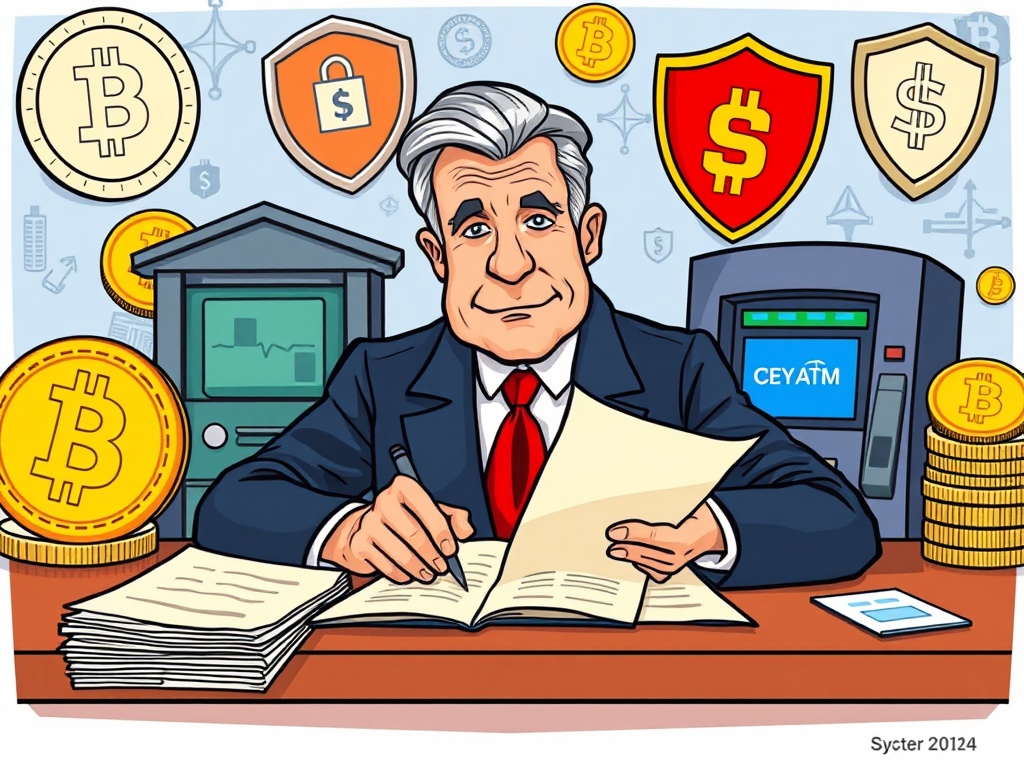
Crucial Crypto Consumer Protections: Illinois Enacts Groundbreaking Laws

The digital asset landscape is constantly evolving, bringing both exciting opportunities and new challenges. For a long time, the crypto world operated with minimal oversight, leading to concerns about investor safety. However, a significant shift is underway, particularly in Illinois, where groundbreaking efforts are strengthening crypto consumer protections. This move marks a pivotal moment, setting a precedent for how states can safeguard their citizens in the rapidly expanding digital economy.

Why Are Crypto Consumer Protections So Important?

In the past, the lack of clear regulations in the crypto space often left consumers vulnerable. Fraud, hacks, and insufficient recourse for victims were common issues. This created an environment where trust could be easily eroded. Therefore, robust crypto consumer protections are not just about compliance; they are about building a secure and trustworthy ecosystem where individuals can engage with digital assets confidently. These new laws aim to bridge the gap between traditional financial safeguards and the innovative world of cryptocurrency.

Governor JB Pritzker of Illinois recently took a decisive step, signing two crucial bills into law. These legislative actions reflect a commitment to creating a safer environment for anyone interacting with digital assets, ensuring that Illinois residents benefit from the innovation of crypto without facing undue risks. This progressive stance contrasts sharply with previous federal approaches that favored deregulation, signaling a clear direction for the state’s financial future.

Unpacking the Digital Assets and Consumer Protection Act

One of the cornerstone pieces of legislation is the Digital Assets and Consumer Protection Act (DACPA). This act grants significant authority to the Illinois Department of Financial and Professional Regulation (IDFPR) over crypto exchanges and businesses operating within the state. The goal is to bring these digital asset firms in line with the standards expected of traditional financial institutions.

Key provisions of DACPA include:

  • Financial Safeguards: Firms must maintain adequate financial reserves to protect customer funds.
  • Cybersecurity Measures: Strict protocols are required to prevent data breaches and unauthorized access.
  • Anti-Fraud Measures: Companies must implement robust systems to detect and prevent fraudulent activities.
  • Risk Disclosure: Businesses must clearly inform consumers about the inherent risks associated with crypto investments.
  • Customer Service Standards: Companies are expected to provide responsive and effective customer support, mirroring traditional finance.

This comprehensive approach to crypto consumer protections ensures that firms are accountable and that consumers have clear avenues for assistance and recourse.

Regulating Crypto ATMs: The Digital Asset Kiosk Act

Beyond exchanges, the second bill, the Digital Asset Kiosk Act, specifically targets the growing number of crypto ATMs. These kiosks, while convenient, have sometimes been exploited for scams, leaving victims with little recourse. Illinois is now stepping up to regulate this segment, enhancing crypto consumer protections at the point of transaction.

The new regulations for crypto ATMs include:

  • Operator Registration: All crypto ATM operators must register with the state, increasing transparency.
  • Refund Obligations: Operators are now mandated to provide refunds to victims of scams facilitated through their kiosks.
  • Fee Cap: A significant measure is the 18% fee cap on transactions, preventing exorbitant charges.
  • Daily Transaction Limit: For new users, a $2,500 daily transaction limit is imposed, acting as a safeguard against large, potentially fraudulent transactions.

These measures are designed to curb illicit activities and ensure fair practices for individuals using crypto ATMs, making them a safer entry point into the digital asset world.

What Do These Crypto Consumer Protections Mean for You?

For residents of Illinois, these new laws bring a much-needed layer of security and trust to the crypto landscape. Whether you are an experienced investor or new to digital assets, you can now interact with greater confidence, knowing that specific safeguards are in place. The state’s proactive stance on crypto consumer protections serves as a model for other jurisdictions considering how to regulate this dynamic industry effectively.

Governor Pritzker emphasized that these are “common-sense protections for investors and consumers.” This legislation highlights a growing recognition among policymakers that while innovation is vital, it must be balanced with robust oversight to prevent harm. As the crypto market continues to mature, such regulatory frameworks will play a crucial role in fostering broader adoption and ensuring long-term stability.

Summary of Enhanced Security

Illinois has truly set a benchmark with its comprehensive approach to digital asset regulation. By signing the Digital Assets and Consumer Protection Act and the Digital Asset Kiosk Act, Governor Pritzker has championed significant crypto consumer protections. These laws not only provide clarity for businesses but also empower consumers with greater security, transparency, and recourse. This proactive legislative action is a testament to Illinois’ commitment to fostering a responsible and secure digital economy for everyone.

Frequently Asked Questions (FAQs)

What are the two new crypto bills signed in Illinois?

Illinois Governor JB Pritzker signed two bills: the Digital Assets and Consumer Protection Act and the Digital Asset Kiosk Act. Both aim to enhance crypto consumer protections within the state.

What does the Digital Assets and Consumer Protection Act cover?

This act grants the Illinois Department of Financial and Professional Regulation (IDFPR) authority over crypto exchanges and businesses. It requires them to maintain financial safeguards, adopt cybersecurity and anti-fraud measures, disclose investment risks, and follow customer service standards similar to traditional finance.

How does the Digital Asset Kiosk Act protect consumers?

The Digital Asset Kiosk Act regulates crypto ATMs. It mandates operator registration, requires refund obligations for scam victims, sets an 18% fee cap, and imposes a $2,500 daily transaction limit for new users.

What is the fee cap for crypto ATMs in Illinois?

The Digital Asset Kiosk Act introduces an 18% fee cap on transactions conducted at crypto ATMs in Illinois, aiming to prevent excessive charges.

Why did Illinois enact these laws?

Illinois enacted these laws to provide common-sense protections for investors and consumers in the digital asset space. The aim is to create a more secure and trustworthy environment for interacting with cryptocurrencies, addressing previous vulnerabilities and risks.

Did you find this information helpful? Share this article with your friends and on social media to spread awareness about these important new crypto consumer protections in Illinois!

To learn more about the latest crypto market trends, explore our article on key developments shaping Bitcoin price action.

This post Crucial Crypto Consumer Protections: Illinois Enacts Groundbreaking Laws first appeared on BitcoinWorld and is written by Editorial Team


Market Opportunity
Brainedge Logo
Brainedge Price(LEARN)
$0.00948
$0.00948$0.00948
0.00%
USD
Brainedge (LEARN) Live Price Chart
Disclaimer: The articles reposted on this site are sourced from public platforms and are provided for informational purposes only. They do not necessarily reflect the views of MEXC. All rights remain with the original authors. If you believe any content infringes on third-party rights, please contact service@support.mexc.com for removal. MEXC makes no guarantees regarding the accuracy, completeness, or timeliness of the content and is not responsible for any actions taken based on the information provided. The content does not constitute financial, legal, or other professional advice, nor should it be considered a recommendation or endorsement by MEXC.

You May Also Like

LMAX Group Deepens Ripple Partnership With RLUSD Collateral Rollout

LMAX Group Deepens Ripple Partnership With RLUSD Collateral Rollout

LMAX Group has revealed a multi-year partnership with Ripple to integrate traditional finance with digital asset markets. As part of the agreement, LMAX will introduce
Share
Tronweekly2026/01/16 23:00
Bitcoin 8% Gains Already Make September 2025 Its Second Best

Bitcoin 8% Gains Already Make September 2025 Its Second Best

The post Bitcoin 8% Gains Already Make September 2025 Its Second Best appeared on BitcoinEthereumNews.com. Key points: Bitcoin is bucking seasonality trends by adding 8%, making this September its best since 2012. September 2025 would need to see 20% upside to become Bitcoin’s strongest ever. BTC price volatility is at levels rarely seen before in an unusual bull cycle. Bitcoin (BTC) has gained more this September than any year since 2012, a new bull market record. Historical price data from CoinGlass and BiTBO confirms that at 8%, Bitcoin’s September 2025 upside is its second-best ever. Bitcoin avoiding “Rektember” with 8% gains September is traditionally Bitcoin’s weakest month, with average losses of around 8%. BTC/USD monthly returns (screenshot). Source: CoinGlass This year, the stakes are high for BTC price seasonality, as historical patterns demand the next bull market peak and other risk assets set repeated new all-time highs. While both gold and the S&P 500 are in price discovery, BTC/USD has coiled throughout September after setting new highs of its own the month prior. Even at “just” 8%, however, this September’s performance is currently enough to make it Bitcoin’s strongest in 13 years. The only time that the ninth month of the year was more profitable for Bitcoin bulls was in 2012, when BTC/USD gained about 19.8%. Last year, upside topped out at 7.3%. BTC/USD monthly returns. Source: BiTBO BTC price volatility vanishes The figures underscore a highly unusual bull market peak year for Bitcoin. Related: BTC ‘pricing in’ what’s coming: 5 things to know in Bitcoin this week Unlike previous bull markets, BTC price volatility has died off in 2025, against the expectations of longtime market participants based on prior performance. CoinGlass data shows volatility dropping to levels not seen in over a decade, with a particularly sharp drop from April onward. Bitcoin historical volatility (screenshot). Source: CoinGlass Onchain analytics firm Glassnode, meanwhile, highlights the…
Share
BitcoinEthereumNews2025/09/18 11:09
Fed rate decision September 2025

Fed rate decision September 2025

The post Fed rate decision September 2025 appeared on BitcoinEthereumNews.com. WASHINGTON – The Federal Reserve on Wednesday approved a widely anticipated rate cut and signaled that two more are on the way before the end of the year as concerns intensified over the U.S. labor market. In an 11-to-1 vote signaling less dissent than Wall Street had anticipated, the Federal Open Market Committee lowered its benchmark overnight lending rate by a quarter percentage point. The decision puts the overnight funds rate in a range between 4.00%-4.25%. Newly-installed Governor Stephen Miran was the only policymaker voting against the quarter-point move, instead advocating for a half-point cut. Governors Michelle Bowman and Christopher Waller, looked at for possible additional dissents, both voted for the 25-basis point reduction. All were appointed by President Donald Trump, who has badgered the Fed all summer to cut not merely in its traditional quarter-point moves but to lower the fed funds rate quickly and aggressively. In the post-meeting statement, the committee again characterized economic activity as having “moderated” but added language saying that “job gains have slowed” and noted that inflation “has moved up and remains somewhat elevated.” Lower job growth and higher inflation are in conflict with the Fed’s twin goals of stable prices and full employment.  “Uncertainty about the economic outlook remains elevated” the Fed statement said. “The Committee is attentive to the risks to both sides of its dual mandate and judges that downside risks to employment have risen.” Markets showed mixed reaction to the developments, with the Dow Jones Industrial Average up more than 300 points but the S&P 500 and Nasdaq Composite posting losses. Treasury yields were modestly lower. At his post-meeting news conference, Fed Chair Jerome Powell echoed the concerns about the labor market. “The marked slowing in both the supply of and demand for workers is unusual in this less dynamic…
Share
BitcoinEthereumNews2025/09/18 02:44



