XRP Criticism Bribery Scandal: Crypto Influencer Exposes Shocking $25K Defamation Offer

BitcoinWorld
XRP Criticism Bribery Scandal: Crypto Influencer Exposes Shocking $25K Defamation Offer
In a startling revelation that exposes the dark underbelly of cryptocurrency marketing, prominent crypto influencer Pumpius disclosed receiving a $25,000 USDT offer to publicly criticize XRP and Ripple. This incident, reported by CryptoBasic on November 15, 2024, highlights growing concerns about organized manipulation campaigns targeting specific digital assets. The influencer’s refusal of the substantial payment brings critical attention to ethical boundaries within crypto communities.
XRP Criticism Offer Details and Immediate Fallout
Crypto influencer Pumpius received the anonymous offer through encrypted messaging channels. The proposal specifically requested he publicly declare XRP as a scam while falsely claiming he had sold all his holdings. According to his detailed account, the anonymous group presented this as a straightforward business transaction. Pumpius immediately recognized the ethical violation and refused the offer. Consequently, he decided to publicize the incident to warn both investors and fellow content creators.
The cryptocurrency community reacted swiftly to this revelation. Many industry observers expressed concern about similar undisclosed incidents potentially influencing market sentiment. This case follows a pattern of alleged manipulation attempts against various digital assets. Notably, the XRP community has historically experienced conflicts with supporters of competing projects including Chainlink (LINK). These tensions sometimes manifest through coordinated social media campaigns.
Historical Context of Crypto Market Manipulation
Market manipulation attempts in cryptocurrency markets are not new phenomena. Regulatory agencies worldwide have documented numerous cases since Bitcoin’s early days. The Securities and Exchange Commission (SEC) has prosecuted multiple manipulation schemes involving digital assets. Similarly, the Commodity Futures Trading Commission (CFTC) has brought actions against wash trading and spoofing in crypto markets.
Influencer marketing represents a particularly vulnerable vector for manipulation. Social media personalities with substantial followings can significantly impact retail investor behavior. A 2023 University of Cambridge study found that crypto influencer endorsements moved markets by an average of 4.7% within 24 hours. This measurable impact explains why bad actors target influential figures.
Crypto Influencer Ethics and Regulatory Landscape
The cryptocurrency industry currently operates with minimal standardized ethical guidelines for influencers. Unlike traditional financial markets with strict disclosure requirements, crypto content creators often navigate gray areas. The Federal Trade Commission (FTC) has issued guidelines for influencer marketing generally. However, specific applications to cryptocurrency promotions remain ambiguous.
Several key ethical considerations emerge from this incident:
- Disclosure requirements: When should influencers disclose compensation for opinions?
- Market impact responsibility: What duty do influencers have regarding market effects?
- Verification standards: How should influencers verify claims before dissemination?
- Conflict management: How should influencers handle competing project loyalties?
The table below illustrates regulatory approaches to influencer marketing across different jurisdictions:
| Jurisdiction | Disclosure Requirement | Penalty for Non-Compliance |
|---|---|---|
| United States (FTC) | Clear and conspicuous disclosure | Up to $50,000 per violation |
| United Kingdom (ASA) | #ad or equivalent labeling | Public rulings and media notices |
| European Union (UCPD) | Transparent commercial intent | Member state determined penalties |
| Cryptocurrency Industry | Mostly self-regulated | Community backlash potential |
Organized Campaigns Against Cryptocurrency Projects
Pumpius characterized the $25,000 offer as evidence of an “organized campaign to create negative public opinion” about XRP. This allegation aligns with documented patterns in cryptocurrency communities. Competing project supporters sometimes engage in coordinated social media attacks. These campaigns typically aim to depress asset prices or damage reputations.
CryptoBasic’s report noted that many industry participants have received similar offers. Some proposals involved substantially larger sums than the $25,000 offered to Pumpius. The publication urged investors to exercise caution when evaluating negative sentiment about any project. They emphasized the importance of verifying claims through multiple independent sources.
Several documented cases illustrate this phenomenon:
- 2019 Bitcoin SV attacks: Coordinated social media campaigns preceded significant price declines
- 2021 DeFi project rumors: False security vulnerability reports affected multiple projects
- 2022 stablecoin concerns: Organized questioning of reserves impacted several stablecoins
- 2023 exchange FUD: Fear, uncertainty, and doubt campaigns targeted specific platforms
Psychological Warfare in Digital Asset Markets
Market manipulation in cryptocurrency often employs psychological tactics. Bad actors understand that fear spreads faster than optimism in financial markets. A single influential voice declaring an asset problematic can trigger cascading sell-offs. This effect amplifies in cryptocurrency markets due to their 24/7 nature and global accessibility.
Research from the Journal of Behavioral Finance demonstrates that negative information receives approximately three times more engagement than positive information in financial contexts. Manipulators exploit this cognitive bias systematically. They target assets with specific characteristics including active retail communities and ongoing regulatory uncertainty.
Investor Protection Strategies and Due Diligence
This incident underscores the critical importance of investor due diligence. CryptoBasic explicitly urged investors to approach all market information with healthy skepticism. Several practical strategies can help investors navigate potentially manipulated information environments.
First, investors should verify claims across multiple independent sources. Second, they should examine the timing and context of negative information releases. Third, investors must consider potential conflicts of interest affecting information sources. Finally, maintaining perspective about market cycles helps contextualize temporary sentiment shifts.
Key protective measures include:
- Source verification: Check multiple reputable news outlets
- Timing analysis: Consider why negative news emerges at specific moments
- Motivation assessment: Evaluate potential benefits to information sources
- Historical comparison: Compare current claims against established facts
- Community engagement: Participate in project communities for balanced perspectives
Conclusion
The $25,000 XRP criticism bribery attempt reveals significant vulnerabilities in cryptocurrency information ecosystems. This XRP criticism incident demonstrates how organized campaigns can target specific digital assets through influencer manipulation. The crypto industry must develop stronger ethical standards and verification mechanisms. Investors should approach all market information with appropriate skepticism and thorough verification. Ultimately, transparency and accountability will determine cryptocurrency’s maturation as an asset class.
FAQs
Q1: How common are bribery offers to crypto influencers?
While comprehensive statistics are unavailable, multiple industry participants report receiving similar offers. The pseudonymous nature of cryptocurrency facilitates such approaches, making precise frequency difficult to determine.
Q2: What legal consequences exist for offering bribes to influencers?
Legal consequences vary by jurisdiction but may include fraud charges, market manipulation penalties, or conspiracy allegations. Regulatory agencies increasingly monitor cryptocurrency marketing practices.
Q3: How can investors identify potentially manipulated information?
Investors should check multiple independent sources, examine timing patterns, assess source motivations, and compare claims against verifiable data. Extreme language and urgent calls to action often signal manipulation attempts.
Q4: What distinguishes ethical sponsorship from problematic bribery in crypto?
Ethical sponsorship involves transparent disclosure, genuine belief in promoted products, and balanced presentation. Problematic bribery typically requests false claims, lacks disclosure, and aims to deceive audiences.
Q5: How does this incident affect XRP’s market position?
While short-term sentiment may fluctuate, fundamental project developments typically determine long-term value. The incident highlights community resilience against manipulation attempts rather than project weaknesses.
This post XRP Criticism Bribery Scandal: Crypto Influencer Exposes Shocking $25K Defamation Offer first appeared on BitcoinWorld.


You May Also Like

PMI-ACP Exam Preparation: How to Use a Simulator and Practice Questions Effectively
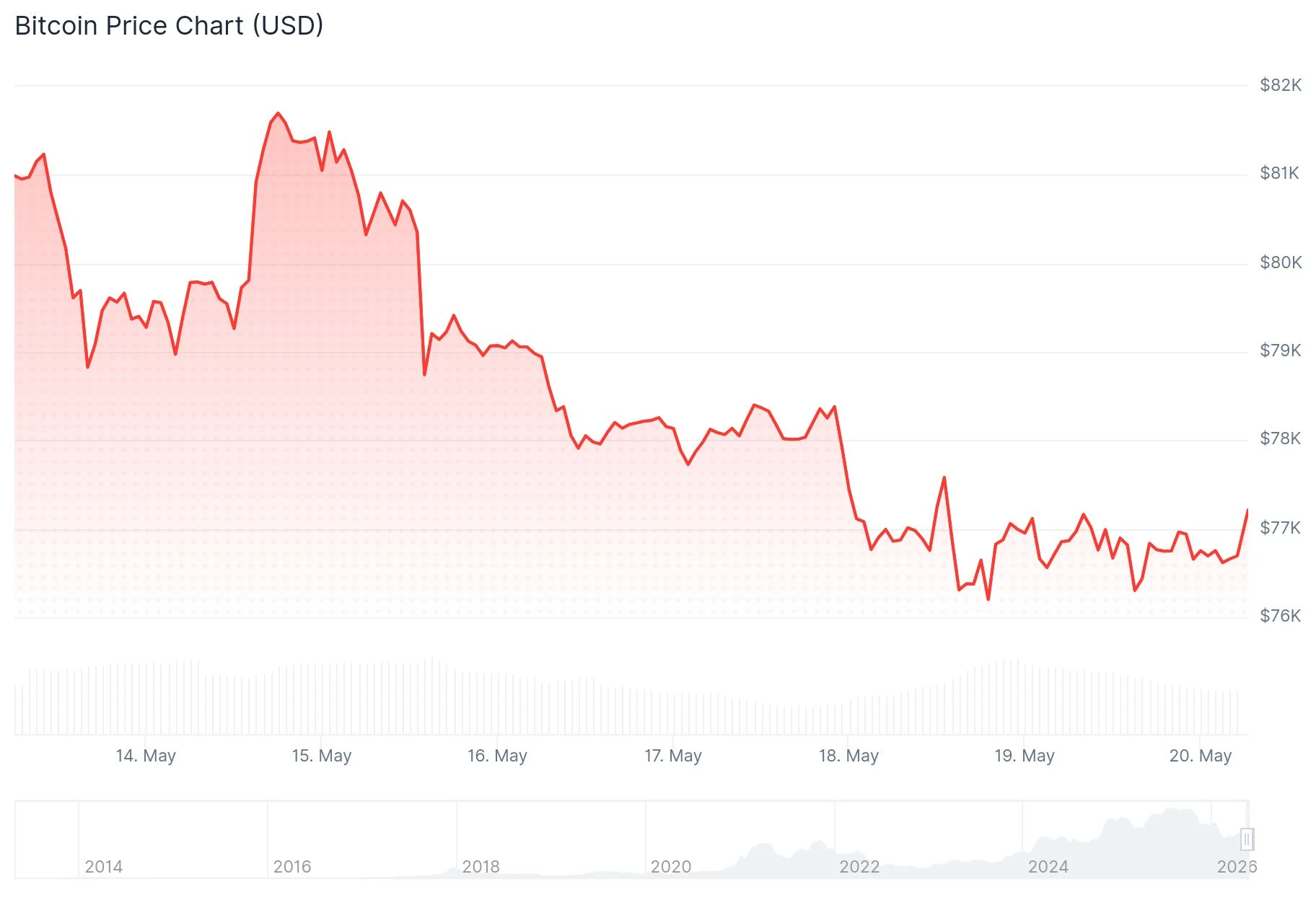
Bitcoin (BTC) Hovers Above $77K Amid Iran Diplomacy and Rising Treasury Yields