

8 RWA Use Cases That Make Crypto Feel Real
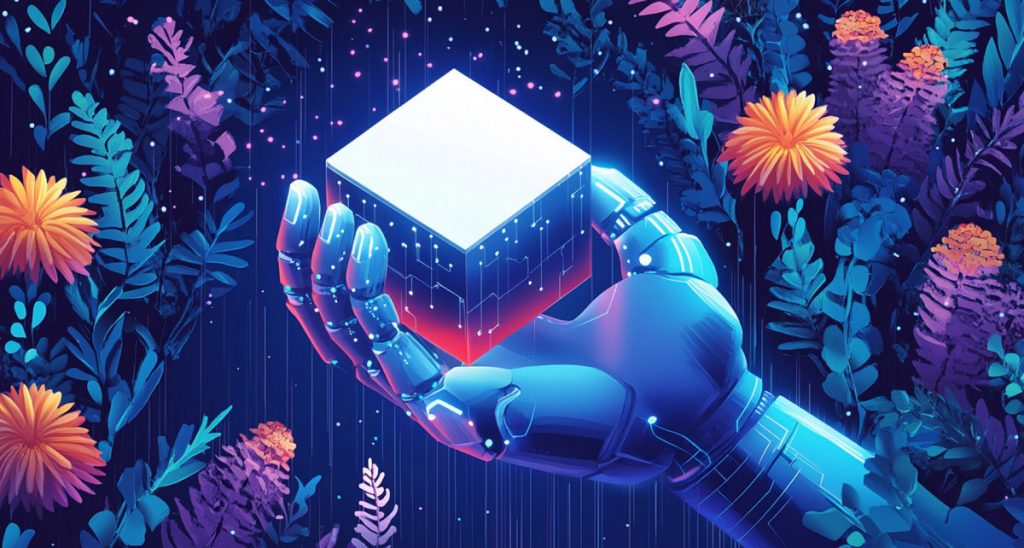
For years, crypto promised to reinvent finance, but most on-chain activity revolved around native tokens, speculative trading, and circular liquidity. Real-World Assets (RWAs) change that equation. Instead of value being derived purely from network effects or token emissions, RWAs tie blockchain tokens directly to assets that already power the global economy: government debt, real estate, commodities, credit markets, and productive infrastructure.
RWAs make crypto feel real because they anchor on-chain activity to off-chain cash flows. A token is no longer just a digital object — it becomes a claim on interest, rent, yield, or ownership that exists outside the blockchain. As institutional capital enters the space, these use cases are rapidly becoming one of the most important growth vectors for crypto.
Below are eight real RWA use cases already live today that demonstrate how crypto is being plugged directly into the real economy.
BlackRock’s BUIDL Fund: Tokenized U.S. Treasuries and Cash Management

Alt cap: BlackRock’s BUIDL Fund is a great tool for tokenized asset management in 2026.
Tokenized Treasuries are one of the clearest examples of crypto maturing into financial infrastructure. Instead of holding idle stablecoins or moving funds through slow banking rails, investors can now hold tokenized shares of U.S. Treasury bills and money-market instruments directly on-chain.
BlackRock’s BUIDL fund represents a watershed moment for the industry. It tokenizes short-term U.S. Treasuries and cash equivalents, allowing institutional investors to access government-backed yield through blockchain settlement. The fund is issued as a token that can be transferred, custodied, and integrated into smart contracts, while still maintaining regulatory compliance, audited reserves, and institutional custody standards.
This use case fundamentally reframes stablecoins and idle capital. On-chain cash no longer needs to sit dormant. It can earn yield from one of the safest assets in the world while remaining composable with DeFi protocols. For institutions, this means 24/7 liquidity, instant settlement, and programmable access to traditional money markets without abandoning compliance requirements.
Centrifuge: Private Credit and Invoice Financing

Alt cap: Centrifuge is one of the best RWA tools for asset and invoice tokenization in 2026.
Private credit is a multi-trillion-dollar market that has historically been opaque, illiquid, and accessible only to institutions. Tokenization allows these debt instruments to be fractionalized, priced transparently, and distributed globally through blockchain infrastructure.
Centrifuge pioneered this model by enabling real-world businesses to tokenize invoices, trade receivables, and loans. These assets are pooled into on-chain structures where investors can provide liquidity and earn yield generated by real economic activity. The protocol bridges legal agreements, off-chain enforcement, and on-chain capital flows in a single system.
What makes this use case powerful is that yield is no longer dependent on speculative token mechanics. Instead, returns are driven by businesses paying invoices, borrowers servicing loans, and contracts enforced in the real world. Crypto becomes the settlement and liquidity layer for traditional credit markets, not a replacement for them.
Tether Gold: Tokenized Gold and Precious Metals

Alt cap: Tether Gold is one of the great RWA tools for gold and asset tokenization in 2026.
Gold has served as a store of value for thousands of years, but ownership and transfer have always been cumbersome. Tokenized gold transforms physical bullion into a digitally native asset that can move globally in seconds.
Products like Tether Gold and PAX Gold represent direct ownership of physical gold bars stored in regulated vaults. Each token corresponds to a specific quantity of gold, with serial numbers, custody details, and redemption mechanisms defined by the issuer. Holders can trade these tokens 24/7, use them as collateral in DeFi, or redeem them for physical delivery.
This use case merges one of humanity’s oldest financial assets with modern financial rails. For investors in unstable currencies or restrictive banking systems, tokenized gold offers global access to hard assets without intermediaries. For DeFi, it introduces a non-correlated, real-world collateral type that is not dependent on crypto market cycles.
RealT: Fractionalized Real Estate Ownership

Alt cap: RealT is one of the best RWA tools for tokenizing real estate assets in 2026.
Real estate is valuable, but illiquid. Buying property requires large capital commitments, legal complexity, and long settlement times. Tokenization breaks these barriers by allowing properties to be divided into thousands of digital shares.
Platforms like RealT tokenize rental properties, issuing tokens that represent fractional ownership. Token holders receive rental income distributed on-chain and can trade their shares without selling the entire property. Legal entities hold the underlying real estate, while blockchain tokens represent economic rights.
This model turns real estate into a liquid, programmable asset. Investors can build diversified property portfolios with small amounts of capital, while property owners gain access to global liquidity. It also introduces new possibilities, such as using property tokens as collateral, automating rental distributions, or integrating real estate into DeFi lending markets.
Yield-Bearing Stablecoins Backed by Physical Infrastructure
A newer evolution of RWAs involves stablecoins backed not just by cash or treasuries, but by productive physical assets. Some emerging models back stablecoins with revenue-generating infrastructure such as data centers or AI hardware.
In these systems, stablecoin issuance funds the purchase of real-world equipment, such as GPUs used for AI workloads. The hardware is then leased to companies or developers, generating revenue that supports the stablecoin’s peg and provides yield. The stablecoin becomes a financial abstraction layered on top of real operational businesses.
This use case pushes crypto beyond passive asset representation into active capital formation. On-chain liquidity directly funds physical infrastructure, and returns are driven by demand for real services like compute power. It’s a hybrid of venture finance, infrastructure investment, and decentralized money.
Ondo Finance: Tokenized Bonds and Fixed-Income Products

Alt cap: Ondo Finance is a great RWA tool for managing tokenized bonds in 2026.
Traditional bonds are foundational to global finance but remain slow to trade and operationally complex. Tokenization allows fixed-income instruments to exist as programmable assets on blockchain networks.
Platforms like Ondo Finance tokenize exposure to bonds and short-duration fixed-income strategies. Investors can hold these assets as tokens, transfer them instantly, and integrate them into DeFi applications. Behind the scenes, custodians and fund managers maintain the legal ownership and compliance framework.
The impact here is operational efficiency. Bonds become composable financial building blocks. Instead of waiting days for settlement or navigating fragmented intermediaries, investors gain near-instant access to yield-bearing instruments that behave like native crypto assets.
Trade Finance and Supply Chain Assets
Global trade relies on letters of credit, invoices, and complex financing arrangements that are slow and expensive. Tokenization introduces transparency and liquidity into this process.
Some RWA platforms tokenize trade finance instruments, allowing investors to fund real shipments, inventory, or production cycles. Smart contracts track milestones, payments, and risk, while tokens represent claims on future cash flows.
This use case brings blockchain into the heart of global commerce. It reduces friction, improves capital efficiency, and opens a traditionally closed market to broader participation — all while maintaining legal enforceability off-chain.
Tokenized Intellectual Property and Alternative Assets
Beyond traditional finance, RWAs extend into intellectual property, royalties, and alternative assets. Music catalogs, patent royalties, carbon credits, and other intangible assets are increasingly being tokenized.
These tokens represent rights to future revenue streams rather than physical objects. By tokenizing IP, creators can monetize future earnings upfront, and investors gain exposure to revenue-generating assets previously reserved for private deals.
This expands the universe of investable assets in crypto. Value no longer needs to be physical or financial — it simply needs enforceable cash flow.
The post 8 RWA Use Cases That Make Crypto Feel Real appeared first on Metaverse Post.


You May Also Like
Alleged Huione Money Laundering Boss Extradited to China
The Amazon Standard Reshaping Insurance Customer Expectations




