Season one of Netflix’s ‘Stranger Things’ was released in 2016
Netflix
2026 has just begun, but the internet is looking back—a wave of nostalgia for 2016 has spread through social media, originating on TikTok.
‘2026 Is The New 2016’ Trend, Explained
2016 was only a decade ago, but online culture has changed significantly in the years since, and many are looking back at the old internet with rose-colored Instagram filters.
The memes have evolved, the online landscape has shifted, and the way we use social media has changed, with users less interested in posting personal moments online, or migrating to enclosed, private spaces like Discord.
2016 even has a distinctive, retro aesthetic, defined by oversaturated Instagram posts and Snapchat’s “dog filter,” which was viewed as an exciting technological advancement at the time.
TikTok and Instagram users are reposting their favorite pictures from back then, or taking new selfies and videos using TikTok’s “2016” filter, designed to replicate the vibrant color palette of outdated Instagram filters.
The fashion trends of the time have been revitalized, and even classic memes are being revisited, some of which seem charmingly simple, in hindsight.
In 2016, Captain America: Civil War hit theatres, cementing Marvel’s cinematic dominance, a franchise which seemed unstoppable at the time, while Netflix released the first season of Stranger Things.
Both of these franchises feel old and tired now, relics of another age.
The 2016 trend has been embraced by the wide web, but it first originated from younger TikTok users dissatisfied with the current state of the internet.
“2026 Is The New 2016” can be traced back to an ironic Gen Z joke which turned into a sincere movement known as “the Great Meme Reset,” in which TikTokers pined for the good old days, before the web became infested with AI-generated brainrot.
The Meme Reset proposed that TikTokers “reset” the internet by posting classic memes to drown out low-effort engagement bait, and spark something of a comeback for forgotten trends.
2016 was chosen as the golden age of memes, right before the perceived decline.
Why Are So Many People Nostalgic For 2016?
While some are simply nostalgic for their younger years, much of the trend is about the comparative innocence of 2016, compared to the internet today.
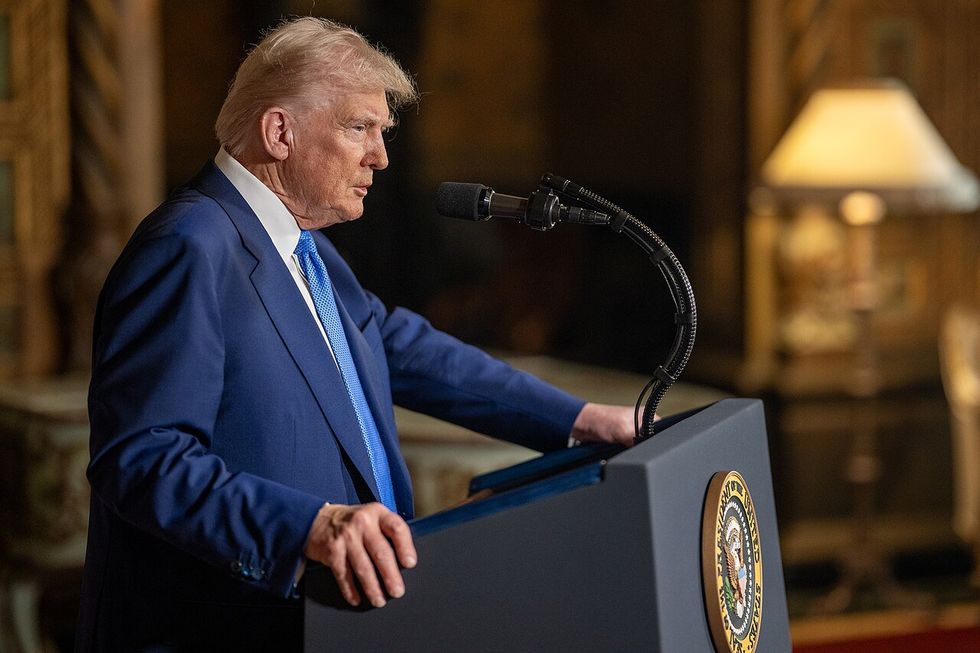
Notably, Donald Trump was first elected toward the end of 2016, ushering in a new age in which entertainment and politics became permanently entangled, and inescapable.
In 2016, nobody had heard of the term “doomscrolling,” but the word is often invoked today, and describes a social media landscape besieged by bad news and culture war, contaminating discourse like background radiation.
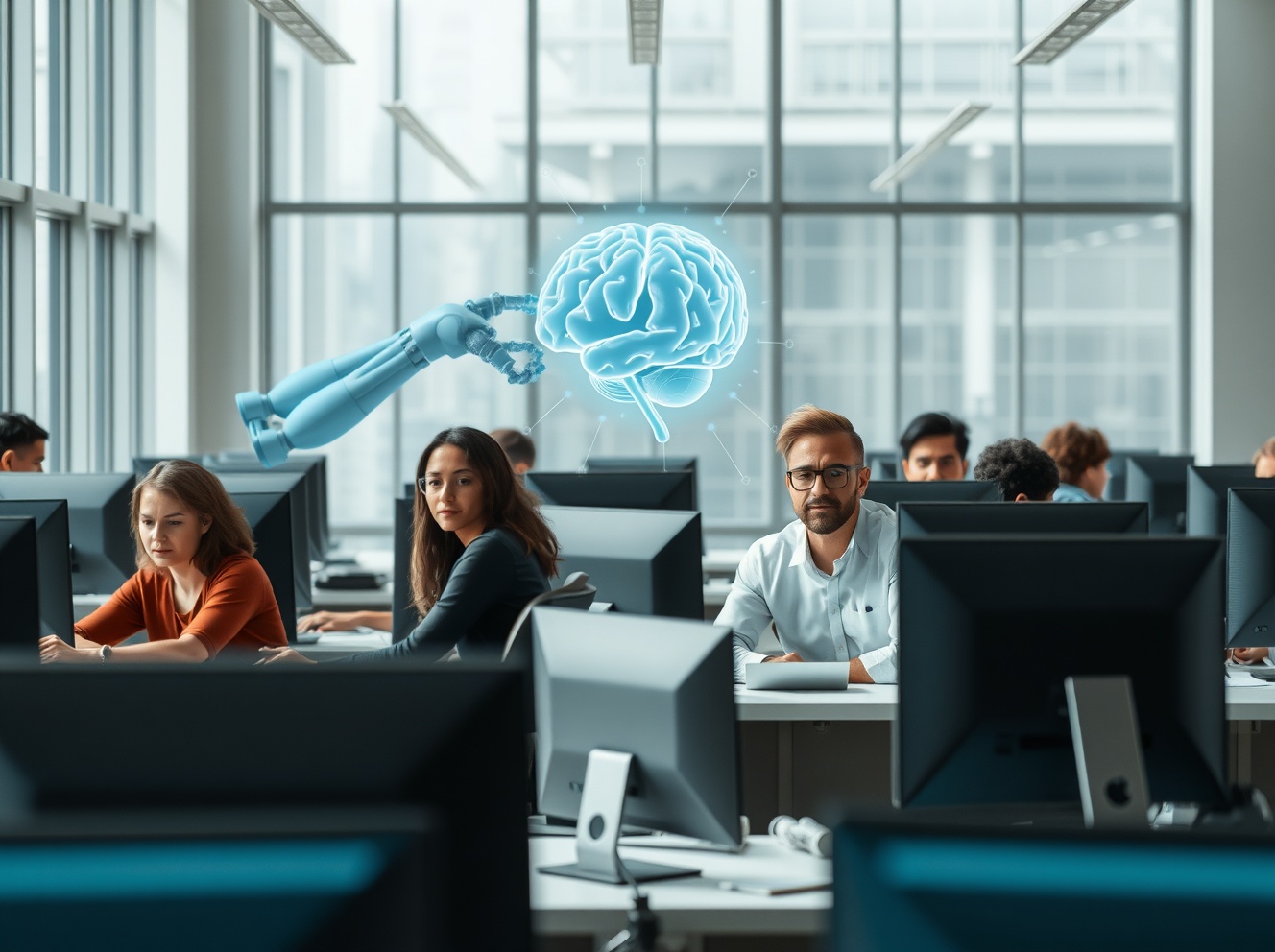
Today’s internet users are bombarded by AI slop, with deepfakes becoming increasingly difficult to spot, popularizing the phrase “Dead Internet Theory.”
The 2016 internet wasn’t as bright and cheerful as it’s being remembered, but it wasn’t quite as gamified and monetized as it is today—there were more casual users posting selfies and sharing random thoughts with their followers, just for the sake of it.
In 2026, even memes can be monetized, thanks to NFTs and crypto—a single “hawk tuah” can make (or break) a fortune, and engagement farming is increasingly common.
A decade ago, X was still Twitter, the platform was heavily moderated, and Elon Musk was widely viewed as an eccentric genius, a real-life Tony Stark. There was no financial incentive to tweet, and no Grok to generate sexualized images of users on command.
The internet of 2026 isn’t all bad—there’s still plenty of fun, entertaining content out there—but the current crop of memes seem to reflect a darker reality.
Jokes about the rising cost of living and the state of the economy are rife, with many internet users embracing gallows humor.
Feverish AI-generated videos are everywhere, many featuring the likeness of the late Charlie Kirk, a surprisingly dark trend known as the “Kirkification” of the web.
The average internet user of 2016 might be taken aback by the joyful nihilism of 2026 memes—2016 wasn’t a particularly wholesome year, but there was a comparative innocence compared to today.
The difference between 2016 and 2026 could be illustrated by the augmented reality mobile game Pokemon Go, which was released in the summer of 2016, and is still fondly remembered.
Pokemon Go encouraged gamers to go outside, explore their neighborhoods and connect with other players.
In 2024, it was revealed that Pokemon Go players were providing data to train an AI model to “see the world,” sparking concerns that the model could be used for military purposes.
Pokemon Go players unknowingly taking part in a gargantuan data-gathering operation seems a very familiar story in 2026, as the vast majority of generative AI models have been trained on the work of the public, without permission.
The 2016 trend looks back at an internet that was just beginning to erode, but still retained an earnest innocence, in which posting a heavily filtered picture of an overpriced coffee was the height of sophistication.
MORE FROM FORBES
Source: https://www.forbes.com/sites/danidiplacido/2026/01/18/tiktoks-2016-is-the-new-2026-trend-explained/