

Why Nairobi may no longer be Kenya’s only tech capital

For over a decade, people have written Kenya’s tech story almost entirely based on developments in the capital Nairobi, the “Silicon Savannah.” Startups, venture capital firms, accelerators, and policy attention have concentrated in the city, much to the neglect of other regions like the coastal city of Mombasa and Kisumu.
But a redistribution of Kenya’s tech economy is happening, buoyed by the expansion of infrastructure like fibre optic, universities, logistics corridors, and sector-specific needs. Konza, Kisumu, Mombasa, Eldoret, and Nyeri are now emerging as distinct innovation centres, building on their own economic logic.
The shift could determine whether Kenya develops a resilient, broad-based tech economy or remains dependent on Nairobi. Kenya’s digital economy was projected to grow from roughly 5.9% of GDP in 2023 to 9% by 2025.
The ICT market, valued at around $10.5 billion in 2024, is expected to reach nearly $15 billion by 2030, driven by sustained sector demand. By 2028, reports project the digital economy alone could contribute KES 662 billion ($5.1 billion) to GDP and support over 300,000 new jobs.
Konza
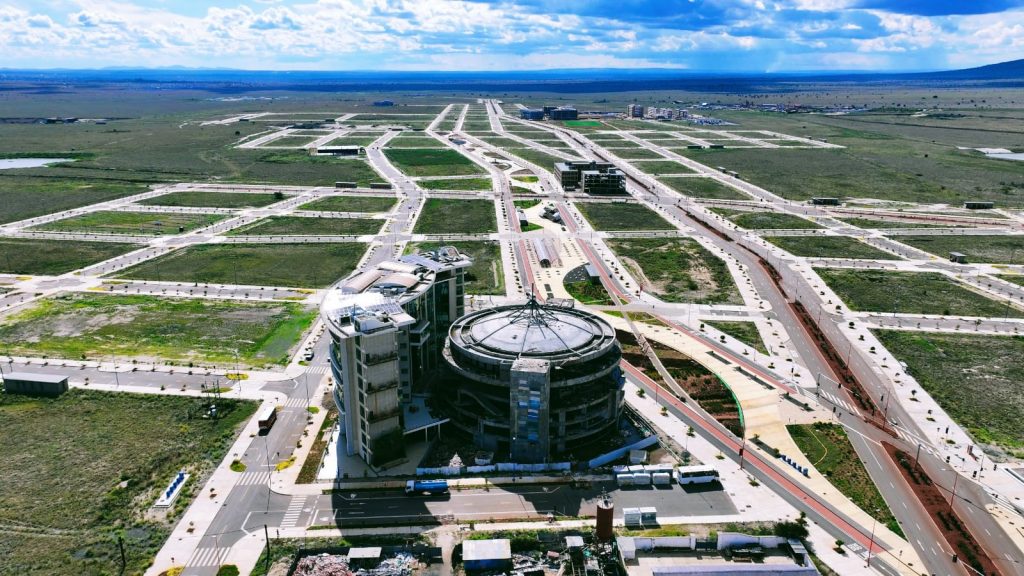 An aerial view of Konza Technopolis. Image source: Konza Development Authority
Konza Technopolis, 60km southeast of Nairobi, has picked up momentum in the past year. The National Data Centre has been set up, providing cloud services to government agencies and private companies, and the development of Kenya Advanced Institute of Science and Technology (KAIST), modelled after South Korea’s institution with the same name, is planned to open academic programmes in 2026, signalling a move toward research-led growth.
Konza is Kenya’s most ambitious attempt to build an advanced-technology city from scratch. If it works, it will be because the country commits to a longer policy vision than the typical election cycle.
Kisumu
 Kisumu, the biggest city in western Kenya. Image source: Safari254
About 400km to the west, Kisumu is emerging as the primary innovation gateway for Western Kenya. Its economy—a mix of trade, agriculture, and fisheries—is trying to diversify.
Among the institutions leading the charge is LakeHub, which has expanded beyond community training into talent development through Zone 01 Kisumu, a peer-to-peer coding school. Startups like AquaRech, agriBORA, and Kijenzi are focusing on crop production, construction, fisheries supply chains, and cold-chain logistics.
Kisumu’s advantage is its focus on the real economy. Solutions and software are built for traders, farmers, and cooperatives.
Mombasa
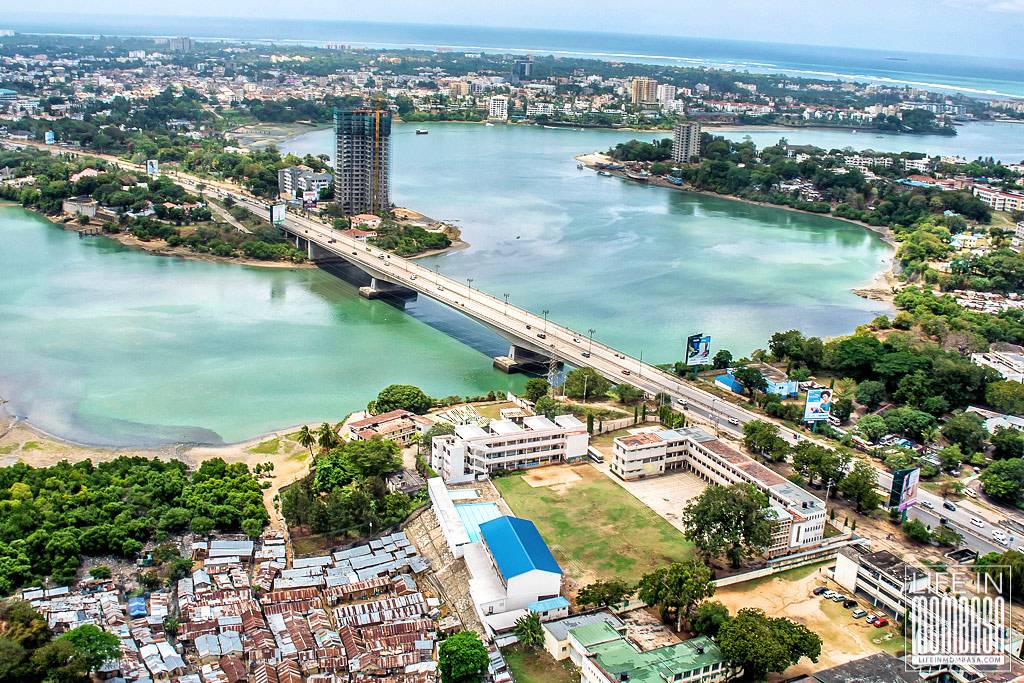 The port city of Mombasa. Image source: Great Africa
The port—the biggest in East and Central Africa— and the ocean shape Mombasa’s ecosystem. Its culture tilts toward the creative, tourism, and hospitality industries. The result is a hybrid tech-and-arts scene built around SwahiliPot Hub, with hardware experimentation at SwahiliBox and gender-inclusion efforts led by Pwani Teknowgalz.
The city’s focus includes maritime logistics, fisheries, and hospitality technology.
Eldoret
 Eldoret, one of the biggest grain growing regions in Kenya. Image source: KNA
Eldoret—better known as the home of world-class athletes—is evolving into a digital talent hub and an agtech laboratory. EldoHub trains young people for the digital economy while also supporting startups digitising grain farming, dairy value chains, and agricultural finance like agriBORA.
The town benefits from tertiary institutions such as Moi University and its proximity to Kenya’s breadbasket, the largest grain-producing region. Feedback loops between product and user are short.
Nyeri
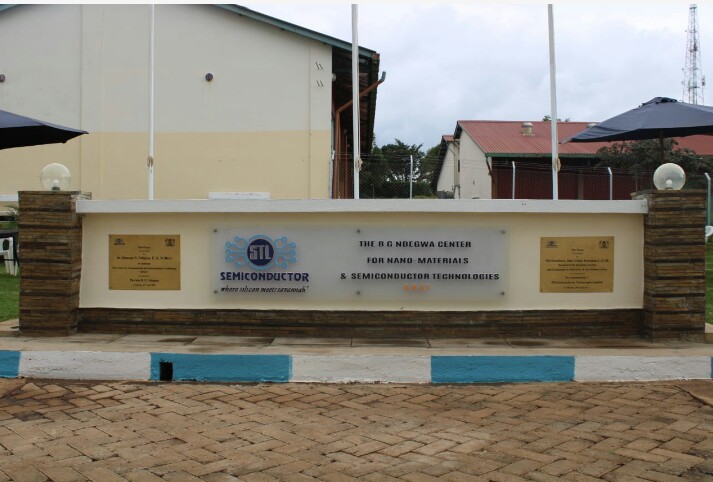 Science and Technology Park at Dedan Kimathi University of Technology. Image source: DeKUT
Perhaps the most unexpected hub is Nyeri, where Dedan Kimathi University of Technology (DeKUT), through its Science and Technology Park, has launched a semiconductor manufacturing facility. In 2024, the quiet tea and coffee-growing region drew national attention for its moves into electronics manufacturing.
In a continent where software dominates the tech discourse, this is a rare bet on deeper industrial capability.
Nairobi still matters
The emerging hubs cannot displace Nairobi, at least not in the near future. The capital will remain the centre for VC cheques, policy, and corporate partnerships: nearly all Nairobi Securities Exchange-listed companies are headquartered in Nairobi. Also, most venture rounds still close in the city.
But rising operational costs in Nairobi, pushed by higher taxes and inflation, improved county-level infrastructure, expanding university ecosystems, and the normalisation of remote work have reduced the barriers to building elsewhere.
A more geographically distributed ecosystem spreads risk. It makes the tech economy less dependent on the fortunes of a single city and more reflective of Kenya’s real sectors, including agriculture, trade, logistics, health, hospitality, tourism, and manufacturing.


You May Also Like

Analyst pinpoints 'fast lesson' Trump just got from his slush fund retreat

Why Businesses Need Professional Machine Design and Development Services

AI giants Meta, Microsoft, NVIDIA stocks slip amid Iran threat, AI cryptos crash



