Ethereum and Solana stablecoin usage surges in Europe despite tighter regulation
Solana and Ethereum Stablecoins are gaining meaningful adoption and traction in Europe despite heightened regulatory scrutiny in the region. Onchain data shows that stablecoin activity in European time zones rose sharply in 2025.
Ethereum and Solana-based stablecoins experienced significant growth in usage in Europe compared to other global regions, indicating broad adoption and substantial traction in 2025. The sharp increase in stablecoin activity in the region occurred despite hurdles imposed by heightened regulatory scrutiny and stringent laws on stablecoins and the broader crypto ecosystem.
Stablecoins transaction activities surge in Europe
 Source: Artemis. Adjusted Stablecoin Transactions by Region (Ethereum and Solana)
According to onchain data from stablecoin analytics platform Artemis, transactions in European time zones totaled 7.8 million in November 2025. November’s transaction count increased from 7.7 million in October, while September saw the region process 8.8 million transactions. In August, the region’s stablecoin transactions totaled 10 million, up from 10.1 million in July.
In June and May, 7.6 million and 8.1 million transactions were recorded, respectively. In contrast, April and March saw 10.5 million and 14.1 million transactions, respectively. January and February recorded 14.9 million and 13.7 million transactions, respectively, marking the two months with the highest transaction count of the entire year. The total transaction count in European time zones for the entire year, excluding December, settled at 113.3 million transactions.
Although the transaction count seemingly declined MoM in 2025, the annual computation reveals a different picture. In 2024, the total transaction count for Ethereum and Solana-based stablecoins reached 44.1 million, representing more than 150% increase. In 2023, the transaction count was only 3.8 million, compared to approximately 1.5 million in 2022.
European Central Bank raises concerns about stablecoin usage in Europe
Senne Aerts, a Graduate Programme Participant, published a report for the European Central Bank dated November 2025 as part of the EU Financial Stability Review, acknowledging the upsurge in stablecoin activity in the region. According to Aerts, the stablecoin boom in Europe raises concerns about the region’s financial stability. The publication highlighted that the stablecoin infrastructure possesses structural weaknesses and risks, such as de-pegging and runs.
Aerts explained that the widespread use of stablecoins could destabilize the banking sector due to possible retail deposit outflows. The deviation of capital would diminish an essential source of funding for banking institutions, leaving them with more volatile funding overall.
According to the participant, the outflows could increase if crypto trading platforms were allowed to offer interest on stablecoin deposits and holdings. He said that the interest issuance would “increase stablecoins’ relative attractiveness” and cause “banking disintermediation”.
He also acknowledged that Markets in Crypto-Assets Regulation (MiCAR) prohibits interest payment on stablecoin holdings by stablecoin issuers and crypto-asset service providers and noted that U.S. banks were calling for a similar ban. Aerts said that stablecoin issuers typically back their stablecoin by holding some of their reserves in bank deposits. He expressed an existing concern that “deposits made by stablecoin issuers may be subject to sudden withdrawals in the event of a stablecoin run, leaving bank funding structures more vulnerable to shocks.”
Aerts credited the upsurge to increasing investor demand and global regulatory developments. The Financial Stability Review highlighted that the majority of stablecoin use cases originate from crypto trading activities, with Stablecoins like USDT and USDC offering investors an easy way in and out of crypto with limited exposure to conversion volatility.
The report also noted that approximately 80% of global trades on centralized crypto exchanges and regulated trading platforms involve stablecoins, indicating that stablecoins have become a vital component for the longevity of cryptocurrencies and the entire DeFi sector.
Despite the backlash against stablecoins, nine European banks are working on a stablecoin project called Qivalis. According to a recent Cryptopolitan report, the stablecoin intends to introduce the stablecoin in the second half of 2026. The collaborative efforts intend to develop a euro-pegged stablecoin that adheres to MiCAR and addresses the demand for a faster, 24/7 cross-border settlement solution.
Get $50 free to trade crypto when you sign up to Bybit now


You May Also Like
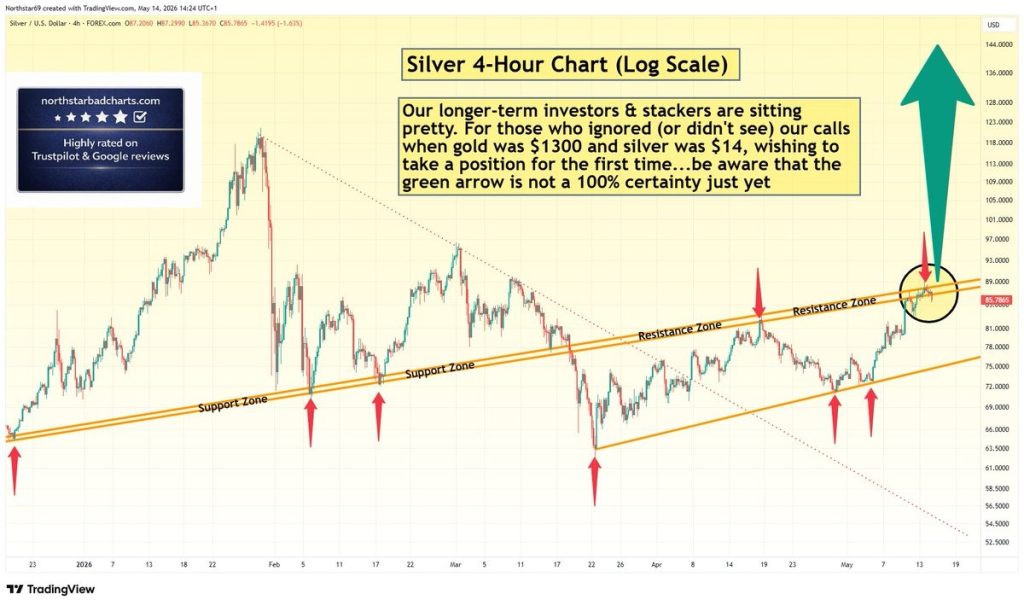
Silver Price Warning: Green Arrow Setup Is Not Confirmed – Wait for Clear Signal

Facebook spotlights African cinema in 6th ‘Made by Africa, loved by the world’ campaign