Cryptocurrency’s best ideas will never launch | Opinion
Disclosure: The views and opinions expressed here belong solely to the author and do not represent the views and opinions of crypto.news’ editorial.
A few weeks ago, Jeffy Yu—the founder of a memecoin project called Zerebro (ZEREBRO)—appeared to take his own life on camera. Then his wallet started moving. Thankfully, Jeffy didn’t really pass away. It was a stunt, and while the backlash has been deserved, the reported motive behind it—wanting to escape harassment and blackmail—hit a nerve. I don’t condone it. But I do recognize the impulse to disappear.
Crypto is chaotic. Public one day, gone the next. And while faking your own death is extreme, the idea behind it isn’t foreign to a lot of founders. The pressure to vanish, to opt out, to become anonymous again—it’s real. And not because of guilt. But because even when you build in good faith, you’re one bad chart away from being labeled a scammer.
This isn’t about one person. It’s about the environment we’ve created—a space that claims to reward risk and experimentation but punishes anyone who stumbles. A space where personality gets flattened into a token price. And where failure, no matter the intent, gets treated like fraud. We say we want innovation. But we’ve built a culture where most ideas never even launch, because the people behind them burn out first.
When success becomes a liability
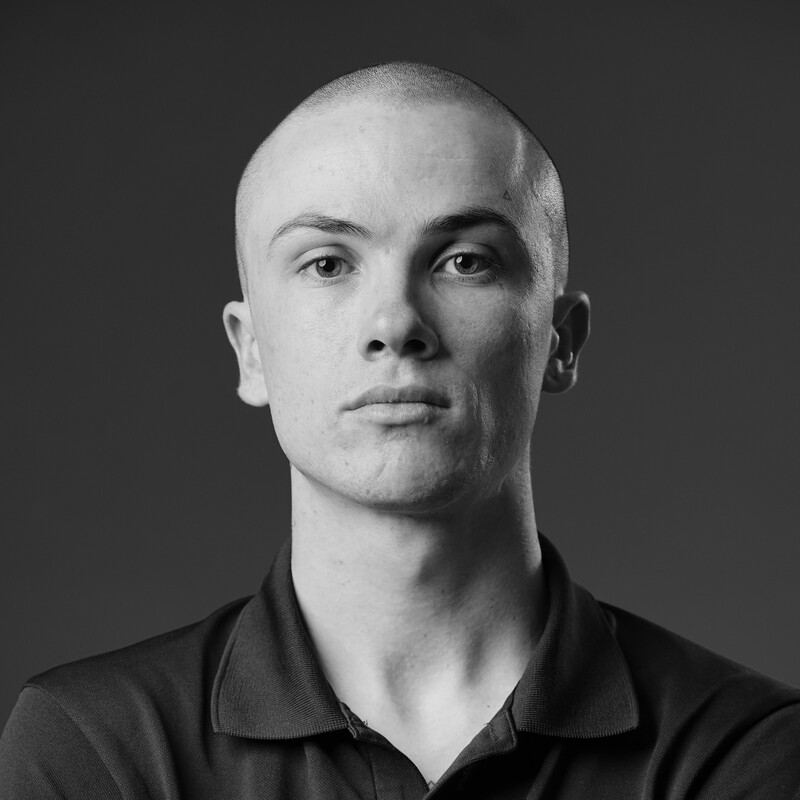
I co-founded Pegaxy in 2021. It took off fast—hundreds of thousands of users in weeks. When we launched our token, we deliberately launched at a low valuation to support organic growth. But crypto doesn’t do slow. The market pumped—and took our token along for the ride, catapulting it to 100x returns. And suddenly the market’s favoured narrative shifted: investors stopped paying attention to our actual project and the things we were building, becoming purely fixated on token price. Our roadmap didn’t matter anymore. Only the chart did.
And when did the chart turn? So did the crowd. As the public face of the game, I went from hero to villain in a few days. Not because of fraud. Not because we rug-pulled. But because our token had gotten swept up in an unsustainable, speculative frenzy, before crashing back down to where it began.
The hype subsided, and investors shifted into the next trend. Our token price dropped, and someone had to answer for it. That’s the reality most founders face. People don’t see you as a person. They see you as a proxy for their bags.
Failure isn’t fraud
The most dangerous thing happening in crypto right now isn’t bad actors—it’s the way we’ve decided that every setback or unmet expectation must reflect bad intent.
We don’t separate moral wrongdoing from market fluctuation. Even if a project saw massive adoption, had a transparent team, and strong execution, the narrative gets rewritten in hindsight: “They must’ve known.” And once that narrative sticks, it’s nearly impossible to shake.
That’s what I worry about most—not just for me, but for the founders who are younger or earlier in their career than I am. The ones who hit success on their first swing get chewed up and never come back. Not because they didn’t have more ideas. But because they know the cycle now: hype, hate, exhaustion. Who wants to go through that twice?
The result? The next idea—the better one, the more mature one—never gets built. In this industry, talent isn’t the limiting factor. Endurance is.
What survival actually looks like
So, how do you keep going? You build mental callouses. You stop reading the comments. You stop explaining yourself. You build in silence for a while. You go for walks, read books, and disappear into the woods with your wife and no cell signal.
For me, rejection training came early. I used to knock on doors for ten hours a day. Then I cold-called people who didn’t want to be called. I got used to “no.” That helped, but none of that prepares you for the kind of coordinated rage that can come your way in crypto. When a mob decides your company—and your character—are worthless, the hardest thing to do is stay focused and build anyway.
We’re losing more than founders
What makes this worse is that the culture doesn’t just damage people—it warps products too. Teams start building for appeasement instead of alignment. Instead of designing for real users, they build for the loudest holders. And because so many communities are incentivized to extract, not sustain, the result is products that please no one and fail anyway.
We’re not just losing people. We’re losing the point.
Let’s make room for a second act
I’m not interested in defending bad actors. Call out the grifters, the liars, the ones who never intended to ship anything.
But we have to stop treating every founder who fails like they’re in the same category. Crypto talks a big game about “experimenting in public,” but we’ve created an ecosystem where the penalty for a failed experiment is exile.
Some of the most important companies—on-chain or off—will be built by people who tried before and didn’t quite stick the landing. If we don’t make room for those people to try again, we’re not just stifling innovation—we’re handing the future to people too anonymous to care.
Crypto doesn’t need more heroes. It needs a culture that lets the builders stay in the arena long enough to build what really matters.


You May Also Like

Forex Markets Brace for Impact as Trump’s Critical Deadline Looms

Concept to Kennel: Navigating the Custom OEM Journey for Next-Gen Pet Gadgets