

Netflix, Dogecoin, and Deception: The Rise and Fall of Director Carl Erik Rinsch
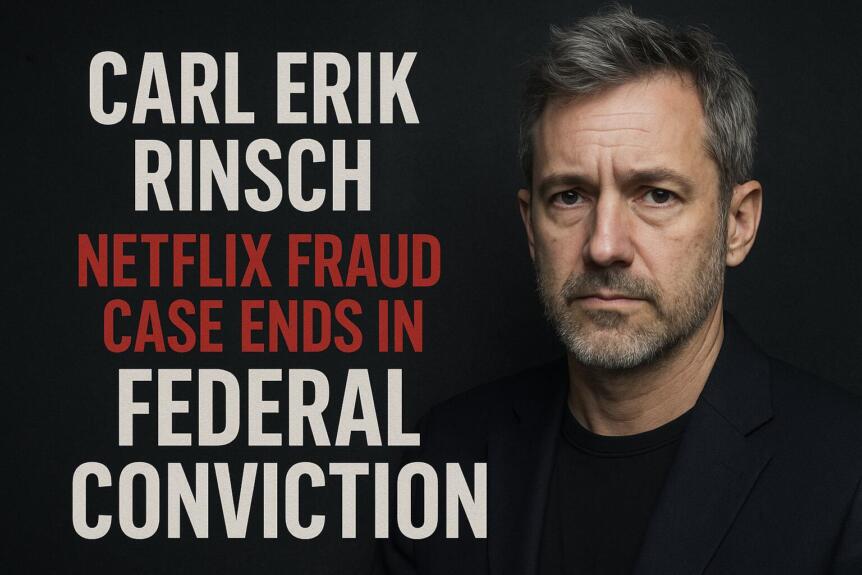
Hollywood director Carl Erik Rinsch faces conviction in a federal court for his involvement in a massive Netflix (NASDAQ: NFLX) fraud scheme. Prosecutors confirmed that Rinsch misused $11 million from Netflix, diverting it into personal investments, including Dogecoin and stock options. The Carl Erik Rinsch Netflix fraud case now sets a new precedent in creative contract breaches with serious criminal consequences.
Authorities outlined how the director secured an initial $44 million deal with Netflix for a sci-fi series called White Horse. However, Netflix later provided an additional $11 million after Rinsch claimed more funding was necessary to complete the project. Within days, he redirected the funds through several personal accounts, violating the intended production use.
Federal prosecutors charged him with wire fraud, money laundering, and unlawful monetary transactions, each carrying heavy sentences. The Carl Erik Rinsch Netflix fraud case includes one count of wire fraud and one count of money laundering, each with a 20-year maximum. Additionally, five more financial transaction violations add another 50 years in potential penalties.
Dogecoin Profits Fuel Controversy in Netflix Fraud Case
Rinsch reportedly used $4 million of the misappropriated Netflix funds to buy Dogecoin during a speculative surge in value. This investment shockingly returned a profit of nearly $27 million, highlighting the risk-driven nature of the Carl Erik Rinsch Netflix fraud. However, this success did not overshadow his failure to produce the promised television content.
Despite making profits in cryptocurrency, the director still spent large portions of the remaining funds irresponsibly. He used money from the same Netflix payout on luxury goods, expensive furniture, and personal expenses. Investigators say the spending spree formed a central part of the financial misconduct.
Carl Erik Rinsch Netflix fraud prosecutors emphasized the misuse of creative funds for personal wealth growth. Rinsch’s trading in stocks and crypto reflected more gambling than calculated investing. Moreover, he lost over half the money in just two months before spending the rest on lavish items.
Failed Stock Trading and Lavish Purchases Deepen Legal Trouble
Alongside Dogecoin investments, Rinsch placed high-risk bets in stock options using Netflix’s additional $11 million transfer. According to legal documents, he moved the funds into a personal brokerage account instead of using them for production purposes. Carl Erik Rinsch Netflix fraud evidence showed how poorly his trades performed, losing millions rapidly.
Following the losses, he made several luxury purchases with what remained of the Netflix funds. Items included designer clothes, expensive watches, and payments to personal credit cards. His failure to deliver the promised episodes of White Horse led to a full investigation.
Carl Erik Rinsch Netflix fraud sentencing is scheduled for April 17, 2026, in a New York federal court. His attorney argued the case might negatively affect how creators handle business disputes. Nonetheless, the court maintained that Rinsch’s misuse of production funds justified criminal accountability.
This article was originally published as Netflix, Dogecoin, and Deception: The Rise and Fall of Director Carl Erik Rinsch on Crypto Breaking News – your trusted source for crypto news, Bitcoin news, and blockchain updates.


You May Also Like

Not a loophole: Singapore AI export controls let China tap US AI legally

Bitcoin, Gold, and U.S. Stocks Dive as Trump Pledges to Hit Iran ‘Extremely Hard’

Iran’s army chief warns of ‘total destruction’ for ground invasion



