How D4D Hub spotlighted Africa’s creative economy at Moonshot 2025
At Moonshot by TechCabal 2025, Africa’s largest gathering of innovators and technology leaders, on October 15–16, the continent’s creativity took centre stage. In partnership with TechCabal, the Digital for Development (D4D) Hub, a strategic platform that strengthens digital cooperation between the EU and its Member States (Team Europe) and partners in Africa and beyond, curated the Creative Economy Track that explored how technology, policy, and creativity intersect to drive inclusion and digital transformation across Africa.
The collaboration built a six-session track that unpacked everything from AI to green innovation in creative industries, including a live $30,000 Creative Economy Challenge for startups innovating at the intersection of creativity and tech.
Opening the track, Elisabeth Gomis, Director at MansA, delivered a keynote on “Building Africa’s Digital Culture Engine.” The keynote explored how technology, investment, and policy can transform Africa’s creative energy into sustainable economic growth. It highlighted the importance of infrastructure, funding, and cross-sector collaboration in enabling creators to thrive in the global digital economy.
AI, platforms, and the future of creative work
Across four panel discussions, experts unpacked the opportunities and frictions shaping the continent’s digital creativity.
Creativity in the Age of AI: Moderated by Omonigho Aito-Imonah, this session asked whether artificial intelligence is disrupting or amplifying African creativity. Speakers like Issa Sissoko (Wonder Studios), Pierrick Chabi (Wakatoon), Boubacar Djiba (Senmixmaster) and Malik Afegbua (Slickcity Media) explored how AI is transforming creative work across Africa, from music and film to design and storytelling. It highlighted opportunities and challenges of AI in Africa’s creative economy, focusing on ownership, sustainability, inclusivity, copyright, cultural diversity and rights, and access to AI tools.
Building Sustainable and Scalable Creative Enterprises: On this panel, moderated by Jean Fall of Cinewax, founders, including Odile Limpach (SpielFabrique 360°) and Eyram Tawia (LetiArts), explored what it takes to grow creative startups that are not just profitable but socially and environmentally sustainable.
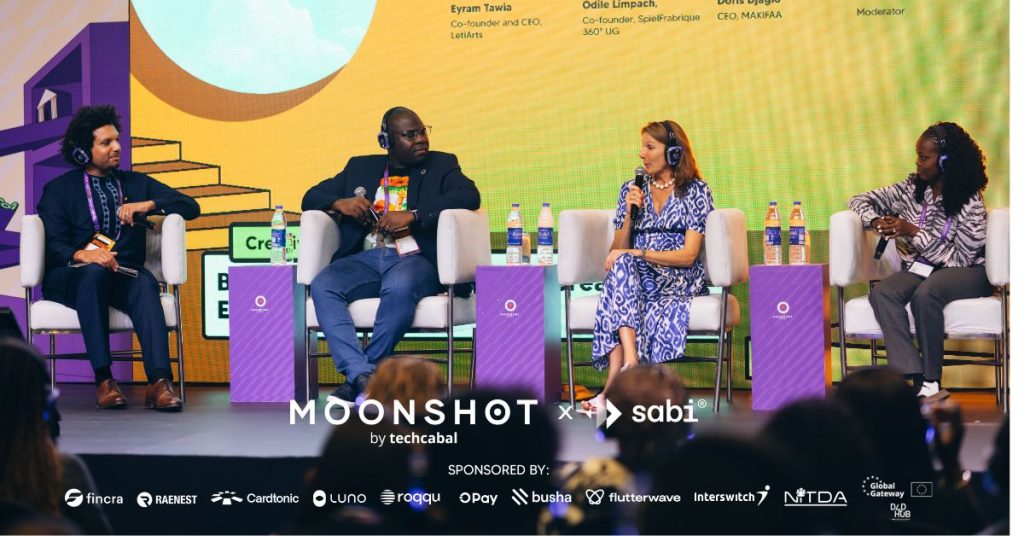 Image Source: TechCabal.
Investing in Africa’s Creative Infrastructure: Ann Marème Atayi, Senior International Institutions Manager, BPI/EuroQuity; Adama Gaye, Orange Ventures; and Xavier Echasseriau, Director, Proparco, examined how capital is flowing into creative technology, from payments and connectivity to content distribution and cloud infrastructure.
Digital Platforms and the Future of African Creativity: Moderated by Deborah Oguike (Communiqué), panellists Claude Grunitzky (True Africa) and Jide Martin (Comic Republic) debated how digital platforms shape creative visibility, IP ownership, and revenue fairness in an algorithm-driven world.
Shaping policy for the creative sector
There was also a closed-door roundtable discussion on “Policy Frameworks for a Thriving Creative Economy,” which brought together regulators, donors, IP experts, and creative tech leaders to shape policies and funding solutions for Africa’s digital creative industries.
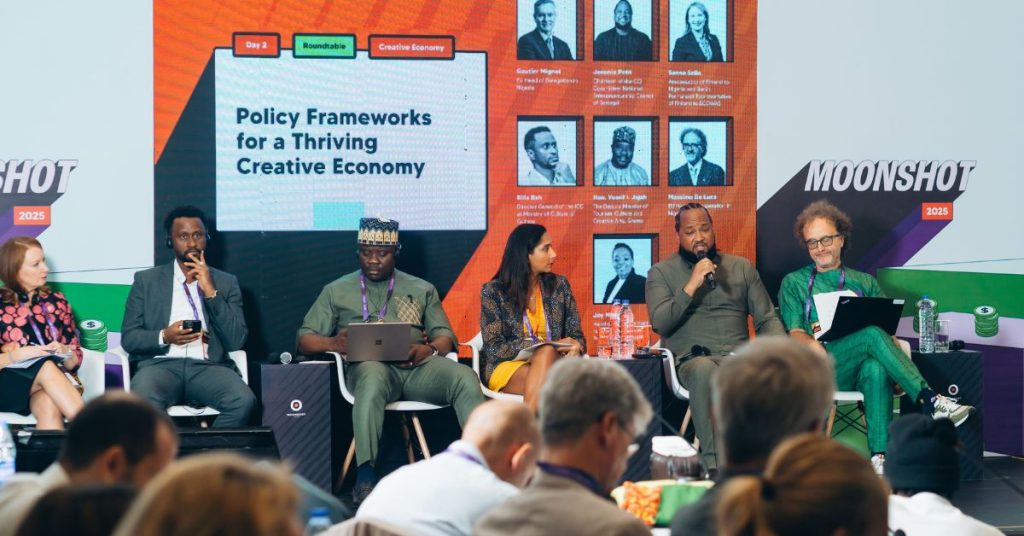 Image Source: TechCabal.
Moderated by Joy Mawela, Head of Digital Content Hub at Tshimologong Precinct, the high-level discussion featured insights from Bilia Bah, Director General, ICC, Ministry of Culture, Guinea; Hon. Yussif I. Jajah, Deputy Minister of Tourism, Culture & Creative Arts, Ghana; Massimo De Luca, Head of Cooperation, EU Delegation to Nigeria & ECOWAS; Jérémie Petit, Chairman, CCI Committee, National Entrepreneurship Council of Senegal; Sanna Selin, Ambassador of Finland to Nigeria & Benin; and Sandra Kassab, Director, Africa Department, AFD. The session focused on identifying effective policy practices that are yielding results in supporting investments in digital CCIs.
H.E. Gautier Mignot, Head of the European Union Delegation to Nigeria and ECOWAS, delivered a keynote address in the presence of the full delegation.
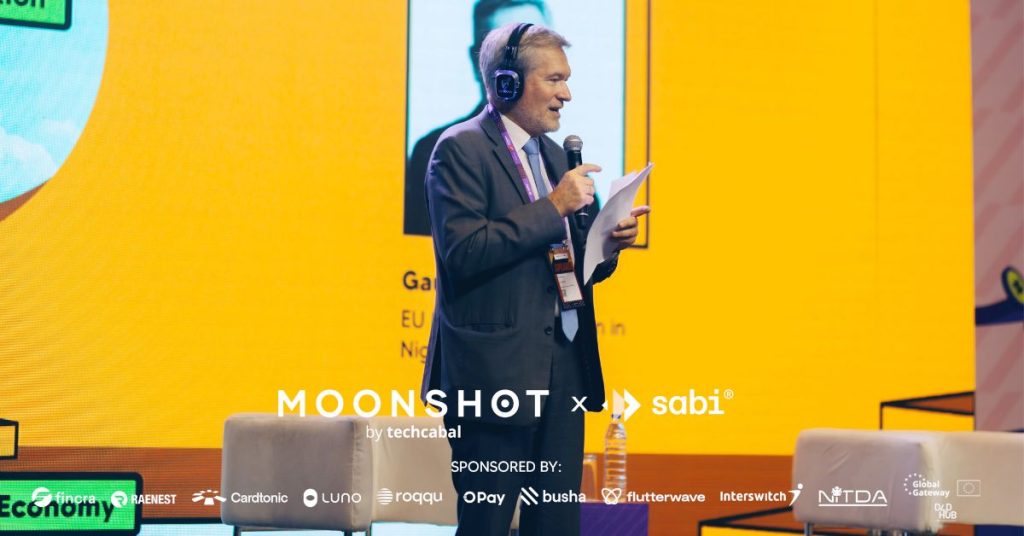 Image Source: TechCabal.
Beyond the panels and keynote discussions, the Creative Economy Track also featured two dedicated matchmaking sessions and two fireside chats between investors and startups. These engagements played a crucial role in strengthening the entrepreneurial capacity of founders by creating safe, practical spaces for 1-to-1 pitching and personalised feedback. Startups gained direct exposure to investors’ expectations, due diligence considerations, and market insights, helping them better understand the challenges and opportunities that shape investment decisions in Africa’s creative industries. For investors, the sessions offered a closer look at the next generation of creative-tech innovators, fostering meaningful connections that can support future deal flow and long-term ecosystem growth.
Team Europe complemented its contributions to the discussions at Moonshot with an Exhibition Pavilion, which served to illustrate the EU’s commitment to a global digital transformation that benefits all people. The pavilion highlighted the D4D Hub’s achievements in digital transformation, showcased innovative startups, and demonstrated Team Europe’s role as a reliable partner to build a prosperous and inclusive digital future.
Bridging the gap: Investor matchmaking and capacity building
Beyond the panels and policy discussions, the Creative Economy Track emphasised practical capacity building through targeted matchmaking sessions and fireside chats. These engagements were designed to help the 15 shortlisted startups from the Creative Economy Award learn how to access finance, prepare for due diligence, and navigate the specific challenges of the creative industry.
Hosted by Jean Fall, founder of Cinewax, these sessions provided a safe space for founders to receive personalised feedback and “dos and don’ts” directly from active investors. The 15 startups participating in these sessions included: Mills Media, OMENAI, 5:14 Agency, AFREEKAPLAY by VASCONEX, MANOSA, Simple Studio, Juju Games, Pandascrow, Astra Labs, Synewxve, Hafrikplay, Makifaa, DOBIISON Ghana Ltd, Leti Arts, and WawWAW.
Matchmaking Sessions: The matchmaking component offered founders a unique opportunity for one-on-one interaction with investors.
- Day One: The first session featured Papa Mady Sidibé (Saviu Ventures), Kamsy Osakwe (Strategic Advisor, Oui Capital), Driss Ibenmansour (Partner, Breega), and Odile Limpach (Co-founder, Spielfabrique 360°). After investors introduced their funds, founders participated in 5-minute rapid pitch rounds. This format allowed startups like Simple Studio, Astra Labs, and Leti Arts to train their pitching muscles while receiving critical feedback on their projects.
- Day Two: The second session focused on French partnerships, offering a unique moment to discover prominent early-stage investment companies in the cultural and creative industries (ICC). Investors included Aissatou Diallo (Business Development Director Africa ONO, Média Participation) and Ann Marème Atayi (BPI). Startups such as Makifaa, Juju Games, and DOBIISON Ghana Ltd utilised this time to explore specific funding avenues with these key French institutions.
Fireside Chats: Two fireside chats provided vital context on the investment landscape.
- In the first session, Papa Mady Sidibé and Kamsy Osakwe discussed the nuances of fundraising in Africa, covering the differences between Francophone and Anglophone investors, business mindsets, ticket sizes, and the specific expectations investors have for the startups they back.
- The second chat focused on the complexities of cross-border investing. Adama Gaye (Orange Ventures) and Odile Limpach (Spielfabrique 360°) explored what European investors can learn from African investors and vice versa. They discussed adapting to local policies, tax systems, and business cultures, offering founders practical advice on how to be attractive to international venture capital.
D4D Hub Creative Economy Award
The D4D Hub Creative Economy Award recognised West Africa’s most promising startups operating at the intersection of creativity, technology, and entrepreneurship. From over 200 applications, 15 startups joined the TC Battlefield Pre-Accelerator Program, with five advancing to the final pitch for a $30,000 prize pool. AFREEKAPLAY by VASCONEX, Makifaa, and OMENAI emerged as the top three winners, honoured for their innovative solutions to local and global challenges in the creative sector.
AFREEKAPLAY by VASCONEX secured the $15,000 grand prize for its 100% African music platform, designed for local realities with mobile-money billing and diverse creator monetisation tools.
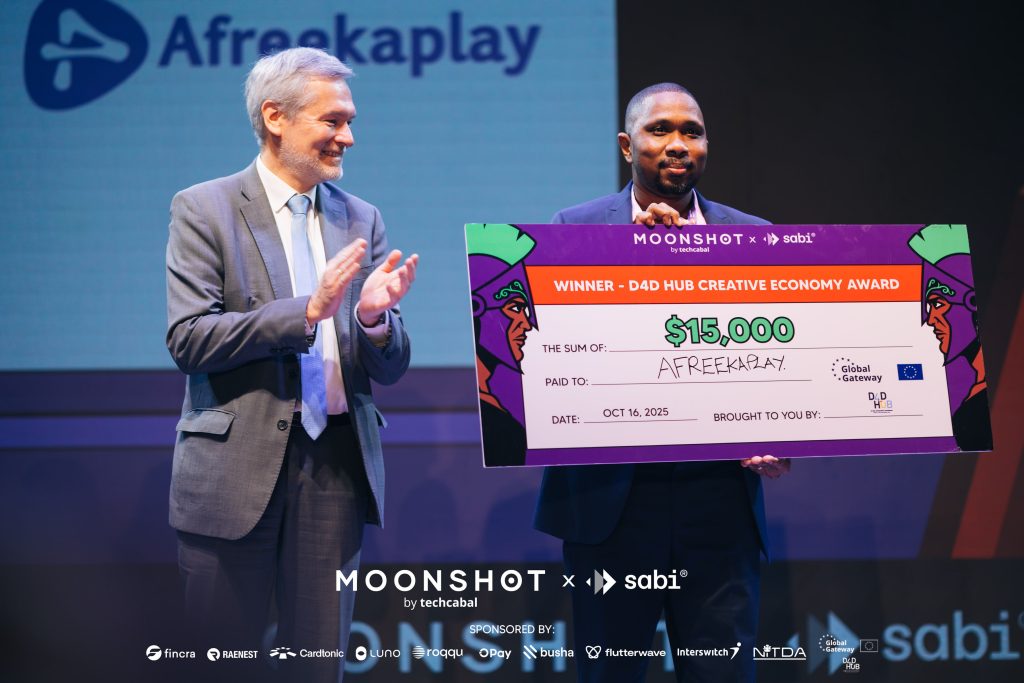 Image Source: TechCabal.
Makifaa earned the $10,000 first runner-up prize for its authentic African stock media platform and “Samba AI Studio,” built to empower African creators and combat global misrepresentation.
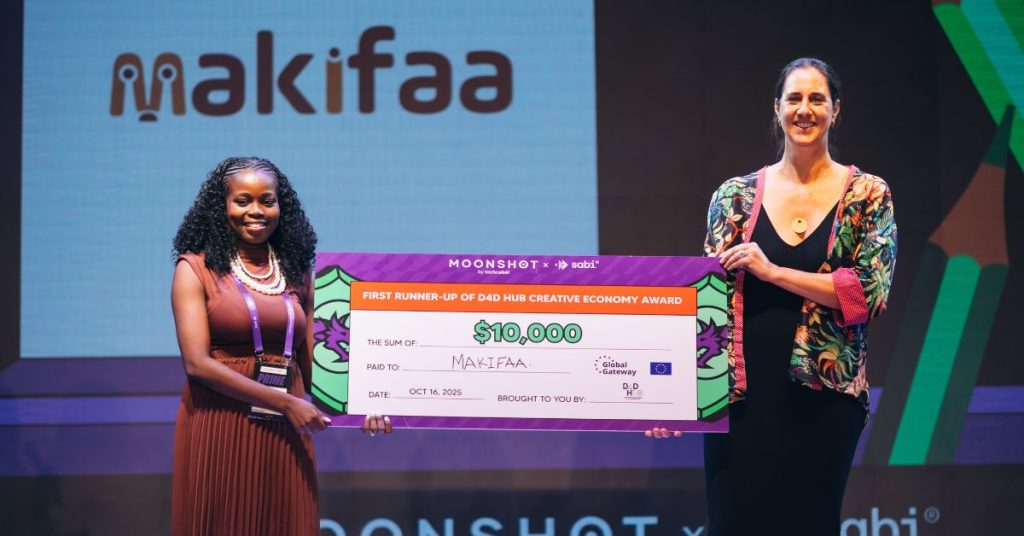 Image Source: TechCabal.
OMENAI, a digital marketplace transforming global access to contemporary African art, was awarded $5,000 as the second runner-up for connecting artists and collectors globally.
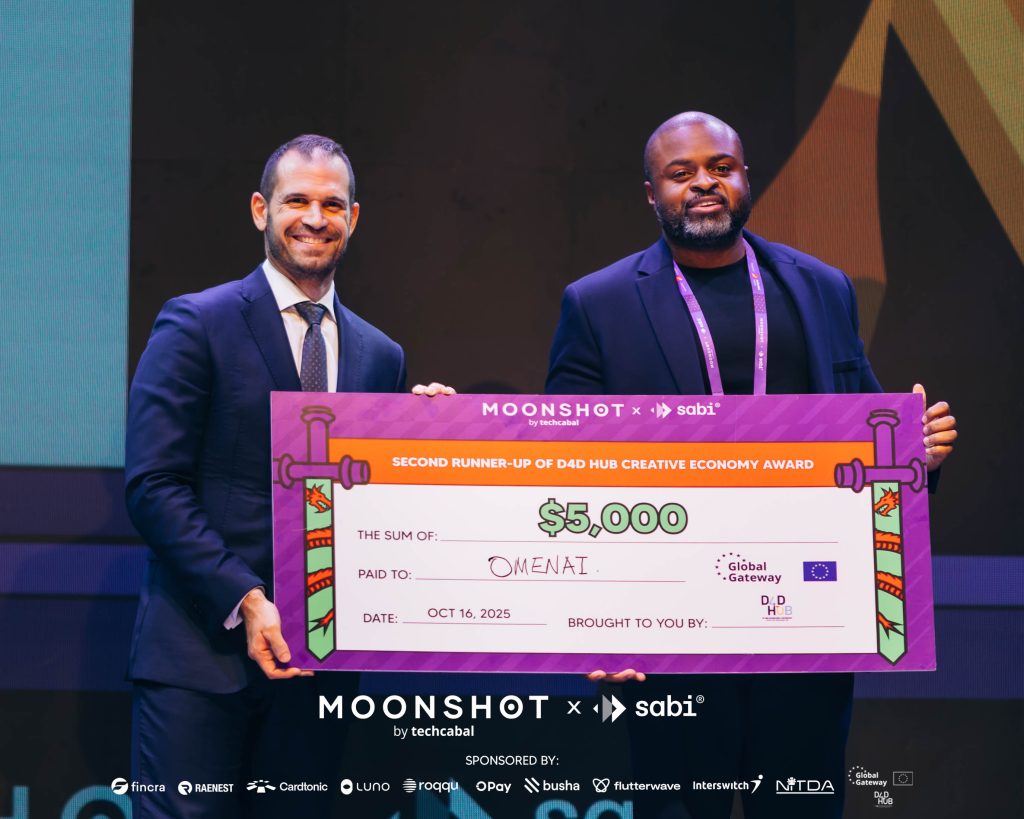 Image Source: TechCabal.
Recommended read: Here’s what it will take to support Africa’s $20 billion creative industry


You May Also Like
USD/CHF Slides for Second Day as Risk Appetite Returns and Swiss Inflation Firms

Why Businesses Need Professional Machine Design and Development Services