

Bitcoin Sell-Off: Shocking Truth About Who’s Really Driving the Market Downturn
BitcoinWorld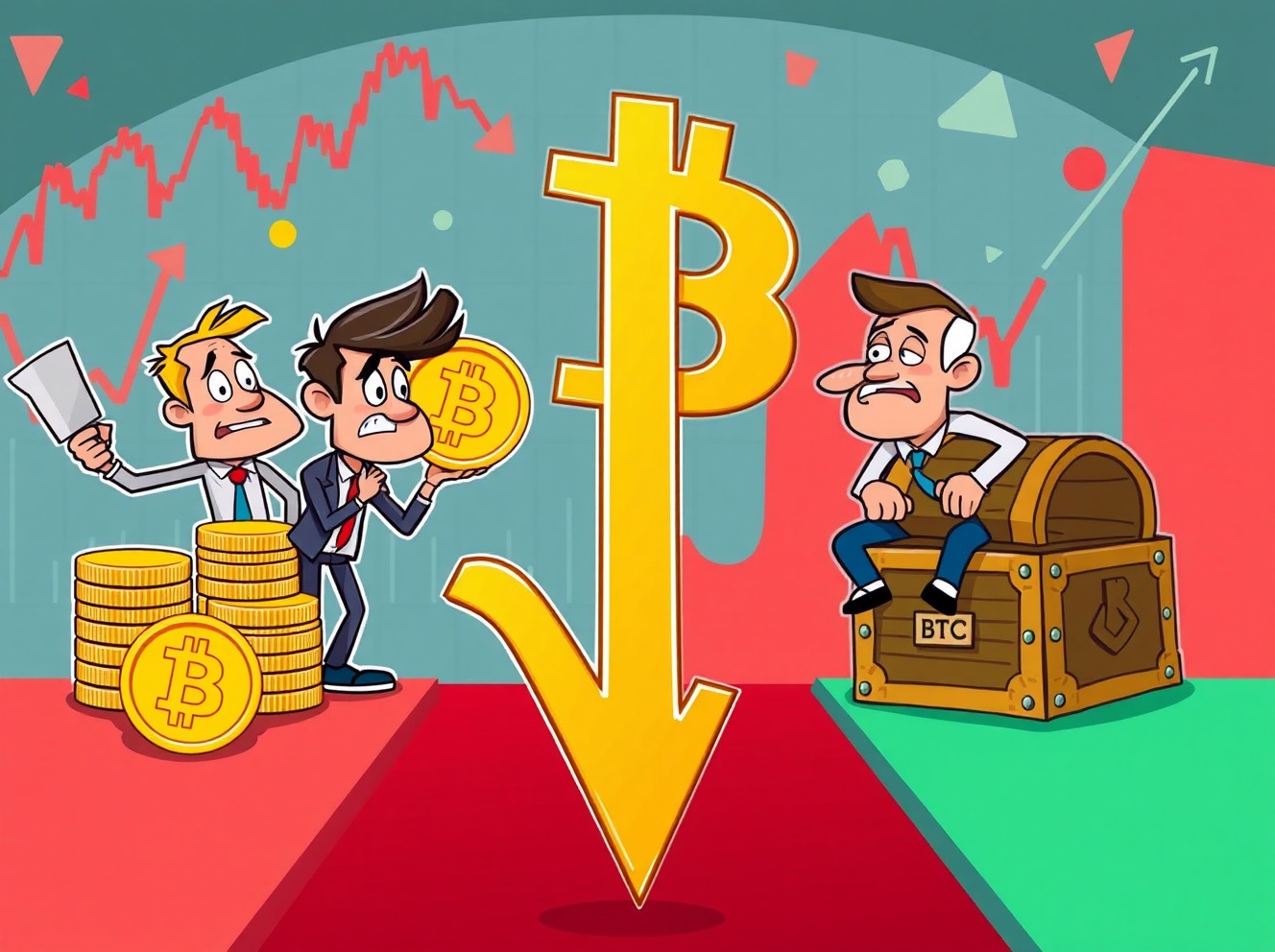
Bitcoin Sell-Off: Shocking Truth About Who’s Really Driving the Market Downturn
Have you been wondering what’s really behind the recent Bitcoin price drop? According to VanEck’s latest analysis, the current Bitcoin sell-off isn’t what most investors assume. Contrary to popular belief, long-term Bitcoin holders aren’t the ones panic selling – it’s actually medium-term traders who are driving this market movement. This crucial insight changes everything about how we understand the current cryptocurrency landscape.
Who’s Really Driving the Bitcoin Sell-Off?
VanEck’s comprehensive research reveals a surprising truth about the recent Bitcoin sell-off. The asset management firm found that addresses that last moved BTC within the past five years account for most of the recent selling pressure. Meanwhile, genuine long-term Bitcoin holders have remained remarkably steady despite worsening market conditions. This distinction matters because it suggests we’re seeing strategic repositioning rather than investor capitulation.
The data shows clear patterns in holder behavior during this Bitcoin sell-off period. Medium-term holders, typically those who acquired Bitcoin between three to five years ago, are actively rotating their positions. However, true long-term investors – those holding Bitcoin for more than five years – continue to demonstrate extraordinary patience and conviction in their investment thesis.
What Do the Numbers Reveal About This Bitcoin Sell-Off?
VanEck’s quantitative analysis provides concrete evidence supporting their conclusions about the current Bitcoin sell-off. The research highlights several key metrics that paint a clear picture of market dynamics:
- BTC balance in 3-5 year holder wallets dropped by 32% over two years
- Open interest in BTC perpetual futures fell 20% since October 9
- Funding rates have declined to bear market levels
- Long-term holder inactivity remains at historically high levels
These metrics collectively indicate that the current Bitcoin sell-off represents trader rotation rather than fundamental investor abandonment. The stability among long-term holders suggests underlying confidence in Bitcoin’s future prospects, even during this challenging period.
Why Does This Bitcoin Sell-Off Pattern Matter for Investors?
Understanding the true drivers behind this Bitcoin sell-off provides valuable insights for strategic decision-making. When medium-term traders lead selling pressure while long-term holders remain steadfast, it typically signals market maturation rather than collapse. This pattern often precedes significant rebounds as weaker hands transfer assets to stronger, more committed investors.
VanEck concludes that these combined factors – stable long-term holders, strategic trader rotation, and futures market capitulation – have positioned Bitcoin in what they call a “reset” state. Historical data suggests that such reset phases often create ideal entry points for savvy investors who understand the difference between temporary volatility and permanent value destruction.
What Can We Expect After This Bitcoin Sell-Off?
The current Bitcoin sell-off dynamics point toward potential opportunities rather than reasons for panic. VanEck’s analysis indicates that when medium-term holders complete their position adjustments and futures markets stabilize, Bitcoin could be primed for its next upward movement. The firm specifically notes that this reset state “could be followed by a rebound” once the current redistribution phase concludes.
For investors concerned about the ongoing Bitcoin sell-off, the key takeaway is perspective. Recognizing that we’re experiencing trader-driven volatility rather than fundamental investor exodus provides crucial context. This understanding helps maintain emotional discipline during market turbulence and positions investors to capitalize on opportunities that temporary price dislocations create.
The recent Bitcoin sell-off represents a classic market rotation rather than systemic failure. Medium-term traders are adjusting positions while long-term believers maintain their conviction. This creates a healthy market reset that could establish the foundation for Bitcoin’s next significant advance. Understanding these dynamics separates successful investors from reactive traders during challenging market conditions.
Frequently Asked Questions
What exactly is a medium-term Bitcoin holder?
Medium-term Bitcoin holders typically include investors who have held BTC for approximately three to five years. These investors often show more active trading behavior compared to long-term holders while maintaining longer time horizons than day traders.
How does this Bitcoin sell-off compare to previous market downturns?
Current patterns resemble historical corrections where medium-term profit-taking precedes renewed bullish momentum. The key difference is the remarkable stability among long-term holders, suggesting stronger fundamental conviction.
Should I be worried about my Bitcoin investments during this sell-off?
VanEck’s analysis suggests this represents healthy market dynamics rather than fundamental deterioration. Historical patterns indicate such resets often create attractive entry points for strategic investors.
What signals should I watch for the Bitcoin sell-off to end?
Key indicators include stabilization in futures funding rates, reduced selling volume from medium-term wallets, and renewed accumulation patterns among long-term addresses.
How long do these Bitcoin sell-off phases typically last?
While timing varies, similar redistribution phases historically lasted several weeks to months, depending on market conditions and broader macroeconomic factors.
Are institutional investors participating in this Bitcoin sell-off?
VanEck’s data focuses on wallet behavior rather than investor classification, but the stability among long-term holders suggests institutional positions remain largely intact.
Found this analysis of the Bitcoin sell-off insightful? Help other investors understand these crucial market dynamics by sharing this article on your social media channels. Knowledge empowers better investment decisions during volatile periods.
To learn more about the latest Bitcoin trends, explore our article on key developments shaping Bitcoin price action and institutional adoption.
This post Bitcoin Sell-Off: Shocking Truth About Who’s Really Driving the Market Downturn first appeared on BitcoinWorld.
You May Also Like

The Channel Factories We’ve Been Waiting For

Gold continues to hit new highs. How to invest in gold in the crypto market?

