BitcoinWorld Revolutionary Stablecoin Payments Transform African Trade Through AfCFTA and IOTA Partnership Imagine a future where African nations trade seamlessly without costly currency conversions or banking delays. This vision is becoming reality as the African Continental Free Trade Area partners with IOTA Foundation to implement revolutionary stablecoin payments across the continent. This groundbreaking initiative could transform how African businesses conduct cross-border transactions forever. How Will Stablecoin Payments Revolutionize African Trade? The collaboration between AfCFTA and IOTA represents a monumental shift in African economic integration. By leveraging blockchain technology, they aim to create a unified payment system that eliminates traditional banking bottlenecks. The Foundation for Public Infrastructure for Digital Accessibility and Trade in Africa (ADAPT) will develop the open-source infrastructure needed to support these stablecoin payments across all 55 member states. This initiative specifically targets freight transport and other essential services between African nations. The current system involves multiple currency conversions, high transaction fees, and lengthy processing times. Stablecoin payments promise to streamline these processes dramatically. What Benefits Do Stablecoin Payments Offer African Businesses? The advantages of implementing stablecoin payments across Africa are substantial and transformative: Reduced transaction costs by eliminating multiple currency conversion fees Faster settlement times compared to traditional banking systems Increased financial inclusion for businesses without extensive banking access Enhanced transparency through blockchain-based tracking Improved trade efficiency with streamlined payment processes These stablecoin payments could particularly benefit small and medium enterprises that struggle with cross-border transaction costs. By reducing financial barriers, more businesses can participate in continental trade. What Challenges Might This Initiative Face? Despite the promising potential, implementing stablecoin payments across Africa presents several challenges. Regulatory harmonization between 55 nations requires significant coordination. Each country has different financial regulations and digital infrastructure capabilities. Technical infrastructure varies widely across the continent. Some regions have robust internet connectivity while others face connectivity challenges. The success of stablecoin payments depends on reliable digital access for all participants. Moreover, building trust in digital currencies among traditional businesses may take time. Education and demonstration of security features will be crucial for widespread adoption of these stablecoin payments. How Will This Impact African Economic Development? The implementation of stablecoin payments could accelerate African economic integration significantly. By reducing transaction costs and processing times, trade volumes between African nations are likely to increase. This aligns perfectly with AfCFTA’s mission to create a single continental market. Smaller businesses gain access to larger markets without being constrained by banking limitations. The open-source nature of the platform ensures that all member states can participate equally in this digital transformation of stablecoin payments. The Future of African Trade with Stablecoin Payments This partnership represents more than just a technical upgrade—it’s a fundamental reimagining of African economic cooperation. The successful implementation of stablecoin payments could position Africa as a leader in digital trade innovation. As the platform develops, we may see expansion beyond freight transport into other sectors. The infrastructure could support various digital services, creating a comprehensive ecosystem for African digital commerce through stablecoin payments. The collaboration between established economic bodies like AfCFTA and innovative technology partners like IOTA demonstrates how traditional and modern approaches can combine to create transformative solutions. This model could inspire similar initiatives in other developing regions. Frequently Asked Questions What are stablecoin payments? Stablecoin payments use digital currencies pegged to stable assets like the US dollar to facilitate transactions without the price volatility of typical cryptocurrencies. How will this benefit ordinary African businesses? Small and medium enterprises will enjoy lower transaction costs, faster payments, and easier access to cross-border markets throughout Africa. When will this system become operational? While no specific timeline is provided, the development phase is underway through the ADAPT foundation’s open-source infrastructure project. Is this system secure for business transactions? The blockchain-based system provides enhanced security and transparency compared to traditional payment methods, with all transactions recorded on a distributed ledger. Which African countries will participate? All 55 AfCFTA member states are included in this initiative, though implementation may vary based on individual country readiness. How does this differ from existing mobile money systems? Unlike mobile money limited to domestic transactions, this system enables cross-border stablecoin payments across the entire African continent seamlessly. Found this insight into Africa’s trade transformation valuable? Share this article with colleagues and business partners who need to understand how stablecoin payments are reshaping continental commerce. Together, we can spread knowledge about Africa’s digital economic future. To learn more about the latest cryptocurrency trends, explore our article on key developments shaping digital currency institutional adoption across emerging markets. This post Revolutionary Stablecoin Payments Transform African Trade Through AfCFTA and IOTA Partnership first appeared on BitcoinWorld.BitcoinWorld Revolutionary Stablecoin Payments Transform African Trade Through AfCFTA and IOTA Partnership Imagine a future where African nations trade seamlessly without costly currency conversions or banking delays. This vision is becoming reality as the African Continental Free Trade Area partners with IOTA Foundation to implement revolutionary stablecoin payments across the continent. This groundbreaking initiative could transform how African businesses conduct cross-border transactions forever. How Will Stablecoin Payments Revolutionize African Trade? The collaboration between AfCFTA and IOTA represents a monumental shift in African economic integration. By leveraging blockchain technology, they aim to create a unified payment system that eliminates traditional banking bottlenecks. The Foundation for Public Infrastructure for Digital Accessibility and Trade in Africa (ADAPT) will develop the open-source infrastructure needed to support these stablecoin payments across all 55 member states. This initiative specifically targets freight transport and other essential services between African nations. The current system involves multiple currency conversions, high transaction fees, and lengthy processing times. Stablecoin payments promise to streamline these processes dramatically. What Benefits Do Stablecoin Payments Offer African Businesses? The advantages of implementing stablecoin payments across Africa are substantial and transformative: Reduced transaction costs by eliminating multiple currency conversion fees Faster settlement times compared to traditional banking systems Increased financial inclusion for businesses without extensive banking access Enhanced transparency through blockchain-based tracking Improved trade efficiency with streamlined payment processes These stablecoin payments could particularly benefit small and medium enterprises that struggle with cross-border transaction costs. By reducing financial barriers, more businesses can participate in continental trade. What Challenges Might This Initiative Face? Despite the promising potential, implementing stablecoin payments across Africa presents several challenges. Regulatory harmonization between 55 nations requires significant coordination. Each country has different financial regulations and digital infrastructure capabilities. Technical infrastructure varies widely across the continent. Some regions have robust internet connectivity while others face connectivity challenges. The success of stablecoin payments depends on reliable digital access for all participants. Moreover, building trust in digital currencies among traditional businesses may take time. Education and demonstration of security features will be crucial for widespread adoption of these stablecoin payments. How Will This Impact African Economic Development? The implementation of stablecoin payments could accelerate African economic integration significantly. By reducing transaction costs and processing times, trade volumes between African nations are likely to increase. This aligns perfectly with AfCFTA’s mission to create a single continental market. Smaller businesses gain access to larger markets without being constrained by banking limitations. The open-source nature of the platform ensures that all member states can participate equally in this digital transformation of stablecoin payments. The Future of African Trade with Stablecoin Payments This partnership represents more than just a technical upgrade—it’s a fundamental reimagining of African economic cooperation. The successful implementation of stablecoin payments could position Africa as a leader in digital trade innovation. As the platform develops, we may see expansion beyond freight transport into other sectors. The infrastructure could support various digital services, creating a comprehensive ecosystem for African digital commerce through stablecoin payments. The collaboration between established economic bodies like AfCFTA and innovative technology partners like IOTA demonstrates how traditional and modern approaches can combine to create transformative solutions. This model could inspire similar initiatives in other developing regions. Frequently Asked Questions What are stablecoin payments? Stablecoin payments use digital currencies pegged to stable assets like the US dollar to facilitate transactions without the price volatility of typical cryptocurrencies. How will this benefit ordinary African businesses? Small and medium enterprises will enjoy lower transaction costs, faster payments, and easier access to cross-border markets throughout Africa. When will this system become operational? While no specific timeline is provided, the development phase is underway through the ADAPT foundation’s open-source infrastructure project. Is this system secure for business transactions? The blockchain-based system provides enhanced security and transparency compared to traditional payment methods, with all transactions recorded on a distributed ledger. Which African countries will participate? All 55 AfCFTA member states are included in this initiative, though implementation may vary based on individual country readiness. How does this differ from existing mobile money systems? Unlike mobile money limited to domestic transactions, this system enables cross-border stablecoin payments across the entire African continent seamlessly. Found this insight into Africa’s trade transformation valuable? Share this article with colleagues and business partners who need to understand how stablecoin payments are reshaping continental commerce. Together, we can spread knowledge about Africa’s digital economic future. To learn more about the latest cryptocurrency trends, explore our article on key developments shaping digital currency institutional adoption across emerging markets. This post Revolutionary Stablecoin Payments Transform African Trade Through AfCFTA and IOTA Partnership first appeared on BitcoinWorld.

Revolutionary Stablecoin Payments Transform African Trade Through AfCFTA and IOTA Partnership
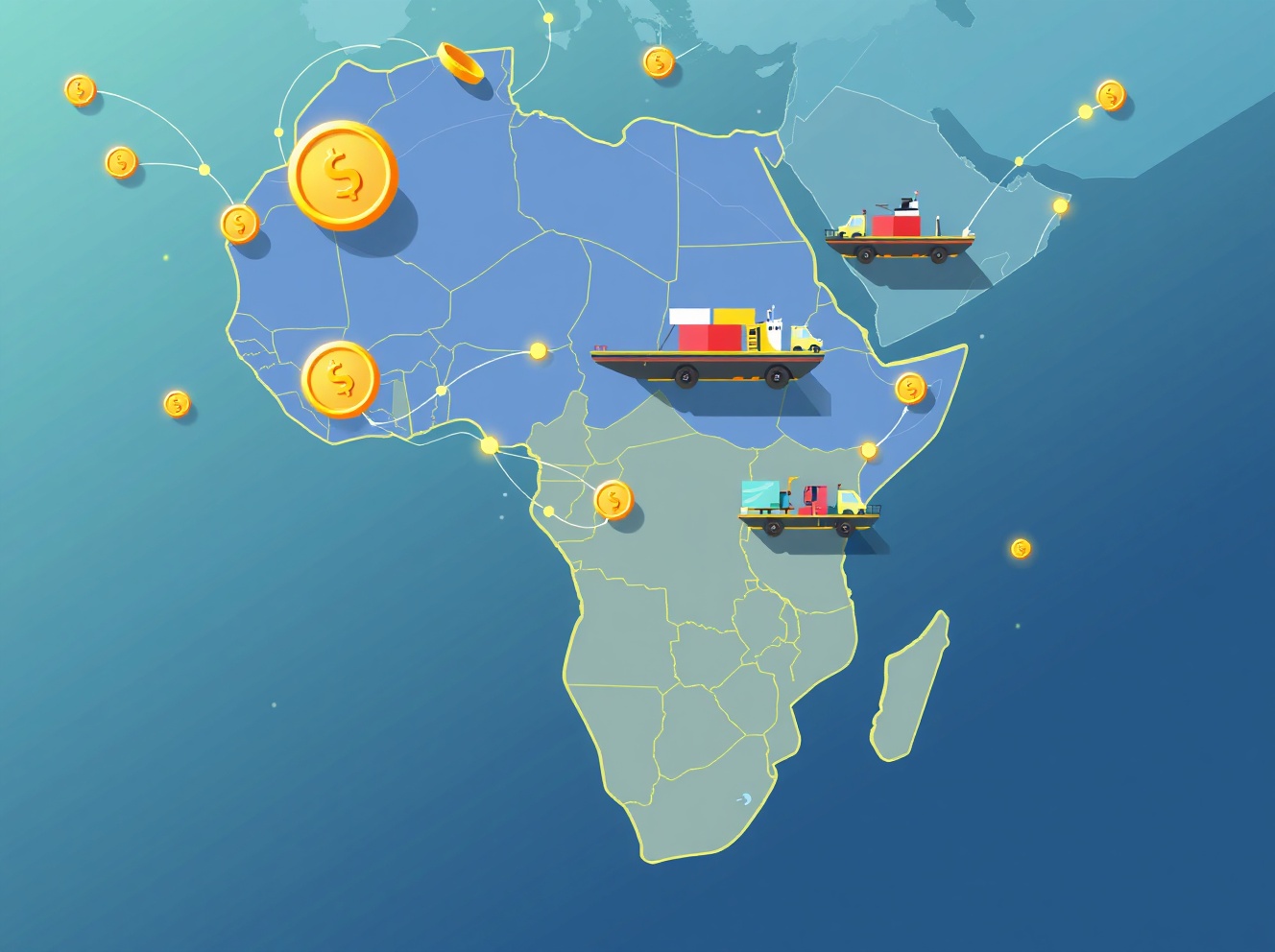
African trade revolution through stablecoin payments connecting nations digitally

BitcoinWorld

Revolutionary Stablecoin Payments Transform African Trade Through AfCFTA and IOTA Partnership

Imagine a future where African nations trade seamlessly without costly currency conversions or banking delays. This vision is becoming reality as the African Continental Free Trade Area partners with IOTA Foundation to implement revolutionary stablecoin payments across the continent. This groundbreaking initiative could transform how African businesses conduct cross-border transactions forever.

How Will Stablecoin Payments Revolutionize African Trade?

The collaboration between AfCFTA and IOTA represents a monumental shift in African economic integration. By leveraging blockchain technology, they aim to create a unified payment system that eliminates traditional banking bottlenecks. The Foundation for Public Infrastructure for Digital Accessibility and Trade in Africa (ADAPT) will develop the open-source infrastructure needed to support these stablecoin payments across all 55 member states.

This initiative specifically targets freight transport and other essential services between African nations. The current system involves multiple currency conversions, high transaction fees, and lengthy processing times. Stablecoin payments promise to streamline these processes dramatically.

What Benefits Do Stablecoin Payments Offer African Businesses?

The advantages of implementing stablecoin payments across Africa are substantial and transformative:

  • Reduced transaction costs by eliminating multiple currency conversion fees
  • Faster settlement times compared to traditional banking systems
  • Increased financial inclusion for businesses without extensive banking access
  • Enhanced transparency through blockchain-based tracking
  • Improved trade efficiency with streamlined payment processes

These stablecoin payments could particularly benefit small and medium enterprises that struggle with cross-border transaction costs. By reducing financial barriers, more businesses can participate in continental trade.

What Challenges Might This Initiative Face?

Despite the promising potential, implementing stablecoin payments across Africa presents several challenges. Regulatory harmonization between 55 nations requires significant coordination. Each country has different financial regulations and digital infrastructure capabilities.

Technical infrastructure varies widely across the continent. Some regions have robust internet connectivity while others face connectivity challenges. The success of stablecoin payments depends on reliable digital access for all participants.

Moreover, building trust in digital currencies among traditional businesses may take time. Education and demonstration of security features will be crucial for widespread adoption of these stablecoin payments.

How Will This Impact African Economic Development?

The implementation of stablecoin payments could accelerate African economic integration significantly. By reducing transaction costs and processing times, trade volumes between African nations are likely to increase. This aligns perfectly with AfCFTA’s mission to create a single continental market.

Smaller businesses gain access to larger markets without being constrained by banking limitations. The open-source nature of the platform ensures that all member states can participate equally in this digital transformation of stablecoin payments.

The Future of African Trade with Stablecoin Payments

This partnership represents more than just a technical upgrade—it’s a fundamental reimagining of African economic cooperation. The successful implementation of stablecoin payments could position Africa as a leader in digital trade innovation.

As the platform develops, we may see expansion beyond freight transport into other sectors. The infrastructure could support various digital services, creating a comprehensive ecosystem for African digital commerce through stablecoin payments.

The collaboration between established economic bodies like AfCFTA and innovative technology partners like IOTA demonstrates how traditional and modern approaches can combine to create transformative solutions. This model could inspire similar initiatives in other developing regions.

Frequently Asked Questions

What are stablecoin payments?

Stablecoin payments use digital currencies pegged to stable assets like the US dollar to facilitate transactions without the price volatility of typical cryptocurrencies.

How will this benefit ordinary African businesses?

Small and medium enterprises will enjoy lower transaction costs, faster payments, and easier access to cross-border markets throughout Africa.

When will this system become operational?

While no specific timeline is provided, the development phase is underway through the ADAPT foundation’s open-source infrastructure project.

Is this system secure for business transactions?

The blockchain-based system provides enhanced security and transparency compared to traditional payment methods, with all transactions recorded on a distributed ledger.

Which African countries will participate?

All 55 AfCFTA member states are included in this initiative, though implementation may vary based on individual country readiness.

How does this differ from existing mobile money systems?

Unlike mobile money limited to domestic transactions, this system enables cross-border stablecoin payments across the entire African continent seamlessly.

Found this insight into Africa’s trade transformation valuable? Share this article with colleagues and business partners who need to understand how stablecoin payments are reshaping continental commerce. Together, we can spread knowledge about Africa’s digital economic future.

To learn more about the latest cryptocurrency trends, explore our article on key developments shaping digital currency institutional adoption across emerging markets.

This post Revolutionary Stablecoin Payments Transform African Trade Through AfCFTA and IOTA Partnership first appeared on BitcoinWorld.

Market Opportunity
Polytrade Logo
Polytrade Price(TRADE)
$0.05881
$0.05881$0.05881
-1.45%
USD
Polytrade (TRADE) Live Price Chart
Disclaimer: The articles reposted on this site are sourced from public platforms and are provided for informational purposes only. They do not necessarily reflect the views of MEXC. All rights remain with the original authors. If you believe any content infringes on third-party rights, please contact service@support.mexc.com for removal. MEXC makes no guarantees regarding the accuracy, completeness, or timeliness of the content and is not responsible for any actions taken based on the information provided. The content does not constitute financial, legal, or other professional advice, nor should it be considered a recommendation or endorsement by MEXC.

You May Also Like

Gold Hits $3,700 as Sprott’s Wong Says Dollar’s Store-of-Value Crown May Slip

Gold Hits $3,700 as Sprott’s Wong Says Dollar’s Store-of-Value Crown May Slip

The post Gold Hits $3,700 as Sprott’s Wong Says Dollar’s Store-of-Value Crown May Slip appeared on BitcoinEthereumNews.com. Gold is strutting its way into record territory, smashing through $3,700 an ounce Wednesday morning, as Sprott Asset Management strategist Paul Wong says the yellow metal may finally snatch the dollar’s most coveted role: store of value. Wong Warns: Fiscal Dominance Puts U.S. Dollar on Notice, Gold on Top Gold prices eased slightly to $3,678.9 […] Source: https://news.bitcoin.com/gold-hits-3700-as-sprotts-wong-says-dollars-store-of-value-crown-may-slip/
Share
BitcoinEthereumNews2025/09/18 00:33
Crypto News: Donald Trump-Aligned Fed Governor To Speed Up Fed Rate Cuts?

Crypto News: Donald Trump-Aligned Fed Governor To Speed Up Fed Rate Cuts?

The post Crypto News: Donald Trump-Aligned Fed Governor To Speed Up Fed Rate Cuts? appeared on BitcoinEthereumNews.com. In recent crypto news, Stephen Miran swore in as the latest Federal Reserve governor on September 16, 2025, slipping into the board’s last open spot right before the Federal Open Market Committee kicks off its two-day rate discussion. Traders are betting heavily on a 25-basis-point trim, which would bring the federal funds rate down to 4.00%-4.25%, based on CME FedWatch Tool figures from September 15, 2025. Miran, who’s been Trump’s top economic advisor and a supporter of his trade ideas, joins a seven-member board where just three governors come from Democratic picks, according to the Fed’s records updated that same day. Crypto News: Miran’s Background and Quick Path to Confirmation The Senate greenlit Miran on September 15, 2025, with a tight 48-47 vote, following his nomination on September 2, 2025, as per a recent crypto news update. His stint runs only until January 31, 2026, stepping in for Adriana D. Kugler, who stepped down in August 2025 for reasons not made public. Miran earned his economics Ph.D. from Harvard and worked at the Treasury back in Trump’s first go-around. Afterward, he moved to Hudson Bay Capital Management as an economist, then looped back to the White House in December 2024 to head the Council of Economic Advisers. There, he helped craft Trump’s “reciprocal tariffs” approach, aimed at fixing trade gaps with China and the EU. He wouldn’t quit his White House gig, which irked Senator Elizabeth Warren at the September 7, 2025, confirmation hearings. That limited time frame means Miran gets to cast a vote straight away at the FOMC session starting September 16, 2025. The full board now features Chair Jerome H. Powell (Trump pick, term ends 2026), Vice Chair Philip N. Jefferson (Biden, to 2036), and folks like Lisa D. Cook (Biden, to 2028) and Michael S. Barr…
Share
BitcoinEthereumNews2025/09/18 03:14
SEC Approves Grayscale’s Digital Large Cap Fund for Trading

SEC Approves Grayscale’s Digital Large Cap Fund for Trading

SEC greenlights GDLC, the first U.S.-listed multi-asset crypto ETF, offering exposure to BTC, ETH, XRP, SOL and ADA.
Share
CryptoPotato2025/09/18 17:55