Belarusian President Aleksandr Lukashenko has positioned crypto mining as a strategic pathway toward reducing global dollar dependency, announcing aggressive expansion plans during a government meeting on energy policy. The directive builds on previous commitments to transform the country’s surplus nuclear power capacity into a competitive advantage for digital asset production. At the same time, broader geopolitical trends accelerate de-dollarization across multiple continents. According to a local report, Lukashenko dismissed concerns about market volatility during the November 14 meeting in Minsk, framing crypto as an inevitable component of international efforts to establish monetary alternatives. “Our entire world is now grappling with a global problem, namely moving away from dependence on a single currency, the dollar,” he told officials assembled to discuss electricity consumption strategies and nuclear capacity development. “This process will intensify. Cryptocurrency is probably one of the options.“Source: The Economist Belarus Builds Mining Infrastructure on Nuclear Foundation The president’s endorsement follows months of groundwork aimed at positioning Belarus as an attractive destination for international mining operations. Lukashenko in March ordered Energy Minister Alexei Kushnarenko to utilize the nation’s electricity surplus for crypto production, explicitly referencing developments in Washington, where President Donald Trump announced plans for a national Bitcoin reserve. “We can see the direction the world is heading in, especially the largest economy in the world,” Lukashenko stated while suggesting Belarus might eventually establish its own national crypto reserve rather than simply attracting foreign investors. Belarus has anchored its mining ambitions on the Belarusian Nuclear Power Plant, which achieved full operational capacity of 2400 megawatts following the November 2023 activation of its second unit.Source: Belarusian Nuclear Power Plant The infrastructure upgrade resolved previous power shortage issues that had hindered earlier attempts to court mining firms to Minsk’s Hi-Tech Park. Russian and Chinese investors have reportedly expressed interest in Belarus-based projects, drawn by incentivized electricity tariffs now possible through the expanded nuclear output. Beyond mining, Belarus is preparing to launch its Central Bank Digital Currency by late 2026. The National Bank plans to onboard businesses before extending access to government agencies and citizens in 2027. The digital ruble initiative closely coordinates with Russia’s parallel CBDC development, as both nations face sanctions pressure and seek alternative settlement mechanisms. However, Russia has delayed its own launch to mid-2026 due to technical challenges. Global De-Dollarization Trends Accelerate Bitcoin Adoption Lukashenko’s strategic pivot coincides with documented shifts in international trade settlement practices that extend far beyond Eastern Europe. Investment firm VanEck reported in April that China and Russia have begun settling some energy transactions using Bitcoin and other digital assets, while Bolivia announced plans to import electricity using cryptocurrencies. These developments gained momentum during the time when the Trump administration escalated trade tensions by announcing a 125% tariff on Chinese imports, which triggered immediate market responses, with Bitcoin jumping 5.6% to $81,636 within an hour of the announcement. At that time, China retaliated by hiking tariffs on U.S. goods from 34% to 84% on April 9. However, a diplomatic breakthrough on May 12 led to a tariff détente, with the U.S. reducing duties to 30% and China lowering impositions to 10%. The U.S. Dollar Index dropped over 9% year-to-date to 99, amplifying what VanEck describes as Bitcoin’s emerging role as a hedge against fiat debasement and geopolitical risk.Source: TradingView Asia’s billionaires have also responded decisively to these macroeconomic shifts, according to UBS executive Amy Lo, who revealed at a Bloomberg event in Hong Kong that the region’s wealthiest investors are reallocating assets from U.S. dollars into Bitcoin, gold, and Chinese markets. Asia’s affluent investors now hold more than 15% of their wealth in cryptocurrencies and gold, a marked departure from traditional dollar-denominated portfolios. According to the Cryptonews report, 76% of Asia’s family offices and high-net-worth investors hold digital assets, up from 58% in 2022, with many increasing crypto allocations from less than 5% to over 10% of total holdings. Singapore leads this transformation, with 57% of wealthy investors planning to expand their cryptocurrency positions over the next two years. The region’s affluent class is projected to see its wealth grow from $2.7 trillion in 2021 to $3.5 trillion by 2026Belarusian President Aleksandr Lukashenko has positioned crypto mining as a strategic pathway toward reducing global dollar dependency, announcing aggressive expansion plans during a government meeting on energy policy. The directive builds on previous commitments to transform the country’s surplus nuclear power capacity into a competitive advantage for digital asset production. At the same time, broader geopolitical trends accelerate de-dollarization across multiple continents. According to a local report, Lukashenko dismissed concerns about market volatility during the November 14 meeting in Minsk, framing crypto as an inevitable component of international efforts to establish monetary alternatives. “Our entire world is now grappling with a global problem, namely moving away from dependence on a single currency, the dollar,” he told officials assembled to discuss electricity consumption strategies and nuclear capacity development. “This process will intensify. Cryptocurrency is probably one of the options.“Source: The Economist Belarus Builds Mining Infrastructure on Nuclear Foundation The president’s endorsement follows months of groundwork aimed at positioning Belarus as an attractive destination for international mining operations. Lukashenko in March ordered Energy Minister Alexei Kushnarenko to utilize the nation’s electricity surplus for crypto production, explicitly referencing developments in Washington, where President Donald Trump announced plans for a national Bitcoin reserve. “We can see the direction the world is heading in, especially the largest economy in the world,” Lukashenko stated while suggesting Belarus might eventually establish its own national crypto reserve rather than simply attracting foreign investors. Belarus has anchored its mining ambitions on the Belarusian Nuclear Power Plant, which achieved full operational capacity of 2400 megawatts following the November 2023 activation of its second unit.Source: Belarusian Nuclear Power Plant The infrastructure upgrade resolved previous power shortage issues that had hindered earlier attempts to court mining firms to Minsk’s Hi-Tech Park. Russian and Chinese investors have reportedly expressed interest in Belarus-based projects, drawn by incentivized electricity tariffs now possible through the expanded nuclear output. Beyond mining, Belarus is preparing to launch its Central Bank Digital Currency by late 2026. The National Bank plans to onboard businesses before extending access to government agencies and citizens in 2027. The digital ruble initiative closely coordinates with Russia’s parallel CBDC development, as both nations face sanctions pressure and seek alternative settlement mechanisms. However, Russia has delayed its own launch to mid-2026 due to technical challenges. Global De-Dollarization Trends Accelerate Bitcoin Adoption Lukashenko’s strategic pivot coincides with documented shifts in international trade settlement practices that extend far beyond Eastern Europe. Investment firm VanEck reported in April that China and Russia have begun settling some energy transactions using Bitcoin and other digital assets, while Bolivia announced plans to import electricity using cryptocurrencies. These developments gained momentum during the time when the Trump administration escalated trade tensions by announcing a 125% tariff on Chinese imports, which triggered immediate market responses, with Bitcoin jumping 5.6% to $81,636 within an hour of the announcement. At that time, China retaliated by hiking tariffs on U.S. goods from 34% to 84% on April 9. However, a diplomatic breakthrough on May 12 led to a tariff détente, with the U.S. reducing duties to 30% and China lowering impositions to 10%. The U.S. Dollar Index dropped over 9% year-to-date to 99, amplifying what VanEck describes as Bitcoin’s emerging role as a hedge against fiat debasement and geopolitical risk.Source: TradingView Asia’s billionaires have also responded decisively to these macroeconomic shifts, according to UBS executive Amy Lo, who revealed at a Bloomberg event in Hong Kong that the region’s wealthiest investors are reallocating assets from U.S. dollars into Bitcoin, gold, and Chinese markets. Asia’s affluent investors now hold more than 15% of their wealth in cryptocurrencies and gold, a marked departure from traditional dollar-denominated portfolios. According to the Cryptonews report, 76% of Asia’s family offices and high-net-worth investors hold digital assets, up from 58% in 2022, with many increasing crypto allocations from less than 5% to over 10% of total holdings. Singapore leads this transformation, with 57% of wealthy investors planning to expand their cryptocurrency positions over the next two years. The region’s affluent class is projected to see its wealth grow from $2.7 trillion in 2021 to $3.5 trillion by 2026

Belarus Prioritizes Crypto Mining Amid Push to Break Dollar Dominance

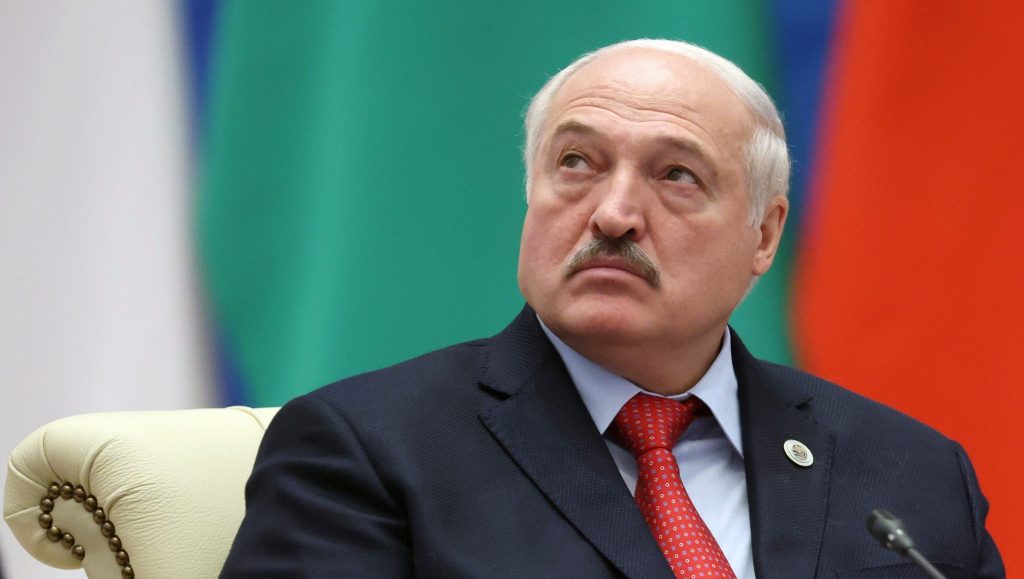
Belarusian President Aleksandr Lukashenko has positioned crypto mining as a strategic pathway toward reducing global dollar dependency, announcing aggressive expansion plans during a government meeting on energy policy.

The directive builds on previous commitments to transform the country’s surplus nuclear power capacity into a competitive advantage for digital asset production. At the same time, broader geopolitical trends accelerate de-dollarization across multiple continents.

According to a local report, Lukashenko dismissed concerns about market volatility during the November 14 meeting in Minsk, framing crypto as an inevitable component of international efforts to establish monetary alternatives.

Our entire world is now grappling with a global problem, namely moving away from dependence on a single currency, the dollar,” he told officials assembled to discuss electricity consumption strategies and nuclear capacity development.

This process will intensify. Cryptocurrency is probably one of the options.

Source: The Economist

Belarus Builds Mining Infrastructure on Nuclear Foundation

The president’s endorsement follows months of groundwork aimed at positioning Belarus as an attractive destination for international mining operations.

Lukashenko in March ordered Energy Minister Alexei Kushnarenko to utilize the nation’s electricity surplus for crypto production, explicitly referencing developments in Washington, where President Donald Trump announced plans for a national Bitcoin reserve.

We can see the direction the world is heading in, especially the largest economy in the world,” Lukashenko stated while suggesting Belarus might eventually establish its own national crypto reserve rather than simply attracting foreign investors.

Belarus has anchored its mining ambitions on the Belarusian Nuclear Power Plant, which achieved full operational capacity of 2400 megawatts following the November 2023 activation of its second unit.

Source: Belarusian Nuclear Power Plant

The infrastructure upgrade resolved previous power shortage issues that had hindered earlier attempts to court mining firms to Minsk’s Hi-Tech Park.

Russian and Chinese investors have reportedly expressed interest in Belarus-based projects, drawn by incentivized electricity tariffs now possible through the expanded nuclear output.

Beyond mining, Belarus is preparing to launch its Central Bank Digital Currency by late 2026.

The National Bank plans to onboard businesses before extending access to government agencies and citizens in 2027.

The digital ruble initiative closely coordinates with Russia’s parallel CBDC development, as both nations face sanctions pressure and seek alternative settlement mechanisms.

However, Russia has delayed its own launch to mid-2026 due to technical challenges.

Lukashenko’s strategic pivot coincides with documented shifts in international trade settlement practices that extend far beyond Eastern Europe.

Investment firm VanEck reported in April that China and Russia have begun settling some energy transactions using Bitcoin and other digital assets, while Bolivia announced plans to import electricity using cryptocurrencies.

These developments gained momentum during the time when the Trump administration escalated trade tensions by announcing a 125% tariff on Chinese imports, which triggered immediate market responses, with Bitcoin jumping 5.6% to $81,636 within an hour of the announcement.

At that time, China retaliated by hiking tariffs on U.S. goods from 34% to 84% on April 9. However, a diplomatic breakthrough on May 12 led to a tariff détente, with the U.S. reducing duties to 30% and China lowering impositions to 10%.

The U.S. Dollar Index dropped over 9% year-to-date to 99, amplifying what VanEck describes as Bitcoin’s emerging role as a hedge against fiat debasement and geopolitical risk.

Source: TradingView

Asia’s billionaires have also responded decisively to these macroeconomic shifts, according to UBS executive Amy Lo, who revealed at a Bloomberg event in Hong Kong that the region’s wealthiest investors are reallocating assets from U.S. dollars into Bitcoin, gold, and Chinese markets.

Asia’s affluent investors now hold more than 15% of their wealth in cryptocurrencies and gold, a marked departure from traditional dollar-denominated portfolios.

According to the Cryptonews report, 76% of Asia’s family offices and high-net-worth investors hold digital assets, up from 58% in 2022, with many increasing crypto allocations from less than 5% to over 10% of total holdings.

Singapore leads this transformation, with 57% of wealthy investors planning to expand their cryptocurrency positions over the next two years. The region’s affluent class is projected to see its wealth grow from $2.7 trillion in 2021 to $3.5 trillion by 2026.


Market Opportunity
EPNS Logo
EPNS Price(PUSH)
$0.01573
$0.01573$0.01573
-0.06%
USD
EPNS (PUSH) Live Price Chart
Disclaimer: The articles reposted on this site are sourced from public platforms and are provided for informational purposes only. They do not necessarily reflect the views of MEXC. All rights remain with the original authors. If you believe any content infringes on third-party rights, please contact service@support.mexc.com for removal. MEXC makes no guarantees regarding the accuracy, completeness, or timeliness of the content and is not responsible for any actions taken based on the information provided. The content does not constitute financial, legal, or other professional advice, nor should it be considered a recommendation or endorsement by MEXC.

You May Also Like

Will US Banks Soon Accept Stablecoin Interest?

Will US Banks Soon Accept Stablecoin Interest?

The post Will US Banks Soon Accept Stablecoin Interest? appeared on BitcoinEthereumNews.com. Coinbase CEO Brian Armstrong predicts US banks will reverse their stance
Share
BitcoinEthereumNews2025/12/27 22:36
ArtGis Finance Partners with MetaXR to Expand its DeFi Offerings in the Metaverse

ArtGis Finance Partners with MetaXR to Expand its DeFi Offerings in the Metaverse

By using this collaboration, ArtGis utilizes MetaXR’s infrastructure to widen access to its assets and enable its customers to interact with the metaverse.
Share
Blockchainreporter2025/09/18 00:07
BlackRock boosts AI and US equity exposure in $185 billion models

BlackRock boosts AI and US equity exposure in $185 billion models

The post BlackRock boosts AI and US equity exposure in $185 billion models appeared on BitcoinEthereumNews.com. BlackRock is steering $185 billion worth of model portfolios deeper into US stocks and artificial intelligence. The decision came this week as the asset manager adjusted its entire model suite, increasing its equity allocation and dumping exposure to international developed markets. The firm now sits 2% overweight on stocks, after money moved between several of its biggest exchange-traded funds. This wasn’t a slow shuffle. Billions flowed across multiple ETFs on Tuesday as BlackRock executed the realignment. The iShares S&P 100 ETF (OEF) alone brought in $3.4 billion, the largest single-day haul in its history. The iShares Core S&P 500 ETF (IVV) collected $2.3 billion, while the iShares US Equity Factor Rotation Active ETF (DYNF) added nearly $2 billion. The rebalancing triggered swift inflows and outflows that realigned investor exposure on the back of performance data and macroeconomic outlooks. BlackRock raises equities on strong US earnings The model updates come as BlackRock backs the rally in American stocks, fueled by strong earnings and optimism around rate cuts. In an investment letter obtained by Bloomberg, the firm said US companies have delivered 11% earnings growth since the third quarter of 2024. Meanwhile, earnings across other developed markets barely touched 2%. That gap helped push the decision to drop international holdings in favor of American ones. Michael Gates, lead portfolio manager for BlackRock’s Target Allocation ETF model portfolio suite, said the US market is the only one showing consistency in sales growth, profit delivery, and revisions in analyst forecasts. “The US equity market continues to stand alone in terms of earnings delivery, sales growth and sustainable trends in analyst estimates and revisions,” Michael wrote. He added that non-US developed markets lagged far behind, especially when it came to sales. This week’s changes reflect that position. The move was made ahead of the Federal…
Share
BitcoinEthereumNews2025/09/18 01:44