Trusting AI With Your Code? Read This First
I’ve heard the same question whispered across boardrooms and engineering teams. Can code-generation tools really be trusted?
Sure, the demo video looks promising. What team doesn’t want to produce a full-stack application in just a few minutes? But the question still lingers, could it all be too good to be true?
I often remind people that if something seems too good to be true, it usually is. This case is no exception. Still, the benefits of these tools are real, and in many situations they turn out to be greater than you might expect.
The Case on Paper
Code generation tools have already changed how engineers are working in incredible ways.
McKinsey reports that developers complete tasks up to twice as fast with these tools. A separate survey from Stack Overflow found developers reporting a one-third increase in efficiency when using AI assistance.
The tools also lower barriers for non-technical contributors. As a leader who bridges technology and business, I’ve been impressed by what my colleagues have built without writing a single line of code.
One product manager on my team created a working prototype on her own, without relying on our already busy engineers. In board meetings, I’ve also noticed a new perception of innovation in companies that adopt these tools early.
Investors often see this as a signal of forward-leaning progress.
What Happens in Practice
However, when it comes down to the actual code these tools are producing, the results are uneven.
Yes, the code is functional. But the quality ranges from messy to unstable.
What works well as a prototype built solely with these tools shouldn’t be mistaken for a production-ready system.
Teams without clear specifications or strong review practices are vulnerable to weak, unreliable code. Without discipline, problems multiply instead of getting solved.
When Code-Generation Can Be Trusted
I do believe these tools can be trusted, and I encourage teams to use them. But it is important that the right conditions are in place to set them up for success.
Skilled engineers can use them to accelerate work, provided that specifications are clear, prompts are deliberate, and reviews are thorough. In these circumstances, I’ve found these tools consistently save time without damaging quality.
The source of trust lies in the surrounding system.
Leaders who enforce clear processes and accountability create the conditions for these tools to add value.
The Risks Leaders Need to Address
The risks are substantial and deserve serious attention. If these tools are used as a replacement for true engineering and not an augmentation to one’s skillset, the code quality will suffer.
Problems may be hidden at first, but they will emerge once systems are under real stress.
Latency spikes, subtle logic errors, and operational failures typically appear later, when the cost of fixing them is higher.
Security vulnerabilities are another major concern. Research at Stanford has shown that AI coding tools frequently generate insecure code. The code runs, but it quietly exposes weaknesses that put the business at risk.
There is also the risk of skill erosion. Overreliance on AI can weaken developer judgment.
When engineers stop thinking critically about the code itself, the organization loses depth and resilience over time.
Fragility or Acceleration
With the right structure and accountability, code-generation can accelerate delivery. Without those guardrails, it simply scales fragility.
The distinction lies in leadership discipline, not in the tools themselves. AI code-generation tools will continue to advance.
They will produce cleaner code, integrate more deeply into development environments, and reduce basic errors. But even these improvements will not replace the need for structure.
The organizations that win will be those that treat the tools as accelerators of existing practices.


You May Also Like

Bitcoin Open Interest Sees Largest Increase In 2026 — What’s Happening?
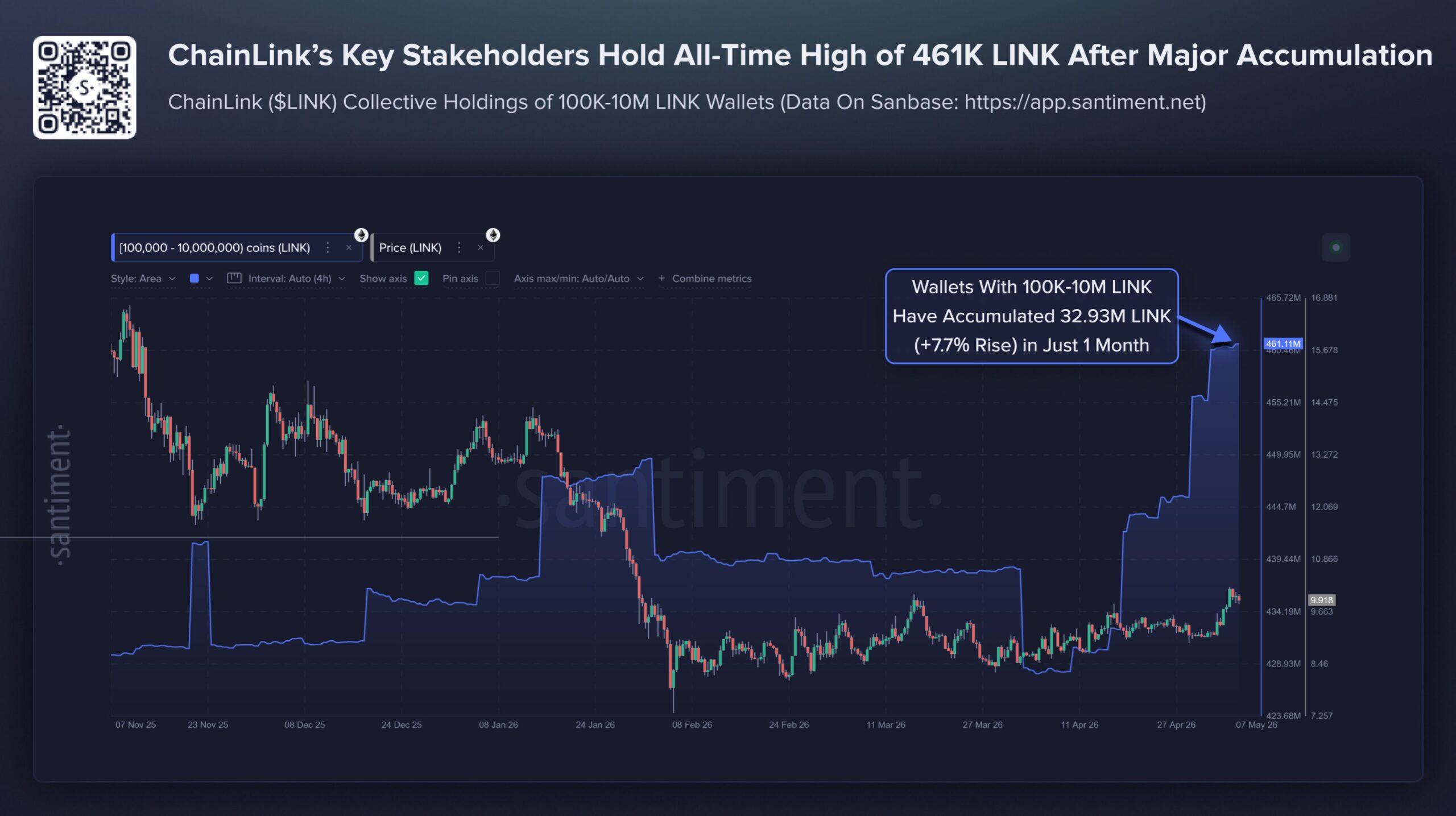
Chainlink Whales Buy 33 Million Coins, LINK Price Eyes $50 Rally As LINK ETF Inflows Surge