

US Dollar Index Slides to Three-Week Low as Hopes for US-Iran De-escalation Rise
BitcoinWorld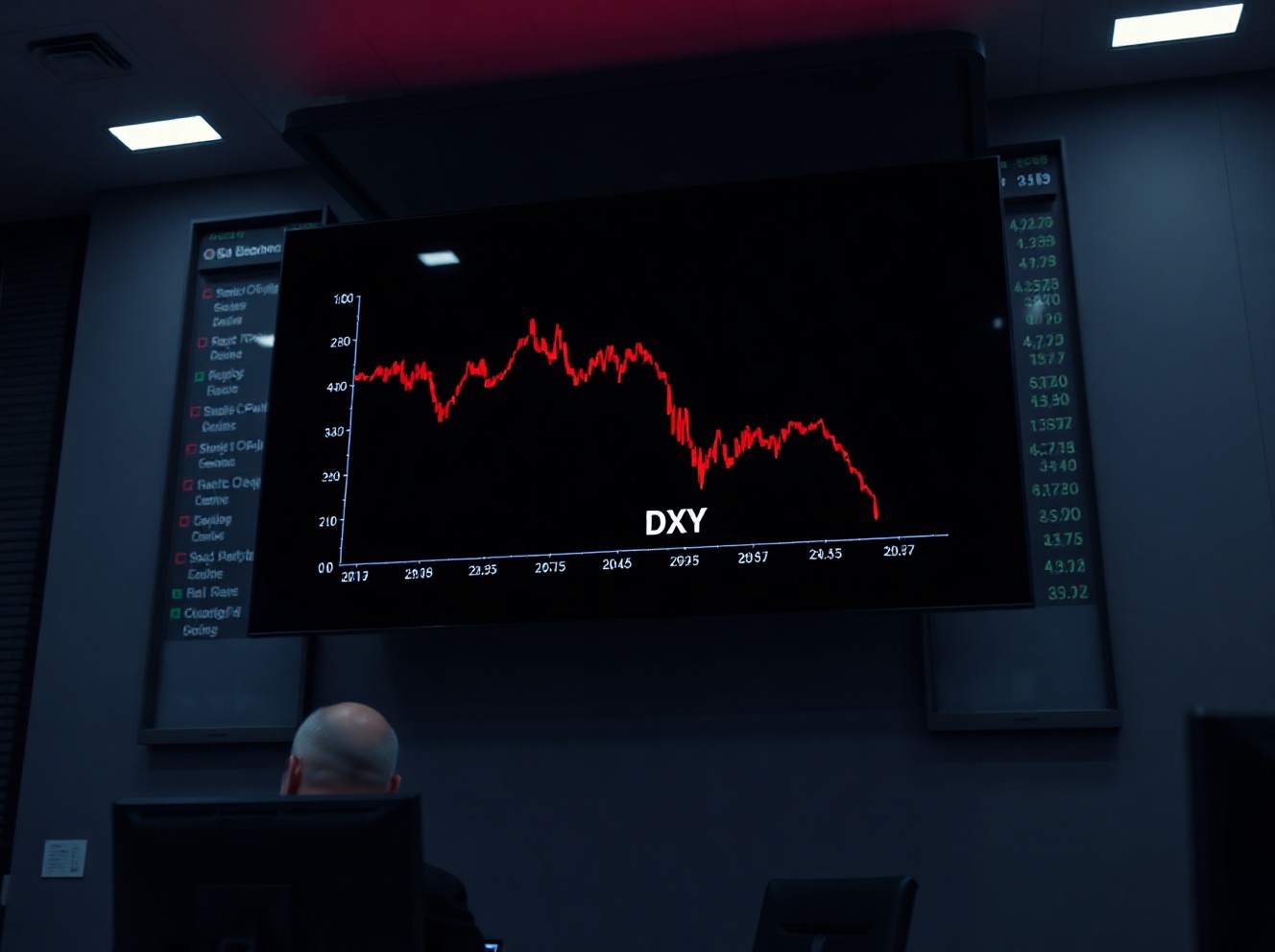
US Dollar Index Slides to Three-Week Low as Hopes for US-Iran De-escalation Rise
The US Dollar Index (DXY), a key measure of the greenback’s value against a basket of six major currencies, dropped to a three-week low on Tuesday. The decline comes amid growing signs that the United States and Iran may be moving toward de-escalation in their ongoing military and diplomatic standoff, reducing demand for safe-haven assets like the dollar.
Geopolitical Shift Weighs on the Dollar
Market participants pointed to recent diplomatic signals from both Washington and Tehran suggesting a potential easing of hostilities. While no formal agreement has been announced, reports of backchannel communications and a measured tone from both sides have encouraged investors to rotate out of safe-haven positions. The dollar, which typically strengthens during periods of geopolitical uncertainty, has weakened as risk appetite returns to global markets.
The DXY fell below the 104.50 mark, its lowest level in three weeks, after closing near 105.00 earlier in the session. The index has been under pressure since the beginning of the week, as traders reassess the likelihood of a prolonged conflict that could disrupt global energy supplies and economic stability.
Market Reaction and Broader Implications
The move lower in the dollar was accompanied by gains in risk-sensitive currencies, including the Australian dollar and the New Zealand dollar, as well as a rally in emerging market currencies. Meanwhile, gold, another traditional safe haven, also edged lower, reflecting a broad shift in investor sentiment.
Analysts caution that the situation remains fluid. Any reversal in diplomatic progress could quickly reignite demand for the dollar. However, the current trajectory suggests that markets are pricing in a higher probability of a negotiated settlement rather than a full-scale military confrontation.
Why This Matters for Investors
The dollar’s decline has direct implications for global trade, corporate earnings, and emerging market debt. A weaker dollar makes US exports more competitive abroad, but it also raises the cost of imported goods for American consumers. For multinational corporations with significant overseas revenue, a falling dollar can boost reported earnings when converted back to greenbacks.
Additionally, a softer dollar often supports commodity prices, which are typically priced in the currency. Oil, in particular, has seen some upward pressure as the dollar weakens, though traders remain focused on supply-side risks tied to the Iran situation.
Conclusion
The US Dollar Index’s retreat to a three-week low reflects a market cautiously optimistic about a potential de-escalation between the US and Iran. While the situation remains unpredictable, the move underscores how quickly geopolitical developments can shift currency markets. Investors should monitor diplomatic channels closely, as any breakdown in talks could reverse the current risk-on sentiment.
FAQs
Q1: What is the US Dollar Index (DXY)?
The US Dollar Index measures the value of the US dollar against a basket of six major currencies: the euro, Japanese yen, British pound, Canadian dollar, Swedish krona, and Swiss franc. It is widely used as a benchmark for the dollar’s overall strength in global markets.
Q2: Why does the dollar fall when geopolitical tensions ease?
The dollar is considered a safe-haven currency, meaning investors buy it during times of uncertainty. When tensions de-escalate, investors shift back to riskier assets, reducing demand for the dollar and causing its value to decline.
Q3: How does a weaker dollar affect the average consumer?
A weaker dollar makes imported goods, including electronics, clothing, and food, more expensive for US consumers. However, it can also boost domestic manufacturing and exports, potentially supporting jobs in those sectors.
This post US Dollar Index Slides to Three-Week Low as Hopes for US-Iran De-escalation Rise first appeared on BitcoinWorld.


You May Also Like

Not a loophole: Singapore AI export controls let China tap US AI legally

LIST: Bayanihan initiatives amid soaring oil prices

Critical USDT0 Response to Drift Hack Exposes Stark Contrast in Stablecoin Security Protocols



