

KOSPI Plunges Over 8%, Triggering Circuit Breaker for First Time Since June
BitcoinWorld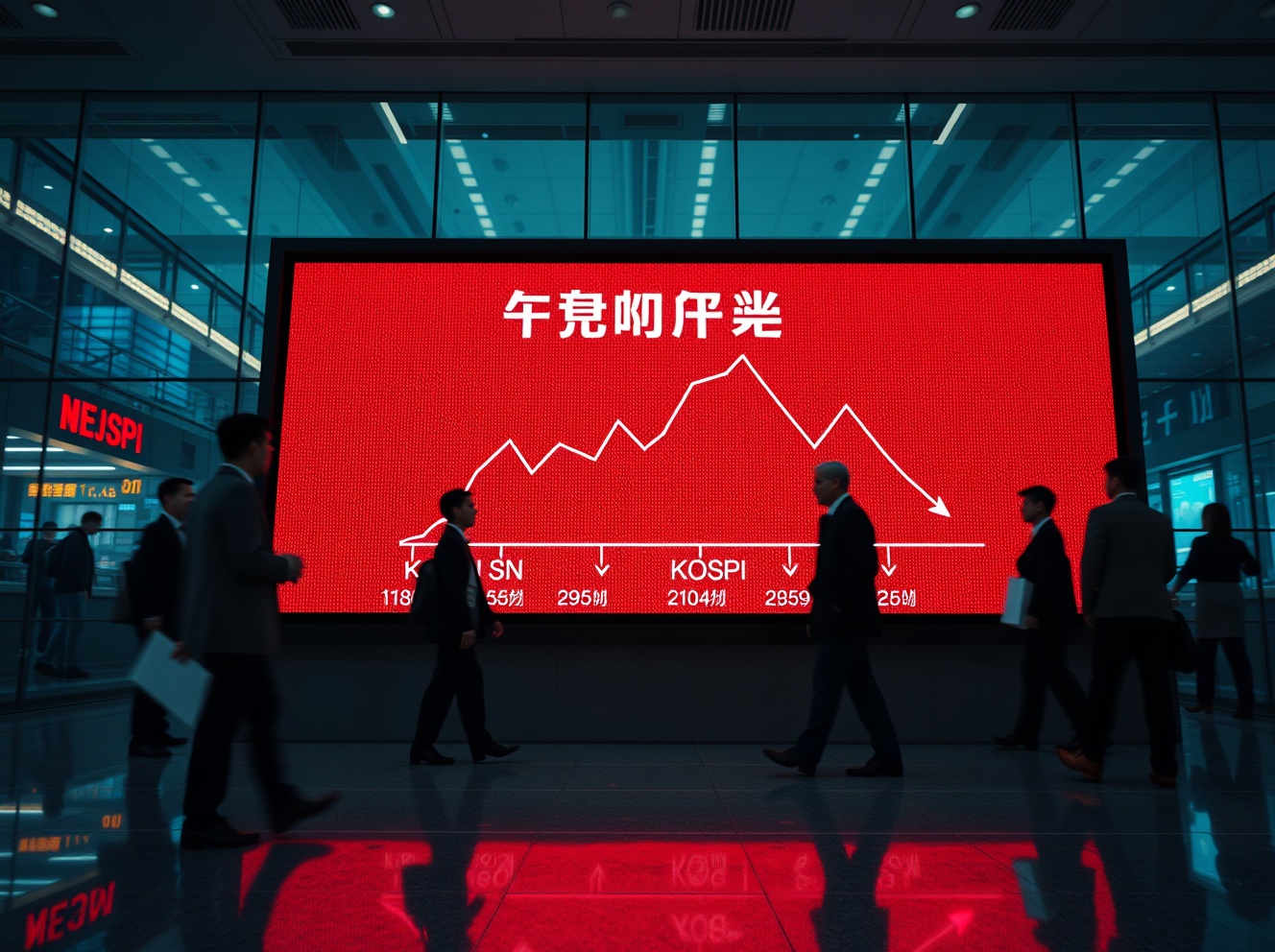
KOSPI Plunges Over 8%, Triggering Circuit Breaker for First Time Since June
The Korea Exchange activated a circuit breaker on [Date] after the benchmark KOSPI index plummeted more than 8%, bringing trading to a temporary halt. The last time such a measure was triggered was on June 26 of this year, underscoring the severity of the current market turmoil.
What Happened and Why It Matters
The sharp decline, which occurred during [morning/afternoon] trading, forced an automatic 20-minute suspension of all trading activities on the KOSPI market. Circuit breakers are designed to prevent panic selling and give investors time to assess information. This mechanism is a critical safeguard in modern financial markets, but its activation signals extreme stress and widespread fear among market participants.
Initial reports suggest the sell-off was driven by a combination of factors, including [if known: global economic slowdown fears, a specific geopolitical event, or a major corporate bankruptcy]. The speed and depth of the decline caught many analysts off guard, raising questions about systemic risk and investor confidence in the region.
Context and Implications for Investors
The last circuit breaker event in June was triggered by [brief context, e.g., a sudden drop in tech stocks or a policy announcement]. Today’s event is significantly larger in magnitude, with the index losing over 8% in a single session. For comparison, the KOSPI’s average daily movement is typically less than 1%.
For retail and institutional investors alike, this development carries serious implications. Portfolio values are being hit hard, and margin calls may follow. The 20-minute halt provides a brief cooling-off period, but trading is expected to remain highly volatile once it resumes. Market regulators are likely to monitor the situation closely for any signs of manipulation or systemic failure.
What Investors Should Watch For
Key factors to monitor in the coming hours include: any emergency statements from the Bank of Korea or financial authorities, movements in the KOSDAQ index, and the performance of major blue-chip stocks such as Samsung Electronics and SK Hynix. International markets, particularly in the US and Japan, will also be closely watched for contagion effects.
Conclusion
The activation of the KOSPI circuit breaker is a stark reminder of the fragility of financial markets in the face of sudden shocks. While the mechanism itself is a normal part of market operations, its use is rare and always newsworthy. Investors should brace for continued uncertainty and avoid making impulsive decisions based on short-term volatility. The Korea Exchange will resume trading after the 20-minute halt, but the underlying causes of the crash remain unresolved.
FAQs
Q1: What is a circuit breaker in the stock market?
A circuit breaker is a regulatory mechanism that temporarily halts trading when a major index drops by a predetermined percentage, typically to prevent panic selling and allow time for information dissemination.
Q2: How long does the trading halt last?
For the KOSPI, the halt lasts for 20 minutes. After that, trading resumes with a single-price auction to stabilize the market.
Q3: Should I sell my stocks now?
Financial advisors generally recommend against making hasty decisions during a circuit breaker event. The market may rebound or continue falling; it is best to consult with a professional and stick to a long-term investment strategy.
This post KOSPI Plunges Over 8%, Triggering Circuit Breaker for First Time Since June first appeared on BitcoinWorld.


You May Also Like
AI data centers push Rush Belt manufacturers power costs to record levels

Mexico probing if US violated sovereignty in 2024 druglord capture

How to Spot a South African Cyber-Scam Before You Click “Pay”



