

Complaints against journos must go to media council first, says PM
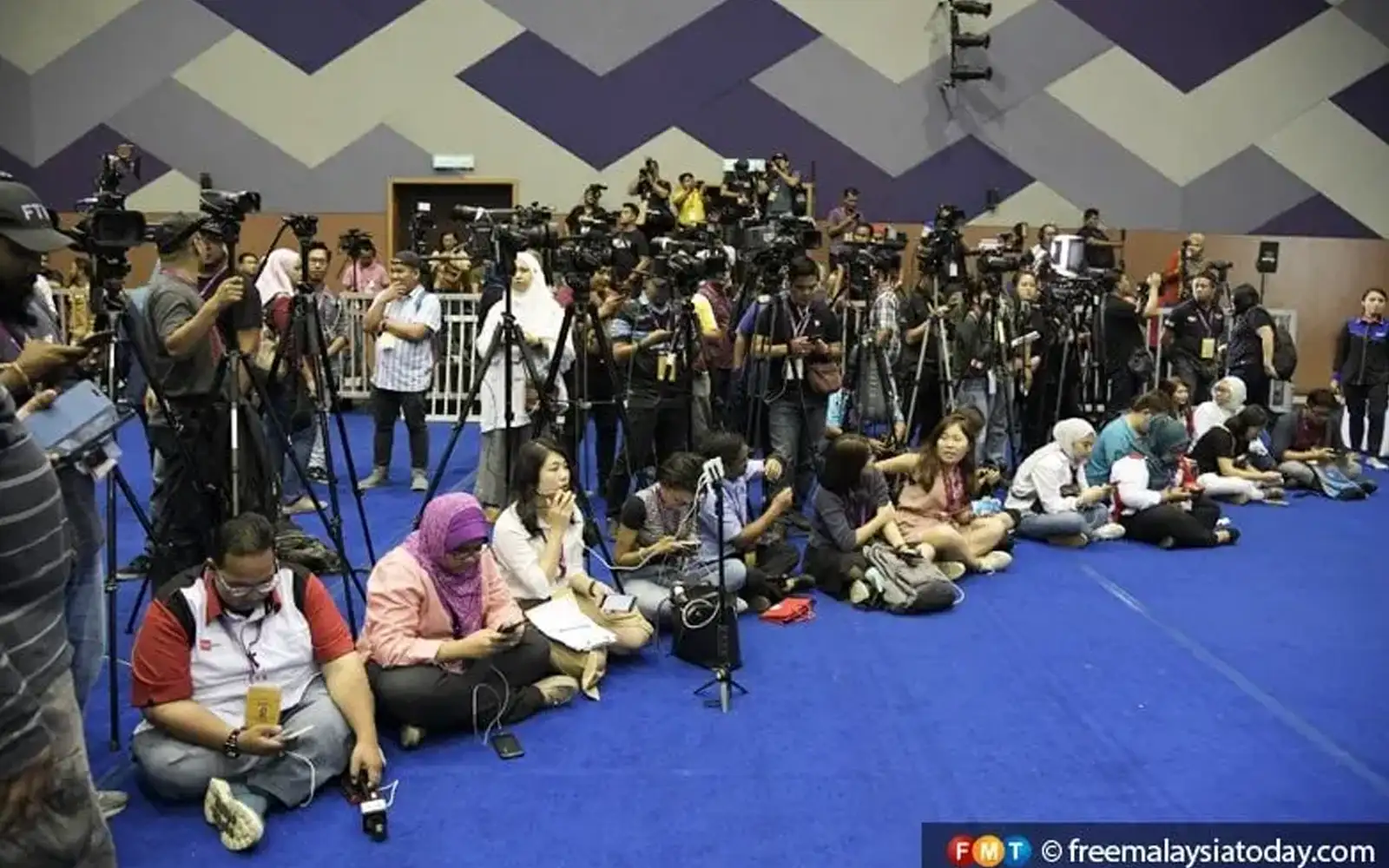 Prime Minister Anwar Ibrahim told the Dewan Rakyat that journalists should not be penalised simply because a complaint has been lodged against them.
PETALING JAYA: Prime Minister Anwar Ibrahim said complaints against journalists from media organisations will no longer result in automatic investigations or enforcement action, but must first be referred to the Malaysian Media Council (MMM).
He said the mechanism was introduced to ensure that action against media practitioners is fair, transparent and independent, and to prevent journalists from being subjected to investigations or prosecution without proper scrutiny.
According to Bernama, Anwar said journalists should not be penalised simply because a complaint has been lodged, adding that the MMM would serve as the first level of review before any action is taken.
“There is no law anywhere in the world that grants absolute freedom to members of the press.
“The prime minister and journalists alike are bound by the law. However, I agree that journalists should not be easily dragged into cases merely because a government department was criticised.
“We established the MMM to facilitate this process. If there is misconduct by a media organisation, the matter will first be referred to the MMM.
“It will no longer automatically lead to an investigation or prosecution, as the process now requires referral to the MMM before any action is taken,” he said during Ministers’ Question Time in the Dewan Rakyat today.
He was responding to Isam Isa (BN-Tampin), who asked about Putrajaya’s position on Malaysia’s legal framework, which allows journalists to be prosecuted under the Sedition Act 1948 and the Official Secrets Act 1972 – laws that critics argue indirectly restrict press freedom.
Factors for drop in World Press Freedom Index
Separately, Anwar said Malaysia’s decline in this year’s World Press Freedom Index was influenced by several international assessment indicators, including enforcement action against several media organisations.
However, he stressed that such action was not intended to curb press freedom or suppress political dissent, saying it was directed at content involving religion, race and the royal institution, as well as matters that could threaten national security.
He said cases involving Sin Chew Daily over the publication of an inaccurate illustration of the Jalur Gemilang, and Sinar Harian over the publication of the inspector-general of police’s biography, had contributed to Malaysia’s lower ranking.
“When action is taken against established media organisations, it immediately affects the press freedom index,” he said, in response to Ahmad Fadhli Shaari (PN-Pasir Mas) who asked about the factors behind Malaysia’s fall to 95th place in the index from 88th last year.
Another factor affecting Malaysia’s ranking was the removal of online content by social media platforms based on user complaints, rather than government directives, Anwar said.
He said this included his own posts related to Hamas, which were removed by social media platforms despite the government’s disagreement with the decision.
He also said requests by the Malaysian Communications and Multimedia Commission were not necessarily accepted by social media platforms, as the final decision lay with the respective platform operators.


You May Also Like

👨🏿🚀TechCabal Daily – A central bank joins PAPSS

EU Parliament Approves “Chat Control,” Extending Private Scans to 2028

INK Token Mining Ends July 30; HATN Token Begins on cPen Network 2026



