

SpaceX IPO: The Largest U.S. IPO Ever Is Three Weeks Away. Is the Market Ready?
TLDR
- SpaceX is set to list on the Nasdaq on June 12, targeting a $2 trillion valuation and raising $86.5 billion
- The IPO would be the largest in U.S. history, dwarfing Alibaba’s $21.8 billion raise in 2014
- Passive index funds are expected to absorb up to 48% of SpaceX’s public float
- Tesla is mentioned 87 times in the prospectus, with deep ties including shared chips, infrastructure, and AI projects
- Starlink generated $11.4 billion of SpaceX’s $15.5 billion in space and connectivity revenue in 2025
SpaceX is preparing to go public on June 12, listing on the Nasdaq at an expected valuation of up to $2 trillion. The company plans to raise around $86.5 billion, which would make it the largest U.S. IPO on record. For context, Alibaba raised $21.8 billion in 2014, and Facebook raised roughly $16 billion in 2012.
At that valuation, SpaceX would immediately rank among the most valuable companies in the world, sitting just behind Amazon.
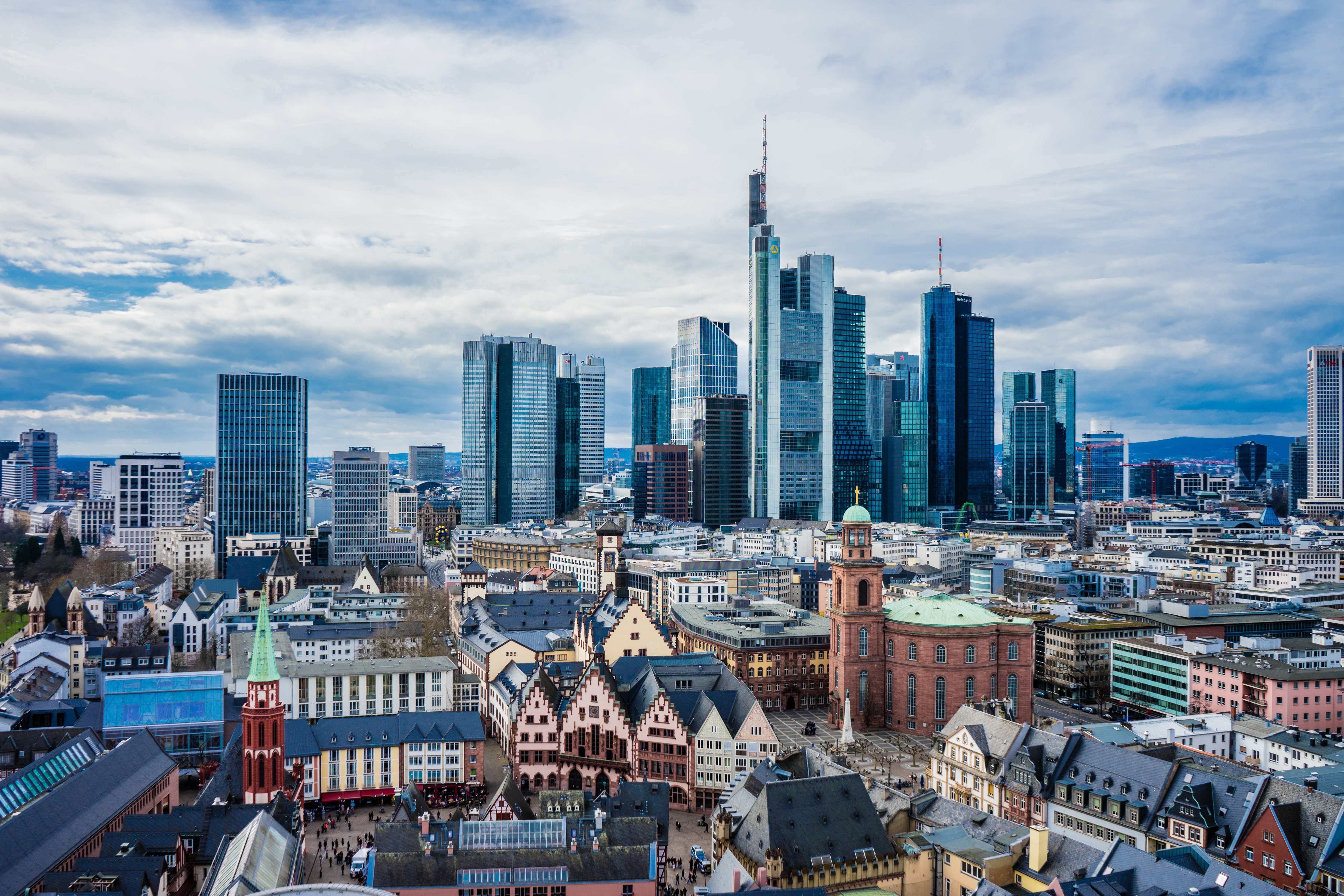
The listing arrives as U.S. markets have been on a strong run. The S&P 500 is approaching the 8,000-point mark, and the Nasdaq is closing in on 30,000. The S&P 500 has gained more than 16% in the second quarter alone.
How the IPO Could Pressure Markets
Not everyone is confident the market can absorb a deal this large without friction.
Rupert Mitchell of Blind Squirrel Macro, a former Goldman and Salomon executive, has warned there is no historical precedent for a capital raise of this size. He estimates investors will need to deploy around half a trillion dollars for the listing to be considered a success.
Mitchell calculates passive funds will absorb around $44 billion of the $86.5 billion raise. Index funds tracking the S&P 500, Nasdaq, and Russell 1000 are expected to take on around 48% of SpaceX’s public float combined, according to Bloomberg Intelligence.
That money has to come from somewhere. Analysts say cash flowing into SpaceX will likely mean cash flowing out of other liquid names already held in those indexes.
Jay Woods of Freedom Capital Markets pointed out that every retail investor holding an S&P 500 index fund in their retirement account would effectively become a SpaceX shareholder. SpaceX is currently unprofitable, with one person controlling 79% of the votes and a float of just 5%.
Woods said the index “wasn’t designed to do that,” adding it was built to reward companies that had already proven themselves through profitability.
What the Prospectus Reveals
The SpaceX IPO prospectus runs 380 pages and contains several details that go beyond what was previously known.
Tesla is not formally part of the IPO, but it appears 87 times throughout the document. The prospectus references shared chips, joint AI projects, and a chip manufacturing initiative involving Tesla and Intel called Terafab. SpaceX also mentions plans to “deepen our strategic collaboration with Tesla.”
SpaceX’s internal operating method, called “the Algorithm,” is a five-step process focused on cutting unnecessary parts, optimizing what remains, and only automating processes after the first four steps are complete. In 2024, a rival CEO publicly praised the resulting design of SpaceX’s Raptor engine.
Starlink Drives the Business
On the revenue side, Starlink is the clear engine of the company. The connectivity segment generated $11.4 billion of the $15.5 billion in combined space and connectivity revenue in 2025, up from $7.6 billion in 2024.
SpaceX’s AI division, which includes X and Grok, added $3.2 billion but posted an operating loss of $6.4 billion in 2025. Overall, SpaceX posted a net loss of $4.9 billion last year.
Looking ahead, SpaceX plans to begin deploying next-generation V3 Starlink satellites capable of one terabit-per-second download speeds in late 2026. In 2027, V2 Mobile satellites are set to expand its direct-to-cell service, which already reaches 7.4 million monthly devices across 30 countries.
Capital Economics chief market adviser John Higgins noted that not every major IPO has triggered a correction. But he described this year’s AI-era listings, including SpaceX, Anthropic, and OpenAI, as a genuine test of market strength.
The post SpaceX IPO: The Largest U.S. IPO Ever Is Three Weeks Away. Is the Market Ready? appeared first on CoinCentral.


You May Also Like
Cathie Wood’s ARK Invest Buys $13.7M in Circle Shares While Selling Robinhood Stock

The changing face of elder care in Malaysia — Sayed Mohammad Reza Yamani Sayed Umar

Not a loophole: Singapore AI export controls let China tap US AI legally



