

UK GDP Poised for Sharp Q1 Growth, but March Data Hints at Cooling Economy
BitcoinWorld
UK GDP Poised for Sharp Q1 Growth, but March Data Hints at Cooling Economy
The UK economy is on track to record a sharp expansion in the first quarter of 2025, driven by a rebound in services activity and robust consumer spending. However, early indicators for March suggest the pace of growth may be losing momentum, raising questions about the sustainability of the recovery.
Strong Start to 2025
Official data and business surveys point to GDP growth of around 0.5% to 0.7% for Q1, a significant acceleration from the 0.1% recorded in the final quarter of 2024. The services sector, which accounts for roughly 80% of UK economic output, has been the primary engine, with hospitality, retail, and professional services all reporting solid gains. Manufacturing has also contributed, albeit more modestly, as supply chain pressures eased and export demand stabilised.
The improvement follows a period of near-stagnation in the second half of 2024, when high interest rates and persistent inflation weighed on household budgets and business investment. The Bank of England’s decision to hold the base rate at 5.25% since August 2024, combined with easing energy costs, has provided some relief to consumers and firms.
March Data Raises Caution
Despite the strong quarterly headline, March’s high-frequency indicators—including purchasing managers’ indices, retail sales figures, and consumer confidence surveys—have shown a softening. The S&P Global UK Services PMI dipped to 51.2 in March from 53.5 in February, barely above the 50 threshold that separates expansion from contraction. Retail sales volumes fell 0.3% month-on-month, and the GfK Consumer Confidence Index edged lower.
Economists attribute the slowdown to several factors: lingering uncertainty ahead of the Spring Budget, renewed inflationary pressures from rising energy bills in April, and a gradual tightening of credit conditions as banks reassess risk. ‘The Q1 GDP print will look strong, but the underlying trajectory is clearly weaker,’ said James Murray, senior UK economist at Oxford Economics. ‘The risk is that the economy enters a soft patch in Q2.’
What This Means for Households and Businesses
For households, the mixed signals create an uncertain outlook. While wage growth has outpaced inflation in recent months, real disposable incomes remain below pre-pandemic levels. Mortgage holders face continued high borrowing costs, and renters are grappling with elevated housing expenses. Businesses, particularly in consumer-facing sectors, are reporting cautious investment plans and a reluctance to hire aggressively until demand visibility improves.
The government’s fiscal position also adds to the complexity. The Chancellor has limited room for tax cuts or spending increases given tight public finances, meaning any stimulus would likely be modest. Meanwhile, the Bank of England is expected to hold rates steady at its May meeting, waiting for clearer evidence that inflation is sustainably returning to the 2% target before considering cuts.
Conclusion
The UK economy appears to be at a crossroads. The sharp Q1 GDP growth provides a welcome boost, but the March data suggests the recovery may be losing steam. The coming months will test whether the expansion can broaden and become self-sustaining, or whether the economy is heading for another period of sluggishness. For now, the outlook remains finely balanced, with risks tilted to the downside.
FAQs
Q1: Why is UK GDP expected to grow sharply in Q1 2025?
The growth is driven by a strong rebound in the services sector, including hospitality, retail, and professional services, along with easing supply chain pressures and stabilised energy costs. Consumer spending has also improved as wage growth outpaced inflation.
Q2: What does the March data suggest about the economy?
March indicators, including PMIs, retail sales, and consumer confidence, point to a slowdown. The services PMI fell close to the contraction threshold, and retail sales declined, suggesting the early-year momentum may not be sustained.
Q3: How might this affect interest rates and household finances?
The Bank of England is likely to keep rates at 5.25% in the near term, waiting for clearer inflation signals. Households will continue to face high borrowing costs, and any rate cuts are not expected until late 2025 at the earliest. This means mortgage and loan payments will remain elevated.
This post UK GDP Poised for Sharp Q1 Growth, but March Data Hints at Cooling Economy first appeared on BitcoinWorld.


You May Also Like
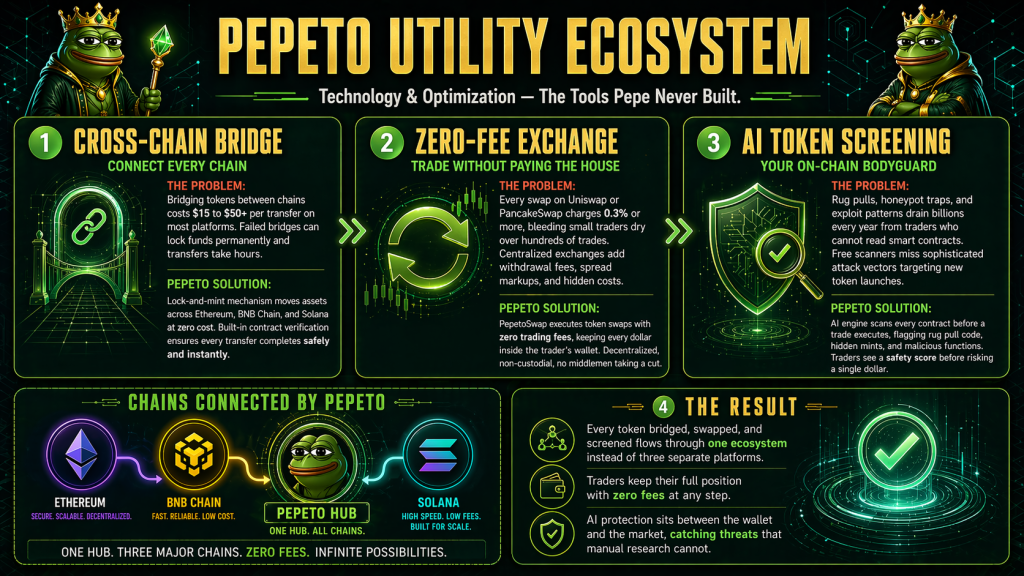
Which Are the Top 3 Cryptos to Buy Now as Solana Lands Mastercard and Pepeto Presale Nears Sold-Out Close
Ondas (ONDS) Stock Soars After Revenue Explodes Over 1,000% in Q1 2026




