NESR outlines bullish energy outlook after strong quarterly results
- Gulf states aim to boost energy security
- Diversifying export infrastructure amid war
- Customers maintain drilling and tenders
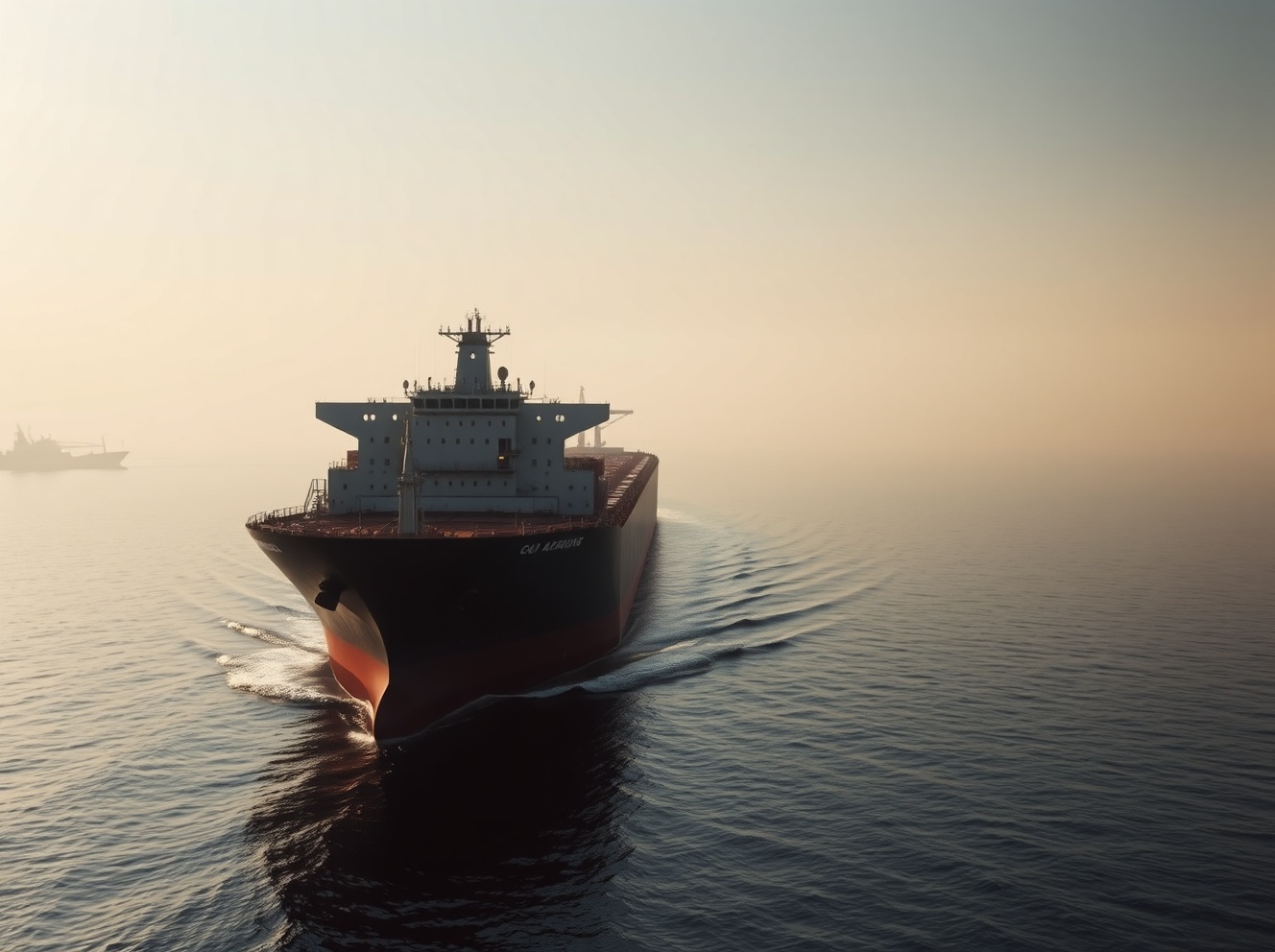
Middle East oil producers are accelerating investment plans despite regional conflict and shipping disruption, with Gulf states pushing ahead on major upstream expansion projects aimed at boosting energy security and diversifying export infrastructure.
Oilfield services company National Energy Services Reunited (NESR) said its customers across Saudi Arabia, the UAE, Kuwait and North Africa had maintained drilling activity and tender programmes even as geopolitical tensions disrupted logistics and trade routes across the region.
“The pipeline is still $3 billion,” chief executive Sherif Foda told analysts during the company’s earnings call on Monday, adding that some customers were likely to accelerate projects originally scheduled for later years.
The comments offer one of the clearest indications yet that Gulf oil producers are treating recent instability as a reason to invest more heavily in domestic capacity, gas development and export resilience rather than slow spending.
Saudi Arabia continues to ramp up work on its giant Jafurah unconventional gas project, the largest liquid-rich shale gas play in the Middle East with an estimated 200 trillion standard cubic feet of natural gas.
“I’m pleased to report both an acceleration in the overall project and also flawless execution with many more to come in the future,” Foda said.
Growth at Jafurah was supported by increased activity across Kuwait, Algeria, Libya and Egypt, Foda said, which partially offset lower activity in Oman and Iraq.
“We have limited exposure to places that have experienced the greatest disruption and [declared] force majeure such as the key LNG export hubs in Qatar,” he said.
Arabian Drilling Company, which drills for oil in the Arabian Gulf, on Sunday announced a 91 percent drop in Q1 profit compared to the first quarter of 2025, due to the suspension of offshore oil rigs.
“The bulk of our business is land-based and concentrated in the GCC countries that have shown remarkable resilience in keeping the upstream sector active,” Foda said.
In the UAE, he highlighted Adnoc’s recently announced $55 billion investment programme during the next two years.
“Definitely the lion’s share of the activities in Abu Dhabi goes to Adnoc and its affiliated company Adnoc Drilling, which is normal,” Foda said. “But there is a huge amount. We will be bidding on all these projects.”
Foda said Kuwait maintained a “robust” tender pipeline despite logistical pressures.
North Africa is also emerging as a growing strategic focus as European buyers seek additional gas supplies outside traditional routes. Foda said Algeria and Libya were increasing upstream activity and making use of existing pipeline infrastructure into Europe.
“Now is the time to increase spending to substantially increase production,” he said.
Further reading:
- Aramco expects oil woe until 2027 if no swift Hormuz resumption
- US warning on Hormuz ‘toll’ raises risk of sanctions
- UN Security Council hears IMO plan to reopen Hormuz
NESR reported record first-quarter revenue of $404.6 million, up 33.5 percent year on year.
The company said additional freight and logistics costs linked to the regional conflict had added about $4 million in expenses during the quarter as it moved equipment and supplies through alternative routes to avoid disruption.
Despite that, NESR maintained its full-year margin outlook and announced plans to launch a quarterly dividend alongside a $50 million share buyback programme.


You May Also Like

Tom Lee Predicts Ethereum Could Surge to $62,000 as Global Payment Infrastructure Evolves

BitGo Launches Revolutionary Institutional Stablecoin Service for Major Financial Players