

👨🏿🚀TechCabal Daily – Delivery Hero sell-down
Good morning.
Ten minutes of AI assistance is all it takes to dent your ability to think independently, according to new research from Carnegie Mellon University, the University of Oxford, MIT, and UCLA. In the study, participants who used a GPT-powered assistant had it taken away without warning for the final stretch of a maths test. Once on their own, they solved problems at a rate 20% lower than those who never had AI help, and were twice as likely to skip questions entirely. The same pattern showed up in reading comprehension. Most participants had simply asked the AI for direct answers rather than using it as a thinking aid, and when it disappeared, so did their problem-solving ability.
Get smarter about Francophone Africa with our newsletter, Francophone Weekly—the startups, tech policies, and institutions building the pipelines for ecosystem growth.
- Egypt’s Bosta delivers 75% returns for investors
- Naspers-owned Prosus sells additional Delivery Hero stake
- Kenya’s taxman wants access to taxpayer data
- Vodacom and MTN mobile money subscribers grow
- World Wide Web 3
- Opportunities
Logistics
Egyptian logistics startup Bosta just delivered a 75% return to its investors
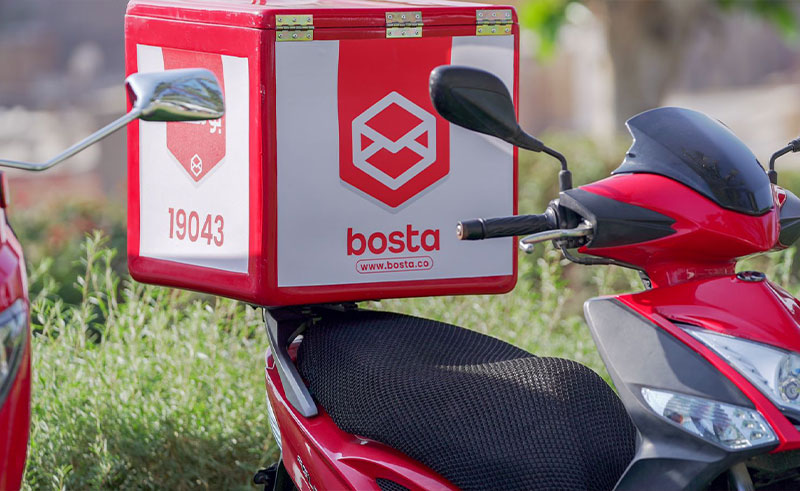 Image Source: Cairo Scene
Beltone Venture Capital and UAE-based Citadel International Holdings have exited their stake in Egyptian last-mile logistics company Bosta via their joint fund, booking a 75% internal rate of return (IRR). The buyer and deal value were not disclosed. However, Beltone will retain a separate undisclosed stake in Bosta through its own fund.
A 75% IRR—or any IRR figure at all—is not a number VCs typically shout about, which is what makes this disclosure unusual.
Egypt’s pound lost roughly 60% of its value against the dollar between 2022 and 2024, devaluing returns for investors who hadn’t priced for it. When Beltone and Citadel invested in Bosta in 2024, the worst of that was fading away, meaning that the 75% IRR was earned in roughly two years of growth in a market that was stabilising after Inflation. This is Beltone VC’s fifth exit since it launched in 2023 and the second from the Citadel joint fund.
Fawry, Egypt’s second-largest listed fintech, has held a stake in Bosta since 2017 and has reportedly said it intends to remain invested through the logistics company’s IPO. The unnamed buyer in the secondary is equally worth watching; paying at a 75% IRR suggests someone deliberately building a position before the public markets open.
Bosta’s cap table now includes a VC fund cashing out, a strategic fintech staying in, and an anonymous buyer stepping in, which says everything about how the company is being staged ahead of its planned $170 million listing on Egypt’s bourse later this year.
We Have Secured the Bank of Ghana EPSP Licence.

With our new Enhanced Payment Service Provider licence, we can help businesses collect, process and settle in cedis directly. Start here.
M&A
Prosus is selling its Delivery Hero stake, again
 Prosus: Delivery Hero stake for sale/Image Source: Tenor
Prosus, the Amsterdam-listed tech investment company controlled by South Africa’s Naspers, has agreed to sell another slice of its stake in Delivery Hero, a German food delivery giant.
In April, Prosus sold a 4.5% stake in Delivery Hero to Uber for around €270 million ($318 million). This time, it’s selling a 5% stake worth about €335 million ($395 million) to Hong Kong-based investment firm Aspex Management, continuing its sell-down in the European food delivery giant. This now leaves Prosus with 17% stake left in Delivery Hero.
State of play: Aspex Management has been one of the loudest shareholders pushing Delivery Hero’s management to sell weaker assets and consider leadership changes. By selling shares to Aspex, Prosus is strengthening the hand of one of Delivery Hero’s most vocal critics.
Why the double sell-down? But Prosus, under pressure to conform to European fair-play rules, may have had little choice in who it could sell to. In 2025, the Dutch-based investment company announced it was acquiring Just Eat Takeaway.com., an European food delivery platform. When the European Commission, the body responsible for proposing and enforcing EU law across all member states, approved the acquisition in August 2025, part of the agreement was that Prosus would reduce its equity stake in Delivery Hero to a single-digit percentage within 12 months of the approval. This is why these stake sales are happening back-to-back.
Expect more sell-downs: The sale will increase Aspex’s holding in Delivery Hero to about 14%, while reducing Prosus’s stake to about 17%, per Bloomberg. But Prosus still has roughly 8% left to offload if it wants to meet the European Commission’s single-digit ownership deadline before the 12-month window closes.
PalmPay – Built for Ambition. Built for You.
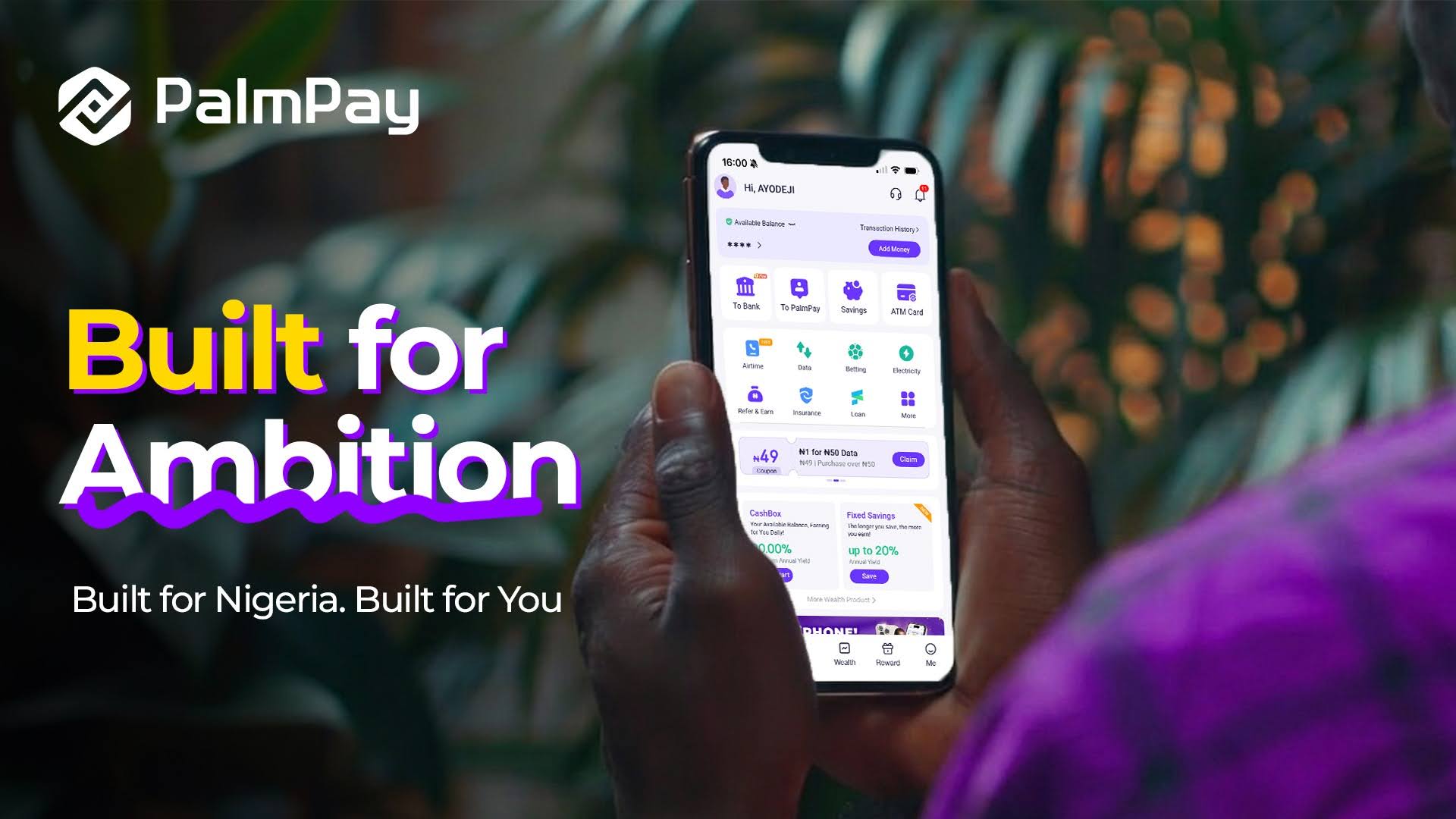
PalmPay is Built for Ambition. Built for Nigeria. Built for You. With over 35 million users and a 99.9% transaction success rate, PalmPay is making digital banking safer, simpler, and more reliable for everyday Nigerians. Download the app to learn more.
Policy
Kenya wants access to taxpayer data for tax collection
 Image source: Tenor
Kenya Revenue Authority (KRA), the country’s taxman, wants more visibility into how Kenyans earn and move money.
Under Kenya’s Draft Finance Bill (2026), released in May, the tax authority is proposing new legal rights that would allow it to rely on a much wider pool of personal and commercial data when calculating taxes and investigating possible tax avoidance.
What kind of info does the KRA want? The proposed Finance Bill (2026) allows Kenya’s taxman to draw on employer tax filings, withholding tax declarations, electronic Tax Invoice Management System (eTIMS) invoice records, audit findings, whistleblower submissions, and information shared by third parties or other government agencies when reviewing taxpayers.
The ghost of the 2024 Finance Bill: In 2024, a contentious finance bill sparked deadly nationwide protests and forced President William Ruto to withdraw the law entirely. In the two budget cycles since, successive finance bills have become more technocratic and data‑driven, shifting from headline tax hikes toward deeper surveillance of incomes and transactions as the country looks for ways to grow its tax take.
What this changes: If passed, the bill would shift Kenya from self-declared tax returns to a system where the KRA cross-checks your income against the digital trail you already leave behind.
Other proposals in the draft: The draft Finance Bill (2026) also proposes a 25% excise duty on smartphones and communication equipment imports, which could make devices more expensive.
The motivation? The National Treasury is seeking to raise an additional KES 201 billion ($1.6 billion) in taxes in the upcoming fiscal year, piling further pressure on an already stretched tax base.
80% faster. Nigeria’s first FlexSteel pipeline.

Kenyon International has disrupted offshore engineering by deploying Nigeria’s inaugural FlexSteel underwater pipeline at OML 123. The project achieved an 80% duration reduction versus traditional methods, restoring production in record time. Read more.
TECHCABAL 4.0
TC Insiders are reading something you’re not. Gated exclusives and deeper analysis—available only to Insiders. Free to join.
Mobile Money
Vodacom’s fintech arm is a mega-machine with 100 million customers
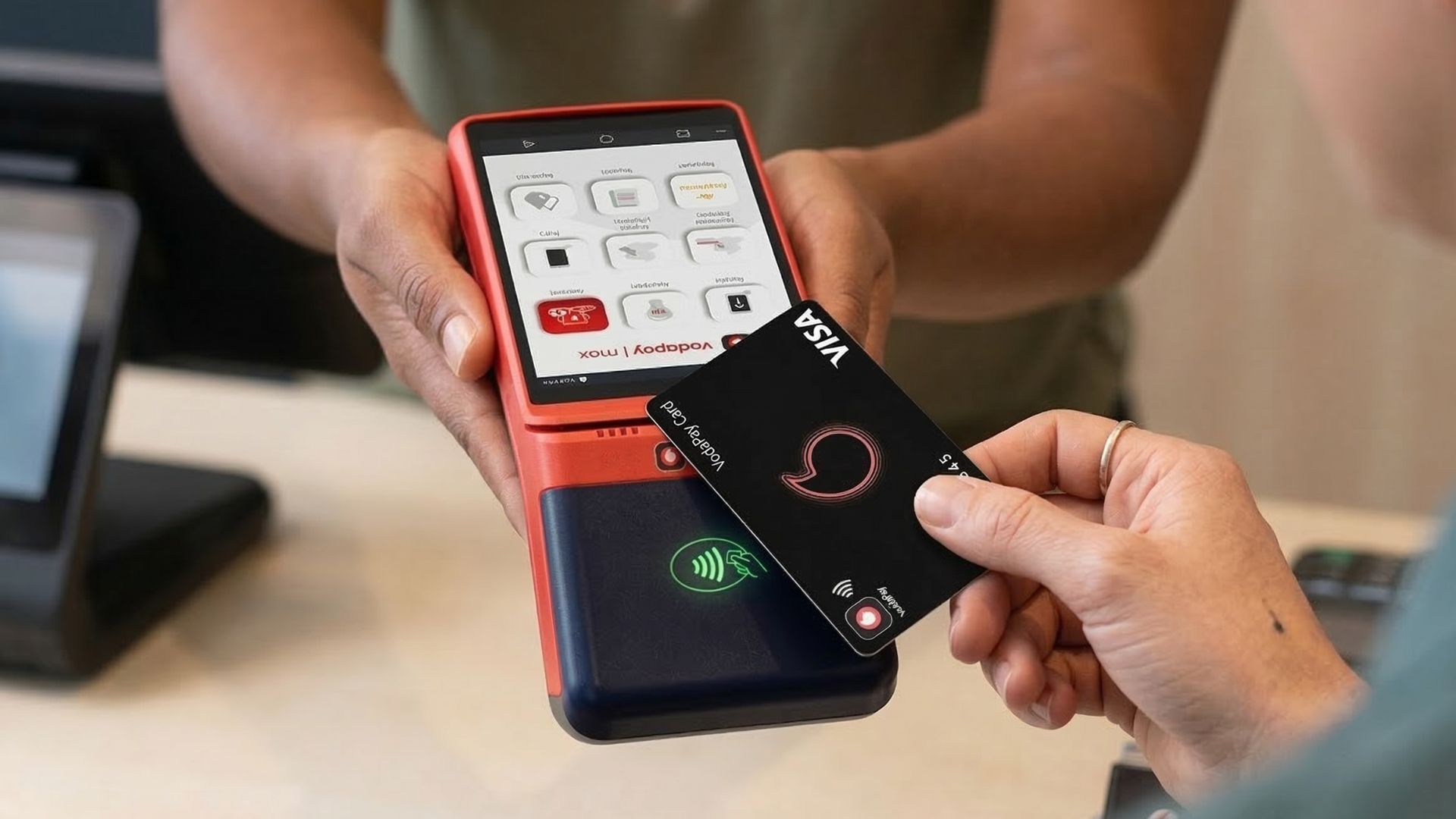 Vodacom’s VodaPay card and PoS in use. Image Source: MyBroadBand
Vodacom, South Africa’s largest telecom operator by subscribers, has crossed 100 million mobile money customers, a milestone that would have seemed impossible a decade ago for a company whose core business was selling airtime.
Its mobile money platforms, which include M-PESA in Kenya, Tanzania, Mozambique, and Egypt, and VodaPay in South Africa, processed R 9.6 trillion ($525.6 billion) in transactions in the year to March 2026, up by 16.6%. Vodacom’s group revenue hit R 167.7 billion ($9.2 billion), up 10.1%.
Fintech now contributes nearly 20% of group service revenue, and Vodacom has revised its 2030 target upward, from 75 million financial services customers to 120 million.
The same story is playing out across the continent, even in smaller markets. MTN Rwanda returned to profit in Q1 2026, posting RWF 10.8 billion ($6.8 million) in profit after tax, reversing a loss from the same period last year. MTN’s mobile money MoMo recorded a 27.6% revenue jump, while mobile money users grew to 5.9 million in Rwanda.
Fintech alone now accounts for nearly half of MTN’s total service revenue in Rwanda. The pattern holds everywhere for both telcos: voice revenue is declining, and data and mobile money are the engines. Vodacom CEO Shameel Joosub said it plainly: voice is going the way of SMS.
African telcos built their networks to connect people by phone. They are now processing significant transaction volumes while serving customers that formal banks never reached, pointing to a deeper unlock in mobile money across East and Southern Africa. Yet, telco-owned platforms still haven’t figured out the same scale in West Africa, especially Nigeria, where the numbers are smaller.
Nigeria’s Sports Marketing Intelligence Report 2025

A football conversation no longer ends at the final whistle. It continues online, in culture, and in consumer behaviour. The Brila Sports Marketing Intelligence Report 2025 explores how brands can truly connect with today’s sports audience. Download the report here.
CRYPTO TRACKER
The World Wide Web3
Source:

|
Coin Name |
Current Value |
Day |
Month |
|---|---|---|---|
| Bitcoin | $81,197 |
+ 0.42% |
+ 13.52% |
| Ether | $2,310 |
– 0.97% |
+ 4.51% |
| BUILDon | $0.6255 |
+ 60.29% |
+ 281.19% |
| Solana | $96.32 |
+ 1.18% |
+ 17.32% |
* Data as of 06.30 AM WAT, May 11, 2026.
Moonshot is back!

Moonshot 2026 is coming! Join us at the National Theatre, Lagos on October 28 & 29 for two days of tech and innovation. Grab your early bird tickets now and get 15% off.
Opportuinities
- The Stellar Development Foundation has launched its first accelerator programme targeting Europe, the Middle East, and Africa, partnering with blockchain venture firm CV Labs to back ten early-stage startups building payments infrastructure, tokenised assets, and decentralised finance applications. The 12-week programme, beginning August 2026, will run primarily remotely but includes an on-site component in Cape Town and concludes with a demo day at Stellar’s Meridian conference in Lisbon in October. Each selected startup can receive up to $150,000 in XLM, Stellar’s native token, in initial funding. Apply by July.
- The Future Investment Initiative Institute (FII), in partnership with MIT Solve, has launched the 2026 FII Innovators Pitch, inviting startups building with AI and frontier technologies to apply. The programme targets solutions across sustainability, healthcare, AI & robotics, and education. Selected startups will pitch live at the 10th Future Investment Initiative in Riyadh, Saudi Arabia, this October (all expenses covered) and join the FII Ventures Programme, gaining access to investors, policymakers, and global partners to support their growth. Apply here.
- Google and UpSkill Universe have partnered to relaunch Hustle Academy, now offering free AI and business training to individuals and small businesses across Africa. The programme features 60-minute expert-led webinars and 1-day bootcamps (3–5 hours), covering digital marketing, e-commerce, business strategy, financial management, and AI tools. Open to students, jobseekers, entrepreneurs, and past applicants, it provides practical, hands-on skills that can be immediately applied to grow careers or businesses. Apply here.
- Google for Startups: Africa, a three-month hybrid accelerator for growth-stage startups on the continent, is now accepting applications. The accelerator will provide equity-free support for the duration of the programme, mentorship, training, cloud credits, and access to Google’s AI products. Apply here.
- Follow the Money: Three of Nigeria’s biggest banks lost $1.56 million to fraud in 2025
- Ask An Investor: ABAN says Africa’s startup funding recovery is “more grounded” than previous peaks
- Vodacom paid nearly twice book value for its Maziv stake
Written by: Zia Yusuf and Opeyemi Kareem
Edited by: Emmanuel Nwosu and Ganiu Oloruntade
Want more of TechCabal?
Sign up for our insightful newsletters on the business and economy of tech in Africa.
- The Next Wave: futuristic analysis of the business of tech in Africa.
- Francophone Weekly by TechCabal: insider insights and analysis of Francophone’s tech ecosystem
P:S If you’re often missing TC Daily in your inbox, check your Promotions folder and move any edition of TC Daily from “Promotions” to your “Main” or “Primary” folder and TC Daily will always come to you.



You May Also Like

Trump hit with loss as court declines to rehear lawsuit against key presidential enemies

Red state judges could be ousted for not cooperating with ICE under new law




