

Is this the end of the recording studio? Inside Suno’s 7-million-song-a-day AI revolution
The value of the global recorded music industry reached $31.7 billion in 2025. Up 6.4% year-over-year, this marks the industry’s 11th straight year of growth, driven largely by streaming. Analysts project the broader music market, including live, publishing, and sync (placing music in film and TV), to surge to around $130–200 billion by 2030–2035. Yet a quieter revolution is underway: generative AI music, led by Suno.
Valued at roughly $570 million in 2024, this sector is forecast to hit $2.8 billion by 2030 at a blistering 30%+ compound annual growth rate (CAGR). By 2028, AI-generated tracks could claim 20% of streaming platform revenue and 60% of B2B music libraries, potentially cannibalising up to 24% of traditional creators’ income.
For thousands of musicians previously locked out by cutthroat competition, sky-high studio costs, or lack of industry connections, this surge isn’t disruption. It is deliverance. AI tools slash entry barriers, turning bedroom dreamers into prolific producers overnight.
 Suno
Suno
No more saving for expensive gear, booking costly studio sessions, or waiting for label gatekeepers. Passion meets possibility. Even a “non-musician” with passion for music and talent can now generate a full Afrobeats album or any other genre in a day without a single physical instrument, provided they have access to the Internet. The economic shift redistributes opportunity: what was once gated by money and networks is now accessible for the price of a monthly subscription.
Suno democratises music – generates 7 million songs daily
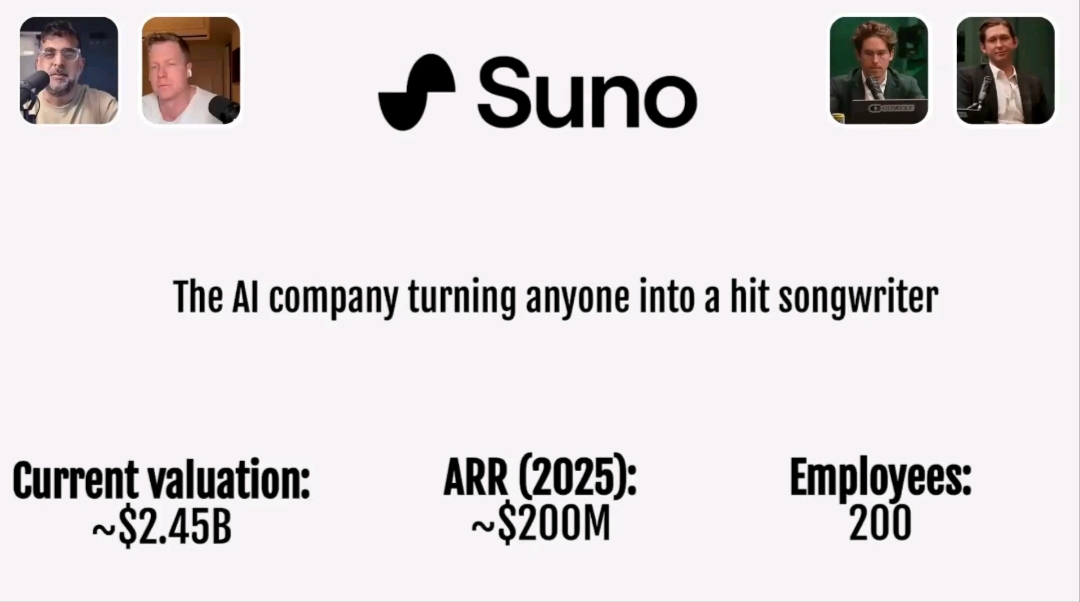
At the forefront of this shift is Suno. On February 27, 2026, CEO Mikey Shulman announced 2 million paid subscribers and $300 million in annual recurring revenue, up 50% in just three months. The platform now generates 7 million songs daily, recreating Spotify’s entire 100-million-track catalogue every two weeks. Founded in 2022, Suno has raised $375 million and reached a $2.45 billion valuation with only 200 employees. Its v5.5 model delivers “insanely good” results, layered vocals, coherent structures, and genre-blending flair that blur the line between human and machine. Rival Udio is close behind, but Suno’s scale and user growth have set the pace.
Recognising this democratised reality, major labels like Warner and Universal have evolved. After initial lawsuits alleging unlicensed training data, they have settled and partnered with Suno and its rivals. They are betting that AI expands the pie through new sync deals, remixes, and fan-generated content. As the industry grapples with this new reality, the reaction can be viewed through three distinct lenses.
Optimists hail the renaissance. Everyday musicians, long sidelined by competition or funding gaps, now co-create with AI as a tireless collaborator. YouTubers score videos instantly; aspiring artists release full albums without a budget. Timbaland and others publicly champion it for rapid ideation.
One creator described generating a polished D&B track in under a minute, something impossible a few years ago. For the previously locked out, this means real income streams: background music for podcasts, custom tracks for social media, or even direct-to-fan releases that bypass traditional gatekeepers entirely.
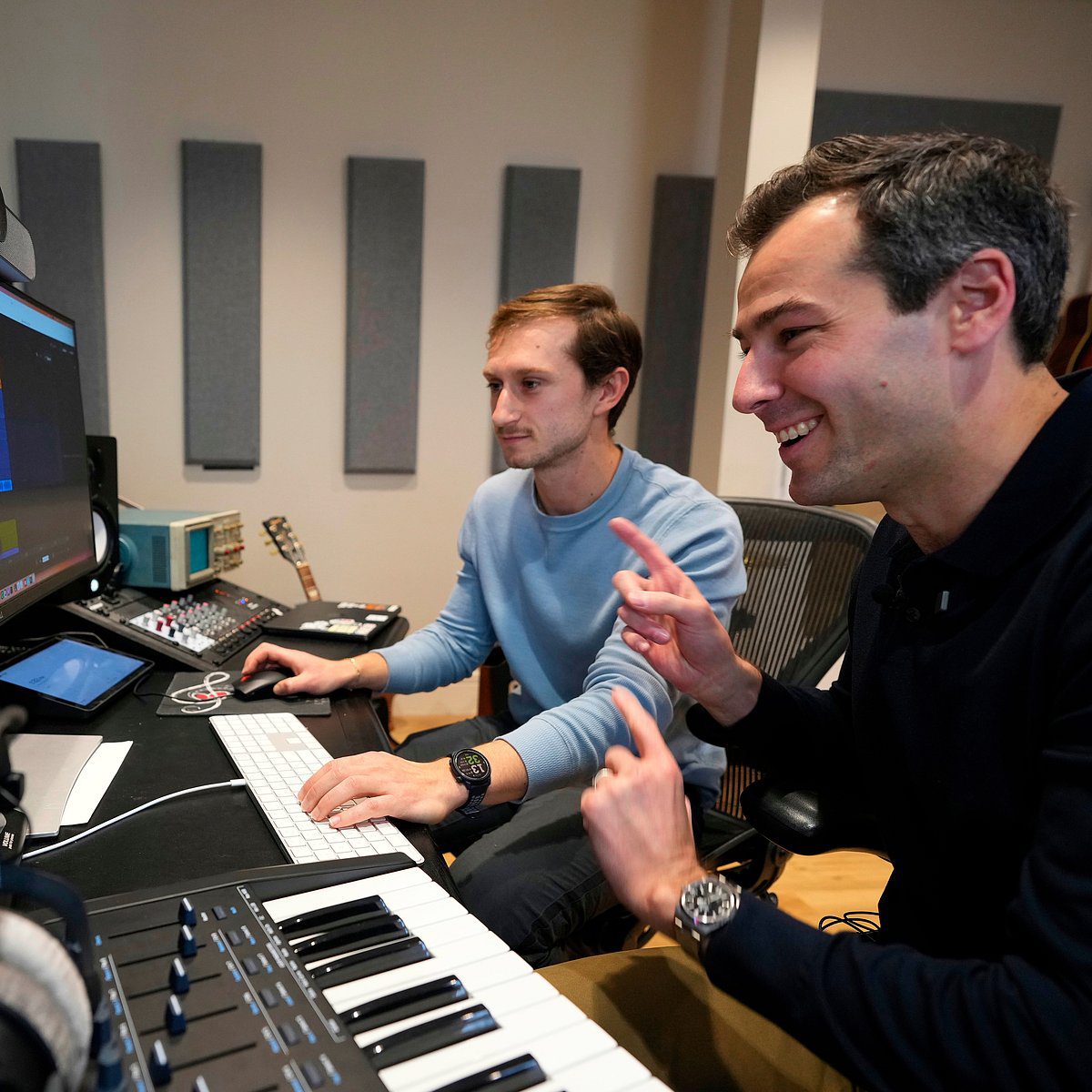 Mikey Shulman, founder and CEO of Suno, right, and research scientist Christian Steinmetz, collaborate on creating a song – Associated Press
Pessimists fear dilution. Professional songwriters and Grammy winners worry “slop” floods catalogues, erodes royalties, and devalues craft. Say No To Suno campaigns continue, with open letters warning that AI could wipe out the middle class of working musicians. Yet even critics acknowledge the tech’s quality leap, conceding that the genie is out of the bottle.
Realists zero in on attention as the new scarcity. With infinite supply, discovery, not creation, determines success. Curation, personal branding, and live experiences become premium. Suno’s pitch envisions a full ecosystem: create, share, and stream. The winners will be those who master taste-making in a sea of 7 million daily tracks.
Other related articles:
With SongDis, Melody Nehemiah aspires to be the Don Jazzy for independent artistes
Can Africa’s next hit song be AI-generated? KorinAI wants to make that possible
Second-order effects ripple outward. Streaming catalogues bloat further, intensifying algorithmic battles and making organic discovery rarer. Sync licensing pivots to affordable AI filler for ads, games, and elevators, creating new revenue pools that locked-out creators can tap. Culturally, human-certified tracks may command vinyl-like premiums, rewarding authenticity and storytelling. For the previously excluded, the upside is immediate: tools once reserved for the connected few are now cheap and ubiquitous.
Suno proves consumer AI has matured. The industry won’t die; it will evolve. Those previously shut out now hold the keys. The top 1% (human, AI-assisted, or hybrid) will always thrive on emotion and storytelling no algorithm fully replicates. Everyone else adapts: embrace the tools, amplify authenticity, and meet audiences where they are, on streaming platforms, social feeds, or live stages.
The post Is this the end of the recording studio? Inside Suno’s 7-million-song-a-day AI revolution first appeared on Technext.


You May Also Like

AI predicts XRP price for April 30, 2026

Robotics Automation Prototyping: Engineering Kinetic Agility into End-Effectors

Cryptocurrency scam losses hit $56.8 million in Texas! What are officials doing in response?



