

Australian Dollar Underperforms as Iran’s Stunning Rejection Delays Peace Talks
BitcoinWorld
Australian Dollar Underperforms as Iran’s Stunning Rejection Delays Peace Talks
The Australian Dollar faces significant pressure in global markets as diplomatic setbacks in the Middle East create unexpected headwinds for the commodity-linked currency. In Sydney trading sessions this week, the AUD/USD pair dropped to three-month lows following Iran’s Foreign Ministry announcement that peace negotiations remain “premature and conditional.” This development immediately triggered risk-off sentiment across Asian financial markets, particularly affecting currencies tied to global growth expectations.
Australian Dollar Underperformance in Global Context
Currency analysts observed pronounced weakness in the Australian Dollar throughout Asian trading sessions. The AUD/USD pair declined 0.8% to 0.6520, marking its weakest position since early February. Meanwhile, the Australian Dollar showed similar underperformance against other major currencies, including a 0.6% drop against the Japanese Yen and a 0.7% decline versus the Euro. This broad-based weakness suggests market participants are reassessing risk exposure amid renewed geopolitical uncertainty.
Several factors contributed to this movement. First, Iran’s diplomatic position directly impacts global energy markets, where Australia maintains significant export exposure. Second, safe-haven flows strengthened the US Dollar as investors sought stability. Third, reduced expectations for near-term Middle East resolution diminished optimism about global trade flows. Consequently, market volatility indicators spiked across currency derivatives.
Geopolitical Developments and Market Reactions
Iran’s Foreign Ministry spokesperson made the critical announcement during a press briefing in Tehran on Tuesday. The official stated that current conditions “do not permit substantive dialogue” and emphasized several prerequisites for future negotiations. This position represents a notable shift from earlier indications that suggested potential diplomatic openings. Regional analysts immediately interpreted the statement as reflecting internal political dynamics within Iran’s leadership structure.
Global markets responded with characteristic sensitivity to Middle East developments. Brent crude oil futures initially surged 2.1% before paring gains. Gold prices advanced as traditional safe-haven assets attracted capital. However, the most pronounced reactions occurred in currency markets, where growth-sensitive currencies like the Australian Dollar faced disproportionate selling pressure. The timing proved particularly challenging for Australian markets, coinciding with domestic economic data releases.
Expert Analysis of Currency Dynamics
Dr. Eleanor Chen, Senior Currency Strategist at Sydney Financial Institute, provided context about the Australian Dollar’s sensitivity. “The AUD has historically functioned as a proxy for global risk sentiment,” she explained. “When geopolitical tensions escalate in oil-producing regions, markets immediately price in potential disruptions to global trade and growth. Australia’s export-oriented economy becomes particularly vulnerable to these reassessments.”
Chen further noted that currency movements reflected compounding factors. “We’re observing a convergence of influences,” she stated. “The geopolitical development coincides with concerns about China’s economic momentum and shifting expectations about global interest rate trajectories. However, the Iranian announcement clearly served as the catalyst for today’s pronounced moves.”
Historical Patterns and Comparative Performance
The Australian Dollar’s reaction follows established patterns during previous Middle East tensions. Analysis of historical data reveals consistent underperformance during similar geopolitical events:
| Event | AUD/USD Change | Timeframe | Primary Driver |
|---|---|---|---|
| 2019 Gulf Tensions | -1.2% | 3 trading days | Oil supply concerns |
| 2022 Nuclear Deal Delays | -0.9% | 2 trading days | Diplomatic uncertainty |
| Current Development | -0.8% | 1 trading day | Peace talk postponement |
Comparative analysis shows the Australian Dollar underperformed other commodity currencies during the recent session. The Canadian Dollar declined only 0.4% against the US Dollar, while the Norwegian Krone fell 0.5%. This differential performance highlights Australia’s particular exposure to Asian trade flows and China’s economic conditions, which markets perceive as vulnerable to Middle East disruptions.
Economic Implications for Australia
The currency movement carries several economic implications for Australia. A weaker Australian Dollar typically produces mixed effects across different sectors:
- Export Advantage: Australian mining and agricultural exporters benefit from increased competitiveness
- Import Costs: Consumers face higher prices for imported goods and overseas travel
- Inflation Pressure: The Reserve Bank of Australia monitors currency-driven inflation carefully
- Investment Flows: Foreign direct investment may adjust to currency valuation changes
Market participants now watch several indicators for directional signals. First, upcoming Australian employment data may influence domestic monetary policy expectations. Second, China’s economic indicators remain crucial given trade relationships. Third, further diplomatic developments will determine whether current currency levels represent temporary adjustments or establish new trading ranges.
Reserve Bank of Australia Monitoring
The Reserve Bank of Australia maintains vigilant monitoring of currency markets. While the central bank typically avoids direct currency intervention, officials acknowledge exchange rate influences on monetary policy. Current economic conditions present particular challenges, as the RBA balances inflation management with growth support. A sustained Australian Dollar depreciation could complicate this balancing act by potentially increasing imported inflation.
Former RBA economist Michael Richardson commented on the policy implications. “The geopolitical dimension introduces additional uncertainty into an already complex policy environment,” he noted. “While the RBA’s primary focus remains domestic indicators, significant currency movements inevitably factor into their assessment of financial conditions and inflation outlook.”
Global Market Interconnections
The Australian Dollar’s reaction demonstrates deepening interconnections across global financial markets. Several transmission channels amplified the initial geopolitical development:
Risk Sentiment Channel: Investors reduced exposure to growth-sensitive assets globally, affecting multiple asset classes simultaneously. Commodity Price Channel: Oil market reactions immediately influenced currencies of commodity-exporting nations. Safe-Haven Flow Channel: Capital moved toward traditional safe assets, strengthening the US Dollar and Japanese Yen. Carry Trade Channel: Investors unwound positions in higher-yielding currencies like the Australian Dollar.
These interconnected reactions highlight how localized geopolitical developments now produce immediate global financial consequences. Digital trading platforms and algorithmic systems accelerate these transmissions, creating near-instantaneous market adjustments to news developments anywhere in the world.
Forward Outlook and Monitoring Points
Currency analysts identify several monitoring points for assessing future Australian Dollar direction. Diplomatic communications from Middle East capitals will receive particular scrutiny. Additionally, energy market developments may either amplify or mitigate current currency pressures. Finally, broader risk sentiment across global equity markets will influence capital flows toward or away from growth-sensitive currencies.
Technical analysts note important support levels for the AUD/USD pair. The 0.6500 psychological level represents immediate support, with more substantial support around 0.6450. Resistance appears at recent highs near 0.6600. Breakthroughs in either direction would signal potential trend developments beyond current geopolitical reactions.
Conclusion
The Australian Dollar demonstrates notable sensitivity to geopolitical developments, particularly those affecting global growth expectations and energy markets. Iran’s position on peace talks triggered immediate risk reassessment, resulting in pronounced Australian Dollar underperformance. Market participants now monitor multiple factors, including diplomatic developments, commodity prices, and broader risk sentiment. The currency’s trajectory will reflect both geopolitical developments and fundamental economic conditions, highlighting the complex interconnections in modern global finance.
FAQs
Q1: Why does the Australian Dollar react to Middle East geopolitical developments?
The Australian Dollar functions as a risk-sensitive currency tied to global growth expectations. Middle East tensions affect oil prices and trade flows, influencing Australia’s export-oriented economy and investor risk appetite.
Q2: How significant was the Australian Dollar’s movement following Iran’s announcement?
The AUD/USD declined 0.8% to three-month lows, underperforming other commodity currencies and reflecting particular sensitivity to the development.
Q3: What economic sectors in Australia benefit from a weaker currency?
Export-oriented sectors including mining, agriculture, and education services typically benefit from increased international competitiveness when the Australian Dollar depreciates.
Q4: How does the Reserve Bank of Australia view currency movements?
The RBA monitors exchange rates as one factor influencing inflation and economic conditions but generally avoids direct intervention, focusing instead on interest rate policy.
Q5: What should investors monitor regarding future Australian Dollar direction?
Key factors include Middle East diplomatic developments, global risk sentiment, commodity price movements, and domestic Australian economic data releases.
This post Australian Dollar Underperforms as Iran’s Stunning Rejection Delays Peace Talks first appeared on BitcoinWorld.


You May Also Like
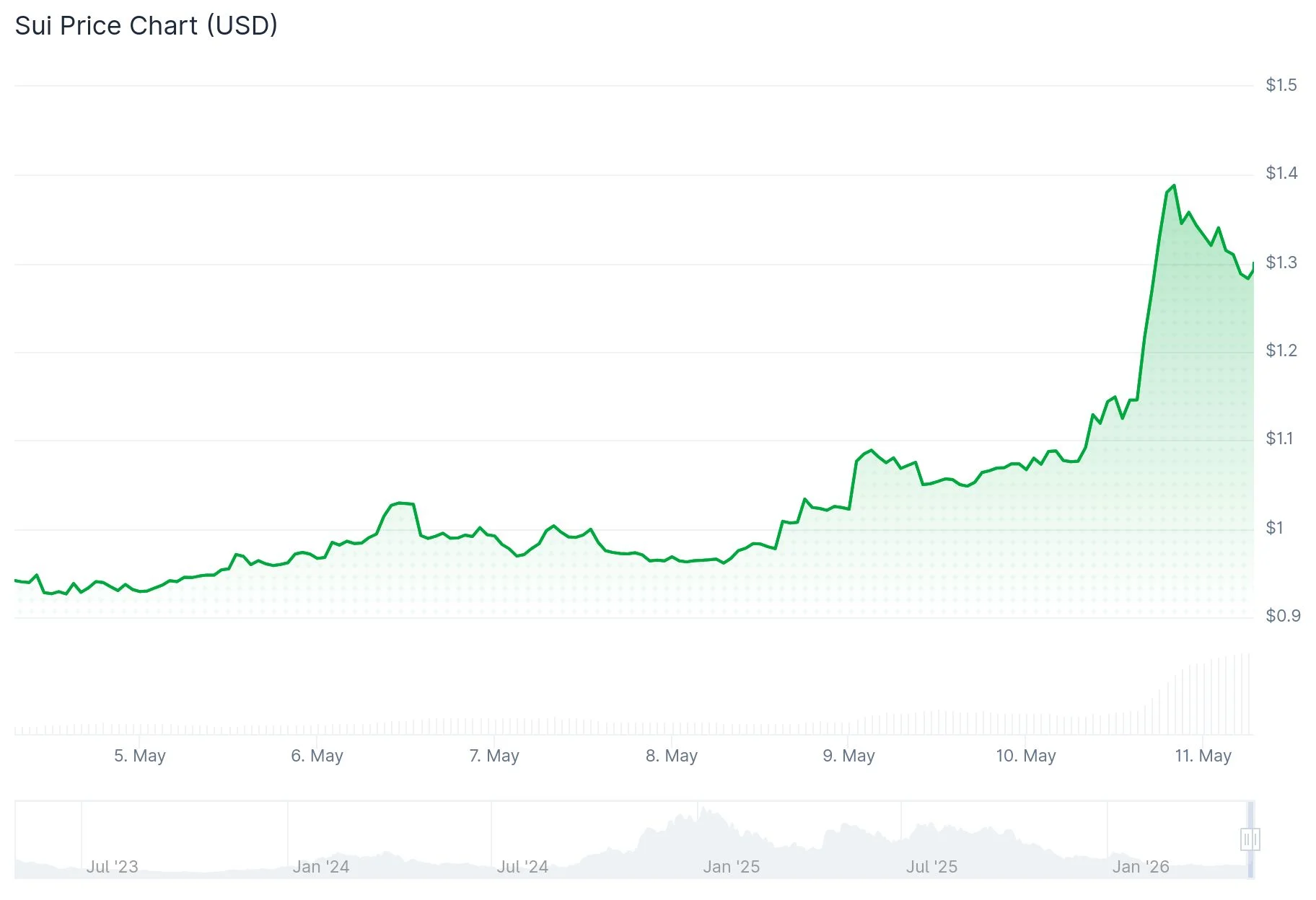
Sui (SUI) Token Rockets 50% Weekly on Institutional Staking and Privacy Tech Rollout

UK backs World Bank’s $1bn funding for Egypt




