

Blockchain Capital Stakes $13.8M in ETH: A Strategic Bet on Ethereum’s Future
BitcoinWorld
Blockchain Capital Stakes $13.8M in ETH: A Strategic Bet on Ethereum’s Future
In a significant move signaling renewed institutional confidence, Blockchain Capital has staked 6,400 ETH, valued at approximately $13.82 million. This transaction, reported by blockchain analytics firm Lookonchain, represents the venture capital firm’s first major Ethereum staking activity in over two years. The action provides a compelling data point for analyzing institutional sentiment toward Ethereum’s proof-of-stake consensus mechanism and its long-term economic viability.
Blockchain Capital’s $13.8 Million Ethereum Staking Move
On-chain data reveals a substantial deposit from an address linked to Blockchain Capital into Ethereum’s staking contract. This deposit of 6,400 ETH occurred approximately three hours before Lookonchain’s public report. Consequently, this activity marks a definitive shift from a period of relative staking inactivity by the firm. The transaction’s size immediately captures market attention. Furthermore, it prompts analysis of the strategic timing behind this capital deployment.
Blockchain analytics platforms like Lookonchain track wallet movements by associating addresses with known entities. They use patterns of historical transactions and funding sources. The firm has not issued an official statement regarding this specific transaction. However, the on-chain evidence is publicly verifiable and transparent. This transparency is a foundational principle of Ethereum’s blockchain architecture.
Institutional Staking and the Ethereum Ecosystem
Ethereum completed its transition from proof-of-work to proof-of-stake in September 2022. This event, known as “The Merge,” fundamentally changed how the network secures itself and validates transactions. Validators now must stake a minimum of 32 ETH to participate. They earn rewards for proposing and attesting to new blocks. Institutional players like Blockchain Capital typically operate multiple validators or use staking service providers.
The staking landscape has evolved dramatically since Blockchain Capital’s last recorded major stake two years ago. Key developments include:
- Rise of Liquid Staking Tokens (LSTs): Protocols like Lido and Rocket Pool offer staked ETH derivatives, providing liquidity.
- Regulatory Clarity: Guidance from bodies like the SEC has begun shaping how institutions approach staking services.
- Infrastructure Maturation: Enterprise-grade staking infrastructure from firms like Coinbase Custody and Figment has improved.
- Yield Stabilization: Staking rewards have settled into a more predictable range post-merge.
This context makes Blockchain Capital’s direct stake noteworthy. It suggests a preference for direct network participation or a specific custody arrangement.
Analyzing the Strategic Timing
Market analysts often scrutinize the timing of large institutional moves. Several concurrent factors in the Ethereum ecosystem could inform this decision. First, the successful implementation of multiple network upgrades, like Dencun, has reduced layer-2 transaction costs significantly. Second, the potential approval of spot Ethereum ETFs in the United States looms on the regulatory horizon. This approval could increase mainstream capital inflows.
Third, the staking yield remains an attractive source of passive yield in a traditional financial environment where interest rates may be plateauing. The table below outlines key Ethereum staking metrics relevant to an institutional decision:
| Metric | Detail | Institutional Relevance |
|---|---|---|
| Current Staking APR | ~3-4% | Provides a yield component to asset holding |
| Total ETH Staked | Over 32 million ETH | Indicates high network security and participation |
| Withdrawal Queue | Functioning smoothly | Ensures liquidity is accessible, reducing lock-up risk |
| Validator Activation Queue | Minimal to none | Allows for immediate capital deployment |
Therefore, the current environment presents a technically stable and economically rational entry point for additional staking. Blockchain Capital’s move aligns with this data-driven perspective.
The Impact on Market Perception and Venture Strategy
Blockchain Capital is a seminal venture firm in the crypto sector. Its investment thesis and capital allocation are closely watched. A $13.8 million stake, while a portion of its portfolio, sends a strong signal. Primarily, it demonstrates a continued commitment to Ethereum as a foundational platform. Additionally, it shows a willingness to engage directly with the network’s consensus mechanism for yield.
This action differs from simply holding ETH on a balance sheet. Staking requires a technical commitment and an acceptance of the slashing risk for validator misbehavior. It indicates a long-term holding horizon. For other institutional allocators, this may serve as a validation of staking’s operational security and economic model. The firm’s two-year pause prior to this move also invites analysis. It potentially reflects a period of observation post-merge, waiting for the proof-of-stake system to prove its resilience and for staking services to mature.
Evidence of Broader Institutional Trend
Blockchain Capital’s stake is not an isolated event. It fits within a broader trend of institutional engagement with crypto-native activities like staking. Traditional finance giants have launched staking offerings for clients. Moreover, publicly traded companies have added staked ETH to their treasury strategies. This move by a pure-play crypto venture firm reinforces that trend from within the industry itself. It provides evidence that sophisticated crypto investors are leveraging core protocol functionalities beyond mere speculation.
Conclusion
Blockchain Capital’s decision to stake $13.8 million in ETH is a multifaceted strategic action. It reinforces Ethereum’s proof-of-stake security model, expresses long-term confidence in the network, and seeks yield from a core holding. This move, breaking a two-year staking hiatus, likely reflects a calculated assessment of improved infrastructure, regulatory landscape, and network maturity. As a result, it stands as a significant data point for understanding institutional crypto asset management in 2025. The firm’s Ethereum staking activity will continue to be a benchmark for gauging institutional sentiment toward participatory blockchain economics.
FAQs
Q1: What does it mean to “stake” ETH?
Staking ETH involves depositing 32 ETH to activate validator software. This process helps secure the Ethereum network by validating transactions and creating new blocks. In return, validators earn staking rewards.
Q2: Why did Blockchain Capital wait two years before staking more ETH?
The firm likely observed the post-merge transition period. They awaited proven network stability, maturation of staking services, and clearer regulatory guidance before committing additional capital at scale.
Q3: How does staking affect the price of ETH?
Staking can reduce the immediately sellable supply of ETH on exchanges, potentially creating upward price pressure if demand remains constant. It also incentivizes long-term holding, which can reduce volatility.
Q4: What are the risks of staking ETH for an institution?
Key risks include slashing (penalties for validator downtime or misbehavior), technical operational risks, potential regulatory changes, and the illiquidity period associated with the withdrawal queue.
Q5: Is this a sign of more institutional staking to come?
Actions by leading firms like Blockchain Capital often set a precedent. This move could encourage other institutional investors to evaluate direct staking as a component of their digital asset treasury strategy.
This post Blockchain Capital Stakes $13.8M in ETH: A Strategic Bet on Ethereum’s Future first appeared on BitcoinWorld.


You May Also Like
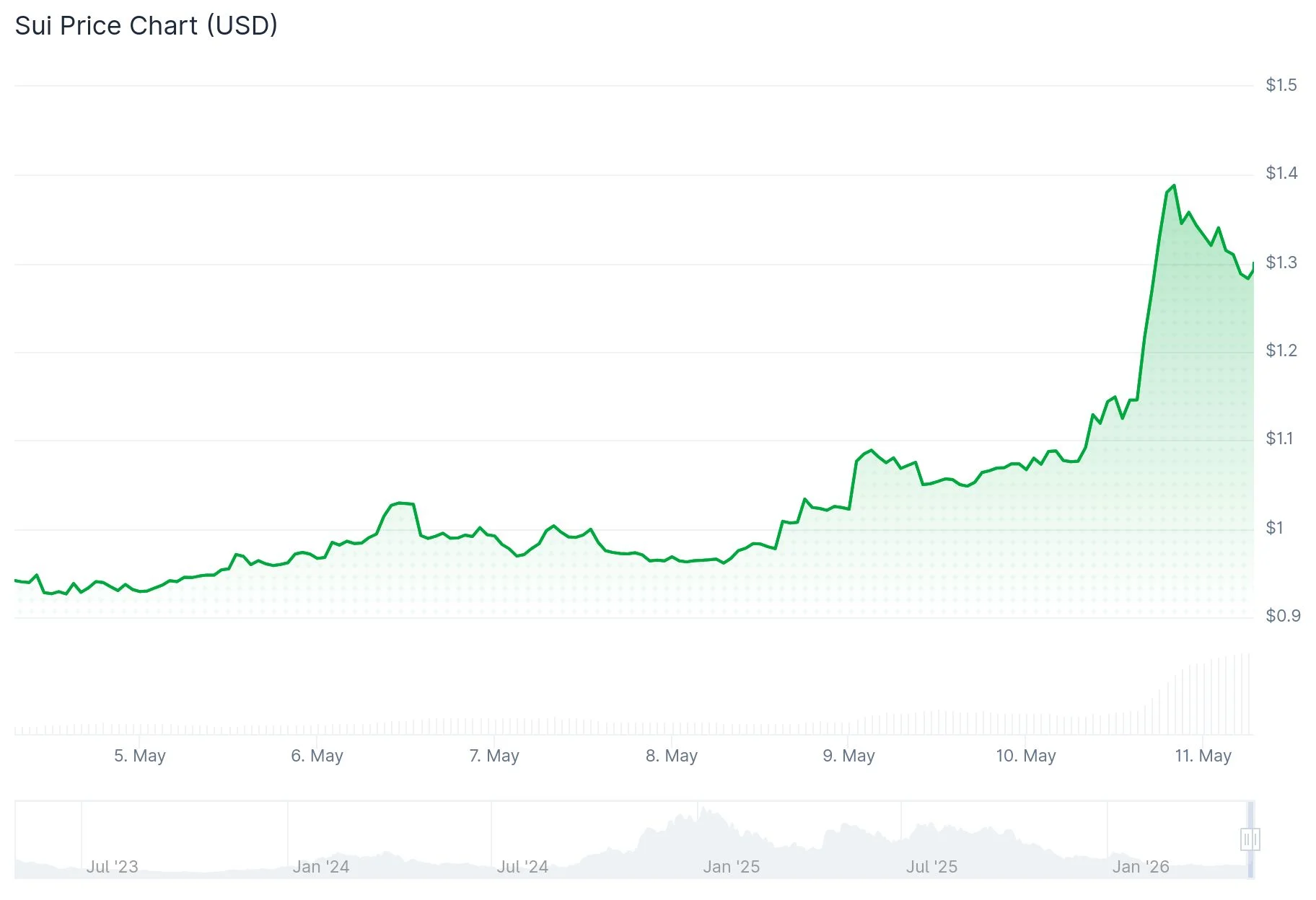
Sui (SUI) Token Rockets 50% Weekly on Institutional Staking and Privacy Tech Rollout

UK backs World Bank’s $1bn funding for Egypt




