RBNZ’s Paul Breman Issues Stark Warning: Higher Inflation Looms with Growth Impact
BitcoinWorld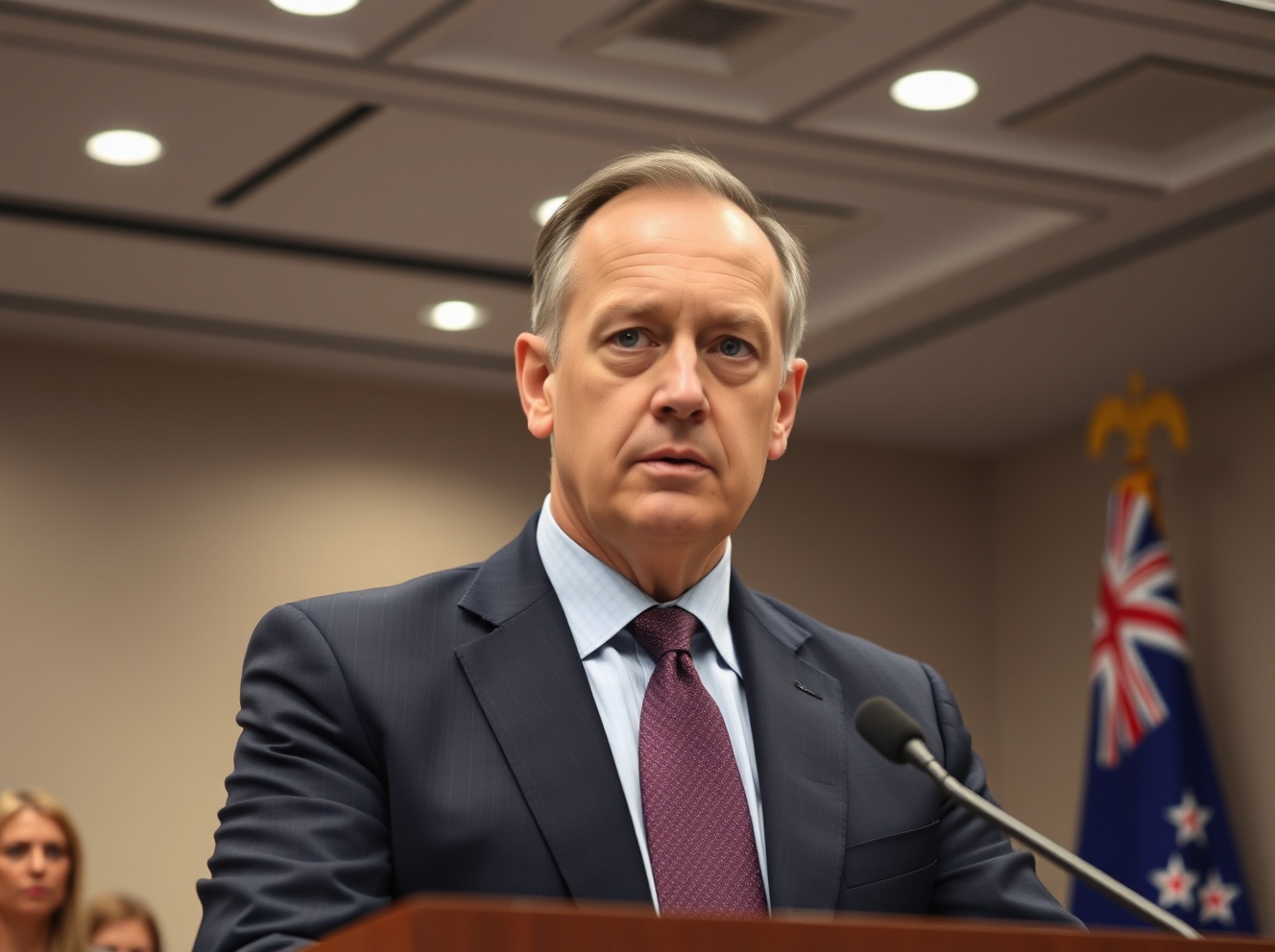
RBNZ’s Paul Breman Issues Stark Warning: Higher Inflation Looms with Growth Impact
WELLINGTON, New Zealand – Reserve Bank of New Zealand Deputy Governor Paul Breman has delivered a significant economic assessment, indicating the nation faces persistent inflationary pressures in the near term alongside measurable impacts on economic growth. This statement, made during a recent financial stability review, provides crucial context for households, businesses, and policymakers navigating a complex global economic landscape in early 2025.
RBNZ’s Inflation Warning and Economic Context
Paul Breman’s comments arrive during a period of global economic recalibration. Consequently, central banks worldwide continue grappling with the aftermath of pandemic-era stimulus and subsequent supply chain disruptions. Furthermore, the RBNZ has maintained a restrictive monetary policy stance for several years. Breman explicitly noted that while progress against inflation is evident, the journey is incomplete. The bank’s latest forecasts, therefore, suggest headline inflation will remain above its 1-3% target band for the coming quarters. This persistence stems from several entrenched factors.
Firstly, domestic non-tradable inflation, covering services and domestic goods, remains stubbornly high. Secondly, geopolitical tensions continue to influence global energy and commodity prices. Thirdly, a tight labor market sustains wage growth pressures. Breman emphasized that managing these pressures requires a careful, data-dependent approach from the Monetary Policy Committee. The RBNZ’s primary tool, the Official Cash Rate (OCR), currently sits at a restrictive level to dampen demand.
The Mechanics of Persistent Inflation
Understanding Breman’s warning requires examining the components of New Zealand’s Consumer Price Index (CPI). The following table breaks down the key contributors to current inflation pressures, based on recent Stats NZ
| CPI Component | Annual Increase | Primary Driver |
|---|---|---|
| Housing and Household Utilities | +4.8% | Construction costs, local body rates |
| Food | +5.6% | Global commodity prices, weather events |
| Transport | +3.2% | Fuel prices, vehicle import costs |
| Recreation and Culture | +4.1% | Services inflation, insurance premiums |
These figures illustrate the broad-based nature of current price increases. Breman specifically highlighted the stickiness of services inflation, which often lags behind goods inflation and is more directly tied to domestic wage settlements.
Growth Impact and Monetary Policy Trade-offs
Significantly, Breman acknowledged the anticipated impact on economic growth. The RBNZ’s dual mandate requires balancing price stability with supporting maximum sustainable employment. Higher interest rates, while curbing inflation, also suppress economic activity by increasing the cost of borrowing for businesses and households. This dynamic creates a challenging policy environment.
Breman outlined several channels through which growth is affected:
- Reduced Household Spending: Higher mortgage rates and living costs decrease disposable income.
- Business Investment Delay: Firms postpone capital expenditure due to higher financing costs and demand uncertainty.
- Cooling Housing Market: Lower demand and higher credit costs moderate house price inflation, impacting wealth effects.
- Exchange Rate Effects: A higher OCR can appreciate the New Zealand dollar, affecting export competitiveness.
The RBNZ’s latest Monetary Policy Statement projects below-trend GDP growth for 2025. The bank’s goal is to engineer a slowdown sufficient to return inflation to target without triggering a severe recession—a so-called “soft landing.” Breman’s remarks underscore the narrow path policymakers are attempting to navigate.
Global Comparisons and Expert Perspectives
New Zealand’s situation mirrors challenges faced by other advanced economies. For instance, the US Federal Reserve and the European Central Bank have also signaled a “higher for longer” interest rate stance. However, New Zealand’s inflation peaked higher and has proven more persistent than in many peer nations, partly due to its exposure to agricultural commodity shocks and a particularly tight labor market.
Independent economists generally support the RBNZ’s cautious stance. Analysts from major trading banks note that premature easing could risk un-anchoring inflation expectations, making the long-term task more difficult. Conversely, they warn that overly restrictive policy could exacerbate the growth slowdown. The consensus view is that the OCR will likely remain on hold for most of 2025, with cuts contingent on clear, sustained evidence of inflation returning to the target mid-point.
Implications for Households and Financial Markets
Breman’s statement has immediate real-world consequences. For mortgage holders, it signals that relief from high interest rates may not arrive soon. Consequently, households should budget for sustained high debt servicing costs. For savers, however, term deposit rates may remain attractive. Businesses must factor in continued pressure on consumer demand and input costs into their planning cycles.
Financial markets reacted to the commentary by slightly pushing out expectations for the timing of the first OCR cut. The New Zealand dollar saw modest strengthening on the prospect of sustained interest rate differentials. Bond yields edged higher, reflecting the inflation risk premium. These market movements underscore how central bank communication directly influences asset prices and capital flows.
Looking forward, the RBNZ’s data-dependent approach means all upcoming economic releases will be scrutinized. Key indicators include:
- Quarterly CPI reports
- Labor market statistics (unemployment, wage growth)
- Business and consumer confidence surveys
- GDP growth figures
Breman concluded his remarks by reaffirming the committee’s commitment to its remit. He stressed that patience is required, as monetary policy operates with significant lags. The full impact of past OCR increases is still working its way through the economy.
Conclusion
RBNZ Deputy Governor Paul Breman’s warning about higher near-term inflation and growth impacts provides a clear-eyed assessment of New Zealand’s economic crossroads. The central bank faces the delicate task of restoring price stability while minimizing damage to employment and output. For the public, the message is one of continued economic adjustment. The path ahead requires vigilance from policymakers and resilience from the broader economy as it adjusts to a new phase of the monetary policy cycle. The RBNZ’s resolve, as communicated by Breman, remains firmly focused on achieving sustainable price stability as the foundation for long-term prosperity.
FAQs
Q1: What did RBNZ’s Paul Breman actually say about inflation?
Paul Breman stated that the Reserve Bank of New Zealand expects to see higher inflation over the near term, acknowledging that the battle against price increases is not yet over. He also noted that the measures to control inflation will have some impact on economic growth.
Q2: Why is inflation in New Zealand so persistent?
Inflation remains persistent due to several factors including strong domestic non-tradable inflation (especially in services), a tight labor market pushing up wages, ongoing global supply chain pressures, and geopolitical events affecting commodity prices like oil and food.
Q3: How does higher inflation affect the average New Zealander?
Higher inflation erodes purchasing power, meaning households can buy less with the same income. It increases the cost of living for essentials like food, housing, and transport. It also typically leads to higher interest rates, increasing mortgage repayments for homeowners with variable-rate loans.
Q4: What is the RBNZ’s main tool for fighting inflation?
The RBNZ’s primary tool is the Official Cash Rate (OCR). By raising the OCR, the bank increases borrowing costs throughout the economy, which helps to reduce demand and slow down price increases. They have used this tool aggressively since late 2021.
Q5: When might interest rates start to come down in New Zealand?
Most economists project the RBNZ will keep the OCR on hold for most of 2025. The timing of any rate cuts depends entirely on incoming data showing sustained progress toward the 1-3% inflation target. Premature easing could risk a resurgence of inflation.
This post RBNZ’s Paul Breman Issues Stark Warning: Higher Inflation Looms with Growth Impact first appeared on BitcoinWorld.


You May Also Like

Saylor Says Strategy’s Bitcoin Credit Model Is Not A Ponzi Scheme
GOP lawmakers want nothing to do with Trump's ballroom chaos: report