

Selecting Media Outlet to Meet Your KPIs Without Guesswork
Selecting media outlets to meet your KPIs is rarely straightforward. Teams often rely on a mix of traffic estimates, domain authority scores, and past experience, but these signals don’t always align. One outlet may show strong reach, another may rank well in search, while a third may have better engagement or industry influence. Without a consistent way to compare them, decisions tend to fall back on intuition.
A more reliable approach starts with structured comparison. Instead of looking at isolated metrics, media outlets need to be assessed across multiple dimensions that reflect how they actually contribute to communication outcomes. This is where standardized frameworks like Outset Media Index (OMI) come into play, offering a way to analyse outlets using comprehensive criteria and align media selection with specific KPIs.
Start With the Outcome, Not the Outlet
Before reviewing any publication, define the expected result and try to answer the question:
Is the goal visibility in a specific region? SEO support? positioning within industry narratives?
Different outlets contribute differently. Some drive reach but limited engagement. Others publish less frequently yet shape how topics are discussed. Without a clear objective, even strong placements can deliver weak outcomes.
Who Actually Reads This Publication?
Audience relevance outweighs raw traffic. A publication may report high visit numbers while delivering little value if its readership does not overlap with your target segment. Surface-level metrics rarely reflect this nuance.
Key aspects to consider include regional distribution, niche alignment, and consistency of audience behavior.
Does the Outlet Influence the Narrative?
Visibility and influence are not the same.
Some outlets are regularly cited by other publications, referenced in research, or redistributed through syndication networks. Others operate in isolation, even with high output.
Understanding this distinction is essential when the goal extends beyond short-term exposure.
How Does the Outlet Perform Across Multiple Dimensions?
This is where most decision-making becomes inconsistent.
Teams often compare traffic from one tool, SEO indicators from another, and anecdotal feedback from internal discussions. These signals rarely form a coherent picture.
Outset Media Index (OMI) replaces this fragmented process with a unified analytical framework.
OMI analyses media outlets across more than 37 normalized metrics, including audience reach, engagement patterns, syndication depth, editorial flexibility, and LLM visibility.
This multidimensional model reflects how publications operate within the broader information ecosystem rather than reducing them to isolated indicators.
Can You Compare Outlets Objectively?
A typical scenario involves choosing between several well-known publications. One shows higher traffic. Another has stronger SEO signals. A third appears more active editorially. Without a standardized system, decisions often rely on interpretation.
OMI introduces independent benchmarking that allows side-by-side comparison of outlets using the same methodology. This creates a consistent basis for evaluating trade-offs between reach, engagement, and influence.
How Much Effort Will Collaboration Require?
Editorial processes differ significantly. Some outlets offer predictable workflows and flexible formats. Others require longer coordination or impose stricter publishing conditions.
These operational factors affect execution but are rarely visible in standard tools. OMI incorporates such dimensions into its analytical model, allowing teams to assess not only performance but also practical usability.
Media Selection: Traditional Approach vs. OMI-Based Approach
Aspect
Traditional Media Selection
OMI-Based Media Selection
Data sources
Multiple tools (traffic, SEO, manual checks)
Unified dataset in one system
Consistency
Conflicting metrics, hard to reconcile
Normalized metrics across all outlets
Decision basis
Experience, assumptions, partial data
Structured analysis across 37+ metrics
Workflow efficiency
Time-consuming research
Faster shortlist creation
Moving From Guesswork to Structured Decisions
The core issue in media selection is not the absence of data—it is fragmentation.
When signals are distributed across tools, even experienced teams struggle to form consistent conclusions. This leads to repeated reliance on familiar outlets or decisions based on incomplete context.
Outset Media Index provides a structured way to approach this problem. By consolidating fragmented media data into a single framework, OMI allows teams to compare outlets objectively, align placements with specific KPIs, and make decisions based on how media actually performs within the ecosystem.
Disclaimer: This article is provided for informational purposes only. It is not offered or intended to be used as legal, tax, investment, financial, or other advice.


You May Also Like
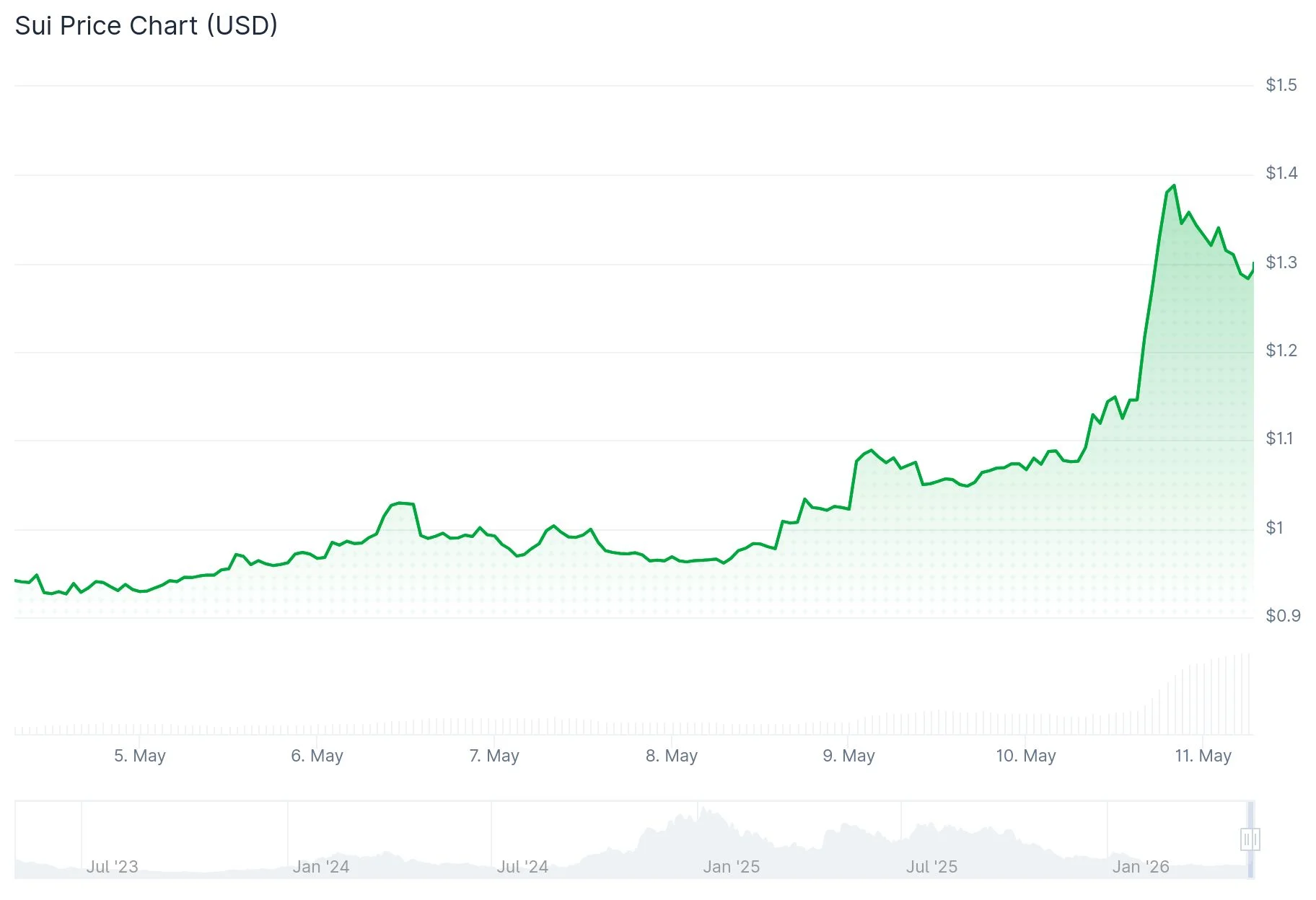
Sui (SUI) Token Rockets 50% Weekly on Institutional Staking and Privacy Tech Rollout

UK backs World Bank’s $1bn funding for Egypt




