

Gold Price Analysis: Navigating Near-Term Pressure Against Unwavering Structural Support – OCBC
BitcoinWorld
Gold Price Analysis: Navigating Near-Term Pressure Against Unwavering Structural Support – OCBC
Global gold markets in early 2025 present a complex picture of competing forces, according to a recent analysis from OCBC Bank. The precious metal currently grapples with significant near-term headwinds while simultaneously resting on a foundation of robust, long-term structural supports. This dichotomy creates a challenging environment for investors and central banks alike, who must weigh immediate monetary policy impacts against enduring geopolitical and macroeconomic trends. Understanding this balance is crucial for navigating the volatile commodity landscape this year.
Gold Price Analysis: Defining the Current Dichotomy
OCBC’s research highlights a clear tension in the gold market. On one side, several potent factors exert downward pressure on prices in the short term. Conversely, a separate set of deep-seated, systemic factors provides a strong floor of support, preventing a more severe correction. This analysis is not merely speculative; it draws upon verifiable data from the World Gold Council, Federal Reserve communications, and decades of historical commodity performance. The bank’s treasury and research teams base their outlook on observable trends in interest rates, currency valuations, and global reserve management strategies.
The Mechanics of Near-Term Pressure
The most immediate pressure point remains the trajectory of global interest rates, particularly those set by the U.S. Federal Reserve. Higher real yields, which adjust nominal interest rates for inflation, increase the opportunity cost of holding non-yielding assets like gold. Consequently, investors often rotate into bonds or other interest-bearing instruments when rates rise. Furthermore, a resilient U.S. dollar, often a byproduct of hawkish Fed policy, makes dollar-denominated gold more expensive for holders of other currencies, dampening international demand. Central bank sales from certain nations, aiming to bolster local currency reserves or fund fiscal needs, can also inject temporary supply into the market.
- Real Yield Dynamics: Rising real yields directly challenge gold’s appeal.
- Dollar Strength: A robust USD acts as a persistent headwind.
- Technical Selling: Breaches of key price levels can trigger algorithmic and momentum-based selling.
- Reduced ETF Flows: Gold-backed exchange-traded funds often see outflows during risk-on market periods.
The Pillars of Structural Support for Gold
Despite these headwinds, gold’s price floor appears solid, supported by structural factors less sensitive to daily rate speculation. Central bank demand has transformed from a variable into a constant. Institutions in emerging markets, particularly across Asia and the Middle East, continue a multi-year trend of diversifying reserves away from traditional fiat currencies. Geopolitical fragmentation and the weaponization of financial systems have accelerated this shift. Additionally, gold retains its core function as a proven hedge against systemic financial risk and prolonged currency debasement, a narrative that regains potency during periods of elevated government debt and fiscal uncertainty.
Market data underscores this support. Global central banks added over 1,000 tonnes to reserves in both 2022 and 2023, a pace that continued robustly into 2024. Retail demand in key markets like China and India remains a stabilizing force, often absorbing selling pressure from Western financial instruments. Moreover, production costs in the mining sector have risen substantially, creating a higher all-in sustaining cost floor that makes prolonged sub-$1,800 prices unsustainable for many producers, thereby limiting downside supply.
| Near-Term Pressure Factors | Structural Support Factors |
|---|---|
| High & Rising Real Interest Rates | Sustained Central Bank Purchasing |
| Strong U.S. Dollar (DXY Index) | Geopolitical & Sanctions Risk Hedging |
| Risk-On Market Sentiment | Inflation & Currency Debasement Hedge |
| Technical Breakdowns & ETF Outflows | Physical Demand in Asia & Production Cost Floor |
OCBC’s Expert Angle on Market Timing and Risk
OCBC’s analysts emphasize that the interplay between these forces is not static but cyclical. The near-term pressures, largely dictated by central bank policy calendars and economic data releases, create trading volatility and shorter-term price weakness. However, they view the structural supports as secular and strengthening over a multi-year horizon. This perspective suggests that periods of price weakness driven by monetary policy may represent strategic accumulation opportunities for long-term portfolios rather than signals of a broken bull market. The bank references historical precedents, such as the 2013-2015 period, where gold weathered a rising rate environment before its next major leg higher, underpinned by expanding debt loads and new geopolitical realities.
The analysis further considers regional dynamics. For ASEAN and Greater China investors, local currency movements against the dollar can significantly alter gold’s effective price and attractiveness. OCBC’s on-the-ground expertise in these markets provides context that purely Western analyses may miss, noting robust physical buying during local price dips. This regional demand layer adds another cushion to global prices, demonstrating the market’s complex, multi-polar nature in the post-2020 era.
Conclusion
OCBC’s gold price analysis presents a nuanced outlook for 2025, defined by the struggle between potent near-term pressures and resilient structural support. While monetary policy tightening and dollar strength may dominate headlines and drive short-term volatility, the foundational demand from central banks, persistent geopolitical tensions, and gold’s timeless role as a store of value provide a formidable base. For investors, this environment demands patience and perspective, recognizing that tactical headwinds do not necessarily negate a strategic bullish thesis. The key takeaway is that gold’s market narrative has expanded beyond simple inflation tracking to encompass financial sovereignty, diversification, and insurance against an increasingly fragmented global system.
FAQs
Q1: What does OCBC mean by “near-term pressure” on gold?
OCBC refers to factors like high real interest rates and a strong U.S. dollar that create downward momentum on gold prices over weeks or months, primarily influenced by central bank policy decisions and market sentiment shifts.
Q2: Why is central bank buying considered “structural support”?
This demand is viewed as strategic, long-term, and policy-driven rather than speculative. It is based on reserve diversification goals and geopolitical hedging, making it a persistent source of demand less likely to reverse quickly based on price fluctuations.
Q3: How do rising interest rates specifically hurt gold prices?
Rising rates increase the yield on bonds and savings accounts. Since gold pays no interest, its opportunity cost rises, making income-generating assets more attractive to investors in comparison.
Q4: Can the structural supports prevent gold prices from falling?
They may not prevent all declines, but they historically create a strong price floor and limit the depth and duration of corrections. They represent constant underlying demand that absorbs selling from other parts of the market.
Q5: What should an investor take from this analysis?
Investors should understand that gold’s market is influenced by two different time horizons. Short-term volatility from economic data is normal, but the long-term investment case remains tied to deeper macroeconomic and geopolitical trends that continue to favor gold ownership.
This post Gold Price Analysis: Navigating Near-Term Pressure Against Unwavering Structural Support – OCBC first appeared on BitcoinWorld.


You May Also Like
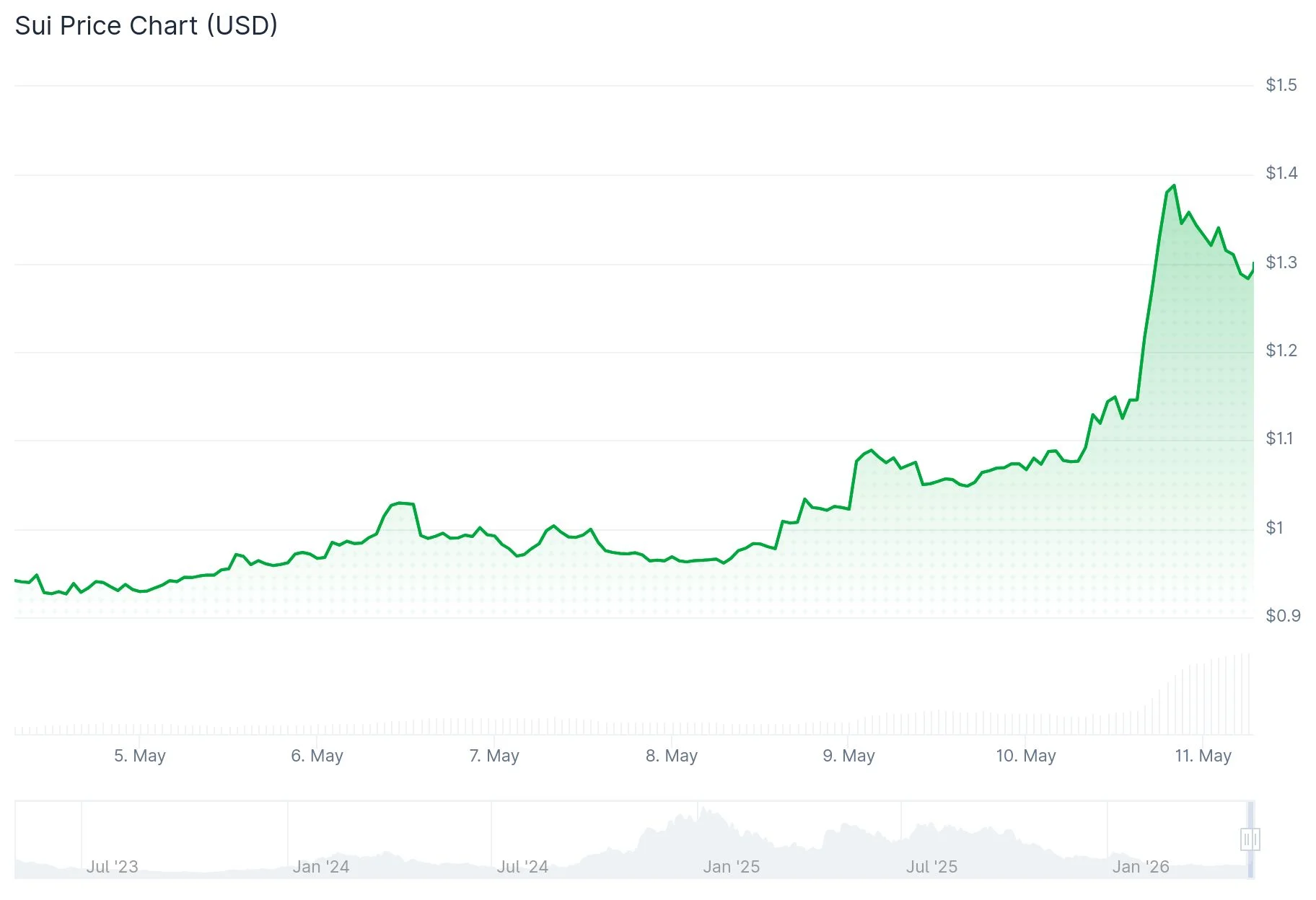
Sui (SUI) Token Rockets 50% Weekly on Institutional Staking and Privacy Tech Rollout

UK backs World Bank’s $1bn funding for Egypt




