

Peter Cross on Customer Experience Leadership: Why Start with the Customer?
Peter Cross on Customer Experience Leadership: What Does It Really Mean to Start with the Customer?
What happens when “customer first” becomes a slogan instead of a system?
Ever watched a brand promise magic, but deliver friction?
A chatbot loops answers.
A store associate shrugs.
A delivery fails silently.
The journey fractures. Loyalty drains.
Now imagine the opposite.
Customers sleep in stores to be first in line.
Staff train at theatre school to elevate service.
A Christmas ad becomes a global benchmark.
A grocer helps feed a nation in crisis.
That is not luck. It is leadership.
CXQuest.com spotlights Peter Cross—former Customer Experience Director at the John Lewis Partnership, Vice President at the Institute of Customer Service, former partner to Mary Portas, and author of Start with the Customer, published by Pearson.
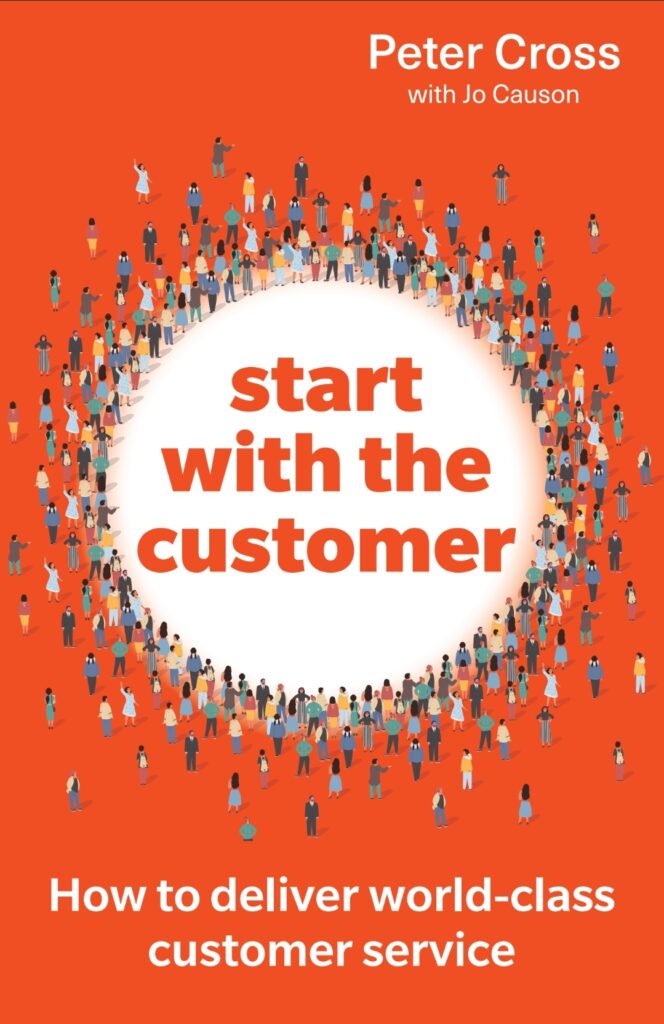
With three decades across Burberry, L’Oréal, Richemont, Portas, and eight transformative years at John Lewis and Waitrose, Peter blends strategy with street-level execution. He challenges comfortable thinking. He connects service to commercial power. And, he insists culture comes before technology.
This executive-level conversation explores frameworks, outcomes, and emotion—what it takes to build service cultures that scale, even in AI-orchestrated commerce.
Foundations: Service as Strategy
Q1. What CX win surprised you most during your years at John Lewis—and why did it matter commercially?
PC: John Lewis had a head start in the digital race long before I turned up, so it was exciting to be on the shirt tails of all that. But this is a brand which is deeply human at heart, so it was always in our ‘expert led’ physical customer interactions that I got both the greatest surprises and the deepest personal fulfilment. The transformation of our in store services come to mind, where we took things like home design and personal styling from smaller rather apologetic propositions in the corner of the shop, to big “show off’ experiences which built deeper, more engaging relationships with employees and customers alike. Inevitably, the numbers followed, I’m pleased to say.
Q2. When everyone claims to be customer-centric, what behaviours prove it is real?
PC: This one is simple. Prove your commitment to customers in the time you spend listening to them. Not time looking at high level data – but listening systematically as a full leadership team in the places which promise the deepest source of insight. This may be your customers’ homes or doorsteps, your shops and showrooms, phone lines or all those in the line. Listening for the colour and context which the data might miss and determined to use the insights you uncover, to bridge the gap between customer expectation and their lived experience of your brand, product or service.
Resetting Values and Purpose
Q3. How did you reset values and purpose without triggering cultural resistance?
PC: By involving the employees right from the start. Using words which make sense to everyone and avoiding corporate speak. Ensuring your values or purpose translate directly to everyone’s everyday jobs rather than a lofty goal you’ll never reach. What you definitely don’t do is cook up four new fancy values in the Board room and put a few posters up. You’ll be repeating the exercise in a few years time.
Q4. What does “Your team are your first customers” mean in operational terms?
PC: It starts with a strategic and cultural pivot from seeing front line and head office teams differently. If your head office or other teams aren’t serving customers directly, you make it clear, that it’s their job to serve someone who is. But mainly it’s a determination to ensure your customer facing teams are what I call ‘complicit’ in delivering the customer outcomes your business wants to see – by giving them a voice and empowering and enabling them to find the solutions for themselves. All world class customer experience businesses know that they can only achieve their goals if everything they build is anchored by world class employee experience.
Signature Moments & Stickiness
Q5. What are “signature moments,” and how do you standardise them without killing authenticity?
PC: Like many things in life, it’s the little things in customer experience which always make the difference. I call these service hallmarks – the small but distinctive things you do to delight, differentiate or reassure your customer that you’ve walked in their shoes and appreciate their custom. These things may already exist already in your organization, but they may be brilliant things Priya does, rather than brilliant things everyone does. The key to the rollout of any service hallmark, is to ensure you maintain a margin of initiative and personality for the employee. With the sole exception maybe of the luxury sector,which can be more prescriptive, set out the ground rules and red lines and then let your team play with them.
Q6. How do you decide which small moments deserve system-level investment?
PC: You start by asking your customers which ones they’ve noticed and then track their loyalty and advocacy as best you can. I would also say that the greatest service hallmarks come from conscious observation of your customers, and often come at no significant cost to the brand. If you’re scratching your head, take a look at Chapter 4 in my new book, Start with the Customer!
Recreating Emotional Depth of Physical Retail
Q7. What made customers sleep in shops—and what does that teach modern retailers?
PC: This was a bit of a crazy idea we had which talked to the unique relationship and respect the British public has for John Lewis. We created the world’s first appartment within a shop and invited our very best customers to spend the night. At a time when physical stores need complete reinvention, these activities, if done with conviction and confidence, can show us the way forwards.
Q8. How can digital brands recreate the emotional depth of physical retail?
PC: Immersive storytelling, authentic personalisation, community building through social channels and a more human approach to service will all help shift the transactional nature of digital retail, to become progressively more interactional.
Leadership & Employee Experience
Q9. Why send staff to theatre school, and what did it unlock in service performance?
PC: Serving customers is hard in a world where the customer is more selfish and badly behaved than ever. You’ve also got to dig deep to truly delight and surprise customers all day and every day, whether you’re on the phone or in a store or showroom. This initiative, where we worked with the National Theatre in London, gave front line customer facing teams the tricks of the trade to feel confident and powerful on the 21st century retail stage.
Q10. How do you measure employee engagement as a leading indicator of CX ROI?
PC: I talk a lot about pride as the ultimate unlocker of the extra mile for customers. If you feel proud at work, you will bring the extra good will to work which the customer will feel. My advice is to move beyond basic surveys about employee happiness at work and track brand pride -exploring the way that pride manifests itself in the customer journey whilst recognizing, rewarding and showcasing best practice.
Q11. What habits separate charismatic service leaders from procedural managers?
PC: Customer experience is cultural. It starts at the top with a leader who genuinely cares about customers and sets the gold standard example everyone else follows. If the leader’s passion for customer satisfaction isn’t reflected in their every decision, no one else will bother either.
AI, Cost, and Commercial Proof
Q12. How do you reconcile CX-cost conflicts in AI-orchestrated operating models?
PC: Instead of replacing human agents, use AI to augment them. See your people as an untapped superpower rather than a cost line to be eradicated.
Q13. What metrics prove that human-led service still scales ROI in automated ecosystems?
PC: There are many data points which confirm that human intervention in complex cases leads to a significant increase in retention but I was most troubled by some data which we released through the Institute which confirms that over half of British customers believe that customer experience today has become painful, exhausting and overly automated. These are big numbers.
Q14. How should leaders balance digital efficiency with emotional loyalty?
PC: Both are important and both talk to the transactional and interactional needs of the modern customer. It is however my view, that true loyalty comes from a powerful combination of both – seamless convenience mixed with deeper emotional connection and relevance.
Q15. What will make brands “sticky” in a future shaped by agentic AI and changing customer behaviour?
PC: Never forget that whilst customer expectation will continue to evolve, your core customer needs haven’t really changed at all. They will continue to want things to be faster, more convenient and delivered in a way which works for them – but they will also want connection, empathy, trust, belonging, joy, deep expertise, recognition and a whole host of other needs which agentic AI may struggle to satiate for now at least. Take the time to explore and meet all the needs of your customer and your brand will have the stickiness you seek.
What does it truly mean to start with the customer?
Peter Cross makes one idea unavoidable:
Customer experience is not a department. It is a discipline.
Key insights from this conversation:
Culture precedes technology.
Signature moments drive memory and margin.
Employee experience predicts customer outcomes.
Service excellence compounds commercially.
His message is clear:
Start with the customer—or risk starting nowhere.
For deeper exploration, visit CXQuest hubs on:
AI in CX
Employee Experience Strategy
Retail Innovation
Service Culture Frameworks
What will you reset tomorrow?
What signature moment will you protect?
And, what cultural lever will you pull first?
The future of commerce belongs to those who act.
The post Peter Cross on Customer Experience Leadership: Why Start with the Customer? appeared first on CX Quest.


You May Also Like

CryptoQuant Analyst Reveals Bitcoin Whales’ Next Move as BTC Holds Near $78K

Trump just 'nuked' his Senate majority: journalist

Former FTX Engineer Nishad Singh Pays $3.7M CFTC Fine



