El Salvador, the world’s first nation to adopt Bitcoin as legal tender, has moved to strengthen the security of its national cryptocurrency reserve amid growing concerns over the threat posed by quantum computing. On Friday, the National Bitcoin Office announced that it had split the country’s holdings, currently 6,284 BTC valued at more than $682 million, into 14 separate addresses. Until now, the government’s Bitcoin treasury had been stored in a single address, a practice often criticized by security experts for exposing public keys to potential long-term vulnerabilities. El Salvador Unveils Public Dashboard for Bitcoin Reserves After Redistribution The office, which operates under the direction of pro-Bitcoin President Nayib Bukele, said the redistribution was part of a broader initiative to enhance the long-term safety of El Salvador’s “National Strategic Bitcoin Reserve.” Officials emphasized that the move aligns with best practices in Bitcoin custody and also reflects preparations for the looming security risks posed by advancements in quantum computing. Quantum computers, unlike traditional machines that process data in binary 0s and 1s, use “qubits,” which can exist in multiple states simultaneously. This allows them to process vast amounts of data at unprecedented speeds. For Bitcoin, the concern centers on Shor’s algorithm, a mathematical technique demonstrated in 1999 that, if deployed on a sufficiently powerful quantum computer, could break the elliptic curve cryptography (ECDSA) securing Bitcoin’s public and private keys. The threat is particularly acute for addresses whose public keys have already been revealed through transactions. Once a Bitcoin transaction is broadcast, the public key becomes visible on the blockchain, theoretically giving a quantum adversary the ability to calculate the private key and redirect funds before a transaction confirms.Source: Bitcoin Office By splitting funds across multiple unused addresses, each holding no more than 500 BTC, El Salvador has reduced the potential fallout of a future quantum attack. An unused Bitcoin address, whose public key remains hidden, is significantly less exposed. The government said it would maintain transparency through a new public dashboard cataloging all reserve addresses, preserving visibility without relying on a single wallet. Up to 7M BTC Vulnerable to Quantum Attacks, Researchers Say The decision reflects rising urgency in the broader crypto sector regarding quantum threats. Cybersecurity specialists estimate that around 30% of Bitcoin’s circulating supply, roughly 6 to 7 million BTC, remains vulnerable in older address formats that directly expose public keys. Researchers from Deloitte have suggested that as much as a quarter of all Bitcoin could eventually be at risk if quantum machines mature faster than expected. Warnings from industry veterans have also intensified. In July, David Carvalho, CEO of Naoris Protocol and a former ethical hacker, cautioned that adversaries may already be harvesting blockchain data under a “harvest now, decrypt later” strategy, storing encrypted records today in anticipation of decrypting them with future quantum tools. He suggested that such capabilities may emerge within years rather than decades, contradicting more conservative estimates placing “Q-day” between 2027 and the mid-2030s. The security overhaul also comes as quantum research accelerates worldwide. Tech giants including IBM, Google, and Microsoft are pushing toward quantum processors with millions of qubits, a development that could dramatically shorten the timeline for breaking existing encryption standards. U.S. federal agencies such as the National Institute of Standards and Technology (NIST) have been calling for adoption of quantum-resistant algorithms since 2022. Financial institutions have begun acknowledging the risks. BlackRock has highlighted quantum computing in filings for its Bitcoin ETF, while Tether CEO Paolo Ardoino has also warned about the potential exposure of inactive Bitcoin wallets. Bukele’s Daily Bitcoin Buy Claims Contradicted by IMF Review El Salvador’s embrace of Bitcoin continues to evolve on multiple fronts, though recent disclosures suggest a more measured approach than President Nayib Bukele has long projected. On July 15, the International Monetary Fund (IMF) released its first formal review of El Salvador’s Bitcoin program since approving a $1.4 billion loan in December 2024. The report contradicted Bukele’s public claims of buying one Bitcoin per day, revealing that no new acquisitions have been made since February 2025. Central Bank President Douglas Pablo Rodríguez Fuentes and Finance Minister Jerson Rogelio Posada Molina confirmed in a signed letter that “the stock of Bitcoins held by the public sector remains unchanged.” On-chain movements observed in recent months, the IMF clarified, were internal transfers between hot and cold wallets, not fresh purchases. Assets gained through seizures or reallocations were similarly excluded from state-backed buys. The IMF praised the government’s pivot, calling the changes an important step toward reducing fiscal risk and improving transparency. Among the reforms is a gradual withdrawal from public management of Bitcoin-related services. The Chivo wallet, once promoted as a flagship adoption tool, will be privatized and removed from government oversight by July 2025. Officials say this shift reduces strain on public finances while keeping the wallet operational under private control. At the same time, El Salvador continues to position itself as a symbolic leader in Bitcoin adoption. In August, the government launched “What is Money?”, a financial literacy program aimed at children as young as seven. It also announced Bitcoin Histórico, a global summit framed as both a celebration of monetary sovereignty and a milestone in digital transformationEl Salvador, the world’s first nation to adopt Bitcoin as legal tender, has moved to strengthen the security of its national cryptocurrency reserve amid growing concerns over the threat posed by quantum computing. On Friday, the National Bitcoin Office announced that it had split the country’s holdings, currently 6,284 BTC valued at more than $682 million, into 14 separate addresses. Until now, the government’s Bitcoin treasury had been stored in a single address, a practice often criticized by security experts for exposing public keys to potential long-term vulnerabilities. El Salvador Unveils Public Dashboard for Bitcoin Reserves After Redistribution The office, which operates under the direction of pro-Bitcoin President Nayib Bukele, said the redistribution was part of a broader initiative to enhance the long-term safety of El Salvador’s “National Strategic Bitcoin Reserve.” Officials emphasized that the move aligns with best practices in Bitcoin custody and also reflects preparations for the looming security risks posed by advancements in quantum computing. Quantum computers, unlike traditional machines that process data in binary 0s and 1s, use “qubits,” which can exist in multiple states simultaneously. This allows them to process vast amounts of data at unprecedented speeds. For Bitcoin, the concern centers on Shor’s algorithm, a mathematical technique demonstrated in 1999 that, if deployed on a sufficiently powerful quantum computer, could break the elliptic curve cryptography (ECDSA) securing Bitcoin’s public and private keys. The threat is particularly acute for addresses whose public keys have already been revealed through transactions. Once a Bitcoin transaction is broadcast, the public key becomes visible on the blockchain, theoretically giving a quantum adversary the ability to calculate the private key and redirect funds before a transaction confirms.Source: Bitcoin Office By splitting funds across multiple unused addresses, each holding no more than 500 BTC, El Salvador has reduced the potential fallout of a future quantum attack. An unused Bitcoin address, whose public key remains hidden, is significantly less exposed. The government said it would maintain transparency through a new public dashboard cataloging all reserve addresses, preserving visibility without relying on a single wallet. Up to 7M BTC Vulnerable to Quantum Attacks, Researchers Say The decision reflects rising urgency in the broader crypto sector regarding quantum threats. Cybersecurity specialists estimate that around 30% of Bitcoin’s circulating supply, roughly 6 to 7 million BTC, remains vulnerable in older address formats that directly expose public keys. Researchers from Deloitte have suggested that as much as a quarter of all Bitcoin could eventually be at risk if quantum machines mature faster than expected. Warnings from industry veterans have also intensified. In July, David Carvalho, CEO of Naoris Protocol and a former ethical hacker, cautioned that adversaries may already be harvesting blockchain data under a “harvest now, decrypt later” strategy, storing encrypted records today in anticipation of decrypting them with future quantum tools. He suggested that such capabilities may emerge within years rather than decades, contradicting more conservative estimates placing “Q-day” between 2027 and the mid-2030s. The security overhaul also comes as quantum research accelerates worldwide. Tech giants including IBM, Google, and Microsoft are pushing toward quantum processors with millions of qubits, a development that could dramatically shorten the timeline for breaking existing encryption standards. U.S. federal agencies such as the National Institute of Standards and Technology (NIST) have been calling for adoption of quantum-resistant algorithms since 2022. Financial institutions have begun acknowledging the risks. BlackRock has highlighted quantum computing in filings for its Bitcoin ETF, while Tether CEO Paolo Ardoino has also warned about the potential exposure of inactive Bitcoin wallets. Bukele’s Daily Bitcoin Buy Claims Contradicted by IMF Review El Salvador’s embrace of Bitcoin continues to evolve on multiple fronts, though recent disclosures suggest a more measured approach than President Nayib Bukele has long projected. On July 15, the International Monetary Fund (IMF) released its first formal review of El Salvador’s Bitcoin program since approving a $1.4 billion loan in December 2024. The report contradicted Bukele’s public claims of buying one Bitcoin per day, revealing that no new acquisitions have been made since February 2025. Central Bank President Douglas Pablo Rodríguez Fuentes and Finance Minister Jerson Rogelio Posada Molina confirmed in a signed letter that “the stock of Bitcoins held by the public sector remains unchanged.” On-chain movements observed in recent months, the IMF clarified, were internal transfers between hot and cold wallets, not fresh purchases. Assets gained through seizures or reallocations were similarly excluded from state-backed buys. The IMF praised the government’s pivot, calling the changes an important step toward reducing fiscal risk and improving transparency. Among the reforms is a gradual withdrawal from public management of Bitcoin-related services. The Chivo wallet, once promoted as a flagship adoption tool, will be privatized and removed from government oversight by July 2025. Officials say this shift reduces strain on public finances while keeping the wallet operational under private control. At the same time, El Salvador continues to position itself as a symbolic leader in Bitcoin adoption. In August, the government launched “What is Money?”, a financial literacy program aimed at children as young as seven. It also announced Bitcoin Histórico, a global summit framed as both a celebration of monetary sovereignty and a milestone in digital transformation

El Salvador Fortifies Bitcoin Treasury Amid Quantum Threat Fears — Is This a Warning?

El Salvador, the world’s first nation to adopt Bitcoin as legal tender, has moved to strengthen the security of its national cryptocurrency reserve amid growing concerns over the threat posed by quantum computing.

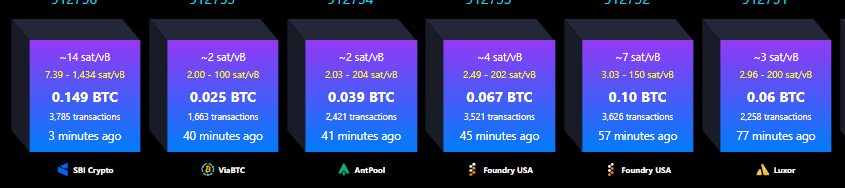
On Friday, the National Bitcoin Office announced that it had split the country’s holdings, currently 6,284 BTC valued at more than $682 million, into 14 separate addresses.

Until now, the government’s Bitcoin treasury had been stored in a single address, a practice often criticized by security experts for exposing public keys to potential long-term vulnerabilities.

El Salvador Unveils Public Dashboard for Bitcoin Reserves After Redistribution

The office, which operates under the direction of pro-Bitcoin President Nayib Bukele, said the redistribution was part of a broader initiative to enhance the long-term safety of El Salvador’s “National Strategic Bitcoin Reserve.”

Officials emphasized that the move aligns with best practices in Bitcoin custody and also reflects preparations for the looming security risks posed by advancements in quantum computing.

Quantum computers, unlike traditional machines that process data in binary 0s and 1s, use “qubits,” which can exist in multiple states simultaneously. This allows them to process vast amounts of data at unprecedented speeds.

For Bitcoin, the concern centers on Shor’s algorithm, a mathematical technique demonstrated in 1999 that, if deployed on a sufficiently powerful quantum computer, could break the elliptic curve cryptography (ECDSA) securing Bitcoin’s public and private keys.

The threat is particularly acute for addresses whose public keys have already been revealed through transactions.

Once a Bitcoin transaction is broadcast, the public key becomes visible on the blockchain, theoretically giving a quantum adversary the ability to calculate the private key and redirect funds before a transaction confirms.
Source: Bitcoin Office

By splitting funds across multiple unused addresses, each holding no more than 500 BTC, El Salvador has reduced the potential fallout of a future quantum attack. An unused Bitcoin address, whose public key remains hidden, is significantly less exposed.

The government said it would maintain transparency through a new public dashboard cataloging all reserve addresses, preserving visibility without relying on a single wallet.

Up to 7M BTC Vulnerable to Quantum Attacks, Researchers Say

The decision reflects rising urgency in the broader crypto sector regarding quantum threats. Cybersecurity specialists estimate that around 30% of Bitcoin’s circulating supply, roughly 6 to 7 million BTC, remains vulnerable in older address formats that directly expose public keys.

Researchers from Deloitte have suggested that as much as a quarter of all Bitcoin could eventually be at risk if quantum machines mature faster than expected.

Warnings from industry veterans have also intensified. In July, David Carvalho, CEO of Naoris Protocol and a former ethical hacker, cautioned that adversaries may already be harvesting blockchain data under a “harvest now, decrypt later” strategy, storing encrypted records today in anticipation of decrypting them with future quantum tools.

He suggested that such capabilities may emerge within years rather than decades, contradicting more conservative estimates placing “Q-day” between 2027 and the mid-2030s.

The security overhaul also comes as quantum research accelerates worldwide. Tech giants including IBM, Google, and Microsoft are pushing toward quantum processors with millions of qubits, a development that could dramatically shorten the timeline for breaking existing encryption standards.

U.S. federal agencies such as the National Institute of Standards and Technology (NIST) have been calling for adoption of quantum-resistant algorithms since 2022.

Financial institutions have begun acknowledging the risks. BlackRock has highlighted quantum computing in filings for its Bitcoin ETF, while Tether CEO Paolo Ardoino has also warned about the potential exposure of inactive Bitcoin wallets.

Bukele’s Daily Bitcoin Buy Claims Contradicted by IMF Review

El Salvador’s embrace of Bitcoin continues to evolve on multiple fronts, though recent disclosures suggest a more measured approach than President Nayib Bukele has long projected.

On July 15, the International Monetary Fund (IMF) released its first formal review of El Salvador’s Bitcoin program since approving a $1.4 billion loan in December 2024.

The report contradicted Bukele’s public claims of buying one Bitcoin per day, revealing that no new acquisitions have been made since February 2025.

Central Bank President Douglas Pablo Rodríguez Fuentes and Finance Minister Jerson Rogelio Posada Molina confirmed in a signed letter that “the stock of Bitcoins held by the public sector remains unchanged.”

On-chain movements observed in recent months, the IMF clarified, were internal transfers between hot and cold wallets, not fresh purchases. Assets gained through seizures or reallocations were similarly excluded from state-backed buys.

The IMF praised the government’s pivot, calling the changes an important step toward reducing fiscal risk and improving transparency. Among the reforms is a gradual withdrawal from public management of Bitcoin-related services.

The Chivo wallet, once promoted as a flagship adoption tool, will be privatized and removed from government oversight by July 2025. Officials say this shift reduces strain on public finances while keeping the wallet operational under private control.

At the same time, El Salvador continues to position itself as a symbolic leader in Bitcoin adoption.

In August, the government launched “What is Money?”, a financial literacy program aimed at children as young as seven.

It also announced Bitcoin Histórico, a global summit framed as both a celebration of monetary sovereignty and a milestone in digital transformation.

Market Opportunity
ELYSIA Logo
ELYSIA Price(EL)
$0.002637
$0.002637$0.002637
+0.72%
USD
ELYSIA (EL) Live Price Chart
Disclaimer: The articles reposted on this site are sourced from public platforms and are provided for informational purposes only. They do not necessarily reflect the views of MEXC. All rights remain with the original authors. If you believe any content infringes on third-party rights, please contact service@support.mexc.com for removal. MEXC makes no guarantees regarding the accuracy, completeness, or timeliness of the content and is not responsible for any actions taken based on the information provided. The content does not constitute financial, legal, or other professional advice, nor should it be considered a recommendation or endorsement by MEXC.

You May Also Like

Holywater Raises Additional $22 Million To Expand AI Vertical Video Platform

Holywater Raises Additional $22 Million To Expand AI Vertical Video Platform

The post Holywater Raises Additional $22 Million To Expand AI Vertical Video Platform appeared on BitcoinEthereumNews.com. Holywater is positioning itself as “the
Share
BitcoinEthereumNews2026/01/17 01:18
OpenVPP accused of falsely advertising cooperation with the US government; SEC commissioner clarifies no involvement

OpenVPP accused of falsely advertising cooperation with the US government; SEC commissioner clarifies no involvement

PANews reported on September 17th that on-chain sleuth ZachXBT tweeted that OpenVPP ( $OVPP ) announced this week that it was collaborating with the US government to advance energy tokenization. SEC Commissioner Hester Peirce subsequently responded, stating that the company does not collaborate with or endorse any private crypto projects. The OpenVPP team subsequently hid the response. Several crypto influencers have participated in promoting the project, and the accounts involved have been questioned as typical influencer accounts.
Share
PANews2025/09/17 23:58
Best Crypto to Buy as Saylor & Crypto Execs Meet in US Treasury Council

Best Crypto to Buy as Saylor & Crypto Execs Meet in US Treasury Council

The post Best Crypto to Buy as Saylor & Crypto Execs Meet in US Treasury Council appeared on BitcoinEthereumNews.com. Michael Saylor and a group of crypto executives met in Washington, D.C. yesterday to push for the Strategic Bitcoin Reserve Bill (the BITCOIN Act), which would see the U.S. acquire up to 1M $BTC over five years. With Bitcoin being positioned yet again as a cornerstone of national monetary policy, many investors are turning their eyes to projects that lean into this narrative – altcoins, meme coins, and presales that could ride on the same wave. Read on for three of the best crypto projects that seem especially well‐suited to benefit from this macro shift:  Bitcoin Hyper, Best Wallet Token, and Remittix. These projects stand out for having a strong use case and high adoption potential, especially given the push for a U.S. Bitcoin reserve.   Why the Bitcoin Reserve Bill Matters for Crypto Markets The strategic Bitcoin Reserve Bill could mark a turning point for the U.S. approach to digital assets. The proposal would see America build a long-term Bitcoin reserve by acquiring up to one million $BTC over five years. To make this happen, lawmakers are exploring creative funding methods such as revaluing old gold certificates. The plan also leans on confiscated Bitcoin already held by the government, worth an estimated $15–20B. This isn’t just a headline for policy wonks. It signals that Bitcoin is moving from the margins into the core of financial strategy. Industry figures like Michael Saylor, Senator Cynthia Lummis, and Marathon Digital’s Fred Thiel are all backing the bill. They see Bitcoin not just as an investment, but as a hedge against systemic risks. For the wider crypto market, this opens the door for projects tied to Bitcoin and the infrastructure that supports it. 1. Bitcoin Hyper ($HYPER) – Turning Bitcoin Into More Than Just Digital Gold The U.S. may soon treat Bitcoin as…
Share
BitcoinEthereumNews2025/09/18 00:27